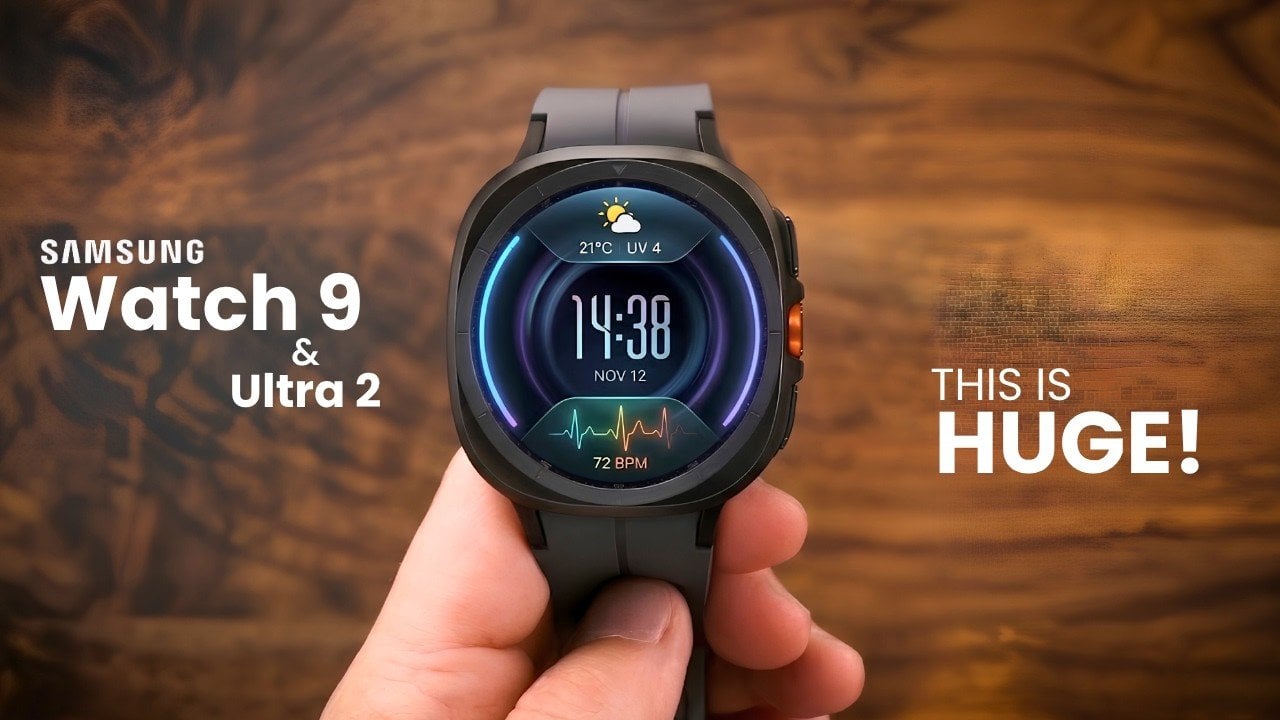
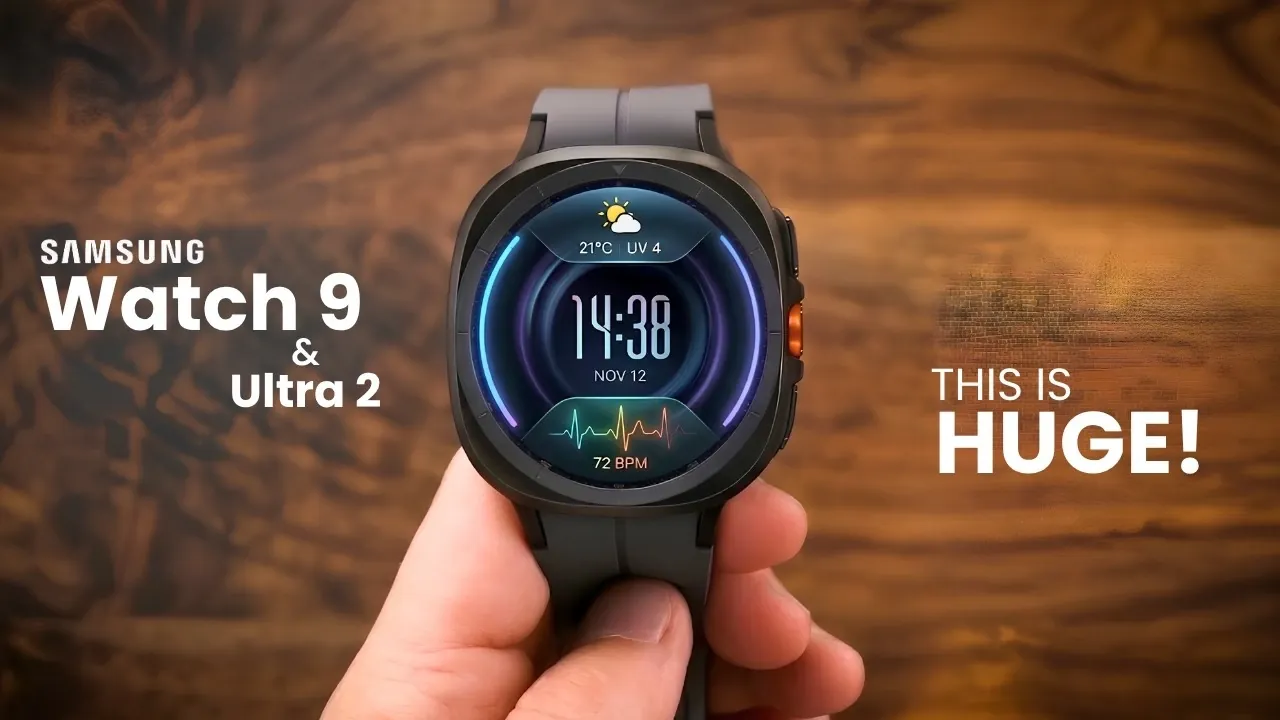
Samsung is poised to redefine the smartwatch landscape with the anticipated launch of the Galaxy Watch 9 and Galaxy Watch Ultra 2 in July 2026. Leaks and rumors have already hinted at substantial upgrades in design, hardware, and software, sparking widespread interest among tech enthusiasts. However, the potential discontinuation of the classic model with its iconic rotating bezel has stirred mixed reactions, reflecting the delicate balance between innovation and tradition. The video below gives us more details.

Design: Merging Durability with Sophistication
The Galaxy Watch Ultra 2 is rumored to adopt a rugged, boxier design tailored for users who prioritize durability in their wearable devices. With slimmer bezels and a redesigned side button featuring an orange accent, this model is expected to combine robust functionality with a modern aesthetic. Meanwhile, the Galaxy Watch 9 is set to maintain its sleek and minimalist profile, introducing new color options like black, silver, and beige to cater to diverse style preferences. These design updates underscore Samsung’s commitment to creating smartwatches that are both practical and visually appealing, making sure they resonate with a broad audience.
Battery Life: Addressing Longevity Concerns
Battery life remains a critical consideration for smartwatch users, and Samsung appears to be making significant strides in this area. The Galaxy Watch Ultra 2 is rumored to feature a 784mAh battery, a substantial increase from the 590mAh capacity of its predecessor. This enhancement could potentially deliver over three days of usage, even with the always-on display enabled. Similarly, the Galaxy Watch 9 (40mm) is expected to house a 382mAh battery, improving upon the 325mAh capacity of the Galaxy Watch 8. These advancements aim to minimize the inconvenience of frequent charging, offering users a more seamless and uninterrupted experience.
Software: Enhancing Usability and Personalization
Samsung’s software updates for the Galaxy Watch 9 series are designed to elevate the user experience. A revamped Samsung Health interface is expected to simplify navigation and enhance functionality, making it easier for users to track their fitness and wellness goals. Additionally, an expanded library of watch faces will provide greater opportunities for personalization, allowing users to tailor their devices to their unique tastes. The Galaxy Watch Ultra 2 is also rumored to include updated visuals, such as a new button layout and an improved compass application, further enhancing its utility. These software refinements reflect Samsung’s dedication to creating smartwatches that are not only stylish but also highly functional.
Performance: A Leap in Efficiency and Power
Both the Galaxy Watch 9 and Ultra 2 are expected to be powered by the Snapdragon Wear Elite processor, a innovative chipset that promises significant improvements in performance and energy efficiency. This upgrade is likely to result in faster app launches, smoother operation and optimized battery management. For users, this means a more responsive and reliable device, whether they’re managing notifications, tracking fitness metrics, or exploring the latest apps. By integrating this advanced processor, Samsung is setting a new standard for smartwatch performance.
The Rotating Bezel: A Controversial Shift
One of the most debated aspects of the Galaxy Watch 9 series is the rumored discontinuation of the classic model, renowned for its rotating bezel. This tactile feature has long been a hallmark of Samsung’s smartwatches, offering an intuitive and satisfying way to navigate the interface. While some users view its potential removal as a loss of a beloved feature, others see it as an opportunity for Samsung to explore new design directions. This decision highlights the ongoing tension between preserving tradition and embracing innovation, a challenge that many tech companies face as they strive to stay ahead in a competitive market.
Implications for the Wearable Tech Industry
The Galaxy Watch 9 and Ultra 2 are shaping up to be pivotal releases in the smartwatch industry. With enhancements in battery life, processing power and software functionality, Samsung is addressing key user concerns while pushing the boundaries of what smartwatches can achieve. However, the potential removal of the rotating bezel serves as a reminder of the complexities involved in balancing user expectations with the drive for innovation. As the official launch approaches, these updates suggest that Samsung is not only responding to market demands but also setting the stage for the next evolution of wearable technology.
Key Highlights
- The Galaxy Watch Ultra 2 is expected to feature a rugged design with slimmer bezels and a redesigned side button for improved functionality and aesthetics.
- Battery life enhancements could extend usage to over three days, addressing a common frustration among smartwatch users.
- Software updates, including a redesigned Samsung Health interface and expanded watch face options, aim to enhance usability and personalization.
- The Snapdragon Wear Elite processor promises faster performance, smoother operation and better energy efficiency.
- The potential discontinuation of the rotating bezel has sparked mixed reactions, reflecting the challenge of balancing tradition with progress.
Samsung’s upcoming Galaxy Watch 9 and Ultra 2 are poised to make a significant impact on the wearable tech market. By blending advanced technology with thoughtful design, these smartwatches promise to deliver a compelling combination of style, functionality and innovation. Whether you’re a long-time Samsung enthusiast or exploring smartwatches for the first time, these devices are worth watching as they prepare to redefine the future of wearables.
Below are more guides on the Samsung Galaxy Watch 9 from our extensive range of articles.
Source & Image Credit: Talks Daily Tech
Filed Under: Android News, Gadgets News, Top News
Disclosure: Some of our articles include affiliate links. If you buy something through one of these links, Geeky Gadgets may earn an affiliate commission. Learn about our Disclosure Policy.


