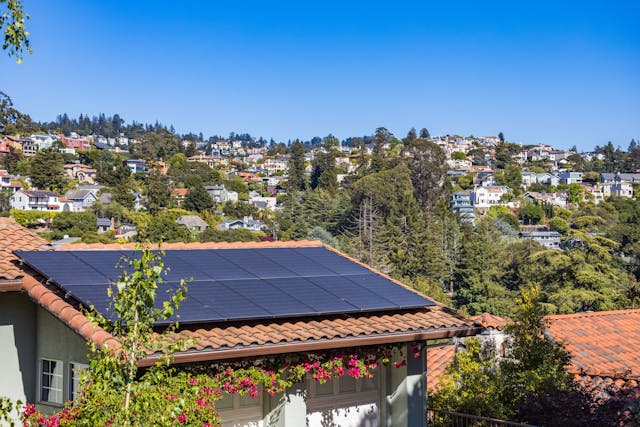
Sustainable roofing is not a trend, but a performance upgrade. Your roof controls how much heat enters the attic, how moisture moves, and how steady your indoor temperature feels.
When that top layer runs hotter than it should, your AC works harder. When it leaks air in winter, your heating system pays for it. The smartest ‘green’ choice is the one that reduces energy demand and holds that line for years. Here’s how sustainable roofing choices can make homes more energy efficient.
1. Start with materials that suit your climate
Sustainable roofing begins with materials that handle local weather without wasting energy. A roof in a hot, sunny area needs a different approach from one in a wet or colder region. The right material should last, resist damage, and help control indoor temperature. This is where planning matters. A trusted roofing company can help homeowners compare practical options before they commit. Useful factors include:
- Heat reflection
- Expected lifespan
- Storm and sun resistance
- Maintenance needs
A longer-lasting roof creates less waste. When a roof performs well for many years, homeowners avoid early replacement and send fewer old materials to landfills.
2. Pay attention to attic ventilation
Ventilation is one of the quiet parts of roof performance. When hot air gets trapped in the attic, it pushes heat into the rooms below. The air conditioner then works harder to keep the home comfortable.
Good ventilation gives hot air and moisture a path out. It also helps protect insulation, roof decking, and shingles from damage. This can extend the life of the roof and reduce repair needs.
3. Keep insulation in the conversation
A roof upgrade should not ignore insulation. Even a well-installed roof can lose value if the attic underneath is poorly insulated. Thin, old, or damp insulation makes it easier for conditioned air to escape. Roof repairs or replacement projects are good times to check the attic. Look for:
- Uneven insulation
- Damp or stained areas
- Gaps around vents or pipes
- Signs of pests
- Rooms that never feel comfortable
Fixing these issues helps the home hold temperature better, which can reduce strain on heating and cooling systems.
4. Consider reflective and cool roof options
Cool roof materials reflect more sunlight and absorb less heat. This can help homes in warm climates or areas with long, hot summers.
Reflective shingles, light-colored roofing, and certain coatings can lower roof surface temperatures. This does not mean every home needs the same solution. The smartest choice depends on climate, roof design, and budget.
5. Maintain the roof before damage spreads
Sustainability is also about care. A roof that is maintained well can last longer and perform better. Small problems, such as cracked shingles, clogged gutters, damaged flashing, or minor leaks, can reduce efficiency if ignored.
Regular inspections help homeowners catch these issues early. They also protect insulation and prevent moisture from spreading into the attic or walls. A roof that lasts longer is usually the greener choice.
Endnote
Sustainable roofing does not have to be complicated. It starts with choices that fit the home, climate, and long-term cost of ownership. Better materials, proper ventilation, strong insulation, reflective options, and routine maintenance can all improve efficiency.


