
Published May 28, 2026 08:05AM
Most thru-hikers don’t consider their backpack to be a delicate piece of gear. But even with the burly fabrics and straps holding your pack together, you can’t simply load it to the brim, throw it around for 3,000 miles, and expect it to survive in one piece without some TLC.
On my first thru-hike along the relatively short 272-mile Long Trail, I found myself dealing with a mouse-related hole in my pack, a snapped sternum strap, and a busted front pocket—all because I didn’t know how best to take care of my pack to begin with. Follow these guidelines and your trusty rucksack will haul your load for thousands of miles.
Get the Right Pack for Your Body
Pack failure often starts with poor fit. Over time, a bad fit can strain seams, lead to strap overtightening, and create uneven weight distribution, which can then lead to injury for you and damage for your pack. It all starts with a proper torso length: Measure your torso from the base of your neck, where your shoulders meet, to the top of your hip bone (not the base of your spine.) Getting that wrong can lead to a misaligned hip belt, shoulder overloading, and shoulder gaps, all of which can make the pack feel unstable, lead to serious chafing and render the load lifters useless.
Don’t Overtighten
On my Long Trail thru-hike, I frequently tightened my sternum strap as much as I could, thinking it would keep more of the pack weight closer to my center of gravity. Eventually, the sternum strap snapped, forcing me to use a luggage strap from a hiker box as a temporary fix.
The lesson? Overtightening creates excess tension and can lead to breakage. If something is feeling off in the way your pack is fitting on your back, make sure to check that your pack weight is evenly distributed, and that all of your straps—load lifters, hip belt, sternum and shoulder straps—are properly and evenly adjusted.
Learn About Fabrics
Not all packs are made with the same fabric. Each fabric has its own specific strengths, weaknesses, and care needs. While larger brands like Osprey and Gregory use primarily nylon-based fabrics in their packs (strong and affordable but heavy and absorbent), smaller ultralight brands use more niche fabrics and laminates. Ultra, for example, is relatively abrasion-resistant but more heat sensitive—try to keep your pack out of direct sunlight in high temperatures. DCF is lightweight and has incredible tear strength, but is susceptible to punctures and abrasions. X-Pac holds better pack structure over time, but can delaminate from the pack being repeatedly rolled down, especially if you’re packing to the brim and overcompressing it. (It also doesn’t hurt to keep this kind of pack out of high heat or direct sunlight.)
Pack Light
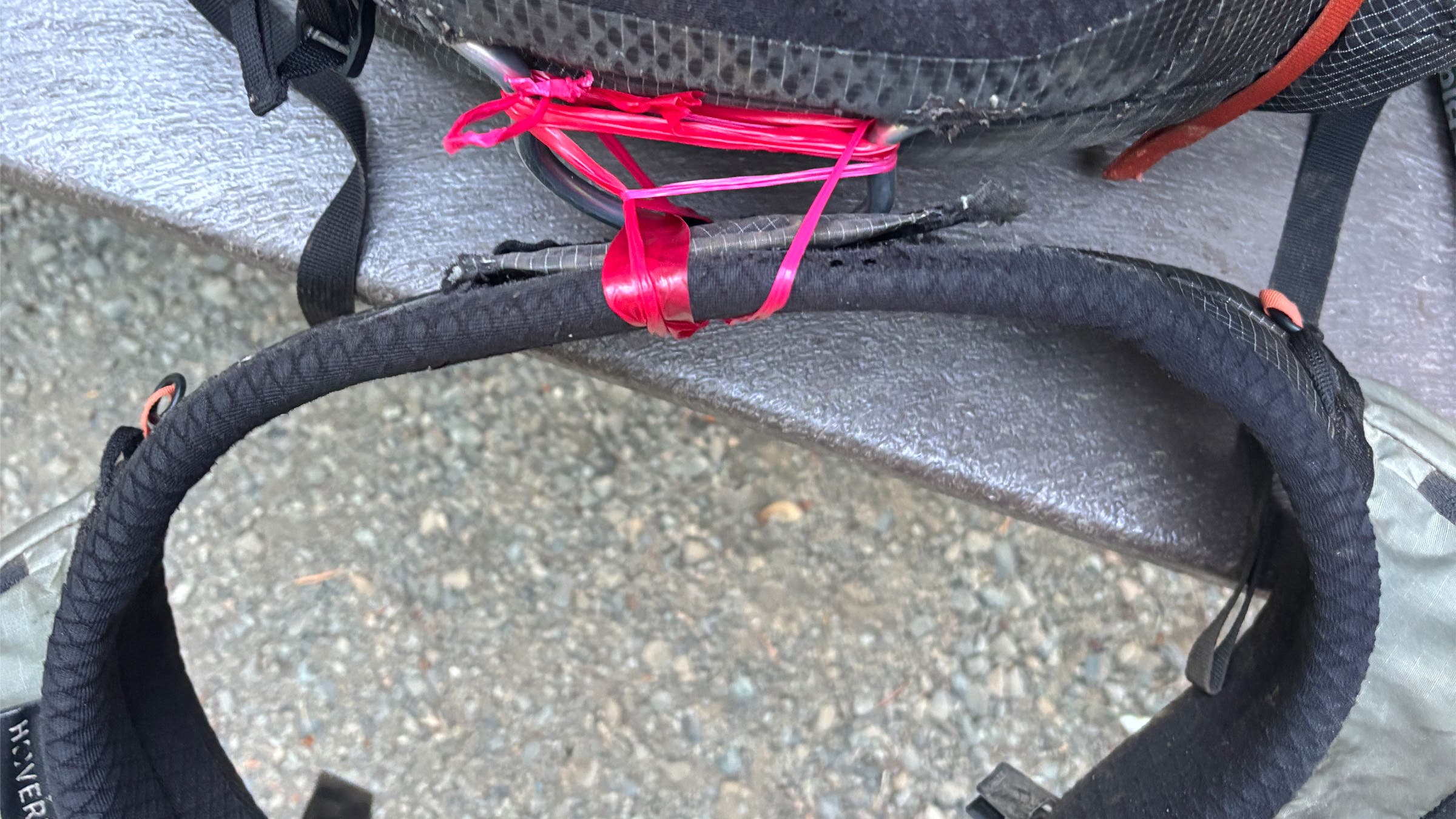
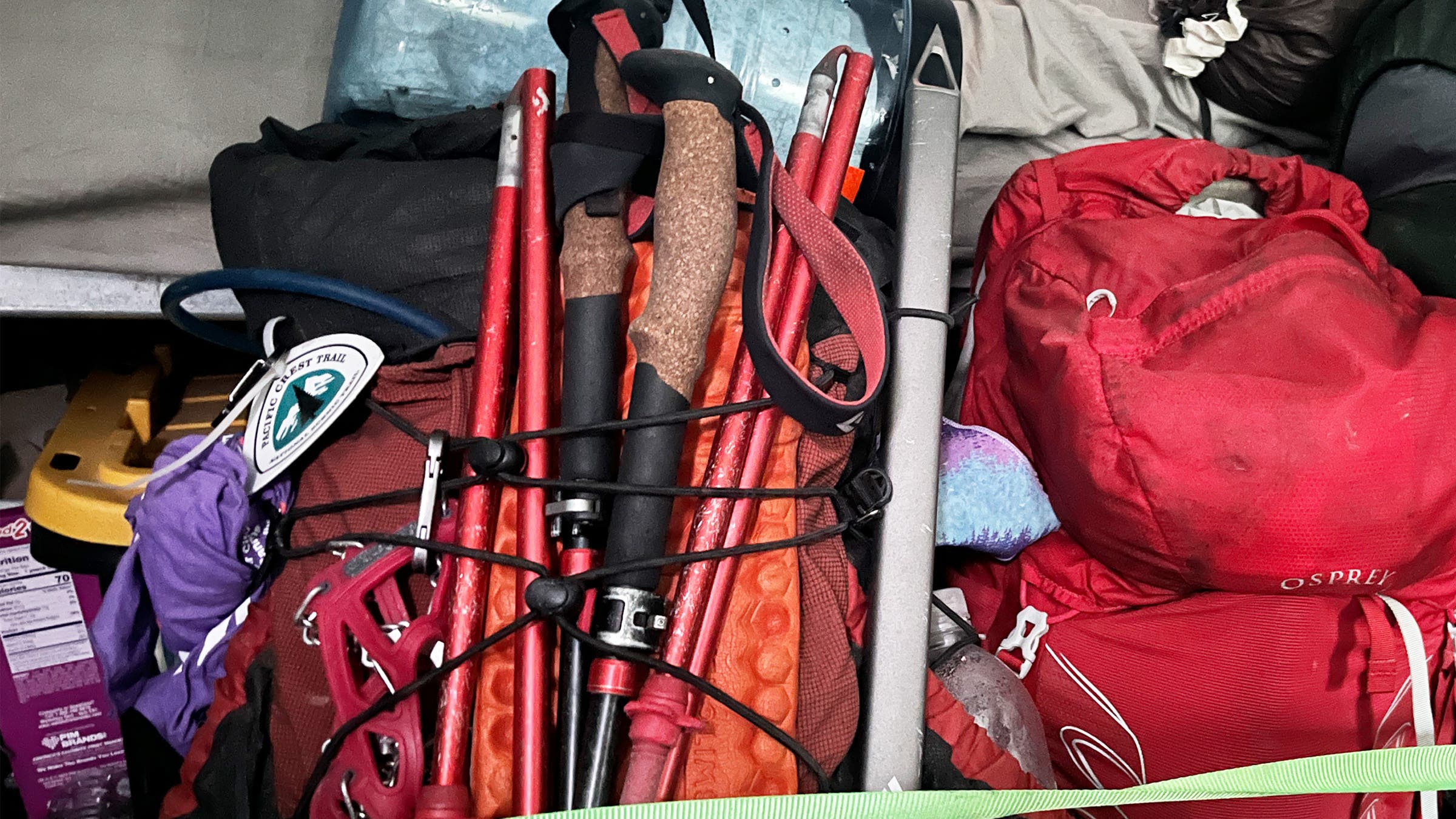
Over the years, I’ve discovered the perils of overloading a pack. On a 2025 hike of the Pacific Crest Trail, I carried a Superior Wilderness Designs Long Haul 50, rated for loads under 30 pounds. While I tried to pack as light as possible, some sections, like the Sierra Nevada, required a bear can, ice axe, extra winter gear, and more food, pushing me over that limit. Over time, the pack’s aluminum stays began to push through the housing and into my back (it also meant an uneven load on my shoulders.)
Wherever possible, pack light. Pack heavier items closer to your back and distribute weight evenly. Your heaviest item—usually a food bag or bear canister—should sit in the middle in your pack near your back. Try to fill empty space in your pack with softer objects, like your sleeping bag, quilt, or clothing. Carry even amounts of water in your side pockets to minimize how much your pack is pulling away from your body and putting stress on fabric and straps.
Try not to over-compress the pack. You want the pack to feel stable and compact, but not so tight something could snap. And when picking up the pack, try to use the haul loop at the top rather than the shoulder straps to avoid eventual seam failure.
Don’t Throw Your Pack
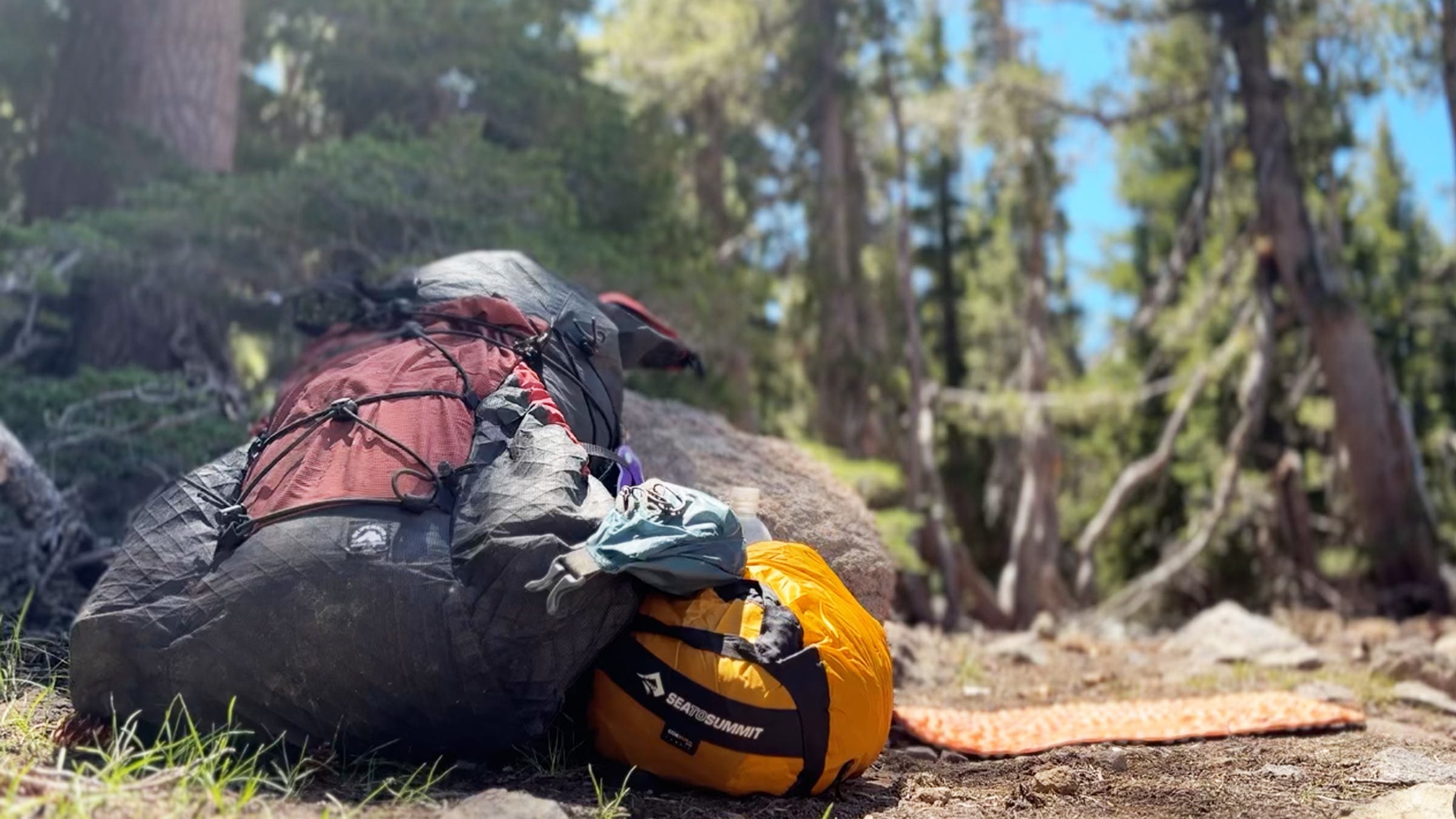
When you’re tired, all you want to do is rip your pack off and drop it on the ground. But over time, throwing your pack on the ground takes its toll: you could pop a hole in the pack, wear down the fabric till it rips, or your pack might take a tumble down the side of a trail. By taking the extra two seconds to set it down gently, you’re likely to avoid serious abrasions or tears.
You’re not the only one who abuses packs: If you’re flying to your trail, avoid checking your pack if you can. If you’re worried about items that can’t be carried on, such as hiking poles, ship them separately.
Keep it Clean
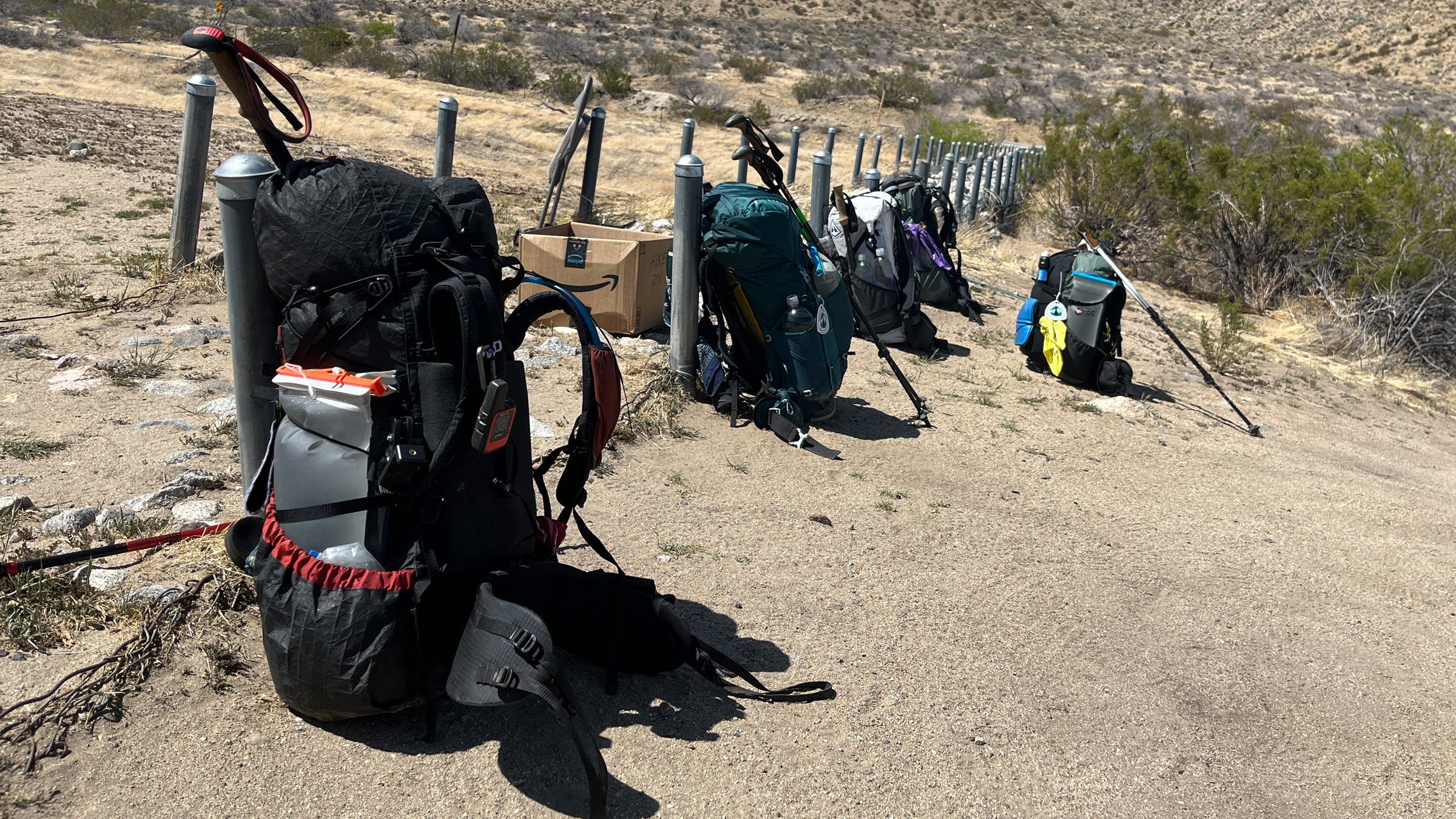
Early in my hiking career, I didn’t realize you could wash a backpack. As a result, my pack fabric and stitching slowly wore down from the dirt and sweat. While most thru hikers don’t think about cleaning their packs until their hike is over, if you are taking a zero day or two in town and have access to a tub or hose, rinse down the shoulder straps and back panel, where the most sweat accumulates. At the bare minimum, empty the pack of sand and dirt and leave it out in the sun to dry to help prevent funk and mold.
After my most recent thru hike, I removed the aluminum stays and gently sponged the pack with a tiny amount of unscented dish soap. (You can also use Castile soap or simply rinse with water.) I then rinsed it in the tub until the water ran clear and let it air dry. Beyond a rinse, specialized cleaners like Nikwax’s Tent & Gear Solarwash help protect your pack against UV damage—especially in hot desert climates like the PCT’s Section J in California. With high-tech ultralight laminates especially, avoid scrubbing aggressively or exposing your pack to heat.
Is It Me Or the Pack?
Sometimes pack failure is unavoidable. After a few weeks of wearing Mountain Hardwear’s Alakazam pack on the Pacific Crest Trail, the hip belt began to detach despite my careful packing. A few days of quad strain later, the hip belt completely fell off and I had to buy a new pack on my final town stop.
Some failures do come from how we use our gear, but others are design flaws. It’s always worth reaching out to the manufacturer if you’re having an issue. Most companies will have helpful advice and offer strong or lifetime warranties. If you are on a thru-hike, they’ll often expedite a repair or replacement so you can keep going.


