
India’s aggressive push toward E20, petrol blended with 20% ethanol, has hit a silent but significant speed bump. While major car brands publicly support the green initiative, recently surfaced internal communications via Reuters, reveal that industry heavyweights like Maruti Suzuki, Tata Motors, and Mahindra have privately raised serious concerns over fuel contamination that could wreak havoc on vehicle engines.
ALSO READ: Volkswagen Confirms Kylaq-Based Compact SUV Is Coming To India
Alarming Spikes in Chloride and Moisture
In what is arguably the most extensive independent fuel testing since E20 rolled out nationwide, automakers collected over 250 fuel samples from pumps across 21 states and Union Territories over the last year. The results highlighted startling levels of chloride and moisture.
While the government permits a maximum chloride level of just 3 parts per million (ppm), the collected data revealed massive spikes: up to 570 ppm in Rajasthan, 420 ppm in Delhi/NCR, and 357 ppm in Maharashtra. Moisture levels were equally troubling, hitting up to 13,000 ppm in Andhra Pradesh and 12,500 ppm in Uttar Pradesh, shattering the government’s 3,000 ppm limit.
Also Read: These Were The Best-Selling Cars In H1 2026, According To Their Fuel Type
What This Means for Your Car
For the everyday driver, this isn’t just an abstract chemistry problem; it’s a recipe for sudden, expensive breakdowns. High chloride is incredibly corrosive to internal engine components. Internal emails between auto executives noted that modern fuel injectors can only safely tolerate about 1 ppm of chloride. In extreme cases, organic chloride contamination was blamed for rapid engine failures within just 200 kilometers of driving.
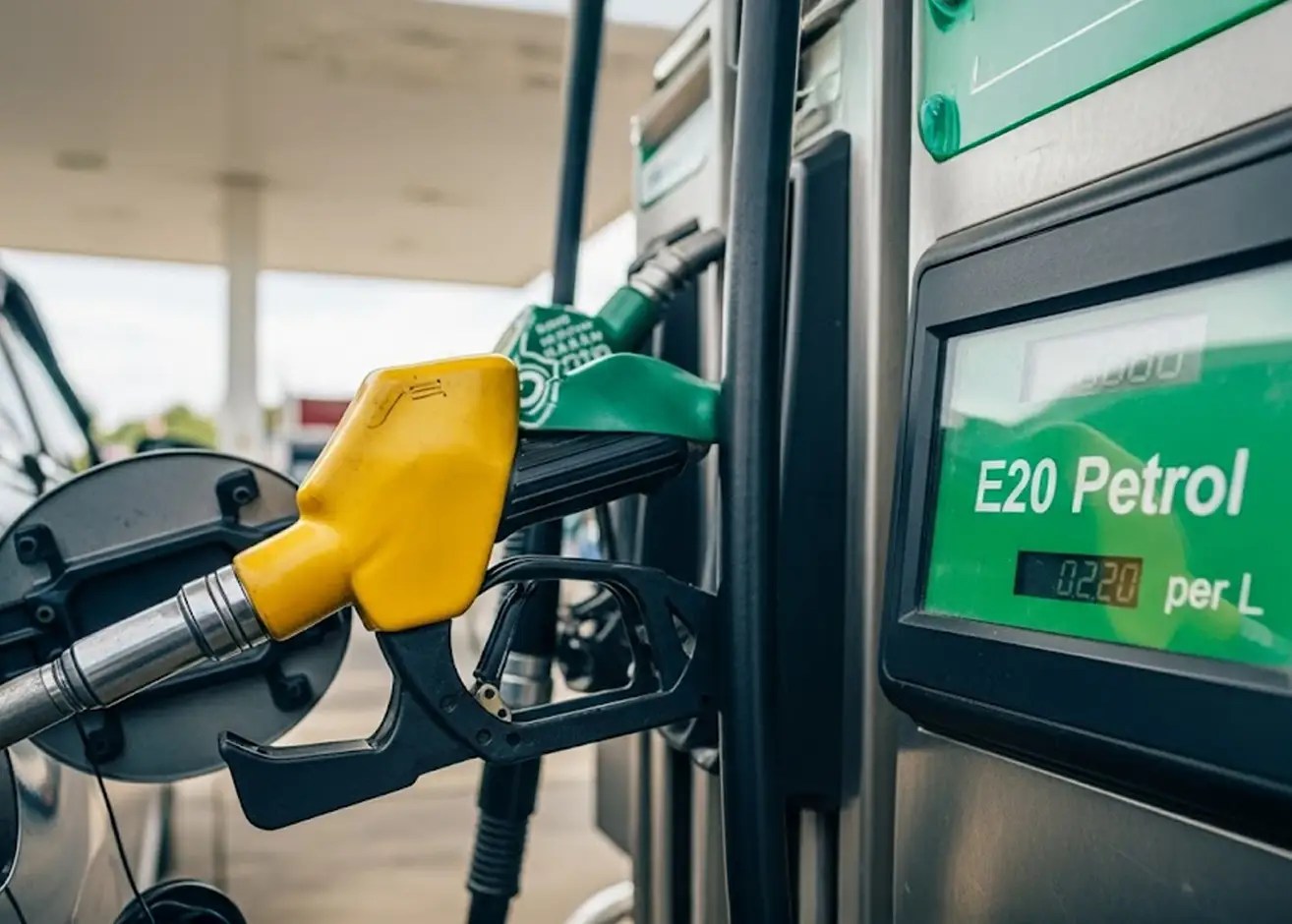
Excessive moisture is just as problematic, often causing vehicles to stall out immediately after a refill. The Society of Indian Automobile Manufacturers (SIAM) suspects that poor maintenance of underground storage tanks at local petrol pumps might be to blame for the water seeping into the fuel.
Also Read: First look At The Mahindra BE 07’s Massive Triple-Screen Interior
Official Pushback and Next Steps
Despite the worrying data, government and oil officials have strongly pushed back. Oil Marketing Companies (OMCs) have firmly rejected claims of widespread contamination after conducting their own nationwide tests. Furthermore, Petroleum Minister Hardeep Singh Puri recently stated that rigorous OMC checks yielded only four actual cases of contamination.
Meanwhile, SIAM has officially withdrawn its initial letter that urged the government to set stricter chloride limits, stating that their sample size wasn’t large enough to draw firm conclusions and that a more rigorous scientific study is being planned. For now, the transition to greener fuels continues, leaving consumers to hope the pumps stay clean.

You can follow Smartprix on Twitter, Facebook, Instagram, and Google News. Visit smartprix.com for the latest tech and auto news, reviews, and guides.


