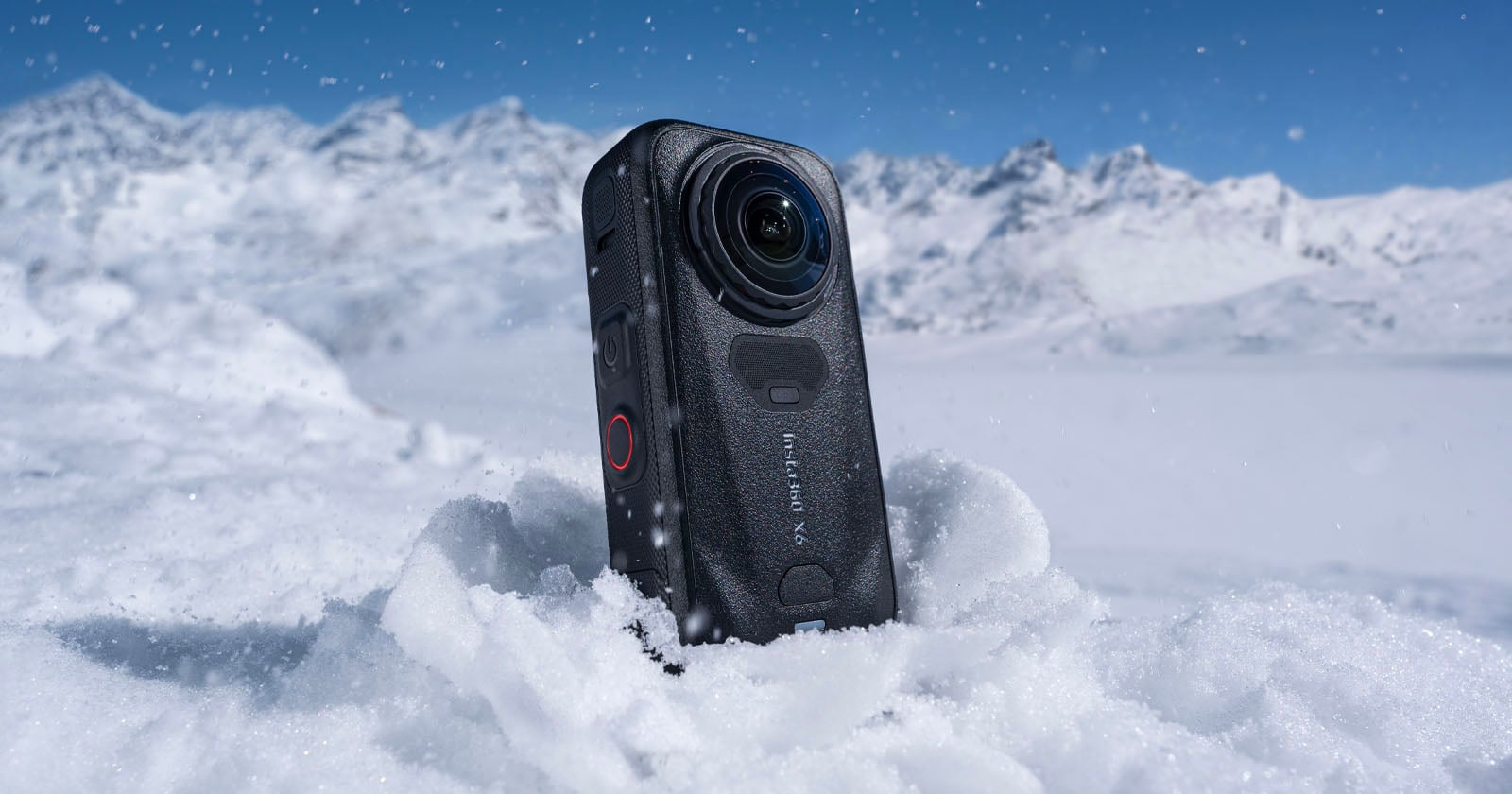
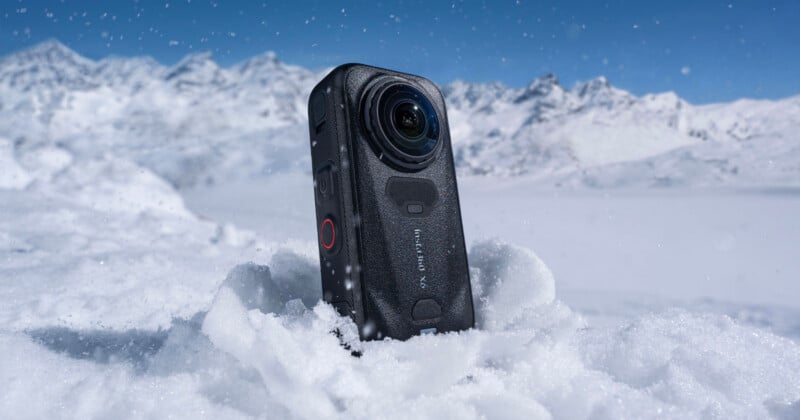
Insta360 has announced its new flagship 360-degree camera system: the X6. It’s smaller than the X5 and still promises significantly better image quality thanks to its bigger sensor and therefore its better light-gathering capability.
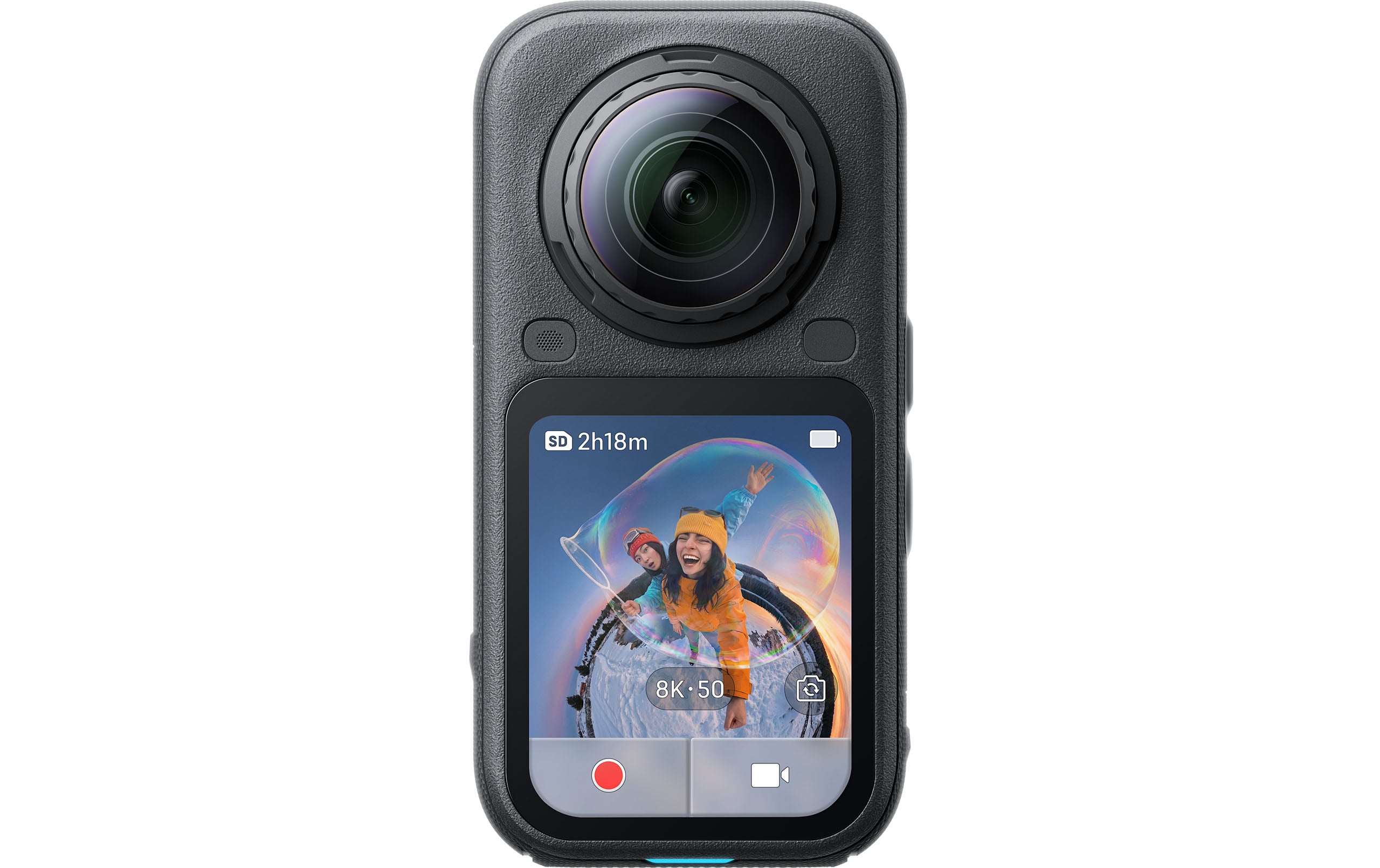
The Insta360 X6 makes major changes to the overall form factor, too. It’s significantly smaller despite boasting bigger sensors and better battery life. Starting with the sensors, the X6 uses what Insta360 describes as dual, custom Sony Type 1/1.1 square sensors to deliver a “full one-inch equivalent” for 360-degree image-making. Insta360 is playing a bit fast and loose with how sensor math works, but that is still 33% more sensor area than the X5 had, and the company says it results in four times the light intake per frame.
“Low light, harsh backlight, high contrast, all no issue for Insta360’s latest generation of 360 camera,” the company boasts.
The brain behind those sensors is Insta360’s chip, which has three parts: one 8-core 3.3GHz 4nm processor paired with two dedicated imaging chips. Together, the company says the processor has 500% more computing power than the X5, a 106% faster clock speed, and 35% lower power draw.
“The result shows up as sharper detail, cleaner color, and denoising that holds in the dark. A new low-light mode adds two ambient light sensors to cut flicker and pull more out of night scenes, while AdaptiveTone 2.0 meters each lens on its own and captures two exposures per frame for wider dynamic range,” Insta360 boasts.
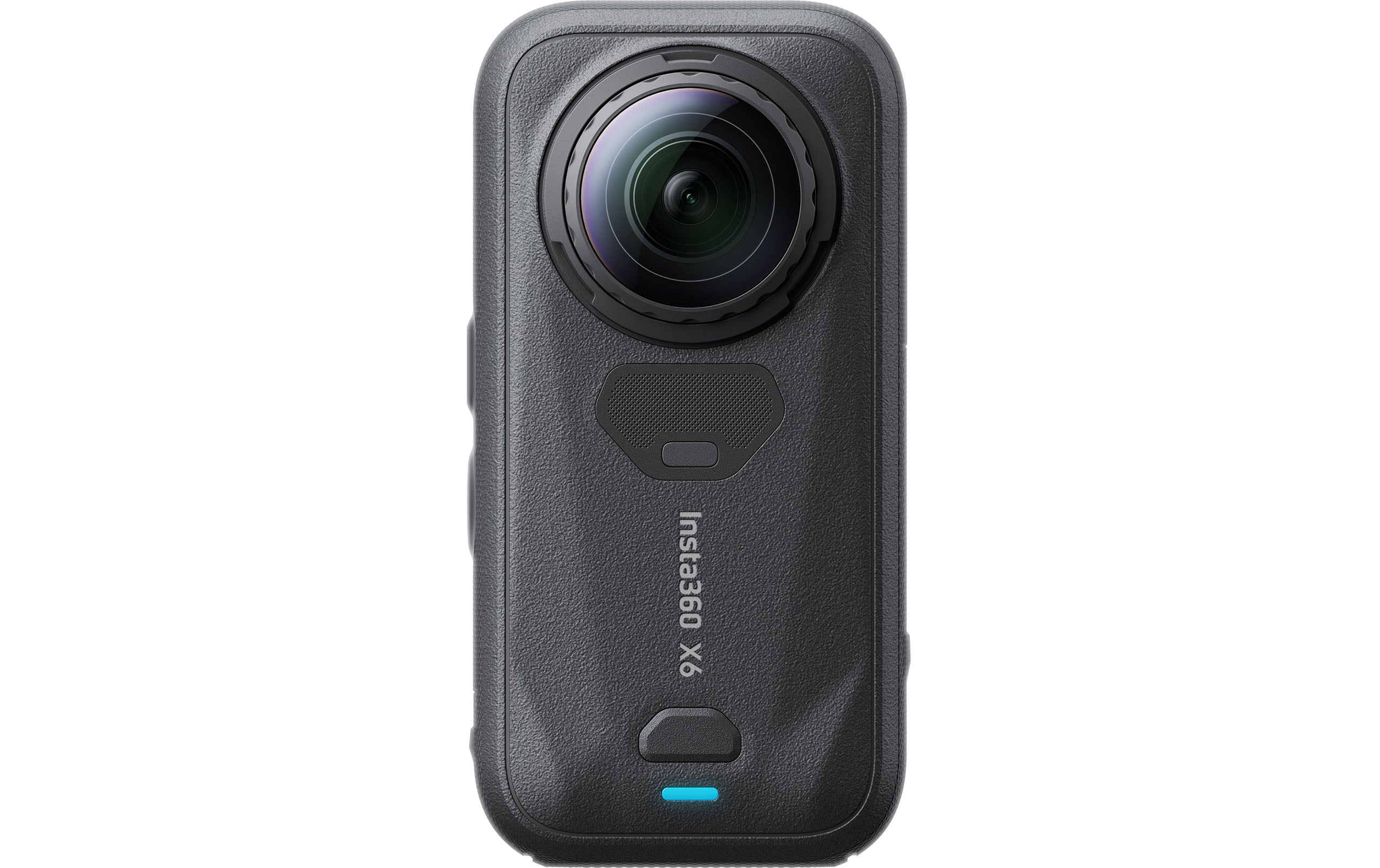
The X6 also has native support for Dolby Vision HDR, and Insta360 says that each frame’s metadata is dynamically analyzed to set contrast and brightness, which pairs with 10-bit color to deliver what the company characterizes as high-level end results.
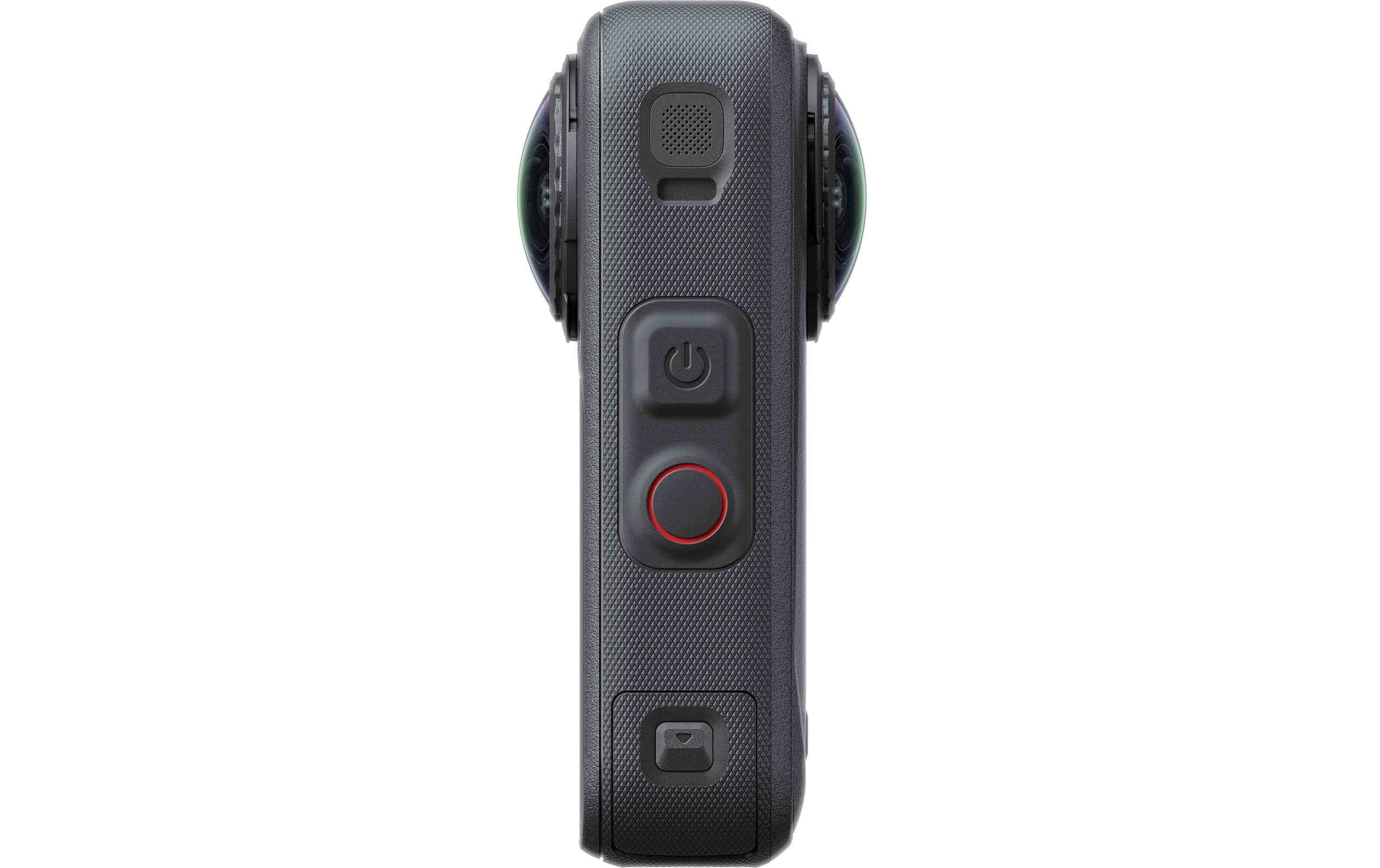
The display on the X6 is a 1,200-nit (peak) 2.32-inch OLED, while the internal battery promises to record 140 minutes of 8K30fps 360 video on a charge, which is 51% longer than the X5. It also supports fast charging that will go from empty to 80% in 24 minutes. As before, the lenses are replaceable if they get scratched, but Insta360 also says they are five times more scratch-resistant than before and 60% cheaper to replace if they do manage to get damaged.
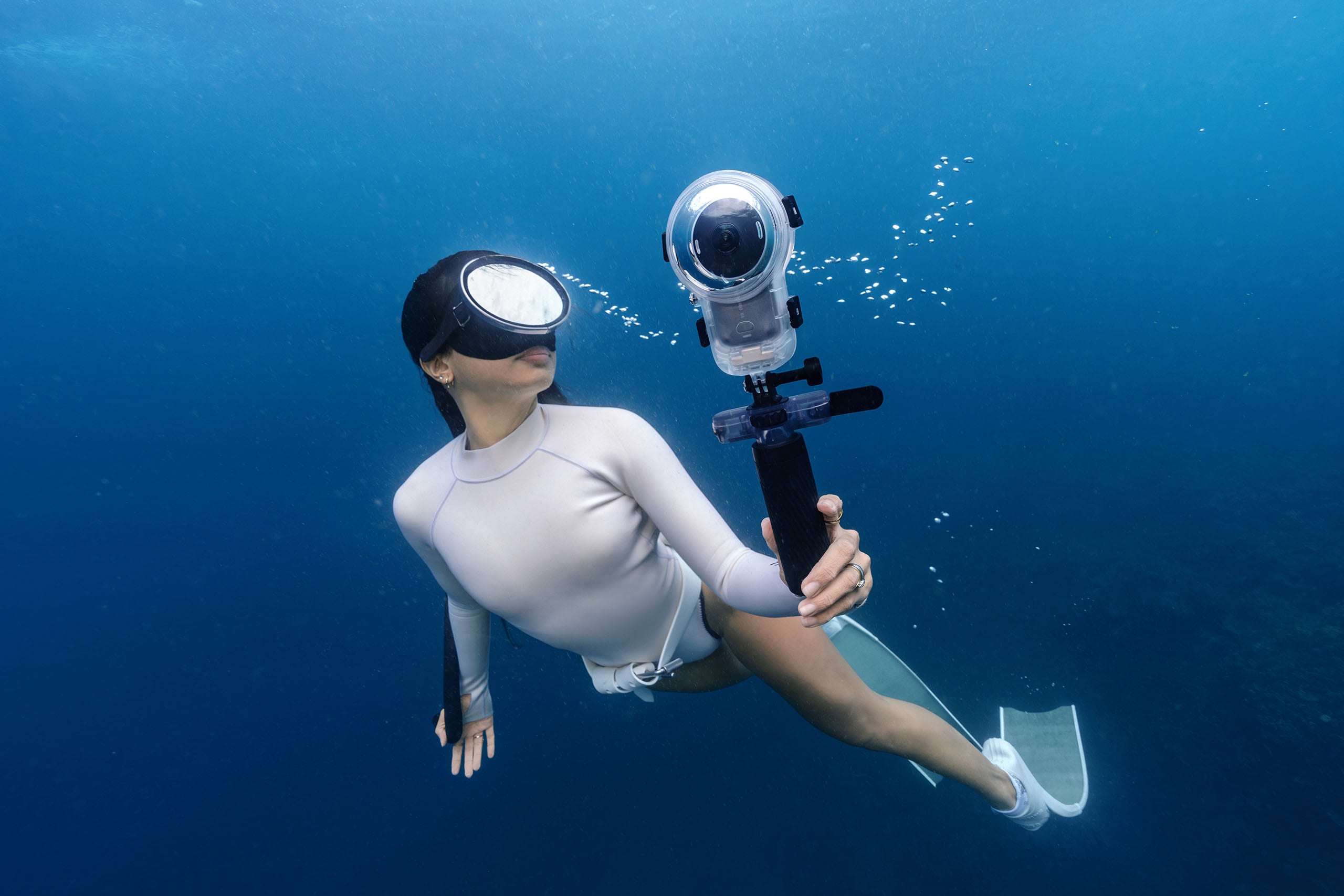
The X6 is waterproof to 20 meters without any special case (IP68 rated) and can descend to 60 meters with the Invisible Dive Case Pro.
A 3-in-1 Camera
Perhaps the biggest shift for Insta360 is how it is positioning the X6: it is leaning far more into the camera being more than a 360-degree capture device. This time, Insta360 says that the X6 is actually as good as having three cameras in one: a 360 camera, a subject-tracking gimbal camera, and a single-lens action cam.
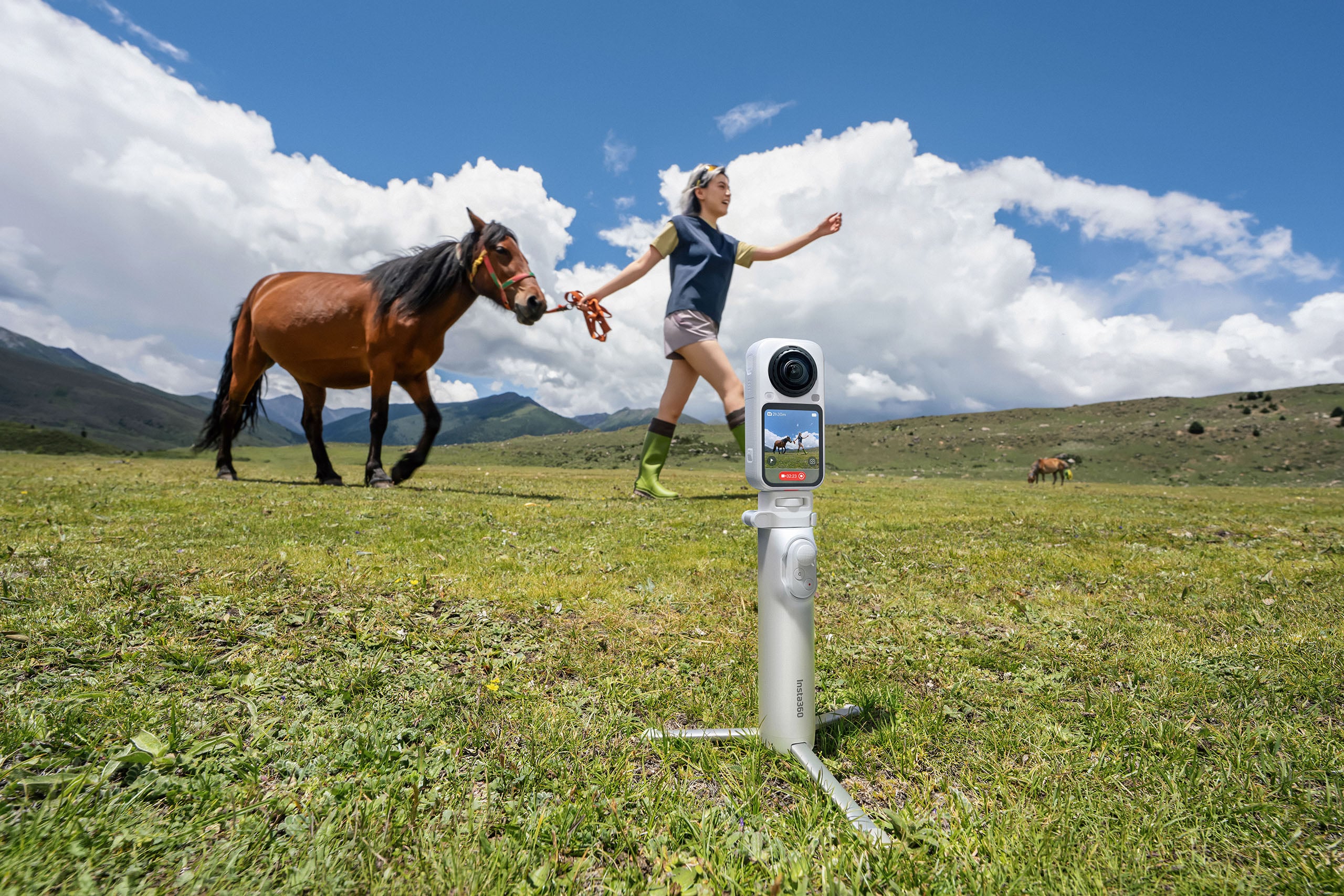
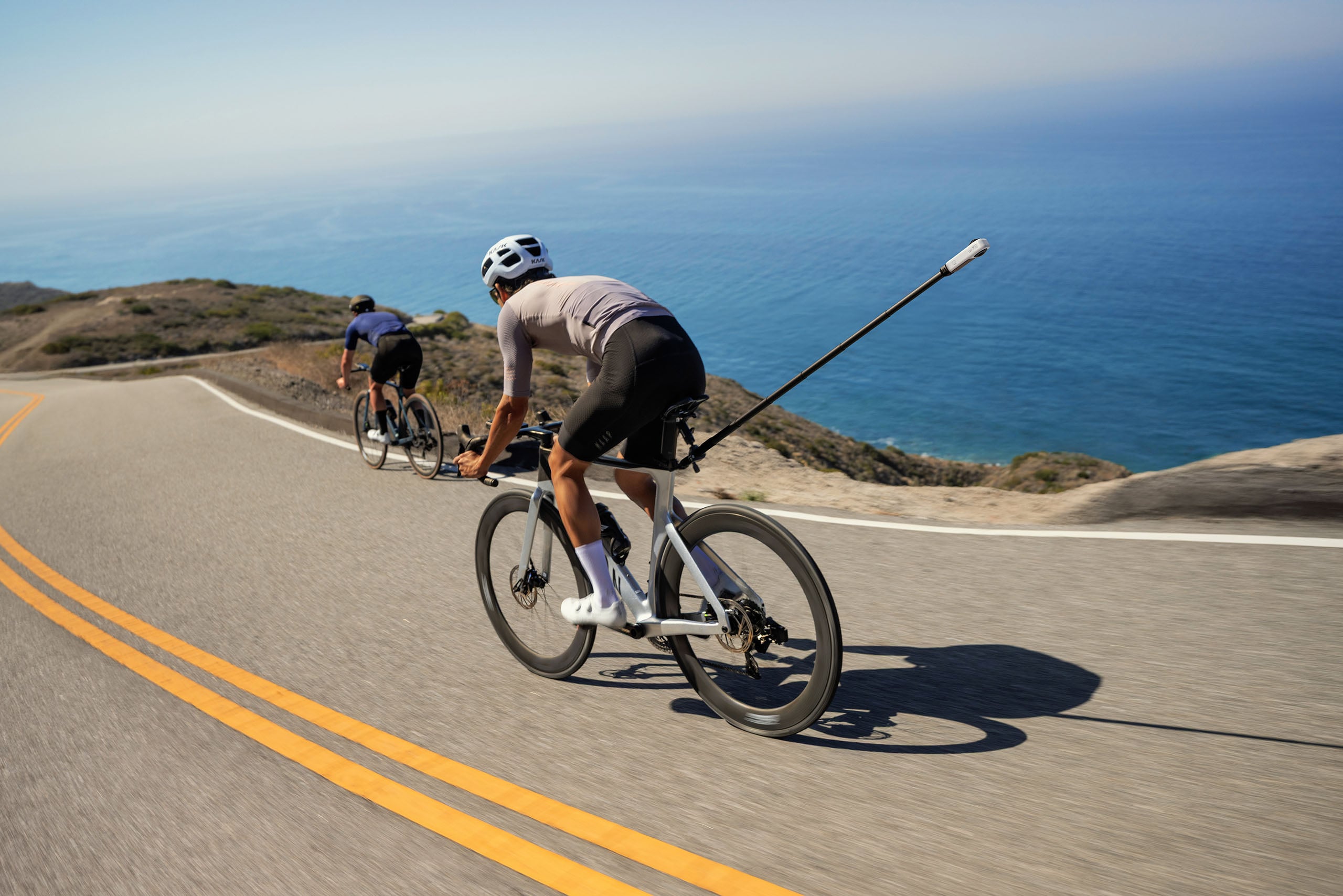
One of the strengths of Insta360’s platform is the “shoot now, reframe in the edit” mentality. The company is fully leaning into this with the X6, going so far as to market it at users who may be considering a DJI Osmo or even Insta360’s own Luna Ultra. Using the company’s InstaFrame technology, the camera can lock onto a subject (like people, pets, or objects) and produce a clean, flat 4K video file that would be akin to what a competing gimbal camera would produce.
Inst360 didn’t stop there: it also considers the X6 a competitor to a GoPro or any of the other action cameras on the market. It can be switched into a single lens mode to shoot at up to 5Kp60, drops down to 5Kp30 for a wide 170-degree field of view, or can go to 4Kp120 for slow motion capture.
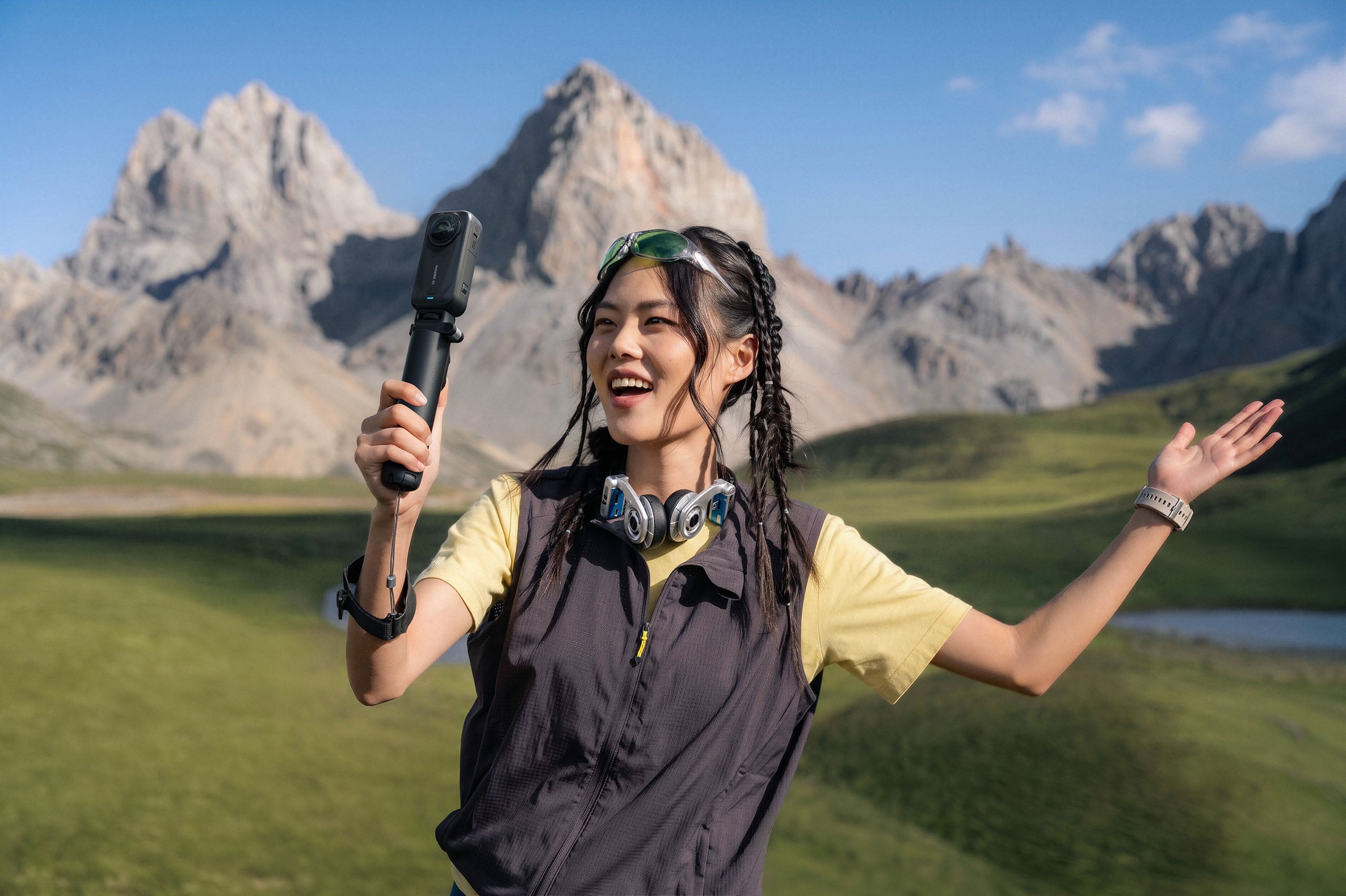
It is also, of course, a 360-degree camera.
“Between the body and the accessories built around it, X6 covers work that used to take a 360 cam, tracking gimbal, and an action cam, all in one pocket-sized solution,” Insta360 says.
“Zero-Edit”
Insta360 says that the X6 can, basically, edit footage for the user with what it calls “PanoMind.”
“Built in-house and trained on more than 10,000 hours of footage across 30-plus scenarios including travel, daily life, winter sports, motorcycling, diving, and cycling, PanoMind is the first 360-native AI model to understand a full spherical scene rather than a flat frame,” Insta360 claims.

“Plug X6 in to charge and AI Director, the auto-edit engine inside PanoMind, builds a highlight edit from the footage on the camera and delivers the finished clips to the Insta360 app. Analysis runs on the camera itself rather than in the cloud, and the feature can be switched off at any time. No backlog, no timeline, no waiting.”
Pricing and Availability
The Insta360 X6 is on sale starting today, August 12, in black or white and starts at $670.
Affiliate Disclosure PetaPixel articles may include affiliate links; we may earn a commission if you buy through one.


