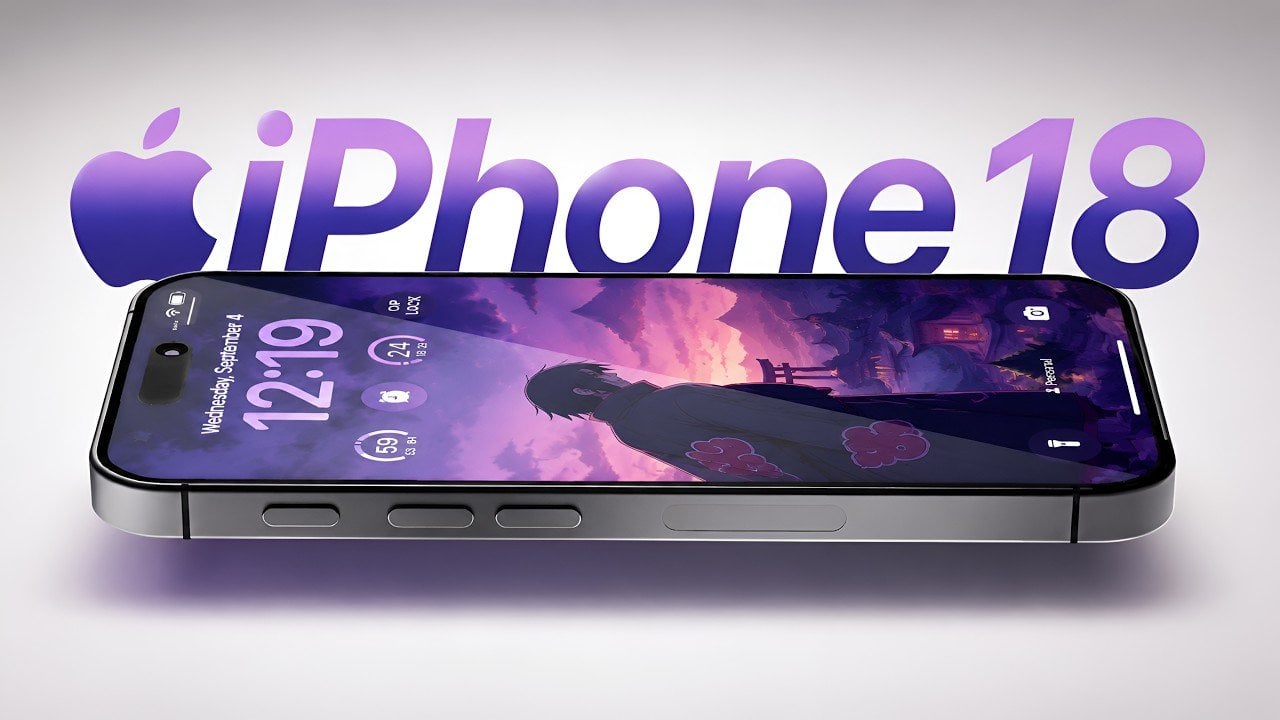
Apple’s iPhone 18 Pro Max introduces a new era of smartphone innovation, powered by the innovative A20 Pro chip. Built using TSMC’s advanced 2-nanometer process and featuring GAA (Gate-All-Around) transistor technology, this chip promises to deliver faster speeds, enhanced energy efficiency and longer battery life. However, these technological advancements come with a significant price increase, prompting important questions about value and affordability.

A20 Pro Chip: The Heart of Next-Level Performance
The A20 Pro chip is designed to deliver an 18% performance boost over its predecessor, the A19 Pro. This improvement translates into faster app launches, smoother multitasking, and the ability to handle resource-intensive tasks such as gaming, video editing, and augmented reality applications with ease.
Beyond raw speed, the A20 Pro chip is engineered for efficiency, reducing power consumption by up to 30%. For you, this means a device that not only performs better but also lasts longer on a single charge. Whether you’re a professional managing multiple apps or a gamer seeking uninterrupted play, the A20 Pro chip ensures a seamless and reliable experience. Additionally, the chip’s ability to maintain consistent performance under heavy workloads means fewer interruptions and a smoother overall user experience.
Breakthrough Technology: 2-Nanometer Process and GAA Transistors
The A20 Pro chip’s remarkable performance and efficiency gains are made possible by two new innovations: TSMC’s 2-nanometer manufacturing process and GAA transistor technology. The 2-nanometer process allows for a higher density of transistors within the chip, increasing computational power while simultaneously reducing energy consumption. This advancement enables the iPhone 18 Pro Max to perform complex tasks more efficiently than ever before.
GAA transistors, on the other hand, represent a significant leap in transistor design. By improving current control, these transistors enhance both performance and power efficiency. For you, this means a device that operates cooler during demanding tasks, delivers longer battery life and provides a more stable and responsive experience. These technological advancements not only elevate the iPhone 18 Pro Max’s capabilities but also set a new benchmark for the smartphone industry.
The Cost of Innovation: A Higher Price Tag
While the A20 Pro chip represents a significant leap forward in smartphone technology, the advanced manufacturing processes involved come with higher production costs. TSMC’s 2-nanometer process is considerably more expensive than previous methods, contributing to a substantial increase in the overall cost of the iPhone 18 Pro Max. Industry reports suggest that production costs for the device have risen by as much as 40%.
As a result, the starting price of the iPhone 18 Pro Max is rumored to be $1,399, a notable increase compared to earlier models. For you, this means carefully evaluating whether the enhanced performance, efficiency, and battery life justify the higher price. While the device offers innovative features, the premium cost may not align with every budget, making it essential to weigh the benefits against the financial commitment.
Is the iPhone 18 Pro Max Right for You?
The iPhone 18 Pro Max offers a compelling combination of advanced performance, energy efficiency, and extended battery life, making it an attractive option for those seeking a high-end smartphone experience. However, the increased price requires careful consideration. Here are some key factors to help you decide:
- Performance Demands: If you rely on your smartphone for demanding tasks such as gaming, video editing, or professional multitasking, the A20 Pro chip’s enhanced capabilities could significantly improve your productivity and user experience.
- Battery Priorities: The improved power efficiency may appeal to you if longer battery life is a critical factor in your daily usage.
- Budget Constraints: If the higher price stretches your budget, it’s worth assessing whether the performance improvements align with your specific needs and usage patterns.
- Future-Proofing: Investing in the latest technology could extend the device’s usability over time, potentially reducing the need for frequent upgrades.
Ultimately, the decision to upgrade to the iPhone 18 Pro Max will depend on your individual priorities and how much value you place on innovative performance and efficiency. While the device offers undeniable advancements, the premium price may not be justifiable for everyone.
Balancing Innovation and Affordability
The iPhone 18 Pro Max, powered by the innovative A20 Pro chip, represents a significant milestone in smartphone technology. With its 2-nanometer process and GAA transistor technology, the device delivers faster performance, improved energy efficiency, and extended battery life. These advancements cater to users who demand top-tier functionality and reliability in their devices.
However, the higher production costs associated with these innovations have resulted in a price increase that may not suit every budget. For you, the decision to invest in the iPhone 18 Pro Max will depend on your specific needs, priorities, and financial considerations. If innovative technology and superior performance are essential to your daily life, this device could be a worthwhile investment. On the other hand, if cost is a significant factor, it may be worth exploring alternative options or waiting for future iterations.
The iPhone 18 Pro Max exemplifies Apple’s commitment to pushing the boundaries of what a smartphone can achieve. While it comes at a premium, it offers a glimpse into the future of mobile technology, blending innovation with practicality for those who demand the best.
Learn more about iPhone 18 Pro Max with other articles and guides we have written below.
Source & Image Credit: Demon’s Tech
Filed Under: Apple, Apple iPhone, Mobile Phone News, Top News
Disclosure: Some of our articles include affiliate links. If you buy something through one of these links, Geeky Gadgets may earn an affiliate commission. Learn about our Disclosure Policy.


