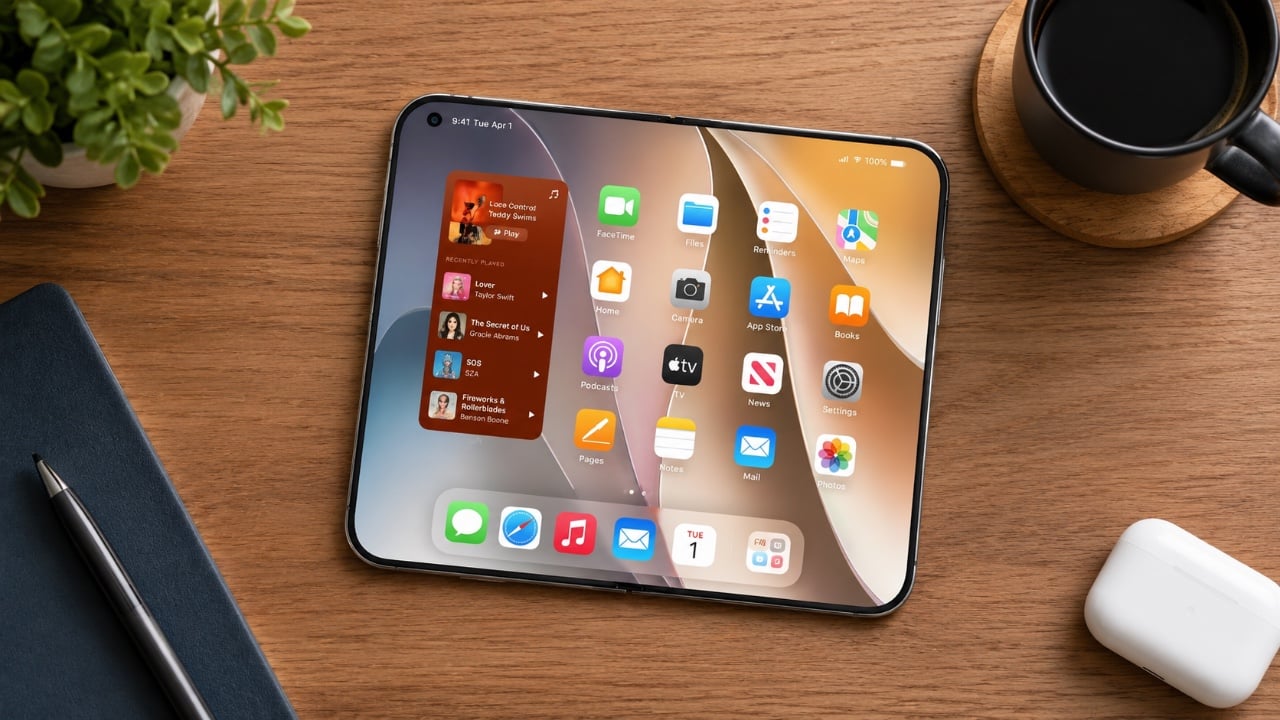
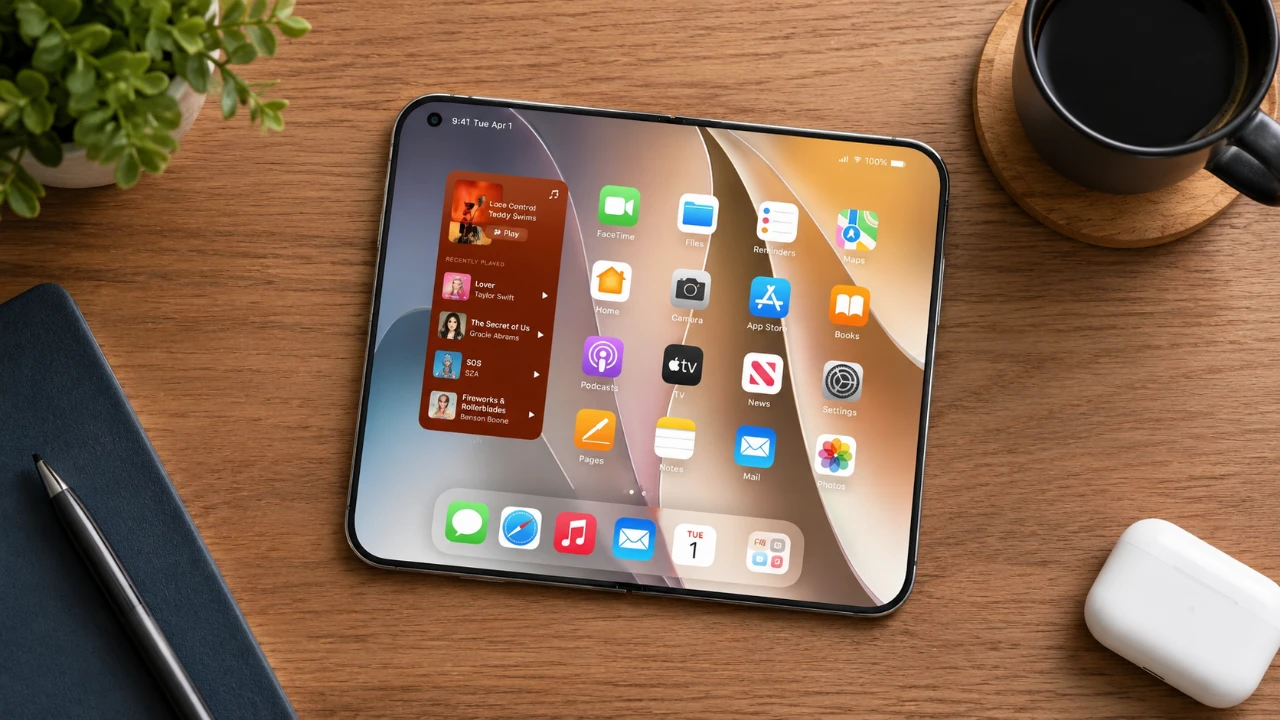
Apple’s rumored iPhone Ultra, its anticipated debut in the foldable phone market, has sparked widespread interest and debate. This device is expected to combine Apple’s renowned design philosophy and ecosystem with the flexibility of foldable technology. However, questions linger about Apple’s approach: will the company fully embrace the foldable form factor, or will it limit the device’s functionality to safeguard its existing product lineup? The iPhone Ultra has the potential to redefine the foldable market, but it also risks falling short of expectations. The video below from Jon Valiagas gives us more details on what Apple has planned for the iPhone Ultra.

Key Features and Specifications
The iPhone Ultra is rumored to feature a blend of innovative hardware and thoughtful design, consistent with Apple’s reputation for innovation. Here’s what is currently known about its specifications:
- Display: A 5.5-inch external cover screen paired with a 7.5-inch internal foldable display, both using Samsung’s advanced flexible OLED technology for vibrant visuals and seamless transitions.
- Authentication: Touch ID integrated into the power button, a practical solution given the challenges of implementing Face ID in a foldable design.
- Performance: Powered by the A20 chip, built on an innovative 2nm process, promising exceptional speed, efficiency, and thermal management.
- Connectivity: Equipped with the C2 modem, designed to deliver faster and more reliable network performance, particularly in 5G environments.
- Camera: Dual 48MP rear cameras (wide and ultrawide) engineered for professional-grade photography and videography.
- Battery: A 5,500mAh dual-cell battery optimized to balance longevity with the high energy demands of foldable displays.
- Memory: 12GB of RAM, making sure smooth multitasking and the ability to handle resource-intensive applications.
These features suggest a device tailored for power users, but the real challenge lies in how Apple integrates these components into a seamless and intuitive user experience.
How It Stacks Up Against Competitors
The iPhone Ultra will inevitably face comparisons with established foldable devices, particularly Samsung’s Galaxy Z Fold series. Both devices are expected to share core features, such as flexible OLED screens and multitasking capabilities. However, Apple’s ecosystem integration could provide a significant advantage. The company’s ability to deliver seamless connectivity across its devices, such as iPhones, iPads, Macs and Apple Watches, has long been a hallmark of its success. This could address a common shortcoming of Android-based foldables, which often struggle with inconsistent app optimization and fragmented user experiences.
Additionally, Apple’s emphasis on software refinement could elevate the foldable experience. While Samsung has made strides in improving multitasking on its foldables, Apple’s expertise in designing intuitive interfaces may result in a more polished and user-friendly implementation.
Challenges Facing Foldable Devices
Despite its promise, the iPhone Ultra will face several challenges inherent to foldable technology. These include:
- Durability: Foldable displays and hinge mechanisms remain vulnerable to wear and tear, raising concerns about long-term reliability and repairability.
- Battery Life: While the dual-cell battery design aims to meet the demands of foldable screens, achieving consistent all-day performance could prove difficult.
- Cover Display Usability: The 5.5-inch cover screen may feel restrictive for tasks requiring precision, such as typing or extended browsing.
- App Optimization: Developers will need to adapt their apps to support dual-screen and split-screen environments, a challenge that has hindered the adoption of Android foldables.
These obstacles underscore the complexities of foldable technology, even for a company with Apple’s extensive resources and expertise. Overcoming these challenges will be critical to the iPhone Ultra’s success.
Apple’s Opportunity to Lead
Apple has a unique opportunity to redefine the foldable market by using its strengths in hardware-software integration. The company’s approach could address many of the shortcomings seen in existing foldables. For instance:
- Hybrid Operating System: A potential blend of iOS and iPadOS could unlock new possibilities for productivity, offering users a hybrid experience that bridges the gap between smartphones and tablets.
- Enhanced Multitasking: Apple’s focus on intuitive design could make split-screen functionality more accessible and efficient, appealing to both casual and professional users.
- Battery Optimization: Apple’s expertise in energy efficiency could mitigate the power challenges associated with foldable devices, making sure longer battery life without compromising performance.
However, there is speculation that Apple might limit the iPhone Ultra’s capabilities to avoid cannibalizing its iPad lineup. Such a strategy could restrict the device’s potential and alienate users seeking a true hybrid experience.
Potential Impact on the Foldable Market
Apple’s entry into the foldable market could have far-reaching implications. The company’s reputation for setting industry standards may encourage developers to prioritize app support for foldable devices, addressing a key pain point for the broader market. This ripple effect could benefit competitors like Samsung and Google, fostering innovation and accelerating the adoption of foldable technology.
The iPhone Ultra’s success will largely depend on its positioning. If marketed as a hybrid device capable of replacing both a smartphone and a tablet, it could attract a wide range of users. On the other hand, if it is perceived as merely a foldable iPhone with limited functionality, it may struggle to justify its likely premium price tag.
The Broader Market Context
Foldable devices are no longer a niche category. Consumer interest has grown steadily, with companies like Samsung paving the way for mainstream adoption. Apple’s entry into this space could serve as a tipping point, bringing foldables into the spotlight for a broader audience. The iPhone Ultra has the potential to set new benchmarks for design, performance, and usability, influencing the future trajectory of foldable technology.
Speculation and Unanswered Questions
As anticipation builds, several questions remain unanswered about the iPhone Ultra’s pricing, features and market positioning. Key points of speculation include:
- Will Apple target early adopters with a premium price, or aim for broader market appeal?
- How will the company balance innovation with protecting its existing product lineup, particularly the iPad?
- Can Apple overcome the durability and usability challenges that have plagued other foldable devices?
The iPhone Ultra represents a pivotal moment for Apple and the foldable market as a whole. Its success, or failure, will shape the future of foldable devices, influencing consumer expectations and industry standards for years to come.
Here are additional guides from our expansive article library that you may find useful on iPhone Ultra.
Source: Jon Valiagas
Filed Under: Apple, Apple iPhone, Playstation, Top News
Disclosure: Some of our articles include affiliate links. If you buy something through one of these links, Geeky Gadgets may earn an affiliate commission. Learn about our Disclosure Policy.


