

A total of 68% of Americans say home energy costs, including electricity and natural gas, have put pressure on their household budgets. Add Goldman Sachs’ prediction that the AI infrastructure boom could push electricity costs up by 6% between 2026 and 2027, and concerns around rising bills become easier to understand. The good news? Smart thermostats can cut heating and cooling costs by around 8%.
Whether you end up choosing Nest or ecobee, you’re already taking a step toward lower energy bills and a home that takes a little less effort to keep comfortable.
Quick verdict

Last winter, I had to wear a hoodie just to sit in my bedroom without a blanket. Today, I’m typing on my MacBook and thinking about grabbing the remote because the room feels too warm. With my bedroom staying cold in winter and overheating in summer, ecobee’s included SmartSensor, which tracks both occupancy and temperature, should make a difference.
Nest suits you better if you want a thermostat that learns your habits without much effort. After about a week of small adjustments, it starts building a schedule on its own. It’s also a natural choice if you already use an Android phone or other Google devices.
Evening out the cold bedroom
Most homes don’t have the same temperature in every room. Instead, there’s usually one bedroom that’s always too cold or one office that gets too warm, while the thermostat sits somewhere else and never notices. Both ecobee and Nest offer wireless sensors you can place in problem rooms, and both charge extra if you want additional sensors. The difference is what each sensor measures.
ecobee’s SmartSensor tracks both temperature and occupancy. In other words, the system prioritizes the room where someone is present.
Nest’s Temperature Sensor measures temperature only, so you either average readings across rooms or create schedules that tell the thermostat which room matters at different times of day. That extra occupancy data gives ecobee an advantage if one room always feels uncomfortable while another sits empty.
How much setup work falls on you
Nest is for people who don’t want to spend time programming a thermostat. You adjust the temperature for about a week, and it starts picking up your routine to create a schedule on its own. It won’t get everything right immediately, but most homes can reach a comfortable routine within a few days.
ecobee requires more input at the beginning. Its Schedule Assistant also learns from your habits, but it gives you suggestions that you need to approve. Some of the more advanced settings are also easier to access through the web browser instead of the mobile app.
Keeping the automation from overruling you
Did you know your savings can change based on your climate, comfort preferences, daily routine, and HVAC system? Aggressive automation is how a smart thermostat backfires. Both brands chase savings with setbacks, letting a home drift cooler overnight in winter and warmer in summer. A setback that goes too deep can leave a heat pump or a radiator system running all day trying to catch up, wiping out the savings.
Some Nest owners run into a frustrating issue where the thermostat changes their settings to save energy. Figuring out why it happened can mean checking geofencing, Eco mode, and Home and Away routines to see which feature changed the temperature.
ecobee takes a different approach. It uses humidity readings to adjust comfort without needing to lower or raise the temperature as much, and it waits for your approval before making schedule changes. If you prefer a thermostat that gives you more control, ecobee is the better choice because it suggests changes instead of making them for you.
Voice control and smart-home fit
ecobee’s top model also works as a smart speaker, with a built-in microphone and support for Siri or Alexa. It can play Spotify and stream audio over Bluetooth straight from the thermostat. Nest skips the speaker and microphone, which some people see as a benefit.
A voice assistant mounted on your wall is either useful or something you’d rather avoid, and your preference depends on how comfortable you’re with having another smart device listening at home.
On platform reach, the two run closer than the branding suggests. ecobee covers Apple Home, Alexa, Google Assistant, and SmartThings while the current Nest works through Google Home, Apple Home, or any Matter-compatible app. Call it ecobee on breadth and Nest on restraint, then let the microphone question settle the criterion for you.
Wiring and what your HVAC will accept
ecobee’s Premium model works with over 95% of systems and puts the Power Extender Kit in the box for homes with no common wire. Nobody enjoys discovering a wiring gap with the furnace already switched off.
Google’s newer Nest units lean on Power Sharing to run without a common wire in most homes, and the cheaper Nest Thermostat is rated for around 85% of systems. Owners of older or zone-controlled setups still end up requesting a power accessory after the fact, and sensitive modern HVAC gear is happier with a proper wire anyway.
Living with the brand for a decade
Installation quality, climate, and maintenance habits all affect how long a thermostat lasts, but the company behind it matters too. A thermostat should be something you install, set up, and forget. The question is whether ecobee and Nest make that possible.
ecobee has a strong track record with older models. The company still supports its first-generation hardware, continues sending software updates to older thermostats, and includes a three-year warranty. Longevity is easy to ignore until the day a device stops working or loses support.
Nest has a more complicated history. Some early owners have reported losing features over time, while the move from the original Nest app to Google Home frustrated people managing multiple thermostats across different homes.
Where Nest wins
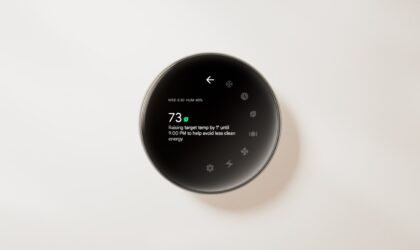
Google Nest Learning Thermostat (4th gen)
You install a Nest thermostat, spend a week correcting small mistakes, and then let AI automation take over. That works well for homes with an open floor plan, steady temperatures, and owners who don’t want to keep adjusting settings. Think about choosing a thermostat for your grandmother, who isn’t the right candidate for changing geofencing settings.
If you’ve ever walked from room to room turning the heat or AC on and off, you know the feeling of leaving the house and wondering if you forgot something. Your Nest thermostat lowers the temperature when you leave for work and warms the house before you return—the kind of “set it and forget it” experience you want, right?
The hardware itself is also easy to appreciate. The twist-and-push ring feels natural, and the display wakes as you walk by, showing information like the weather from across the room.
Google’s ecosystem is another reason to choose Nest. Doorbells, speakers, and smoke detectors can work together without extra setup. For example, a routine can turn off the HVAC system when a smoke alarm detects a problem, helping reduce airflow during an emergency.
Where ecobee wins
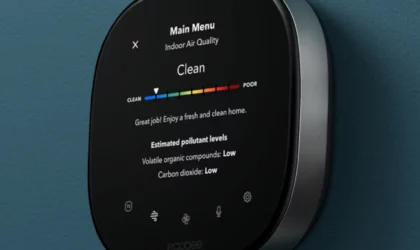
ecobee Smart Thermostat Premium
ecobee makes more sense if every room in your house feels different. My living room catches plenty of sunlight, so during winter it stays warmer than the rest of the house and doesn’t need as much heat from our gas boiler. My bedroom, meanwhile, gets very little sunlight, so I often turn on an electric space heater before I can step inside.
A single thermostat in the hallway can’t account for differences like that. ecobee’s SmartSensors measure both temperature and occupancy, so the system pays attention to the rooms people are actually using instead of only the room where the thermostat is mounted.
It’s also a better choice if you want to stay in control. Instead of changing your schedule on its own, ecobee suggests adjustments and lets you decide whether to accept them. Eco+ also considers humidity, which can help your home feel comfortable without changing the temperature as much.
If you live in an older house, ecobee has another advantage. It includes a Power Extender Kit in the box, so you may not need extra hardware if your home doesn’t have a C-wire.
My final verdict
ecobee is the better buy for most homes, and occupancy sensing is the reason.
Uneven temperatures are the complaint that drives people to a smart thermostat in the first place, and ecobee answers with a sensor that knows whether anyone is in the room.
Nest earns the nod when you want zero involvement and already run a Google household, and there’s no shame in choosing the quieter path.
The move to avoid is buying the flagship of either range for a small, well-insulated apartment where one sensor already gauges the whole place just fine.


