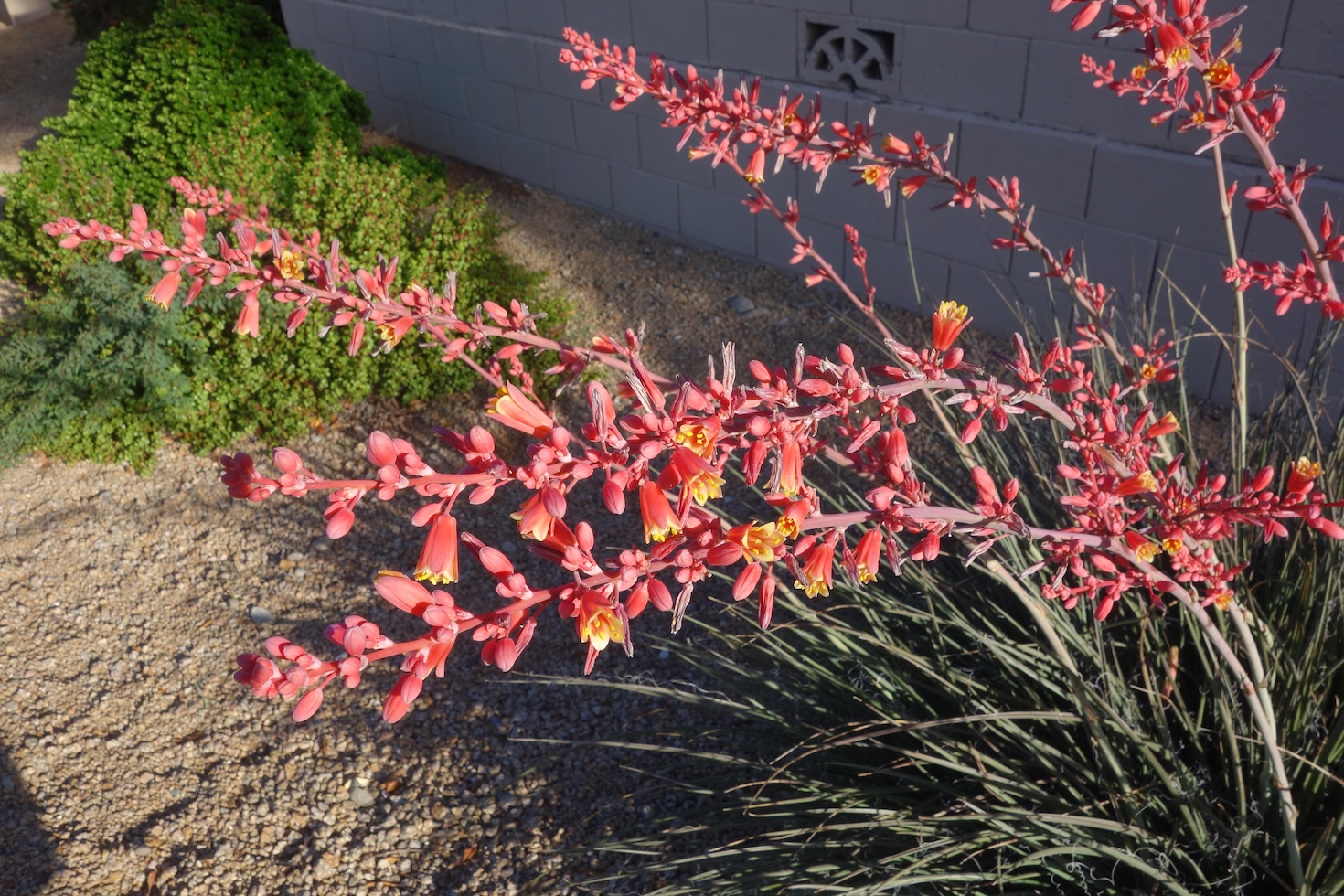
Two years after making a “natural forest-free” paper sourcing commitment, Kimberly-Clark is building a manufacturing plant to scale its use of hesperaloe, one of 70 regenerative natural fibers it has tabbed as an alternative to wood pulp.
The consumer products company hasn’t declared a deadline for its “natural forest-free” pledge — beyond saying it will be after 2030 — but it achieved a 50 percent reduction in fiber use from natural forests in 2025 compared with a 2011 baseline, according to its 2025 sustainability report.
Kimberly-Clark’s definition of “natural forests” encompasses old-growth trees and those that naturally generate, mostly in boreal or temperate climates. The company used pulp certified under Forest Stewardship Council (FSC) guidelines for 77 percent of its virgin fiber purchases.
But, while FSC-certified sources will make up the bulk of the company’s purchases for some time, it is also betting on hesperaloe, a low-water succulent that is native to the southwest United States.
Kimberley-Clark is building a facility in Yuma, Arizona, to scale the supply of hesperaloe available for its toilet paper, tissues, diapers and feminine hygiene products, which it sells under the Scott, Kleenex, Huggies and Kotex brands.
“While testing continues, we are optimistic about early results and believe this material will provide curve-bending performance in our products while strengthening our long-term growth and supply chain resilience and accelerating our journey toward a future less dependent on traditional fiber sources,” said Craig Slavtcheff, chief research and development officer at Kimberly-Clark.
The company is also developing alternative sources using fiber from wheat straw, sugar cane and sorghum, among other plants. It has spent roughly $250 million over the past decade on research.
“This is just the beginning but signals a potentially market-shifting breakthrough,” said Shelley Vinyard, director of global nature at the Natural Resources Defense Council, “If Kimberly-Clark can scale up production of this fiber sustainably and without displacing other native ecosystems, this could alleviate significant pressure on the forests currently used to make tissue products.”
Smaller hygiene product brands are already leaning into alternative fiber sources. One example: Paddy Paper, which launches Aug. 25 and uses leftover straw from rice, the world’s third-largest food crop. Presently, an estimated 220 billion pounds of rice straw are burned annually.
The big consumer products companies have been slower to embrace new sources. P&G talks up its forest certification initiatives and has tested limited bamboo versions of its products. More recently, it committed another $20 million to finding non-wood fiber alternatives. Georgia Pacific uses bast fibers including hemp and jute, although not for its bathroom tissue lines.
Other progress
In addition to its 2025 paper sourcing milestone, Kimberly-Clark said it cut the absolute greenhouse gas emissions from its operations (Scope 1) and purchased electricity (Scope 2) by 46 percent since its 2015 baseline year, well on the way to the 50 percent reduction it has pledged to meet by 2030. These categories account for roughly 30 percent of the company’s overall emissions.
The footprint of indirect activities (Scope 3) was reduced by 16 percent. Kimberly-Clark’s target for 2030 is 20 percent for emissions from two Scope 3 categories: purchased goods and services, and end-of-life treatment of sold products.


