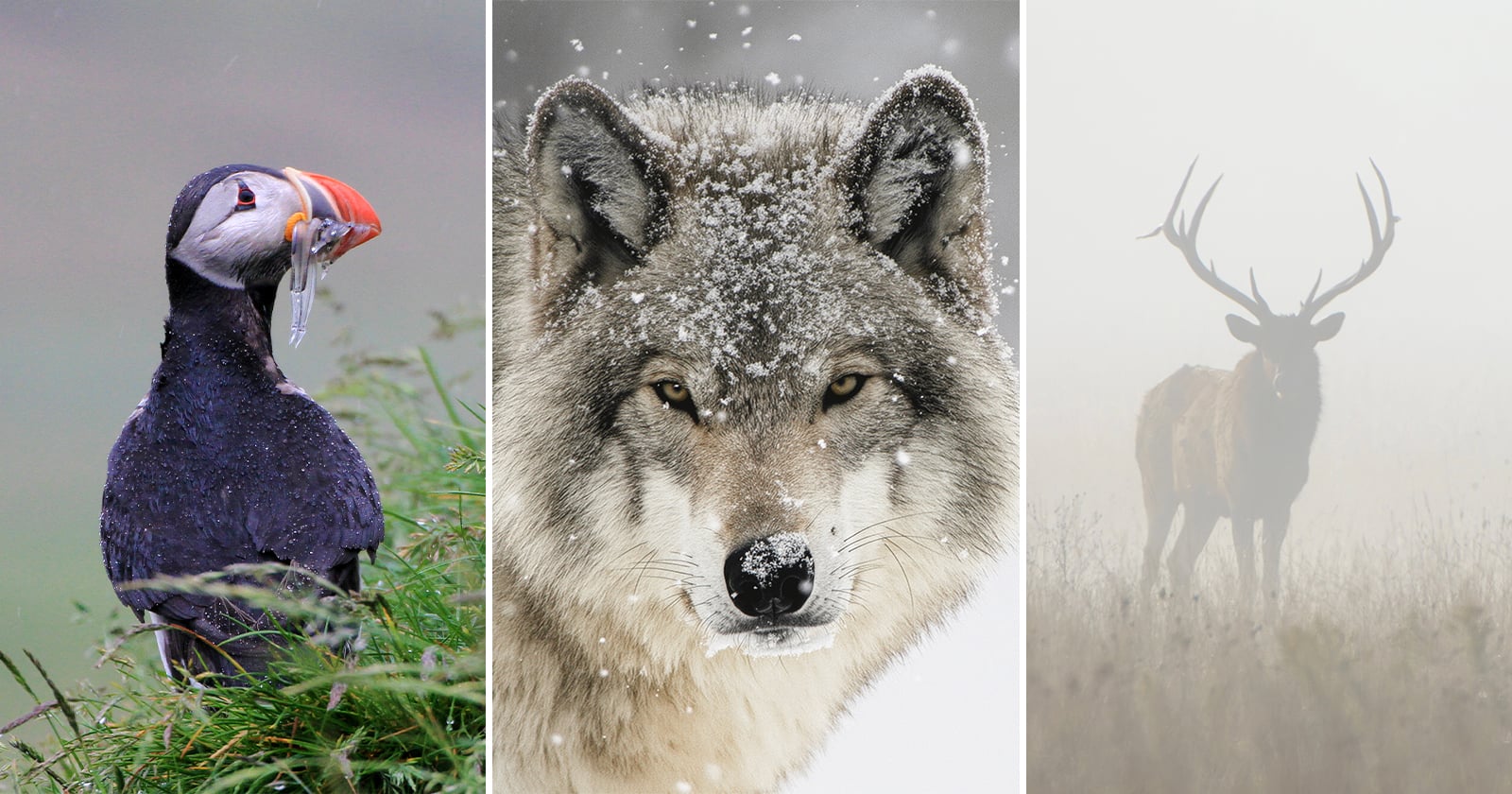
The best wildlife photographs can happen when the weather is at its worst. After more than two decades photographing wildlife in snow, mud, rain, and storms, I’ve learned that challenging conditions are often where the most rewarding images are created.
Blue skies and perfect sunshine may seem like ideal photography conditions, but they rarely produce the most memorable wildlife images. Some of the strongest photographs are created when the weather becomes part of the story. Snow can transform a landscape into a minimalist scene while isolating subjects against a clean background. Fog adds mystery and depth, rain brings movement and texture, and dramatic storms create an atmosphere that simply cannot be replicated on a clear day.
Over the years, I’ve spent countless hours photographing wildlife in conditions that many photographers would avoid, from freezing winter landscapes to muddy trails, heavy rainstorms, and unpredictable weather in the field. Those experiences have taught me that preparation is just as important as creativity. Protecting your equipment, understanding how weather affects exposure and autofocus, and learning how animals respond to changing conditions can turn difficult outings into some of your most successful photographic opportunities.
While challenging weather demands patience, adaptability, and the right approach, it also creates images that stand apart from the countless wildlife portraits captured under perfect skies. Learning to work with the elements rather than waiting for ideal conditions is one of the most valuable skills that a wildlife photographer can develop.
In this guide, I’ll share field-tested lessons on gear protection, camera settings, autofocus, wildlife behavior, creative techniques, and some of the world’s most iconic weather-driven wildlife destinations.
Why Bad Weather Often Creates the Best Wildlife Photographs
A technically perfect portrait of an animal is only one way to tell its story. The strongest wildlife photographs often reveal not just what an animal looks like, but what it felt like to stand there in that moment. Weather can provide that essential context. It adds atmosphere, emotion, and a sense of place that immediately communicates the conditions the animal is living through.
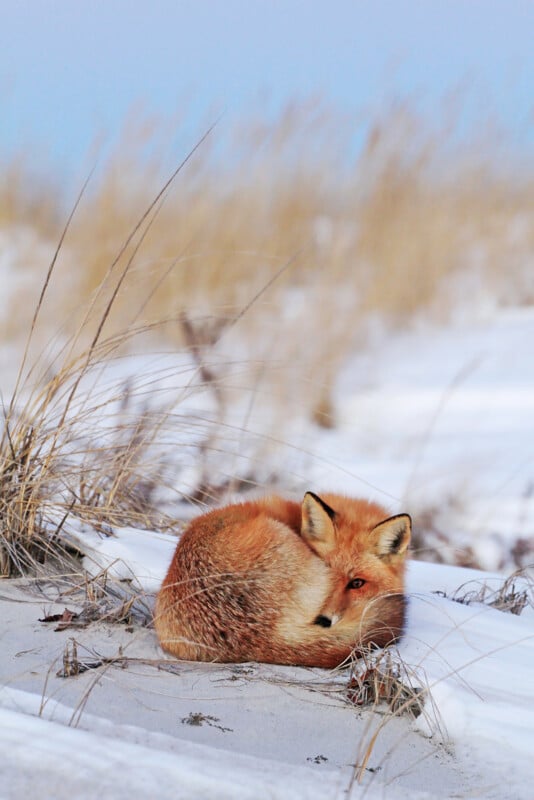
Imagine a red fox trotting through the snow, flakes collecting on its fur as it searches for food. The snow creates a mood compared to that to the same fox photographed beneath clear blue skies. Both may be technically strong images, but the snowy scene instantly feels more immersive because the weather becomes part of the narrative. The viewer can almost feel the cold air, hear the quiet snowfall, and appreciate the resilience required to survive those conditions. The same is true for a bison coated in frost, a bald eagle enduring a driving rainstorm, or an elk emerging from dense morning fog.

Weather also has the remarkable ability to simplify otherwise busy landscapes. Fresh snowfall blankets distracting vegetation and creates clean, high-contrast backgrounds that naturally isolate wildlife. Fog gradually removes layers of visual clutter, allowing animals to emerge from the mist in dramatic fashion, while rain deepens colors, enriches textures, and adds reflections that would never exist on a dry day. Instead of competing with the subject, the environment begins supporting it.
The most successful wildlife photographers learn to anticipate these moments rather than avoid them. Not every storm produces memorable images, however, and understanding which conditions are most photogenic is an important skill in itself.
Gentle snowfall with little wind is often one of the most rewarding conditions to photograph in. Large snowflakes remain visible throughout the frame without completely obscuring the subject, adding depth and atmosphere while preserving important detail. Heavy snowstorms can produce striking, high-impact images as well, although visibility and autofocus become considerably more challenging.
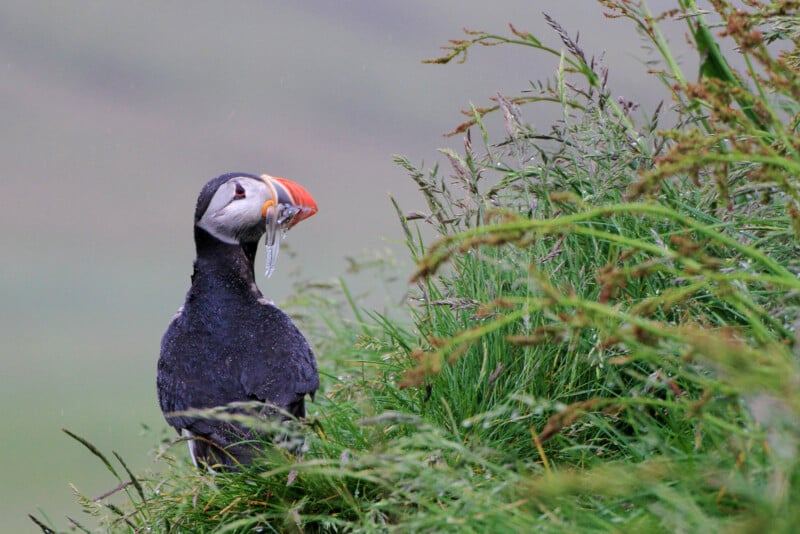
Rain offers its own creative opportunities. Light rain or intermittent showers often create stronger photographs than torrential downpours because individual droplets remain visible without overwhelming the scene. Moisture clinging to feathers and fur adds texture, while wet forests become richer in color and contrast. Some of my favorite conditions occur immediately after rainfall, when saturated foliage, lingering droplets, and soft overcast light combine to create vibrant, clean compositions as wildlife becomes active again.
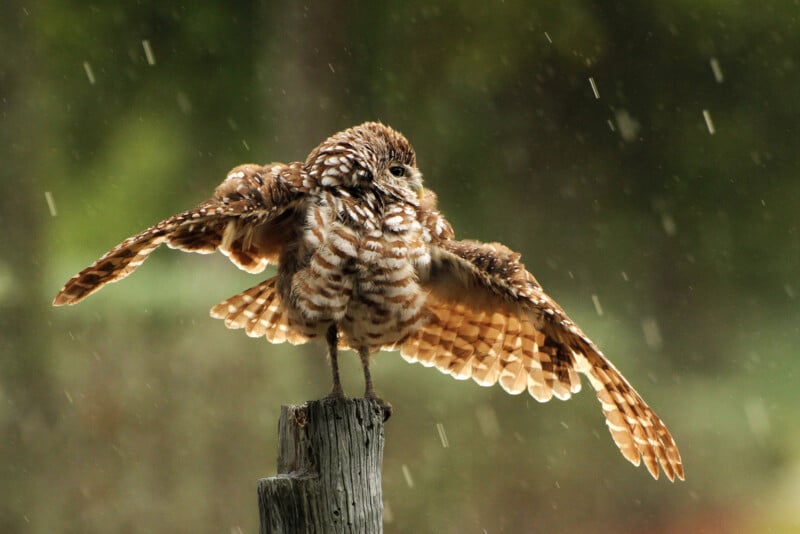
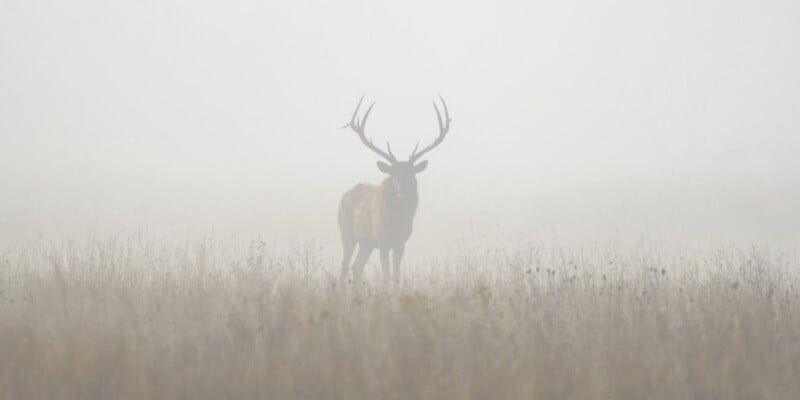
Fog may be the single most effective weather condition for creating mood. It naturally separates subjects from their surroundings, compresses the visual scene into distinct layers, and creates a cinematic atmosphere that would be impossible to replicate artificially. A familiar landscape can feel completely transformed by a thin layer of mist drifting through a forest or across an open meadow.
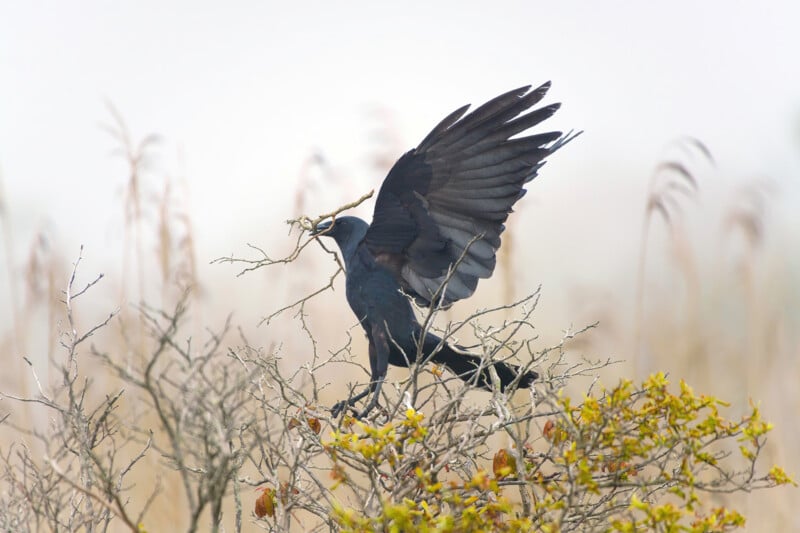
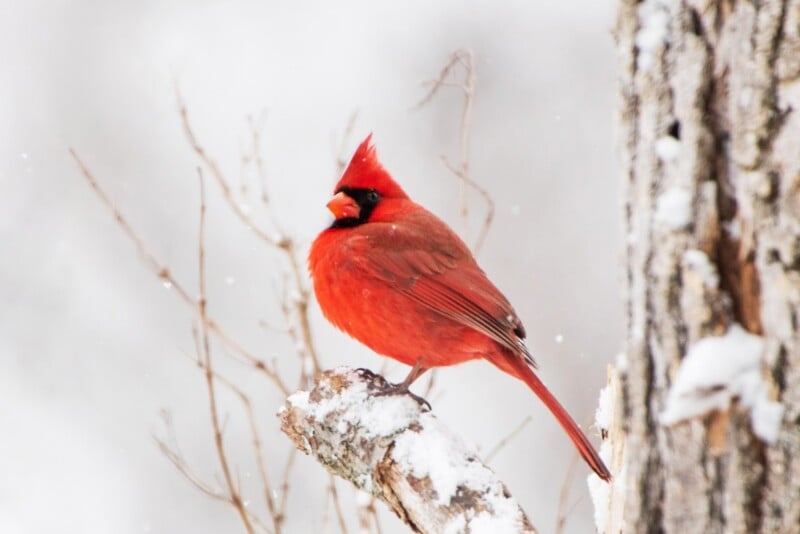
Adverse conditions that many people tend to avoid can produce remarkable results. Frost outlines fur and feathers with delicate crystals, blowing sand communicates the harshness of desert environments, sea spray along rugged coastlines adds energy to seabird photographs, and naturally occurring smoke or mist can create beautifully diffused light that softens otherwise harsh scenes.
Ultimately, photographing wildlife in challenging weather is about changing your perspective. Rather than asking whether the forecast is good enough to go out, begin asking what photographic opportunities those conditions might create. More often than not, the weather everyone else avoids is what transforms an ordinary wildlife portrait into an unforgettable image.
Preparing Yourself and Your Gear
Working in difficult weather begins long before arriving at your destination. Keeping yourself comfortable allows you to remain patient, while properly protecting your equipment ensures you can continue photographing long after many others have packed up.
Weather-sealed camera bodies and lenses provide an excellent starting point, but they should never be considered waterproof. A dedicated rain cover adds an important layer of protection during extended periods of rain or wet snowfall. Whether you use an inexpensive clear plastic sleeve or a more durable waterproof fabric cover, these accessories keep moisture away from buttons, dials, and lens mounts while still allowing full access to your camera controls. They’re also invaluable in dusty deserts, sandy beaches, or windy coastal environments, where blowing sand can work its way into every opening just as easily as rain.
A lens hood serves multiple purposes beyond reducing flare. It helps shield the front element from falling rain, drifting snow, and airborne debris, reducing how often you’ll need to clean the glass while shooting. Keeping several microfiber cloths stored in sealed plastic bags allows you to rotate dry cloths throughout the day without simply spreading moisture across the lens. A rocket blower is equally useful for removing snow, sand, or dust before it has the opportunity to scratch the front element during cleaning.
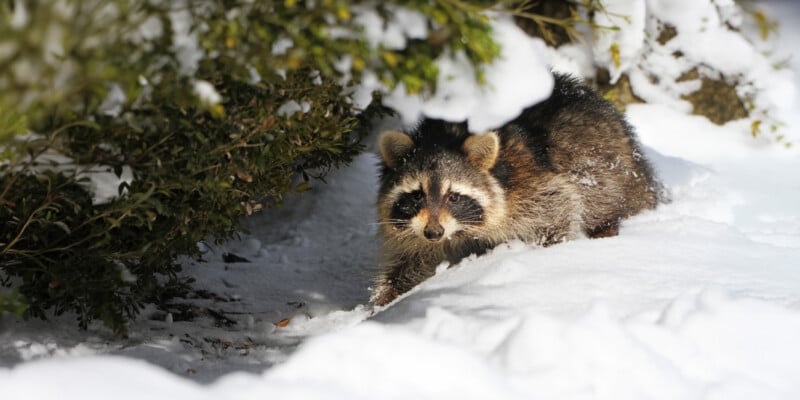
Photographing in cold weather introduces an entirely different set of challenges. Camera batteries lose capacity much more quickly in freezing temperatures, so carrying several fully charged spares inside an inner jacket pocket helps keep them warm until needed. Some photographers also place disposable hand warmer packets inside a jacket pocket alongside spare batteries to extend their performance during long days in the field. Hand warmers can even be tucked into a camera rain cover or attached near the camera body during extremely cold conditions to help keep the camera slightly warmer and reduce the chance of controls becoming sluggish, though they should never be placed directly against sensitive electronics or where excessive heat could become trapped.

One of the biggest challenges after shooting in freezing weather isn’t outside, but when returning indoors. Moving a cold camera into a warm building causes condensation to form almost immediately. To minimize this, place your camera inside a sealed plastic bag before heading indoors. As the equipment gradually warms, moisture forms on the outside of the bag instead of on the camera and lens. Silica gel packets stored inside your camera bag can also help absorb any lingering moisture after the outing.
Protecting yourself is just as important as protecting your gear. Waterproof boots, layered clothing, insulated gloves with fold-back fingertips, and moisture-wicking base layers allow you to remain outside comfortably for extended periods.
In wetlands, marshes, rivers, or shallow lakes, chest waders can completely transform the types of wildlife photographs you can make, allowing you to work safely from eye level with waterfowl and other aquatic animals while keeping yourself dry.
Finally, don’t overlook your camera bag. A waterproof backpack offers excellent protection, but adding a roll-top dry bag or waterproof pack cover provides another level of security during heavy rain, snowstorms, river crossings, or boat travel. It also gives you peace of mind knowing your equipment remains protected even if conditions deteriorate unexpectedly.
When both you and your gear are prepared for difficult weather, you’re free to focus on what matters most: waiting for the moments when the forecast everyone else avoided becomes the reason you create your strongest photographs.
Camera Settings for Different Weather Conditions
Photographing wildlife in difficult weather requires more than simply protecting your gear. Changing conditions also change how your camera sees the scene, and understanding those differences allows you to make more intentional exposure decisions. Snow, rain, fog, and cold temperatures each create unique challenges that require adjustments to shutter speed, aperture, ISO, and metering.

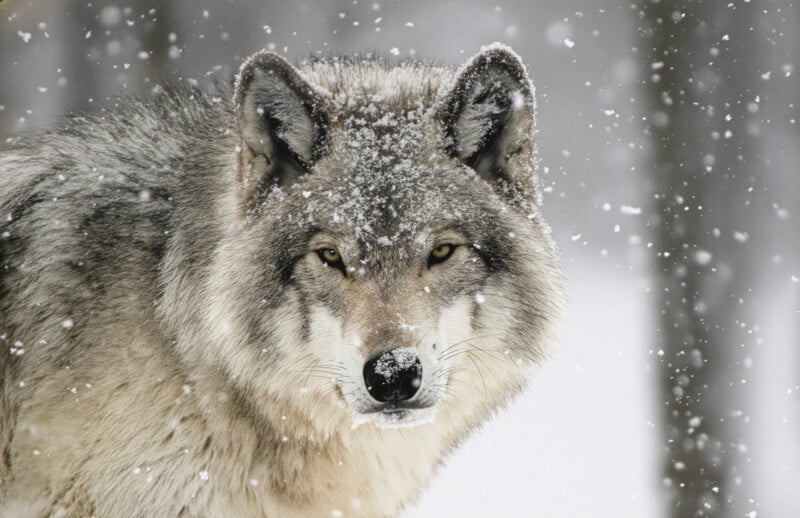
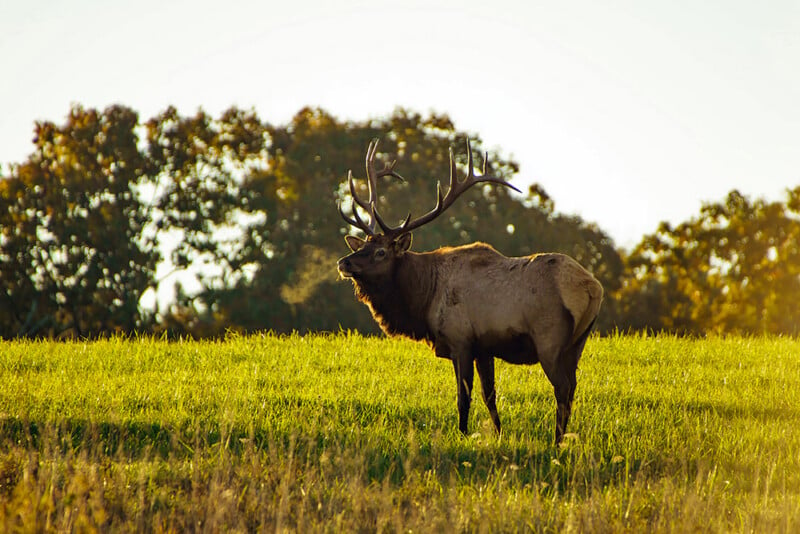
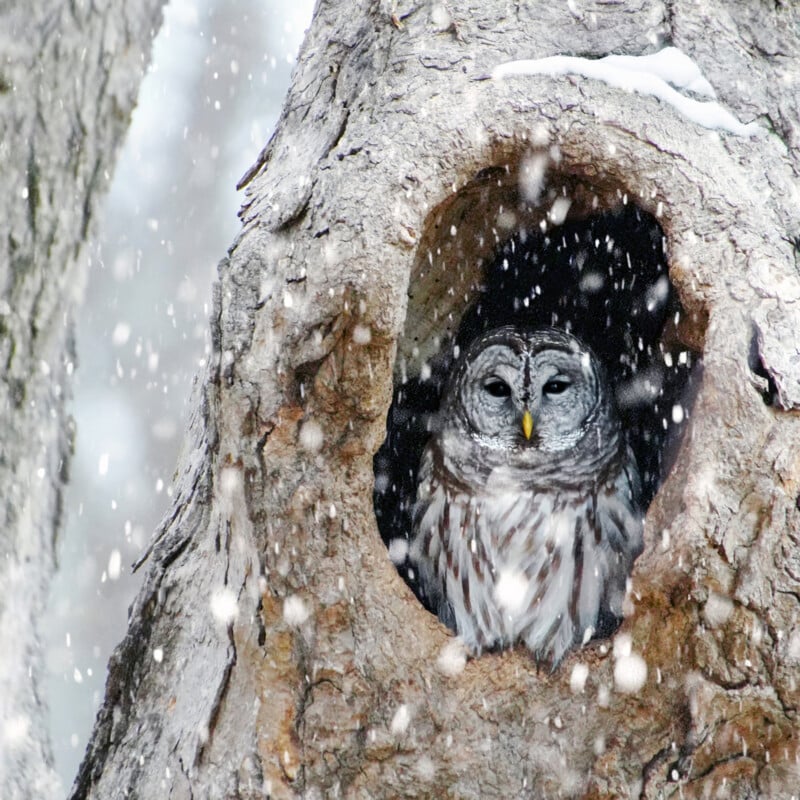
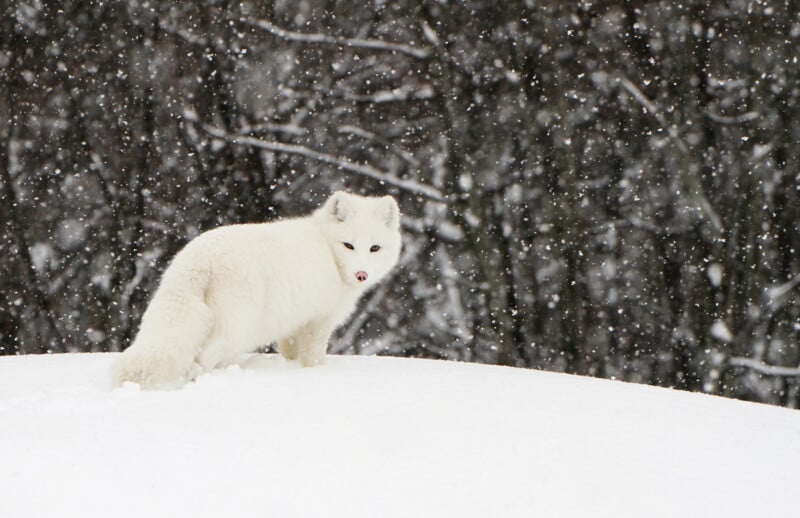
Settings: 1/400s, f/6.3, ISO 400, Manual, Pattern Metering
Snow is one of the most common situations where photographers struggle with exposure. Camera meters are designed to interpret scenes as an average middle tone, which means a bright snow-covered landscape can often be rendered too dark. Instead of the clean white environment you saw in the field, the resulting image may have gray, muddy-looking snow and an underexposed subject. Applying positive exposure compensation can help preserve the brightness of the scene while maintaining detail, but the exact adjustment depends on how much snow is filling the frame and how reflective the conditions are. Checking the histogram is especially important because the brightness of the camera’s rear LCD can be misleading in snowy environments.

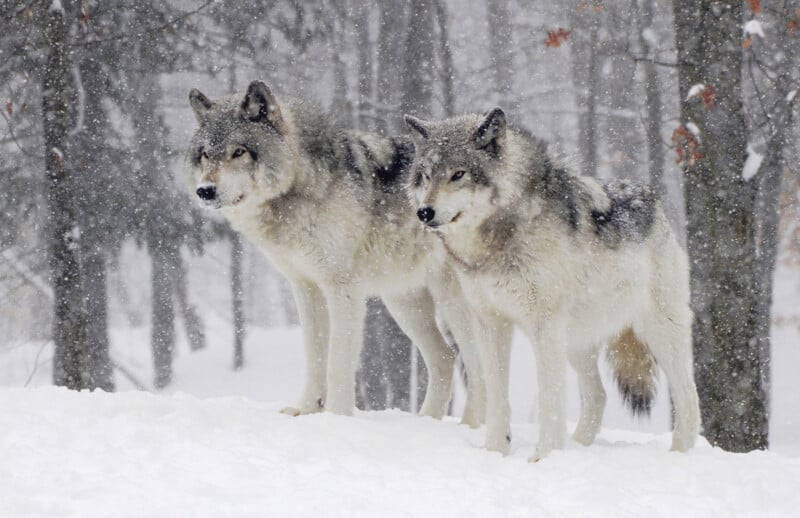
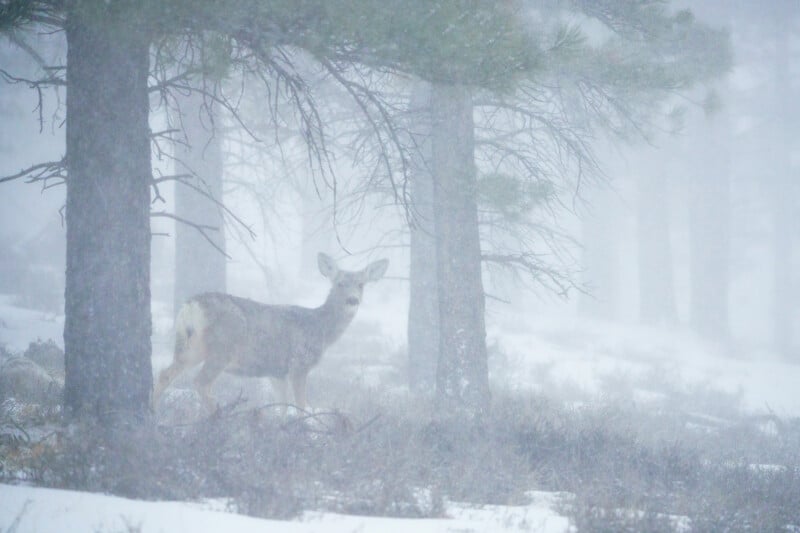
Settings: 1/320s, f/8, ISO 125, Manual, Spot Metering
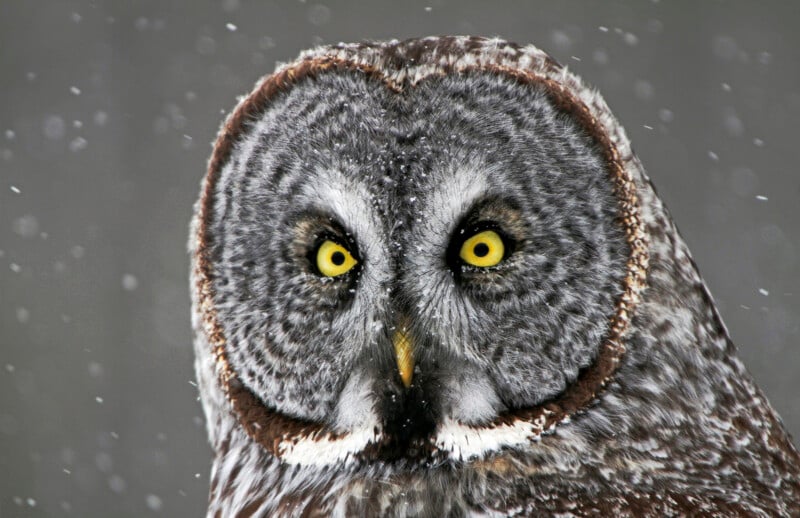
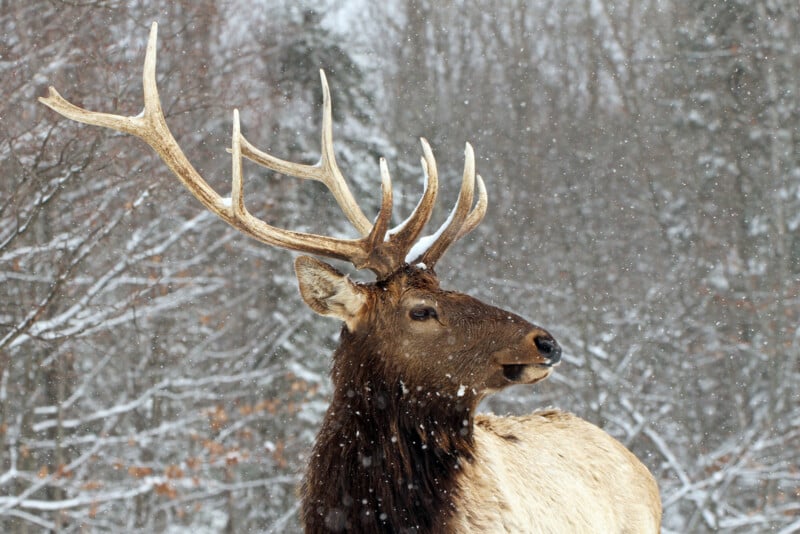
Shutter speed becomes one of the most important creative choices when photographing precipitation. During snowfall or rain, a faster shutter speed range from 1/640 to 1/1000 second or faster can freeze individual droplets or flakes in the air, creating a sense of suspended motion around the animal. This works especially well when you want each snowflake or raindrop to become a visible part of the composition. Alternatively, slowing the shutter speed to around 1/60 or 1/125 second can transform falling precipitation into soft streaks, adding a feeling of movement and atmosphere. Neither approach is more correct; the choice depends on whether you want to emphasize the individual details of the weather or the overall mood it creates.
Rain introduces additional considerations because wet conditions often reduce contrast and can make autofocus more challenging. A faster shutter speed helps freeze droplets on feathers or fur, while a slightly wider aperture can help separate the subject from a busy, rain-filled background. Shooting in intermittent rain can often be ideal because it provides atmospheric conditions without completely overwhelming the scene.
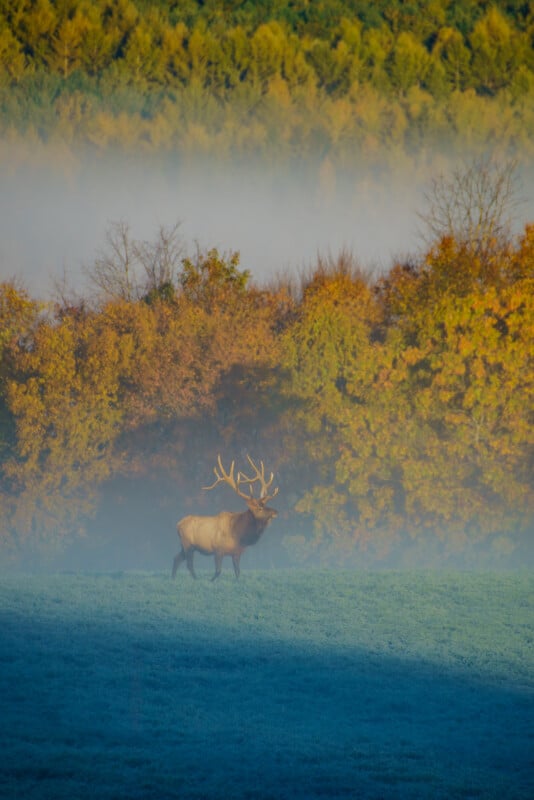
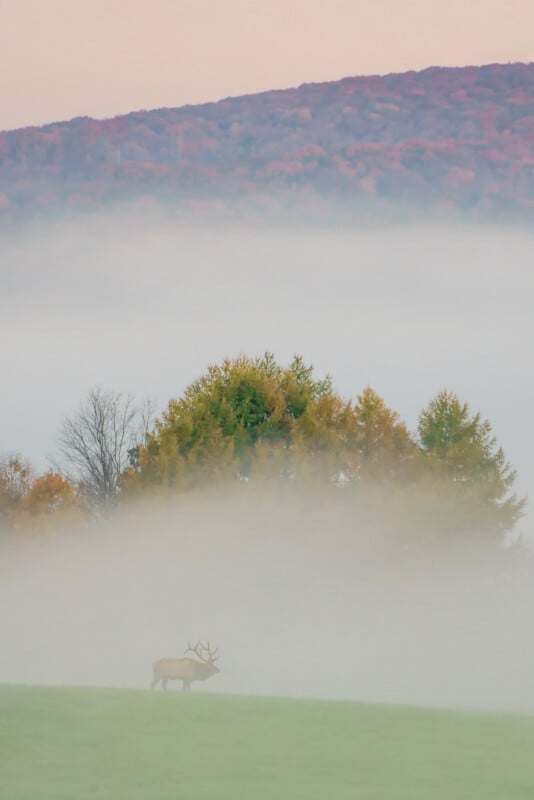
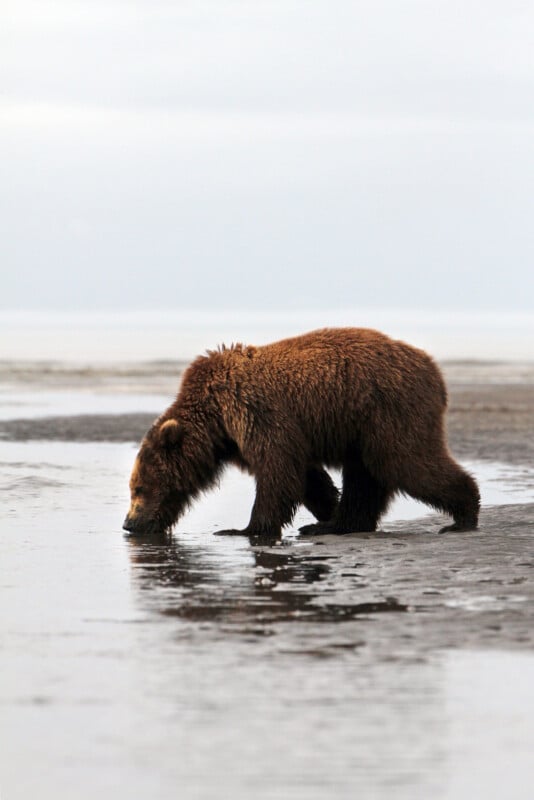
Settings: 1/250s, f/6.3, ISO 100, Manual, Pattern Metering
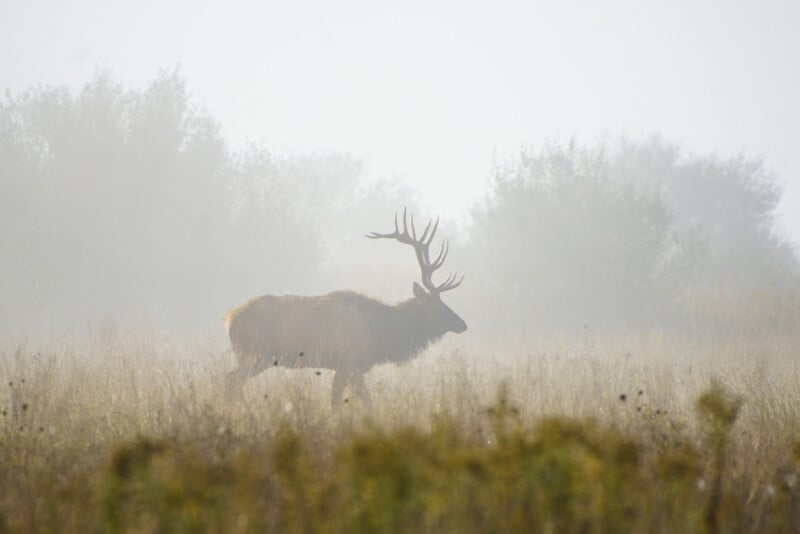
Fog requires a different approach because it changes the entire contrast and depth of the landscape. The camera may struggle when much of the frame consists of bright mist, potentially producing a darker image than intended. Spot metering on the animal rather than the surrounding fog can provide a more accurate exposure, while slight positive exposure compensation can help preserve the soft, luminous quality that makes fog so appealing. Fog also naturally reduces background detail, so a slightly wider aperture can enhance separation and create a more immersive image.
Cold mornings provide another unique opportunity: photographing visible breath. When temperatures drop, animals such as deer, elk, wolves, and foxes can create dramatic plumes of vapor as they breathe. Positioning yourself so the subject is backlit by low-angle sunlight can illuminate the breath, turning an otherwise invisible moment into a powerful visual element. A fast shutter speed helps freeze the delicate movement of the vapor before it disappears.
Settings: 1/1250s, f/6.3, ISO 500, Manual, Pattern Metering
Ultimately, the best settings are not determined by the weather alone, but by the story you want the image to tell. Freezing snowflakes, blurring rain into motion, preserving the softness of fog, or highlighting a breath cloud all require different technical choices. Understanding how each weather condition affects exposure gives you the ability to use those conditions creatively rather than simply work around them.
Autofocus in Rain, Snow, and Fog
Modern autofocus systems are incredibly advanced, with many cameras capable of recognizing and tracking animal eyes even in challenging conditions. However, weather introduces a unique set of obstacles that can still confuse even the most sophisticated autofocus systems. Falling snow, heavy rain, mist, and low-contrast scenes can all make it more difficult for a camera to distinguish the subject from the surrounding environment.
Snow and rain are particularly challenging because precipitation exists at different distances throughout the frame. A large snowflake or raindrop passing close to the lens can suddenly become the camera’s preferred focus point, causing the system to shift away from the animal at the exact moment a critical image is unfolding. This is especially common when shooting with long telephoto lenses and wide apertures, where the shallow depth of field makes even small focus shifts immediately noticeable.
Animal eye detection and subject tracking should still be the first tools to try, but photographers should be prepared to adjust their autofocus strategy when conditions become difficult. Reducing the size of the autofocus area, switching to a flexible spot or zone mode, or manually placing the focus point over the animal’s face can help prevent the camera from locking onto falling precipitation or distracting background elements.
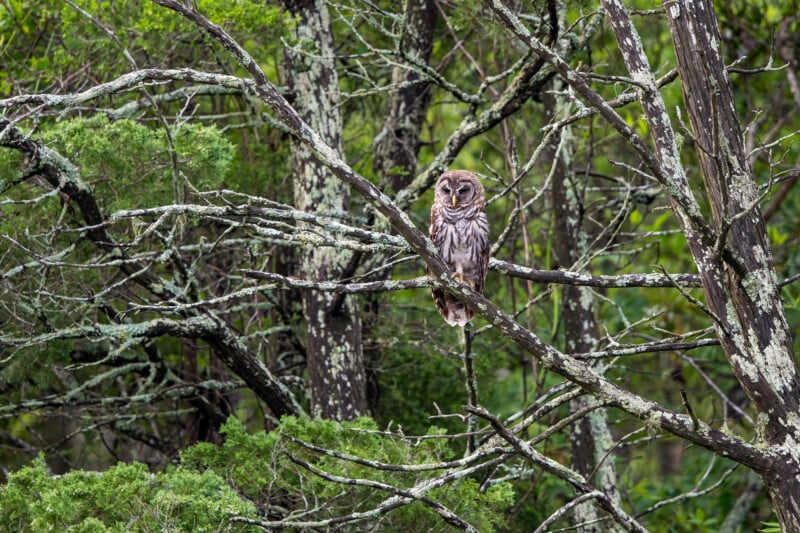
Continuous autofocus paired with burst shooting is often the most reliable approach for moving wildlife in difficult weather. Rather than waiting for a perfectly clear moment between snowflakes or rain drops, shooting a short burst increases the likelihood of capturing a frame where the animal’s eye is sharp and the weather adds to the composition rather than obscures it.
In particularly challenging conditions, manual focus can still have a place. For predictable situations, such as a bird returning repeatedly to the same perch or an animal moving through a known path, pre-focusing on the perch can eliminate the possibility of autofocus being distracted by the weather.
The most important adjustment is maintaining control over where the camera is focusing. Weather should enhance the image, not determine what part of the scene becomes sharp. By understanding how precipitation and atmospheric conditions affect autofocus behavior, photographers can use these challenges to create stronger, more intentional wildlife photographs.
Using Weather to Shape the Image
The most successful wildlife photographers do not simply tolerate difficult weather conditions; they learn how to use them as creative tools. Weather is not something that happens around the subject. It is an active element within the composition that can influence mood, depth, movement, and the overall story of the photograph.
Snowfall, rain, fog, and wind all create opportunities to build more dynamic images. Positioning yourself so falling snow passes between the camera and the animal can add depth and movement, transforming individual flakes into a natural foreground element. Rain can create layers throughout a frame, with droplets catching light at different distances to add atmosphere. Fog can simplify complex landscapes by gradually hiding background elements, allowing the subject to stand out while still maintaining a strong sense of place.

In some cases, the weather becomes almost as important as the animal itself. A moose disappearing into dense morning fog, a snowy owl surrounded by swirling flakes, or a bear shaking rain from its fur tells a story that extends beyond identification. These images show the animal existing within its environment, adapting to the same conditions the photographer is experiencing.
The timing of these conditions is equally important. Some of the most rewarding wildlife photographs happen not during the height of a storm, but in the moments surrounding it. Fresh snowfall creates untouched landscapes before footprints and disturbances appear. The end of a rainstorm can bring dramatic breaks in the clouds, reflections, and saturated colors. Early morning fog often begins lifting as the sun rises, revealing layers of the landscape and creating constantly changing compositions.
This is where weather forecasting becomes an important creative tool. Instead of checking the forecast only to decide whether conditions are comfortable, wildlife photographers can use it to predict when unique photographic opportunities are most likely to occur. A passing storm, a temperature drop, or a calm morning after snowfall can all signal moments worth pursuing.
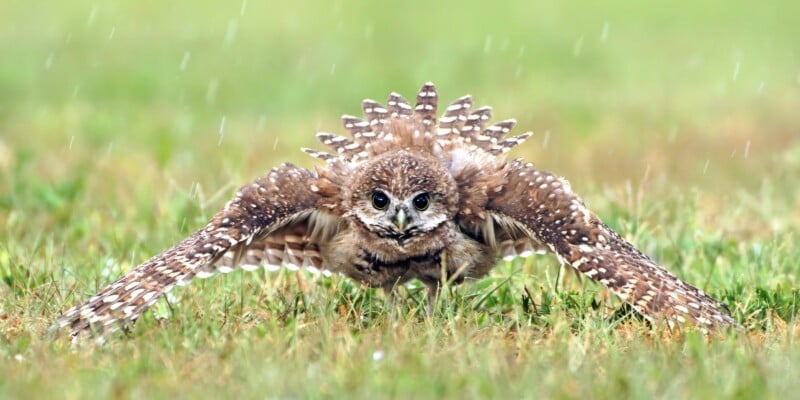
Weather also influences wildlife behavior, creating opportunities that may not exist under normal conditions. Birds often fluff their feathers during extremes such as sunshowers or cold temperatures, creating fuller and more expressive portraits. Mammals may become more active during light snowfall, using the reduced visibility to move and hunt. Rain can bring amphibians out of hiding, while misty mornings often encourage deer and elk to move through open areas before the day warms.
Understanding these behavioral changes allows photographers to anticipate moments rather than simply react to them. The weather affects not only how wildlife looks, but how it moves, feeds, and interacts with its environment.
Ultimately, the goal is not simply to photograph an animal despite challenging conditions. The goal is to create an image that could only exist because of them.
Some of the Best Places to Photograph Wildlife in Extreme Weather
Some destinations have become legendary because of the dramatic weather conditions they consistently produce. These locations demonstrate that challenging weather is often one of the defining ingredients behind iconic wildlife photographs.
North America
Olympic National Park in Washington provides one of North America’s most atmospheric environments. Frequent rainfall, dense moss-covered forests, and persistent fog make it ideal for photographing Roosevelt elk, black bears, banana slugs, and a wide variety of birds and amphibians in lush temperate rainforest conditions.
The Great Smoky Mountains National Park is famous for the mist that gives the park its name. Morning fog drifting through hardwood forests creates excellent opportunities for photographing deer, wild turkeys, salamanders, black bears, and songbirds in beautifully layered landscapes.
The Rocky Mountains of both Canada and the United States offer exceptional winter wildlife photography, where special orographic snowfall generated by the mountains regularly blankets forests in deep snow. Places like Banff and Jasper National Parks are known for photographing elk, mountain goats, bighorn sheep, wolves, moose, and other wildlife in truly wintry conditions.
Yellowstone National Park is equally iconic during winter, where steam, frost, geothermal features, and heavy snowfall combine to create unforgettable scenes featuring bison, wolves, foxes, coyotes, trumpeter swans, and bald eagles. Fresh snow also simplifies the landscape, making wildlife stand out against clean white backgrounds.
Farther north, Churchill, Manitoba, is one of the world’s premier destinations for photographing polar bears and winter wildlife in snow-covered Arctic landscapes. Winter storms, drifting snow, and sea ice create dramatic conditions that perfectly complement one of the planet’s most iconic predators.
Abroad
Japan’s Jigokudani Monkey Park has become world-famous for its Japanese macaques, commonly known as snow monkeys. During winter, these primates gather in steaming hot springs surrounded by falling snow, creating one of the most recognizable wildlife photography opportunities anywhere in the world. The combination of snow, geothermal steam, and expressive animal behavior produces remarkably atmospheric images.
Iceland offers constantly changing weather that rewards patient photographers. Puffins nesting along dramatic coastal cliffs are frequently photographed in fog, mist, rain, and moody overcast conditions that enhance the rugged North Atlantic landscape. Arctic foxes roaming snowy tundra, Icelandic horses standing against blowing snow, and seabirds flying through coastal storms all benefit from the country’s famously unpredictable weather.
Norway’s Arctic regions, including Svalbard, provide opportunities to photograph polar bears, Arctic foxes, walruses, reindeer, and seabirds in some of the harshest weather on Earth. Snowstorms, sea ice, and long periods of soft polar light combine to create extraordinary photographic conditions.
South Georgia Island and Antarctica offer some of the most dramatic weather anywhere on the planet. Snow, glaciers, icebergs, and turbulent seas provide breathtaking backdrops for king penguins, gentoo penguins, elephant seals, leopard seals, and numerous seabird species. The constantly changing weather often becomes just as important to the composition as the wildlife itself.
Patagonia, spanning southern Chile and Argentina, is renowned for its relentless winds and rapidly changing mountain weather. Guanacos, Andean condors, foxes, and even elusive pumas can be photographed against dramatic storm clouds, snow-capped peaks, and windswept grasslands that create a powerful sense of scale.
Photographers seeking tropical weather should also consider destinations influenced by seasonal monsoons. Parks such as Kaziranga National Park and Corbett National Park in India transform dramatically before and after monsoon rains, with lush vegetation, dramatic skies, and heightened wildlife activity. In Costa Rica, the green season brings frequent afternoon rain showers that create vibrant rainforest conditions for photographing colorful birds, frogs, reptiles, monkeys, and sloths among saturated foliage and mist-filled forests.
Whether you’re photographing puffins standing against North Atlantic storms, snow monkeys soaking in steaming hot springs, polar bears traversing Arctic sea ice, or elk emerging from fog in the Smokies, some of the world’s most unforgettable wildlife images are created not despite the weather, but because of it.
Embrace the Elements
The most memorable wildlife photographs are rarely created under perfect blue skies. They are often made when photographers embrace conditions that others avoid. Snow, rain, fog, frost, and storms introduce atmosphere, simplify compositions, influence animal behavior, and transform ordinary wildlife portraits into immersive visual stories.
Rather than hoping for perfect weather, begin looking for the conditions that add emotion to your images. The next time the forecast predicts fog rolling through the forest, fresh snow in the mountains, or rain sweeping across a wetland, consider safely grabbing your camera instead of staying home. Sometimes the worst weather creates the very best wildlife photographs.
Image creditsPhotographs by Kate Garibaldi


