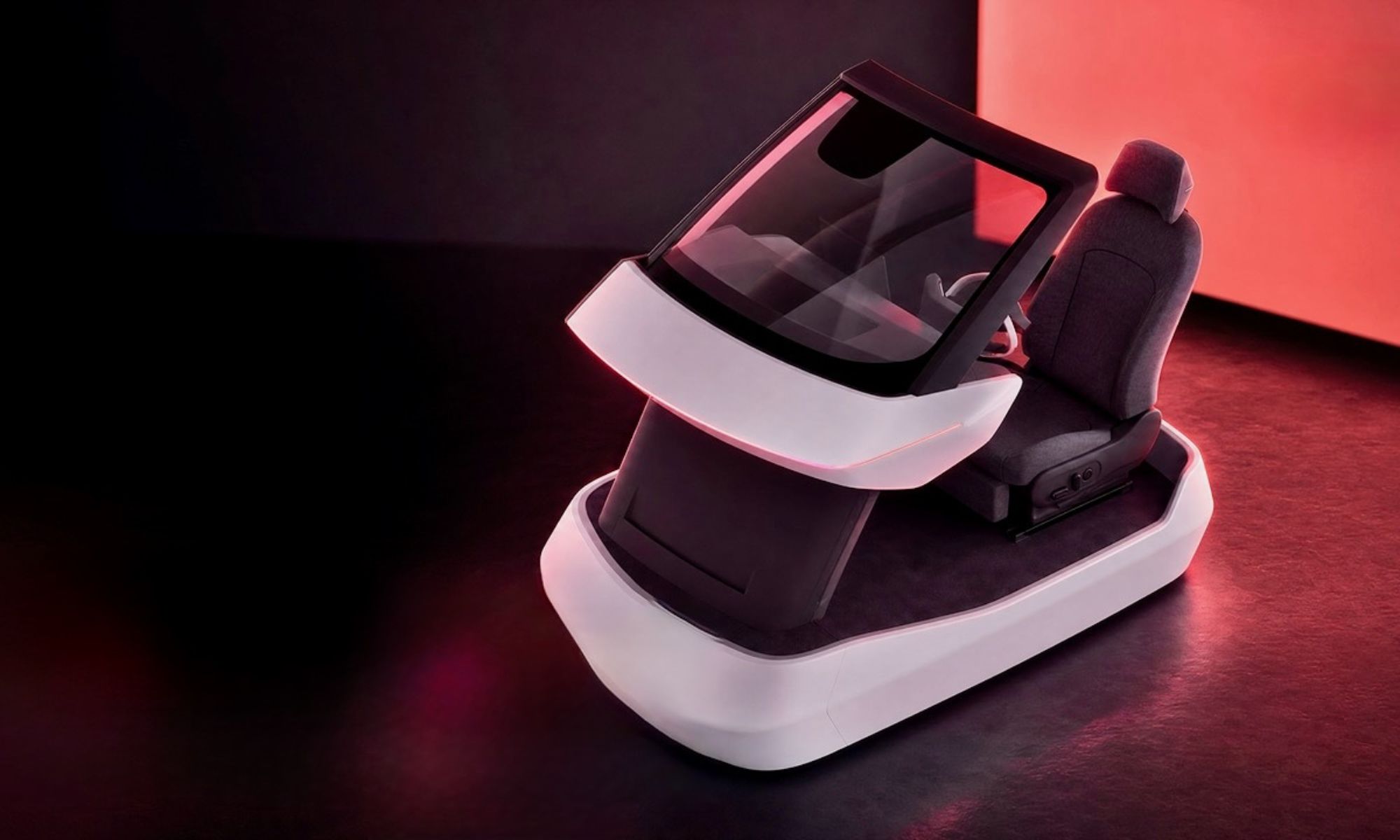
LG has shown a Wide Hover Screen concept that combines a 20-inch central console display with an ultra-short-throw projector, throwing a large heads-up image across the windshield. The demo landed through the Tech Showcase strand of LG on board Season 2, the vehicle-solutions campaign the company has been running for automakers rather than drivers, and it builds on the UltraView Windshield Display architecture LG has spent 2026 promoting.
The number doing the work is brightness. LG quotes over 12,000 nits, which the company says is enough to keep the image legible without the black coating windshield projection systems need behind them. Getting rid of that patch of dark laminate is the difference between a HUD an automaker hides and one it can design a whole cockpit around.
On brightness
Deleting the black coating matters more than the 20 inches (I’ve always thought that dark patch was one of the strangest compromises of windshield HUDs). A windshield HUD needs a dark patch laminated into the glass to give the projected image something to bounce off, and every automaker who’s ever specced one knows it shows from outside the car. LG’s pitch is that 12,000-plus nits punches through without help, which keeps the glass clean and keeps the tooling simpler for the OEM.
LG describes an ultra-compact form factor and advanced ultra-short-throw projection that produces a large display from a small installation space. Dashboard volume is the constraint that kills most cockpit concepts before they reach a production program, so a supplier leading with compactness is telling you where it expects the argument with engineers to happen.
Small text on a big canvas
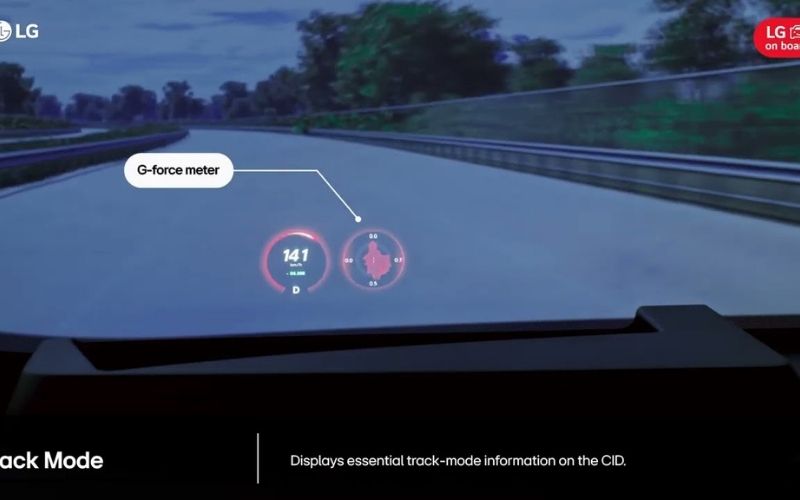
In the demonstration, I came across an overwhelming amount of small, detailed text that would be distracting while driving. A supplier can hand an OEM all the brightness and field of view in the world, and the interface designer downstream can still ruin it in an afternoon.
The entire case for windshield projection rests on keeping eyes forward. A 20-inch canvas invites designers to fill it, and filling it with dense typography recreates the problem the display was meant to solve, only higher up the glass and closer to the road. Text density will decide whether the concept works, not diagonal size.
What UltraView already put on the table
Wide Hover Screen extends work LG has already made public. UltraView Windshield Display combines a compact focus-free AR-HUD, which projects speed, ADAS alerts, and navigation cues at a far virtual distance aligned with the road, with LG’s proprietary Hover Screen presenting navigation, vehicle status, HVAC, and multimedia on a large virtual screen at a perceived distance of 1.2 meters.
The full system delivers a combined field of view of 25 degrees by 7 degrees from a package of about 15 liters, and leaves no black masking on the windshield when inactive. Splitting information across two virtual distances is the clever part, since the eye refocuses less when speed lives out at road distance, and the climate controls hover nearer.
Why suppliers are chasing the glass
Omdia projects global windshield HUD shipments to grow from 10.21 million units in 2025 to 25.27 million by 2032, and Euro NCAP’s 2026 protocols place more emphasis on eyes-on-the-road interaction. (I can see why suppliers are betting on the windshield when safety scores are starting to reward less visual distraction).
My skepticism starts one layer down. Drivers have spent years complaining that touch screens swallowed the climate and audio controls they used to work by feel, and a projector aimed at the glass does nothing about that particular loss. A hover screen won’t bring back a knob you can find without looking.
Grigor Baklajyan is a copywriter covering technology at Gadget Flow. His contributions include product reviews, buying guides, how-to articles, and more.


