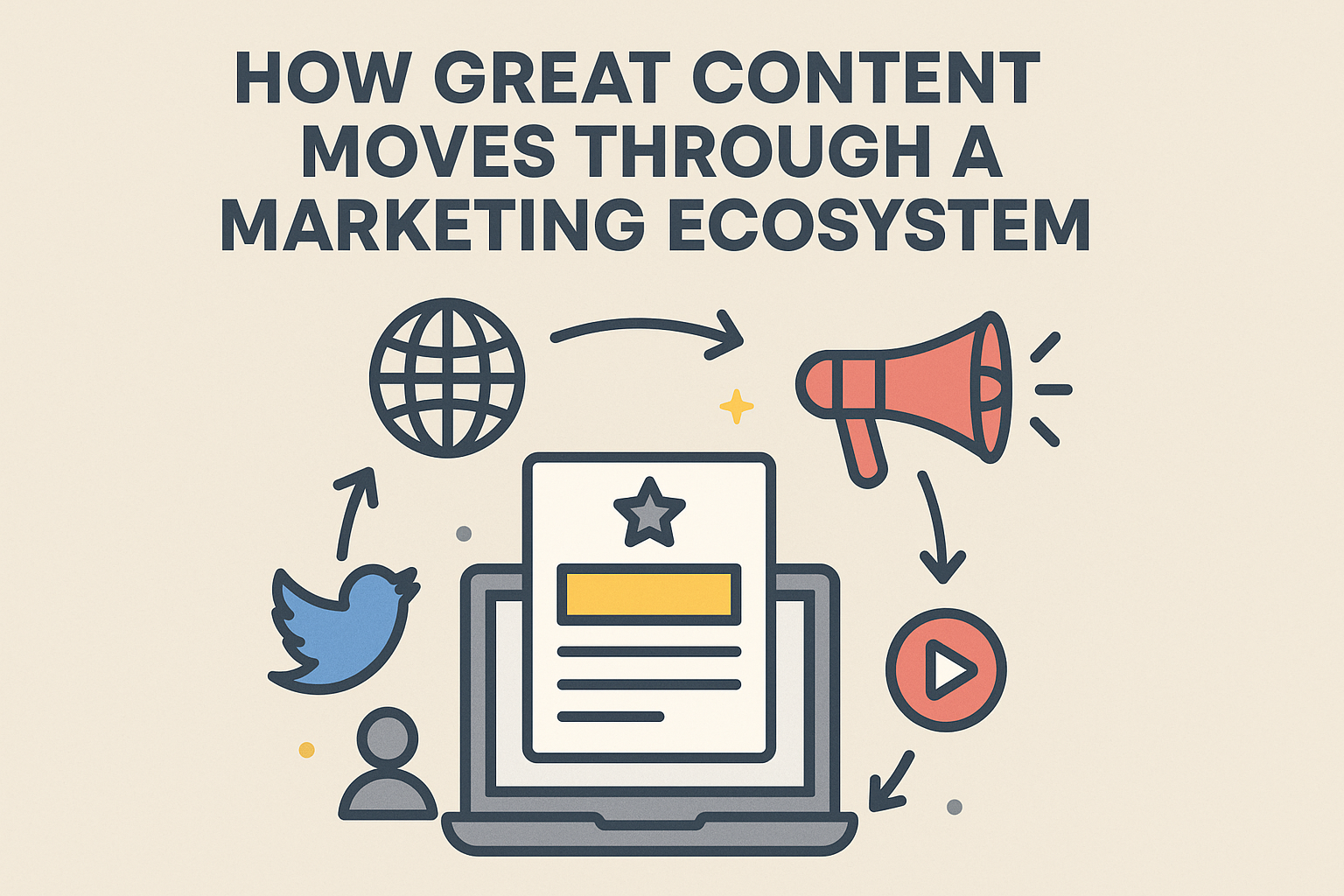
A content marketing ecosystem only generates direct business value when your team distributes assets through data-backed channels to reach buyers at the precise moment of intent. Publishing blog posts or videos without connected measurement leads to wasted spend and unread content. Modern marketing business intelligence bridges this gap, showing leaders how audience research, distribution networks, and performance analytics work as one aligned system.
Start With Audience Insights
High-performing campaigns begin with concrete customer data rather than subjective guessing. By analyzing buyer demographics, search behaviors, and past purchase history, your team can target topics that solve immediate customer problems.
Platforms like Spotify analyze real-time streaming habits to curate individual playlists, showing how operational data directly informs product delivery. In B2B organizations, business intelligence tools highlight which whitepapers or case studies actually convert prospects into active deals. Research shows that 58% of B2B marketers describe their strategy as only moderately effective, largely because they produce assets without clear goals or buyer data (CMI, 2025). When you ground your calendar in real user signals, you stop wasting budget on ignored publications.
Distribute Content Across Multiple Channels
Once an asset goes live, you must publish it across the exact channels your target buyers frequent. Owned websites, corporate newsletters, social feeds, and virtual events each serve distinct roles in moving prospects down the funnel.
Applying business intelligence in marketing helps you track how individual platforms perform in tandem rather than evaluating them in isolation. For instance, retail brand Sephora syncs email campaigns with in-app notifications and loyalty reward updates to keep messaging aligned across touchpoints. Evaluating click rates, social shares, and conversions on a central hub keeps your outreach focused.
Some organizations implement channel marketing solutions to manage messaging across multiple distribution networks while keeping reporting consistent. Building an analytics-driven content marketing strategy ensures that every channel contribution connects directly to buyer engagement and operational efficiency.
Building a Scalable Ecosystem for Content Marketing
Simple page views do not prove business impact. To evaluate real performance, your leadership team must focus on metrics tied to pipeline revenue, such as qualified leads, conversion rates, customer acquisition costs, and pipeline velocity.
Modern content performance analytics give decision-makers instant visibility into which assets generate sales. Industry studies indicate that 95% of data-driven business decisions will be automated or augmented by AI by 2025 (Gartner, 2024), shifting measurement from static reporting to predictive insights. Automated dashboards aggregate cross-platform data into a single view, letting you spot audience shifts before they impact your quarterly numbers.
Turn Data Into Continuous Improvement
Every publishing cycle yields actionable behavioral data that can sharpen your next campaign. Evaluating search queries, form submissions, and customer service logs highlights gaps in your current resource library.
Structured marketing data management allows teams to audit assets efficiently, identifying outdated articles that require updates, consolidation, or complete removal. Enterprise firms like Salesforce rely on centralized data architectures to keep thousands of sales enablement documents organized and up to date. Maintaining a structured repository makes top-performing assets easier to reuse, saving production hours while preserving messaging quality across your organization.
Great marketing succeeds when content moves through a structured, data-informed workflow. By pairing audience research with unified channel distribution and performance tracking, you create sustainable marketing content ecosystems that deliver compounding value over time. As you refine your strategy, focus on connecting every publish action to clear business outcomes so each new campaign builds on past data.



