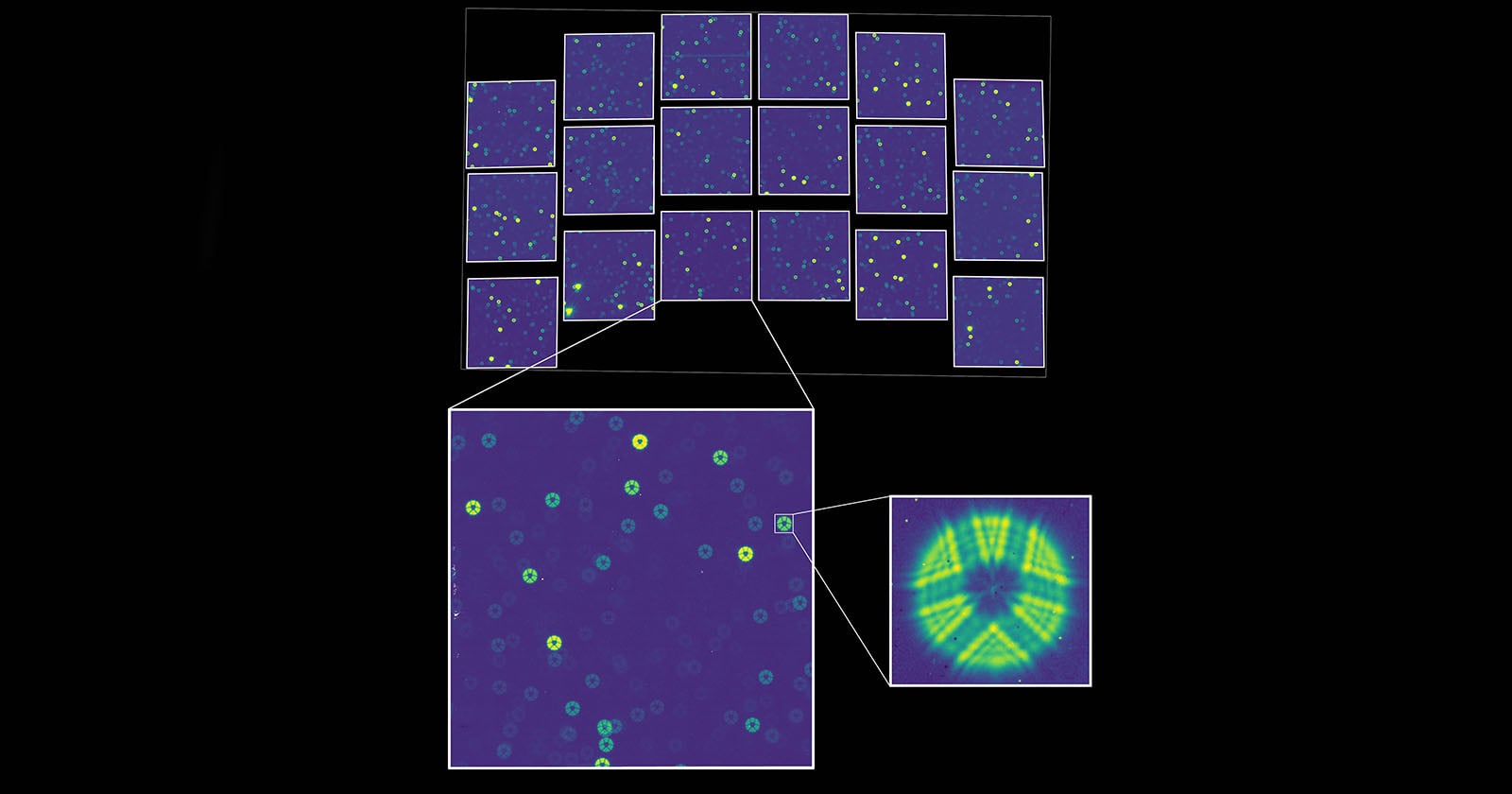
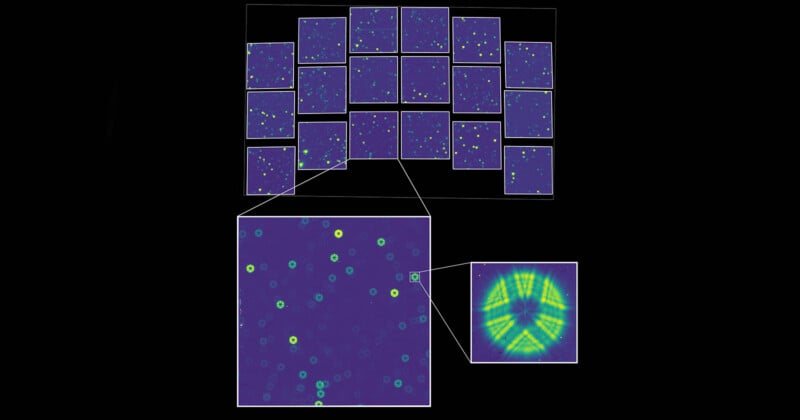
NASA’s new 300-megapixel telescope, the Nancy Grace Roman Space Telescope, launched on August 30, 2026. NASA says Roman’s Wide Field Instrument (WFI) has been woken up to begin testing procedures one million miles away from Earth at the second Lagrange point, better known as L2.
“NASA’s Nancy Grace Roman Space Telescope team has successfully activated the Wide Field Instrument, a 300-megapixel infrared camera that will allow scientists to explore wide swaths of the cosmos very quickly without sacrificing exquisite detail,” NASA writes, adding that the space telescope’s planet camera, the Coronagraph Instrument, has also “stretched its digital, electronic, and mechanical ‘limbs.’”
These initial steps are part of a months-long series of calibrations and tests that Roman’s cameras and other scientific instruments will undergo as the team prepares to begin scientific operations as early as later this year.
When the Roman Space Telescope starts its photography operations in earnest, it will use its 300-megapixel infrared camera, the Wide Field Instrument, to perform sweeping surveys of the cosmos and resolve the Universe in exceptional detail. Scientists plan to use its photos to map how matter is structured in the Universe, including dark energy and dark matter.
“After years of effort to build and test the instrument on the ground, we now have confirmation that it is operational in space. This is a huge milestone for the team at Goddard, our industry teams at BAE Systems, Inc. and Teledyne, and our science centers,” says Josh Schlieder, Wide Field Instrument scientist at NASA’s Goddard Space Flight Center. “There is much to do, but we are on our way to groundbreaking science.”
Once Roman got to L2, the team had to let it rest for 10 days to dry out and decontaminate. This process required the image sensors to stay at -85° F (-65° C), which is actually much warmer than the Wide Field Instrument will be during actual operations. Once it cooled to its operational temperature, a chilly -225° F (-143° C), the team fired up Roman’s 18 infrared image sensors, which together have a sensor size about as big as a typical laptop display.
Later that same day, the team activated Roman’s calibration systems. The following morning, the WFI started collecting test data and sending it back to the engineers on Earth. The team then tested its various optics and filters. This marked the first time that the WFI, which underwent extensive testing on Earth, was actually used in the complete absence of gravity.
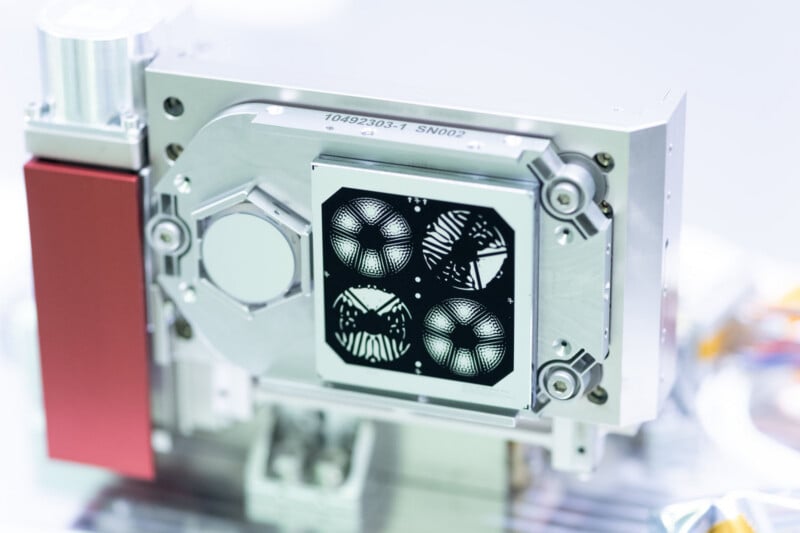
All assessments so far show that the Roman Space Telescope is in tip-top shape. The same is true of the telescope’s Coronagraph, a system of optics, masks, and flexing mirrors designed to precisely block starlight when imaging planets, which are, of course, relatively dark. The Roman Coronagraph is among the most advanced technologies ever sent into space to directly image planets. It is an incredible feat of engineering.
Preliminary high-resolution images from Roman could arrive as soon as December, although early 2027 is also a realistic target.
Image creditsNASA
Affiliate Disclosure PetaPixel articles may include affiliate links; we may earn a commission if you buy through one.


