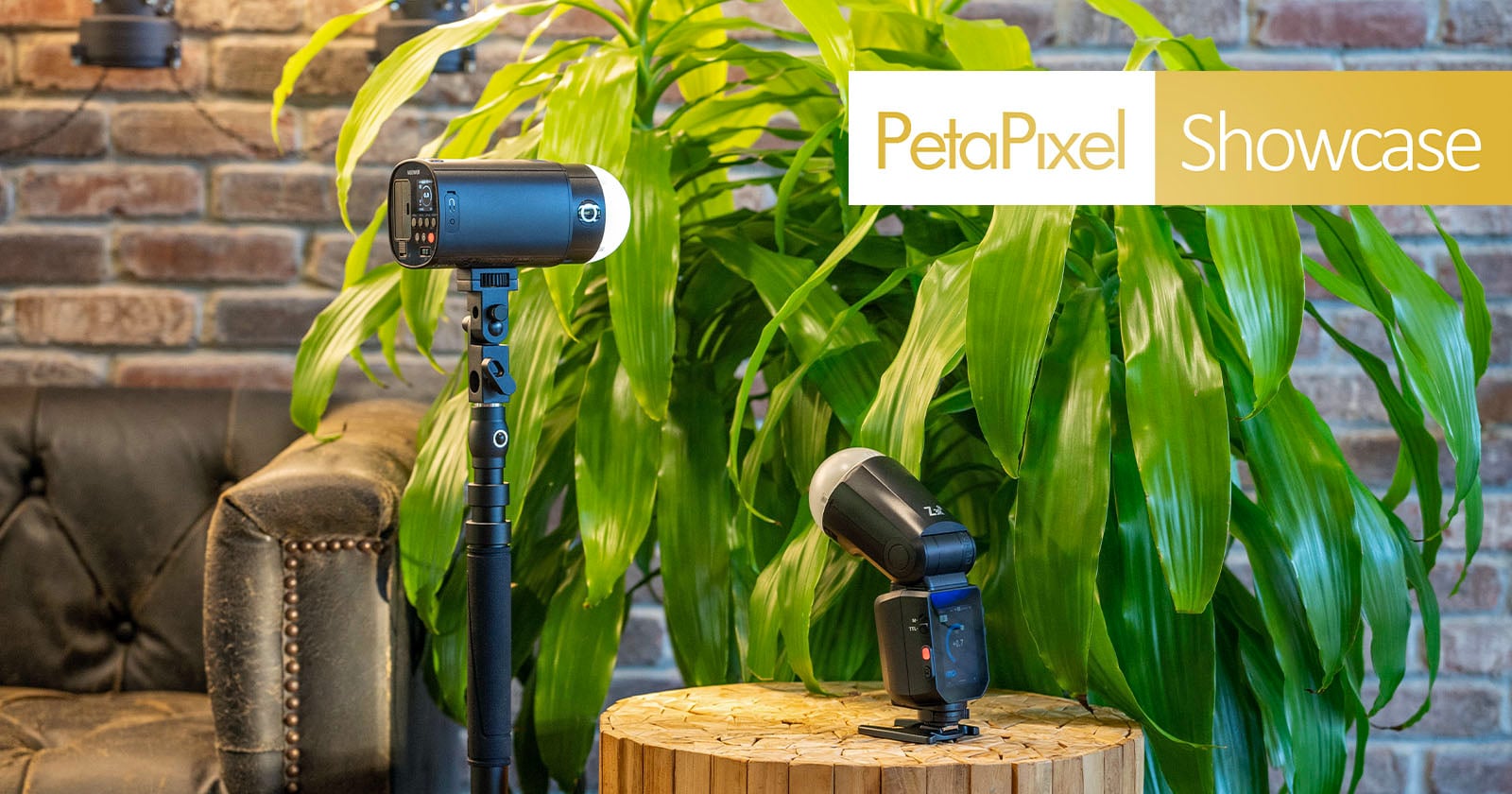
Neewer’s latest lighting release introduces two very different flashes aimed at modern photographers working across both studio and location environments. The Q120 outdoor strobe focuses on compact, battery-powered portability for off-camera work, while the Z3R TTL round-head speedlite brings a more refined on-camera experience with a touchscreen-driven interface. This hands-on review looks at how each unit translates its design into real-world shooting situations.
While they share a common design approach, the Q120 and Z3R target different working styles. The Q120 is built for compact, location-ready strobe use, while the Z3R emphasizes a more refined on-camera experience with a touchscreen interface and expanded control.
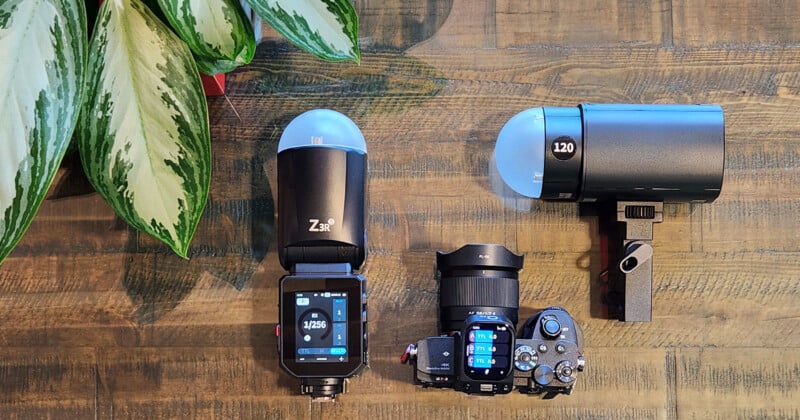
Neewer Q120 Outdoor Strobe
The Q120 feels immediately like a travel-first lighting tool. It is compact, lightweight, and clearly designed for photographers working away from a controlled studio environment. In use, it sits in that practical middle ground between small portable flashes and more traditional battery-powered strobes.
At 120Ws, it is not trying to compete with full studio packs, but it does not feel underpowered either. The 9-stop range gives it enough flexibility to handle everything from subtle fill to full key light duty, and the recycle times remain quick enough to keep pace with changing scenes. The real strength here is responsiveness, it feels ready almost immediately after firing. In fact, as soon as I opened the Neewer trigger and turned both it and the light on, the Q120 worked as the A light with zero set up or fuss.
Battery performance is equally practical. The removable 7.2V 3000mAh pack is rated for roughly 410 to 420 full-power pops, which is more than enough for a typical location shoot without constantly thinking about power management.
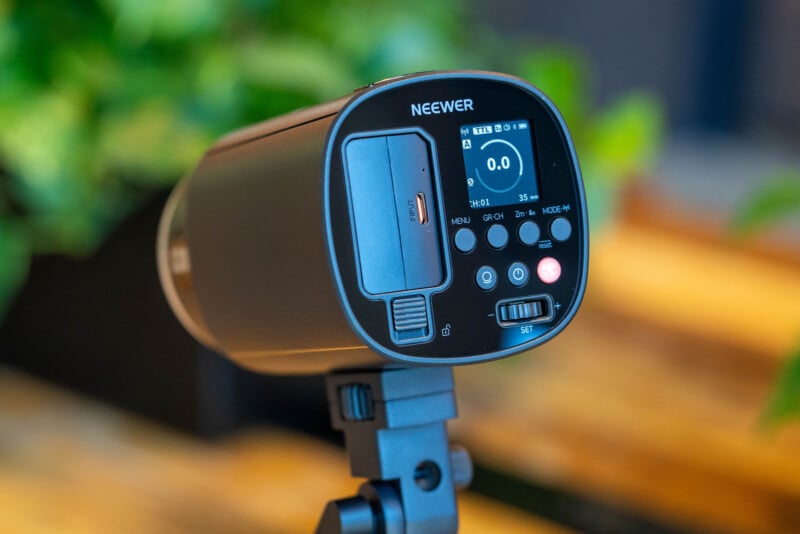
Physically, the round-head design helps it blend into Neewer’s broader ecosystem of modifiers. It ships with a metal handle, diffuser dome, carry bag, and battery, making it a ready-to-shoot package out of the box. The built-in 3W LED modeling light is a small but genuinely useful addition for pre-visualizing direction and falloff when working quickly on location.
Control options are familiar if you have used Neewer’s Q system before. TTL, manual, and multi-strobe modes are all present, along with high-speed sync up to 1/8000 second when paired with compatible triggers. Optical S1 and S2 modes remain useful for simpler multi-light setups.
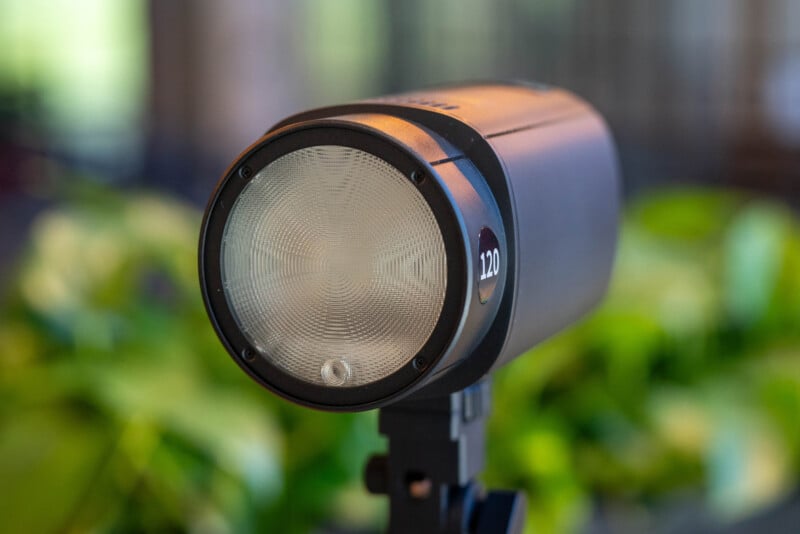
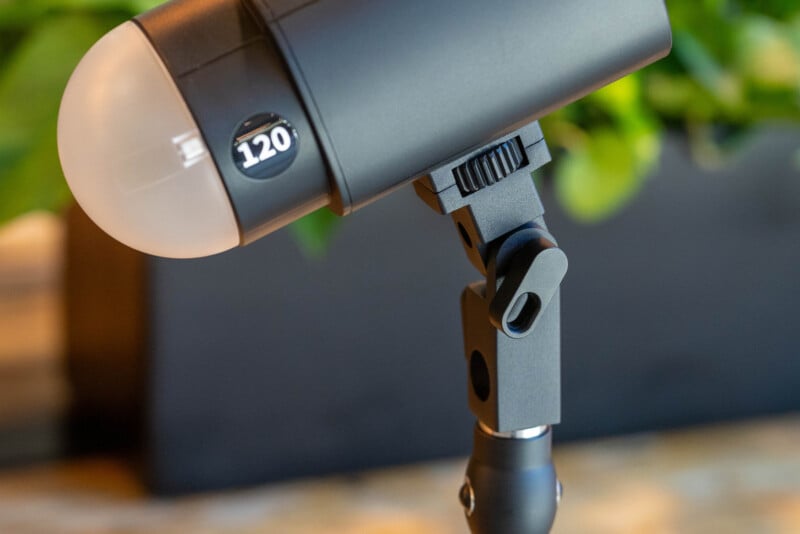
Wireless performance is handled through the 2.4 GHz Q system, offering group-based control, multiple channels, and a solid working range for location work. RX COMPAT support adds flexibility with Godox X triggers, although you are still working within one system at a time rather than a true hybrid mode.
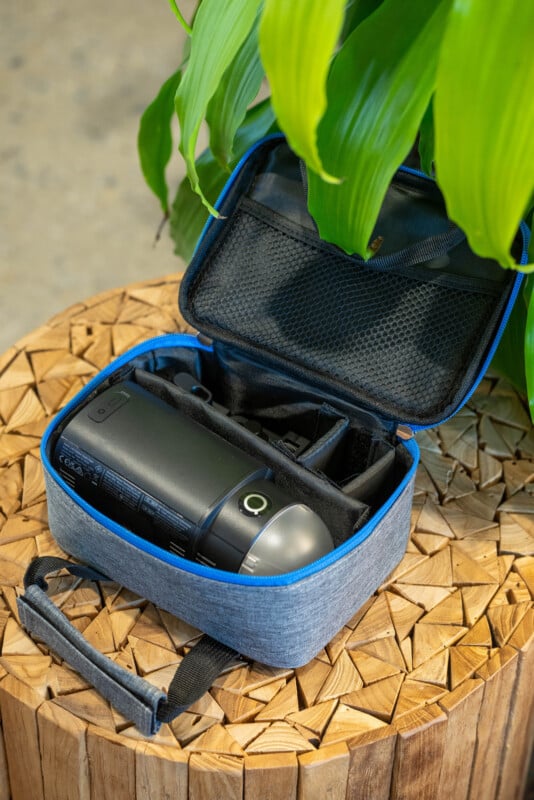
In terms of physical handling, it is compact enough to mount easily in small setups without feeling bulky. At just over a pound and a half with the battery, it stays firmly in the “carry all day without noticing it” category. Plus with the perfectly sized included carry case, I was able to fit the flash head, its handle and mount, a trigger (not included), and other small lighting accessories that I might need for a day in the field photographing.
Neewer Z3R TTL Round Head Speedlite
The Z3R takes a noticeably different approach. Where the Q120 is about simplicity and portability, the Z3R is about control and interface refinement. It is aimed at photographers who still rely on on-camera flash but want a more modern workflow.
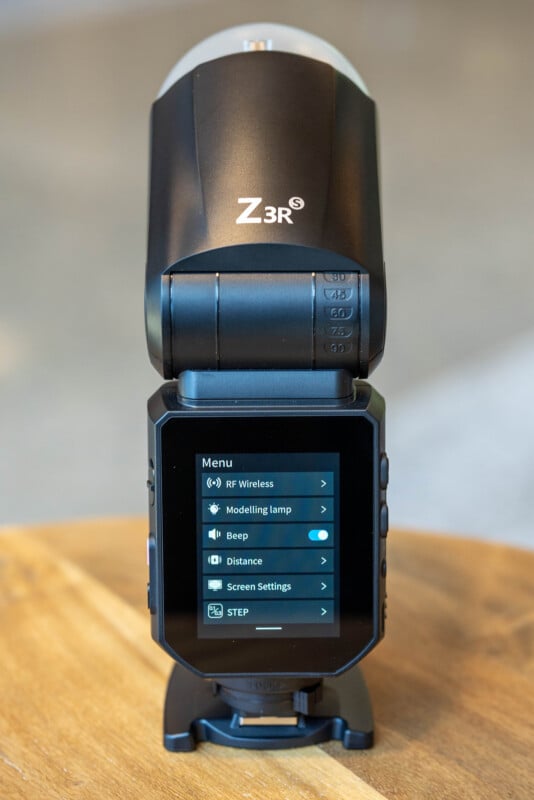
The most immediate change is the touchscreen. The 2.8-inch color display reshapes how you interact with the flash, replacing traditional button navigation with direct adjustment. In practice, this makes setting changes faster, especially when working through multiple groups or adjusting power on the fly during events.
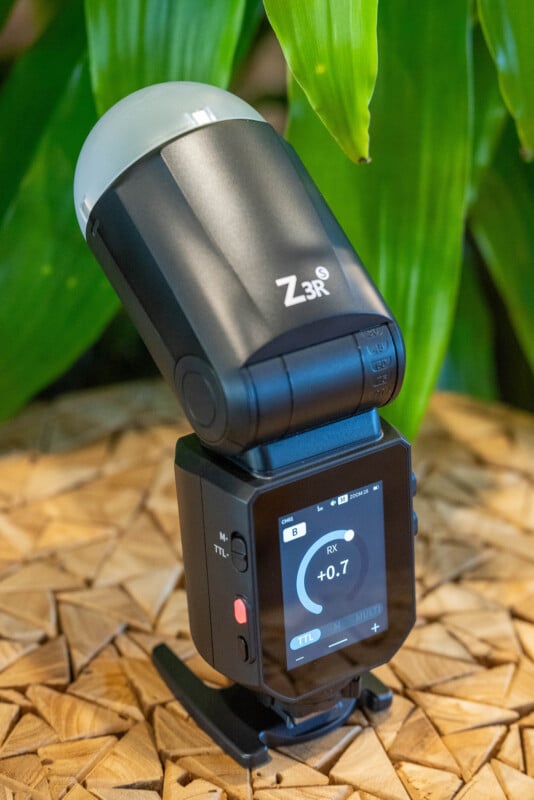
Output is rated at 100Ws, which places it firmly in the higher end of speedlite-style flashes. Combined with its recycle performance and burst capability, it feels well-suited for event work where consistency matters more than absolute power.
Battery performance is strong, with a 3000mAh pack rated for up to 500 full-power flashes per charge. USB-C charging also makes it easier to integrate into modern workflows without relying on older charging systems.
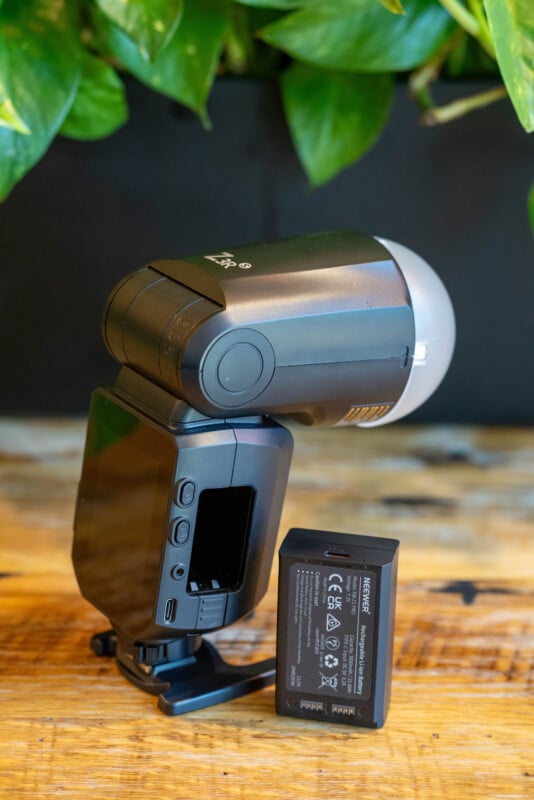
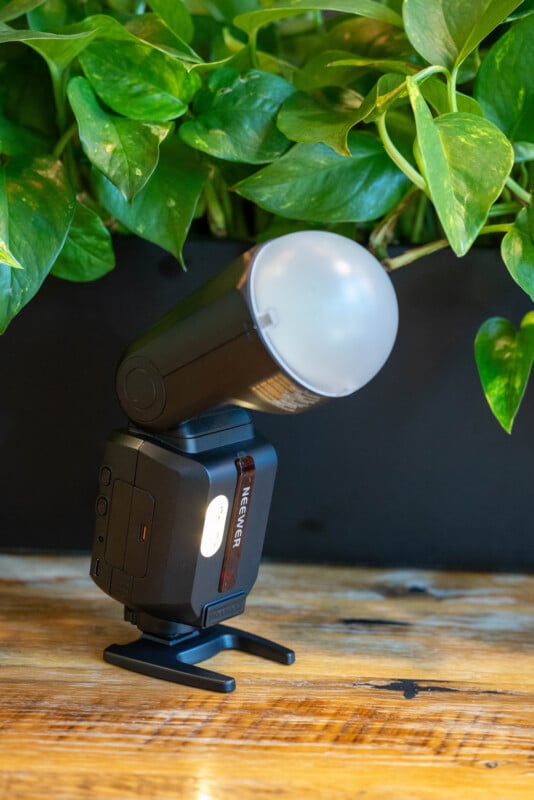
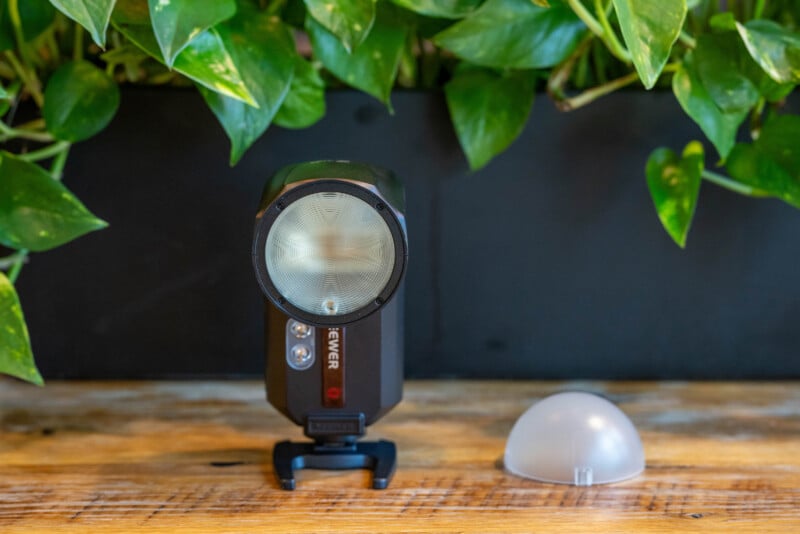
One of the more distinctive design choices is the inclusion of dual LED modeling lights built into the flash head. While not a replacement for dedicated continuous lighting, they do help when working in low-light environments or when pre-visualizing bounce direction.
The round head itself behaves as expected, with smooth tilt and rotation that supports a wide range of bounce angles. That flexibility, combined with the magnetic diffuser system, makes it a versatile on-camera tool rather than a fixed directional flash. It also includes a helpful removable stand for use off camera.
Wireless operation mirrors Neewer’s Q system structure, with full group control and RX COMPAT support for Godox X transmitters. In practice, this positions the Z3R as a fairly flexible hybrid tool, especially for photographers already working across multiple trigger systems.
Camera compatibility spans Sony, Canon, and Nikon variants, keeping it aligned with the major mirrorless ecosystems. My unit was the Sony specific model which along with the trigger paired easily with my Sony mirrorless gear.
Wireless Ecosystem and System Integration
Both flashes reinforce Neewer’s push toward a unified Q wireless ecosystem. The system continues to expand across strobes, speedlites, triggers, and modifiers, with RX COMPAT acting as a bridge into parts of the Godox X ecosystem rather than a full merger.
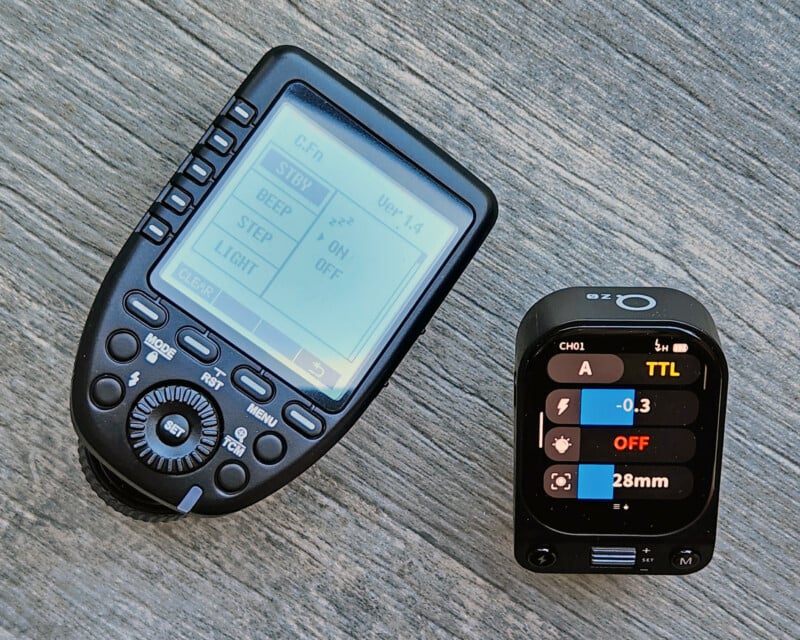
In practical use, both the Q120 and Z3R can be controlled through Neewer’s Q-series transmitters, including the QPro and QZ triggers, while also offering compatibility with Godox X-series transmitters such as the XPro, X2T, and X3 when RX COMPAT mode is enabled. This flexibility makes it considerably easier for photographers who already own Godox equipment to integrate either flash into an existing setup without having to completely replace their trigger system. However, the Q and X wireless systems cannot be used simultaneously, requiring users to select one ecosystem at a time.
The Q120 in particular benefits from Neewer’s growing magnetic accessory system, including mounting kits, diffusers, and modifier brackets that help it integrate more easily into both compact and more elaborate lighting setups. Compatibility with the Sekonic L-858D via the RT-GX module further expands its appeal for photographers who rely on dedicated light metering as part of their workflow.
During testing, I was provided with both the Neewer QZ-S and Godox XPro-S transmitters to use with the flashes. Of the two, I generally preferred the Neewer trigger thanks to its straightforward operation and responsive touchscreen interface, which made adjustments quick and intuitive while shooting. That said, I used both triggers throughout the testing process and appreciated the ability to move seamlessly between the two ecosystems. Support for both Neewer and Godox transmitters significantly lowers the barrier to integrating these flashes into an existing lighting kit. Rather than rebuilding groups, replacing transmitters, or adapting established workflows, the flashes fit naturally into setups that many photographers may already be using.
On Location Field Test
To test both lights in real-world conditions, I spent time photographing a group of local dog models both indoors and outdoors. The aim was to evaluate how the Q120 outdoor strobe and Z3R speedlite handled a wide range of subjects with different coats, textures, and tonal variations. In total, I worked with 12 dogs across multiple breeds, sizes, and coloring, including both long and short-haired subjects, which provided a useful range for evaluating light falloff, detail retention, and shadow behavior.
Outdoors, I primarily approached the shoot from my usual natural-lighting perspective, using the environment as the foundation and shaping the light to maintain soft, organic transitions across the subjects. This style is central to how I typically work outdoors, where the goal is often to preserve a sense of realism while still gently enhancing form and texture.
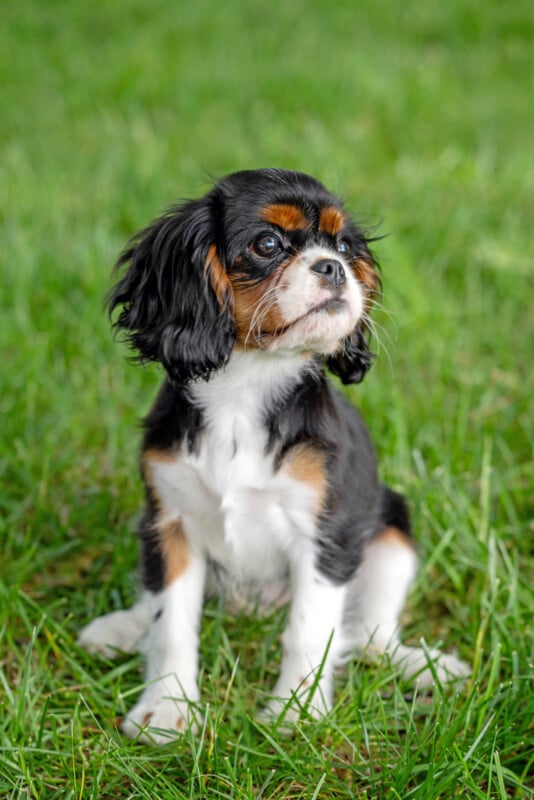
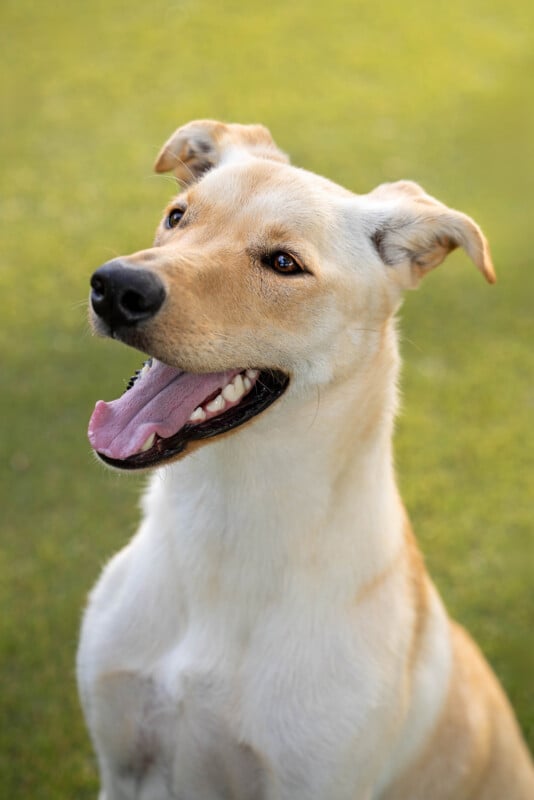
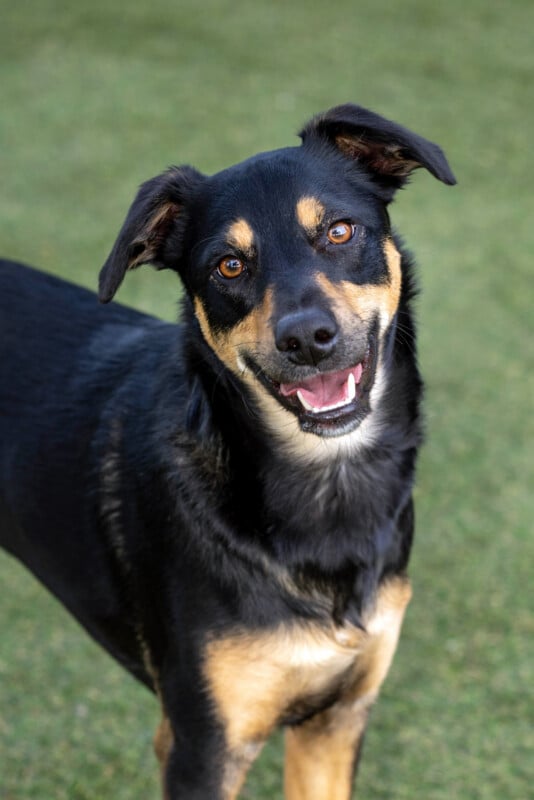
I also deliberately introduced more structured, stylized lighting while outdoors to better evaluate how both flashes would perform when pushed beyond subtle fill and into more intentional shaping.
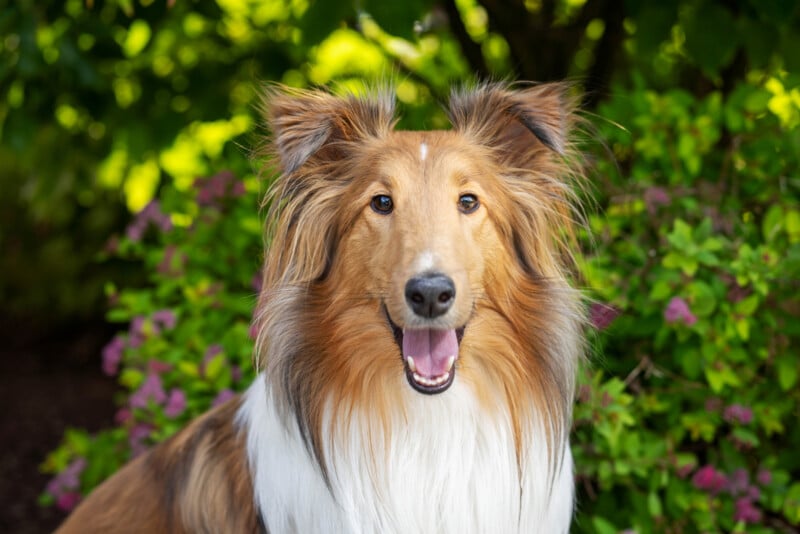
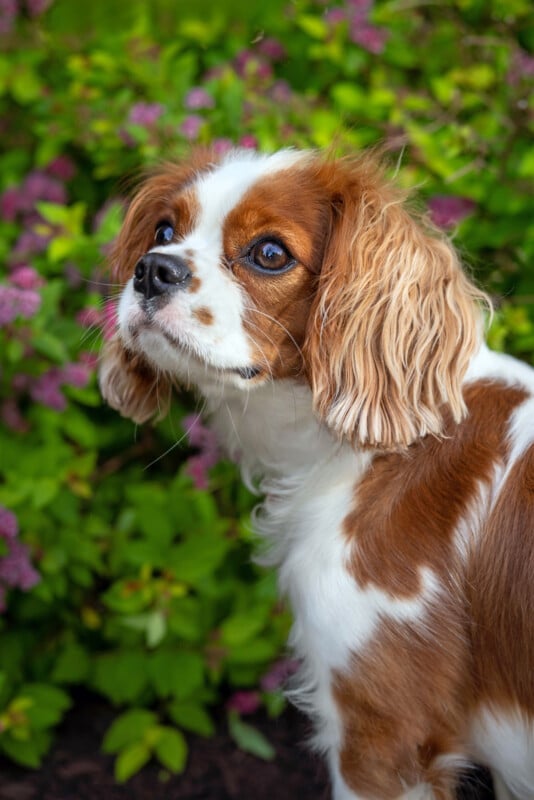
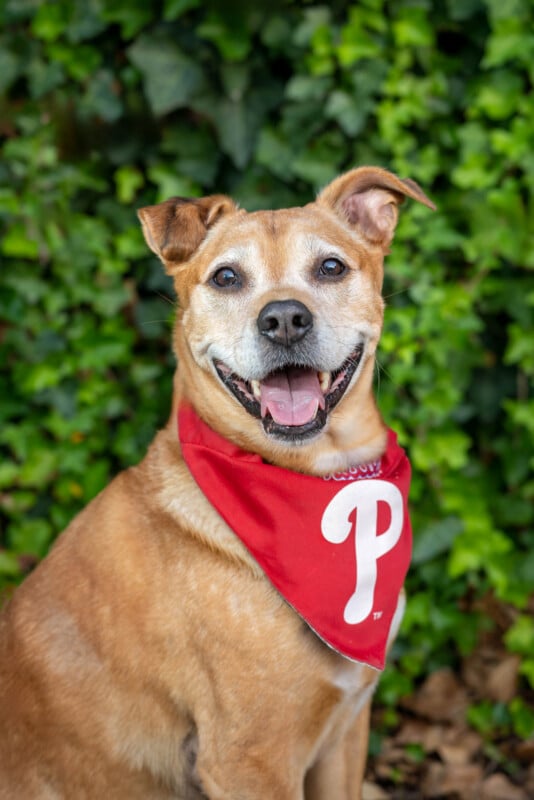
In these outdoor setups, the Q120 consistently took on the role of the key light. Its output quality translated well into a soft yet controlled illumination that maintained detail in fur texture without feeling overly harsh or artificial. It worked particularly well when balanced against ambient light, allowing the subjects to remain naturally integrated into their surroundings while still gaining definition and separation.
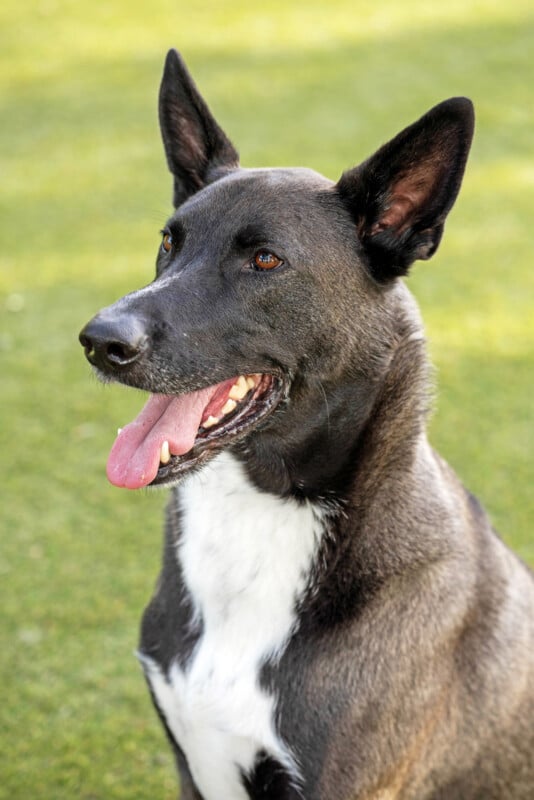
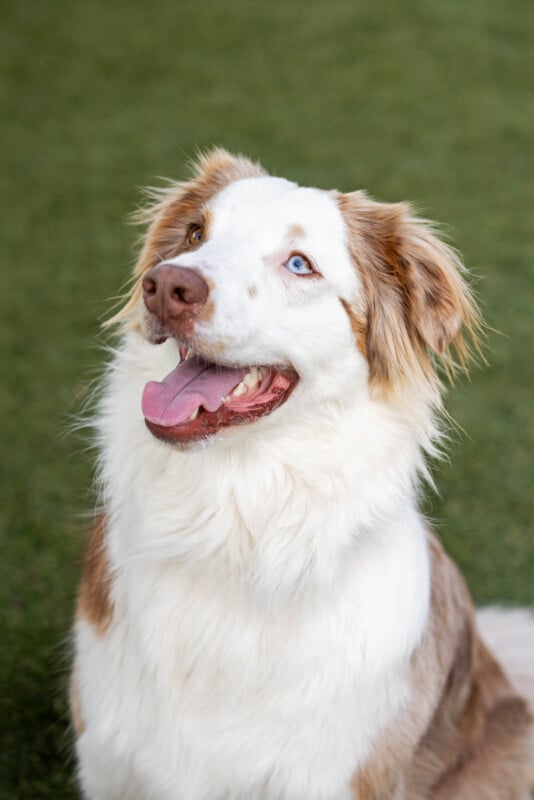
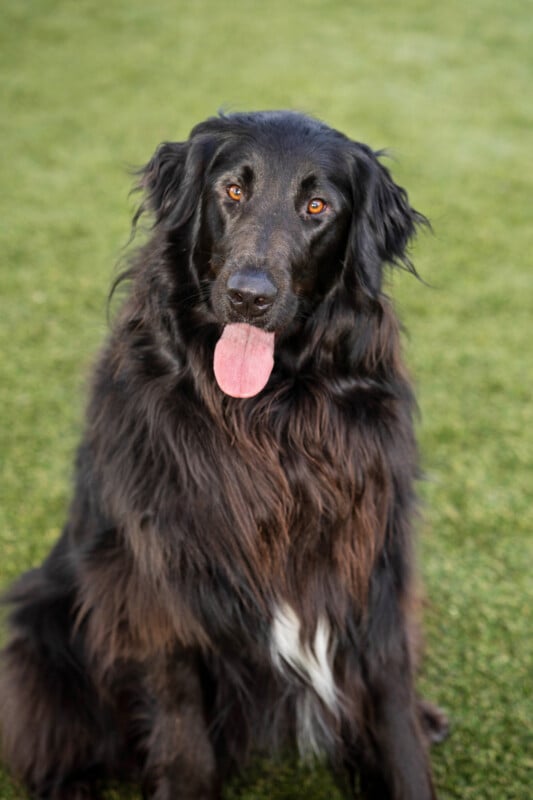
The Z3R was used more often as a supporting or fill source outdoors, helping to lift shadows and refine contrast without disrupting the natural feel of the scene. This pairing made it possible to move between a more documentary-style rendering and a slightly more polished, stylized look depending on how much flash contribution was introduced. For photographers who prefer natural-looking outdoor portraits but still want the option to subtly enhance structure and depth, this combination proved particularly flexible.
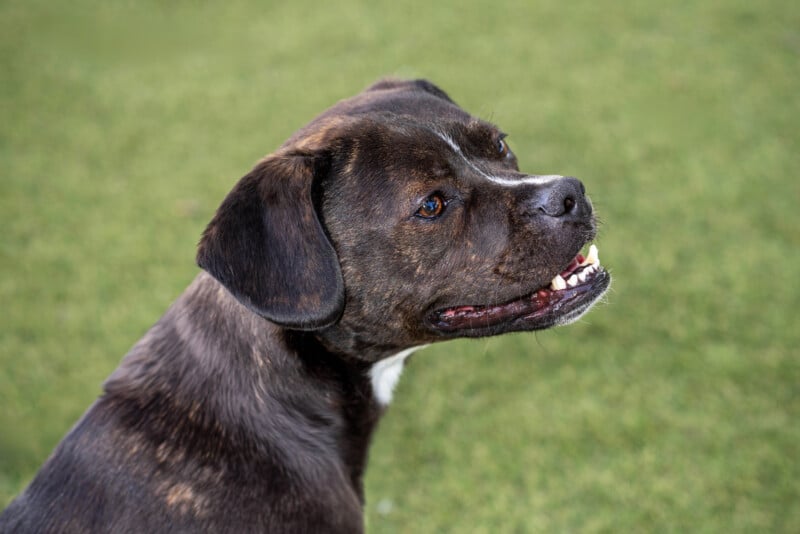
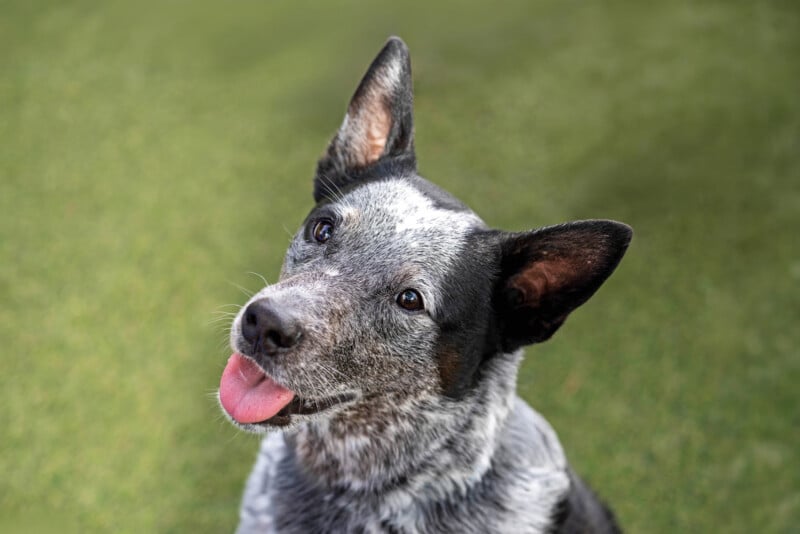
Indoors, my direction shifted more intentionally toward a controlled, stylized lighting approach. With environmental constraints removed, I focused on pushing both lights harder to explore how they behaved under higher contrast conditions. This allowed for more deliberate shaping of the dogs’ expressions and form, with stronger directional lighting and more defined shadow structure.
The controlled environment also made it easier to experiment with the multi-light setups. In several frames, the Q120 was used as the primary key light while the Z3R handled fill and separation, and then swapped to see how each would perform as the primary light.
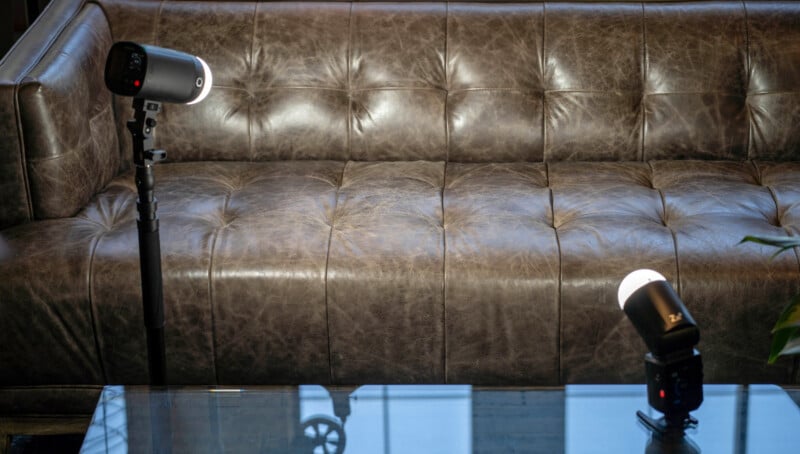
In the final indoor portrait session, I decided to experiment for fun. Warm gels were introduced on the lights, adding color contrast and depth that helped separate the subject from the background while introducing a more cinematic tone to the image. What stood out most in this setup was how quickly and effortlessly both lights allowed for experimentation beyond my usual, more light-handed approach to lighting.
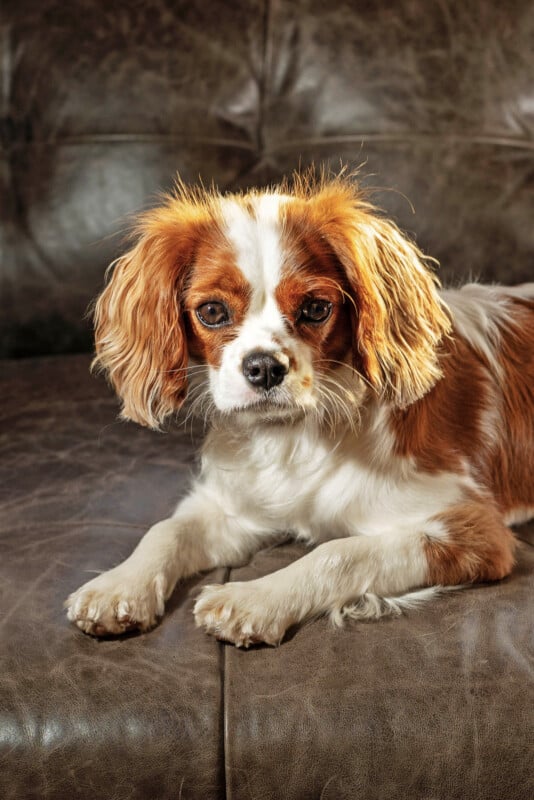
The combination of consistent output and straightforward control made it easy to push the scene further than I typically would, testing stronger color and contrast decisions without hesitation or technical friction getting in the way. The results were genuinely surprising in a positive way, producing a more dramatic and stylized look that felt elevated. It also made the process itself more engaging creatively, opening up a direction I don’t often explore in my work but found myself enjoying enough to reconsider for future photoshoots.
During the session, this pup’s owner told me that she absolutely loves the way her dog lays in a “sploot” pose with her back legs stretched out behind her. Noticing that those details were getting lost in shadow, I made a simple adjustment and redirected the Z3R speedlite to add a little more illumination to that part of the frame. The resulting image captured exactly what she loved about the pose, and when I showed her the photo on the back of the camera, it earned one of the biggest smiles of the day.
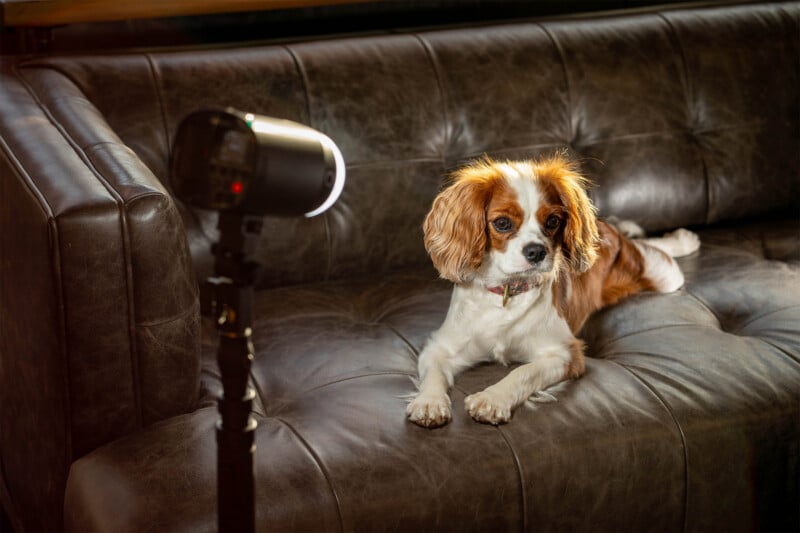

Across both environments, the flexibility of the system stood out. The ability to quickly adjust between naturalistic outdoor rendering and more stylized controlled lighting made it easy to adapt without changing equipment. The Q120 in particular felt strongest when used as a key outdoor light, while the Z3R offered reliable versatility across both fill and on-camera roles.
Overall, the experience of working with both flashes was consistently positive. Each unit felt clearly designed for its intended purpose, but together they also formed a surprisingly adaptable lighting kit capable of supporting both natural and more crafted visual styles depending on the creative direction.
Pricing and Availability
The Neewer Q120 2.4 GHz Outdoor Strobe Flash is priced at $220.
The Neewer Z3R-S TTL Round Head Flash Speedlite for Sony is priced at $224, with Canon and Nikon versions also available.
Welcome to a PetaPixel Showcase, in which our staff gives you a hands-on with unique and interesting products from across the photography landscape. The Showcase format affords manufacturers the opportunity to sponsor hands-on time with their products and our staff, and it lets them highlight what features they think are worth noting, but the opinions expressed from PetaPixel staff are genuine.


