The opinions expressed here by Trellis expert contributors are their own, not those of Trellis or its editors.
The first half of 2026 has been challenging for those working in supply chains. Geopolitical shocks, ongoing tariff wars, the continuing dismantling of U.S. climate policy and climate-driven events have piled up in ways that have tested even the most resilient procurement professionals. For those sourcing forest-based inputs — wood pulp for paper packaging and viscose-type fabrics for fashion — the pressure is mounting in unprecedented ways.
The closure of the Strait of Hormuz, in particular, has sent a sharp reminder to businesses and governments, including those overseeing key producer regions such as China and India, that dependence on distant raw material inputs is a structural vulnerability, not merely an inconvenience.
Put starkly: If you cannot get your feedstock, you cannot make your product and you cannot meet commitments further up the supply chain. Solving this challenge will require strategic rethinking beyond the current set of crises.
Shrinking forests, tightening supplies
Wood pulp is the foundation of both the paper packaging and cellulosic textile supply chains. Producers have long treated forests as a reliable, essentially inexhaustible source, but that assumption is now being tested on multiple fronts simultaneously.
Deforestation regulations are tightening in the EU and elsewhere, narrowing the pool of certified forest-based inputs at the same time that demand is rising as companies shift from plastic to paper-based packaging, construction increasingly integrates wood instead of steel and concrete, and biofuel production surges. Intensifying wildfires are disrupting wood supply across producer regions in Canada, Australia, Brazil, Europe and Indonesia. Tariff shocks are adding cost and unpredictability to already strained budgets. The result is more expensive, less reliable and more legally exposed supply chains.
For procurement and sustainability professionals, this is not a distant risk to monitor. It is an immediate liability to manage.
What is fiber sovereignty?
Governments are beginning to respond in ways that will structurally reshape global fiber markets. China, aware of its dependence on wood imports, is moving to embed circularity in its textiles production strategy, looking to mobilize its vast reserves of waste textiles — estimated in the hundreds of millions of metric tons— as a domestic feedstock alternative. India, looking to address pollution from annual stubble-burning and a growing imperative to reduce deforestation-linked wood imports, is positioning to scale clean, straw-based packaging production that converts agricultural waste into a valuable feedstock.
These are not marginal policy shifts. They signal a reorientation around resource sovereignty — a recognition that over-reliance on offshore single-source inputs is a strategic risk that no government or business can afford to ignore anymore.
Next-gen fibers
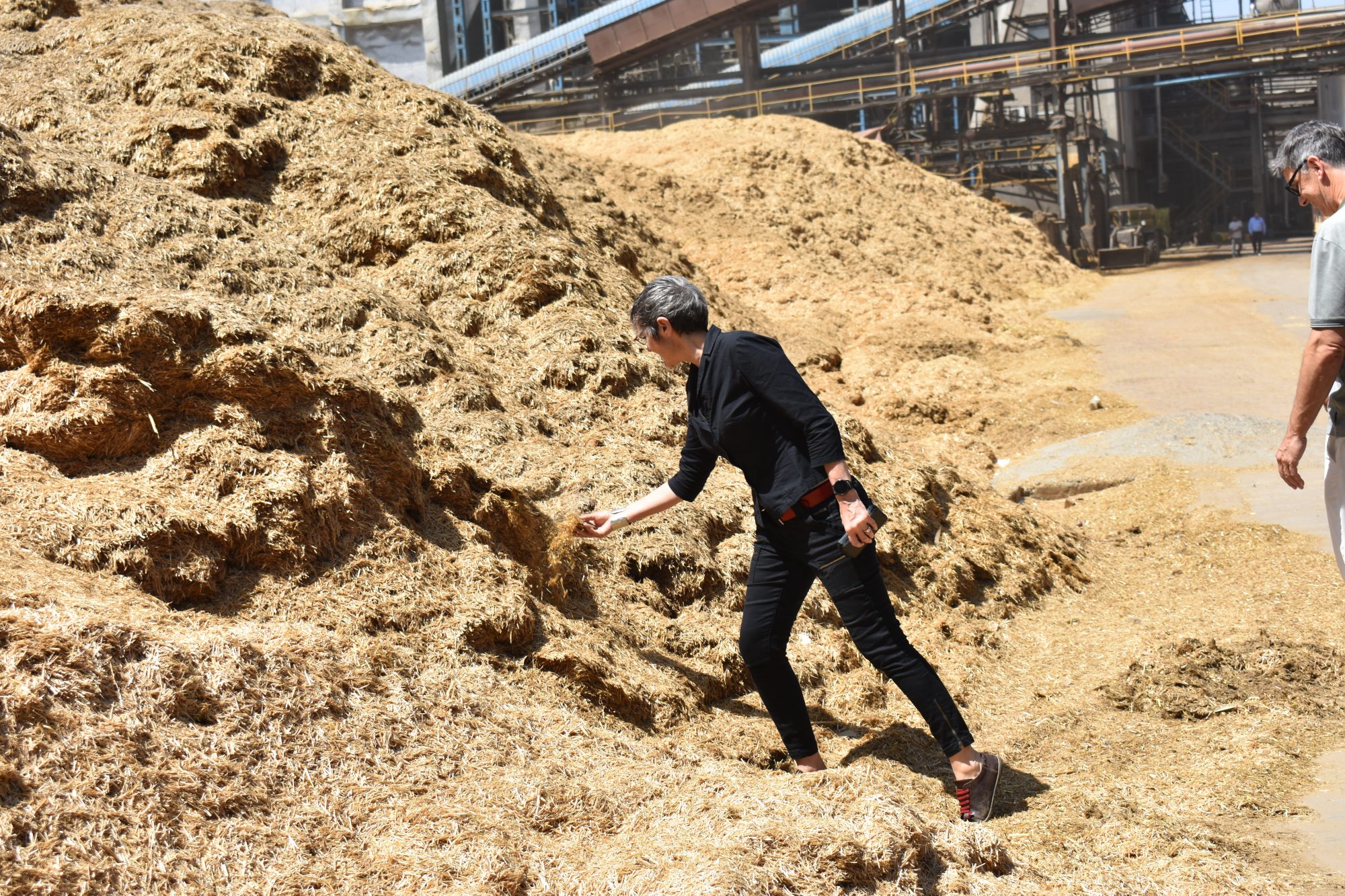
The good news for procurement and sustainability teams is that proven alternatives exist and are ready to scale. A new generation of materials — commonly called next-gen fibers — comes not from climate-critical forests but from waste streams that have damaging effects of their own: agricultural residues normally burned in open fields, causing air pollution, and discarded textiles normally destined for an already full landfill.
These materials can be processed into high-quality pulp and fiber suitable for paper boxes, cups and takeout containers, as well as fabrics like rayon, viscose and lyocell. The raw material is abundant, and the technology to make the fiber is coming online now — for example, Chinese mills like Circulose, Yibin Grace and Jilin that convert textile waste into pulp for next season’s clothing, and North American innovators, such as Genera, that can turn agricultural residues into packaging. In the last year, the amount of agri-residue pulp produced in the world grew by 3 percent.
What the sector needs now is procurement commitment to bring costs down and secure investment to unlock reliable supply at scale.
The case for change
Continuing to rely on conventional wood pulp means accepting ongoing exposure to regulatory risk, price volatility and likely shortages. Investing now in next-gen fiber diversification offers a different set of outcomes.
Early movers stand to lock in steady access and lower-cost supply. Circular and waste-based inputs tend to attract lower tariff risk and supply disruption, as they can be more local, and they fall outside the deforestation-linked categories facing the greatest regulatory scrutiny. Companies that diversify their fiber supply now are better positioned to meet their Scope 3 targets, satisfy upcoming forest-based sourcing regulations and maintain market share as companies and governments raise the bar on credible sustainability claims.
Beyond procurement metrics, there is a broader value proposition. Next-gen supply chains create economic opportunity in rural and agricultural communities, reduce the air pollution of waste removal like stubble burning, and relieve sourcing pressure on forests — leaving them to perform their irreplaceable functions of carbon storage, biodiversity protection and climate regulation.
The strategic question is no longer whether forest-based supply chains face disruption. The question is whether your company is building the supply relationships, supporting supplier development capabilities and creating internal alignment to move toward next-gen materials before the window of early-mover advantage closes.


