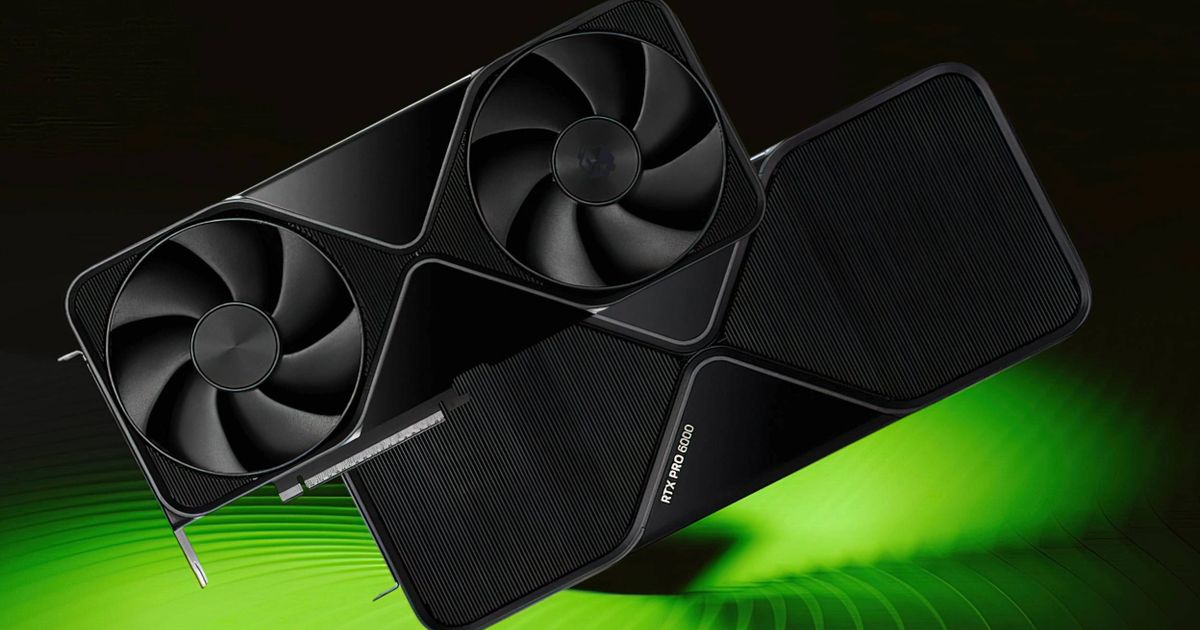
This card now costs more than a mid-range used car.
Key Points
- Nvidia’s official marketplace now lists the RTX Pro 6000 Blackwell Workstation Edition at $13,250 — up from a $8,565 launch price in March 2025, a 55% official increase
- The primary driver is the card’s 96GB GDDR7 VRAM — the largest in any discrete desktop GPU — in a market where memory supply is severely constrained by AI chip demand
- Tom’s Hardware analysis confirms only approximately 8% of the price increase reflects actual manufacturing cost increases — the remaining 92% is pure supply and demand
- Server Edition variants are hitting $14,999 in third-party channels — the consumer RTX 5090 has similarly doubled from its $1,999 MSRP to above $4,000 at retail
- AMD has no competing product at this VRAM capacity level — Nvidia’s pricing power is effectively unconstrained in the 96GB workstation GPU market
The 96GB VRAM Card Nobody Can Replace
92% of the Increase Is Pure Market Power
Tom’s Hardware’s breakdown is the most damning number in this story. Manufacturing costs for the RTX Pro 6000 Blackwell have increased by approximately 8% since launch. The remaining 92% of the $4,685 price increase is demand-driven pricing — Nvidia charging what the market will bear because AMD cannot offer a competing product at 96GB VRAM capacity.
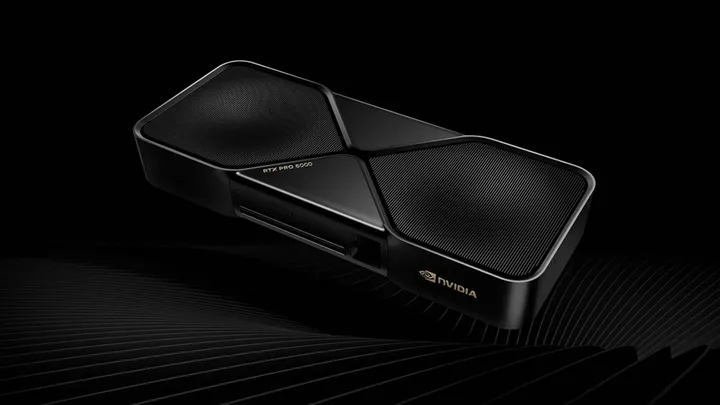
The RTX Pro 5000 72GB has been positioned as a theoretical middle ground, but it remains unpriced and unavailable. Until a real competitor arrives with comparable VRAM, Nvidia has no incentive to hold the line on RTX Pro 6000 pricing.
The Consumer Market Is Following the Same Pattern
For professionals evaluating whether to buy versus rent cloud GPU access, the RTX Pro 6000 at $13,250 makes cloud pricing — typically around $2.43 per hour per GPU — more economically competitive for intermittent workloads than ever before.


