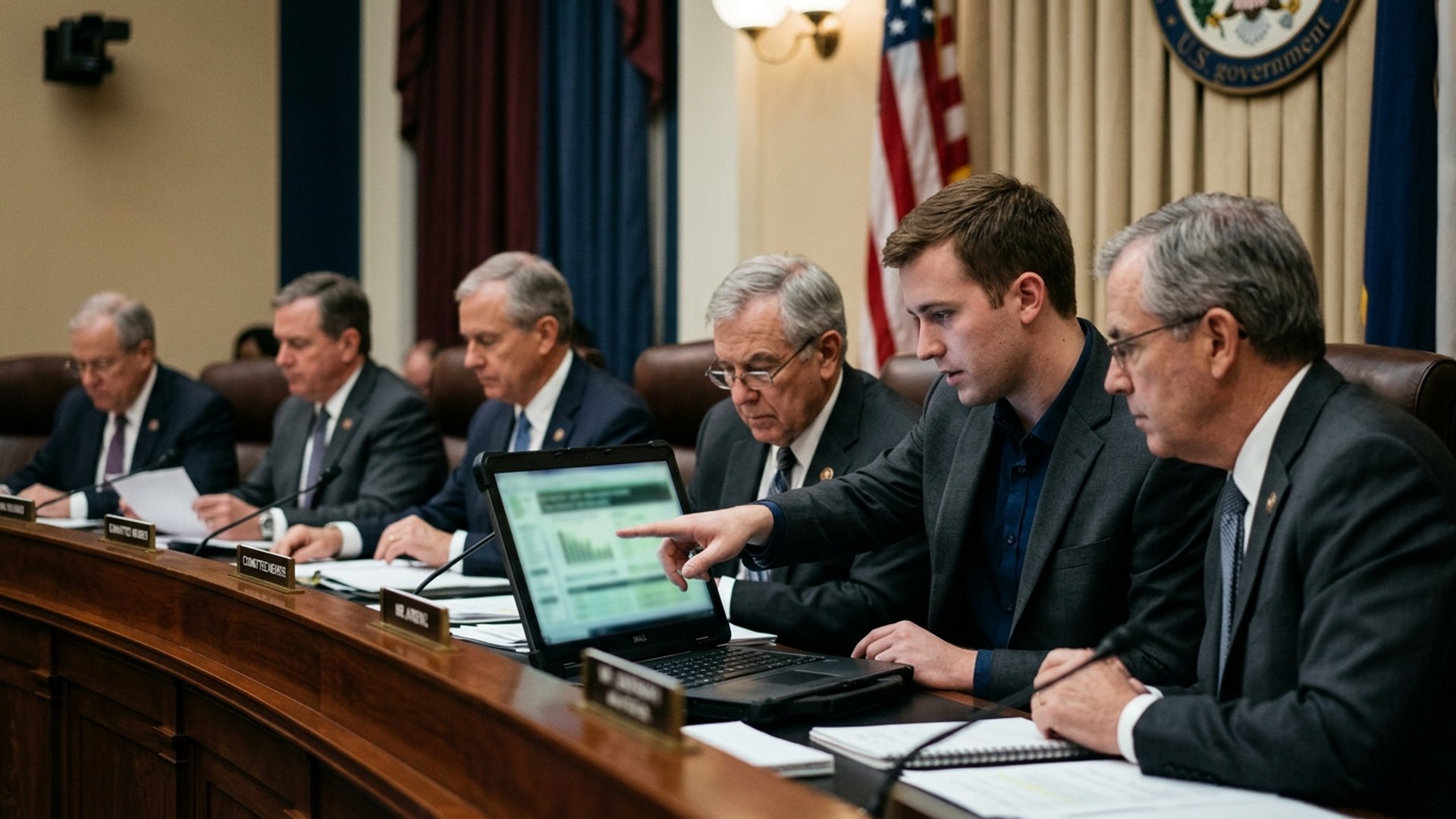
OpenAI launched an initiative on August 18, 2026 to strengthen democratic oversight of government AI use in national security, committing $5 million in training, technical support, and OpenAI credits to government oversight bodies over the next year.
The program targets the institutions already charged with overseeing national security work (the public institutions with established oversight authorities and legally constituted oversight bodies) as AI moves into that work at a speed their existing methods were not built for. OpenAI’s announcement frames the gap directly: traditional oversight is labor intensive, and small teams working with paper-era methods cannot review systems operating at machine speed.
The company drew a firm line around its own role. OpenAI does not perform an oversight function over government, the post states, and should not; that responsibility belongs to elected officials and the public institutions established for it. What the company can do, it says, is support those institutions with technology as they carry out existing mandates.
Three principles govern the work. AI should strengthen rather than replace human and institutional judgment, with decisions about whether government conduct is lawful and appropriate remaining with authorized agencies and oversight bodies. Government use of AI should be traceable and legible to authorized reviewers, so they can understand how AI contributed to a decision while classified, private, and security-sensitive information stays protected. And AI should be used to empower the oversight institutions themselves, on the argument that manual review of government AI use cannot scale.
What the Initiative Commits to Delivering
The post lays out four workstreams for the coming year. OpenAI will work with authorized officials to identify where AI tools or technical support can make oversight more effective. The $5 million commitment (split across training, technical support, and OpenAI credits) goes to democratic government oversight bodies to support responsible adoption and evaluation of AI tools.
The third workstream is the most concrete: pilot programs with oversight institutions on tools that let authorized reviewers examine the records surrounding AI-assisted government decisions, including relevant inputs, outputs, and tool use, to better understand how AI affected outcomes. The post commits that those tools will be interoperable or model-agnostic where feasible, and that participating institutions, not OpenAI, retain control of the evidence, outputs, and findings, which remain available only to authorized government officials. Fourth, the company will engage civil society groups and technical experts so their perspectives shape how the tools are built.
The initiative arrives six weeks after OpenAI published its National Security Principles on July 8, 2026, a framework developed with former Justice Department national security official David Kris serving as an outside facilitator. That document governs the company’s existing work with the Department of War and carries contractual restrictions announced earlier in 2026: no use of OpenAI technology for mass domestic surveillance, no use to direct autonomous weapons systems, and no use for high-stakes automated decisions. In the July post, the company also said it supports legislative efforts to establish safeguards around the highest-risk military uses of AI, including domestic surveillance and autonomous weapons.
Where the Oversight Argument Meets OpenAI’s Own Models
The announcement applies to government institutions the same logic OpenAI applies to itself: more capable systems require stronger oversight. Under the company’s Preparedness Framework, updated April 15, 2025, advanced models undergo capability review before deployment to determine whether safeguards are sufficient, with monitoring and incident review continuing after release. That framework sets two operational thresholds (High capability, which could amplify existing pathways to severe harm, and Critical capability, which could introduce unprecedented new pathways) and requires safeguards that sufficiently minimize the associated risk before systems at those levels ship.
That internal machinery is not theoretical. OpenAI recently told users its upcoming Astra model may cross the framework’s Critical threshold for cybersecurity capabilities, and chief executive Sam Altman has met with the officials designing Washington’s AI cyber evaluations as federal testing programs take shape. The new initiative extends the same review-before-deployment posture outward, to the government bodies asked to oversee systems like these once agencies adopt them.
The post names no participating oversight bodies, sets no distribution schedule for the $5 million, and identifies no pilot partners. Those details will presumably follow as the workstreams engage. OpenAI says it will judge the initiative’s progress by whether authorized reviewers are better able to fulfill their obligations and whether the public has stronger reasons to trust that government AI systems are being used as intended.


