OpenAI has purchased Glass Imaging for $300 million, The Wall Street Journal reports.
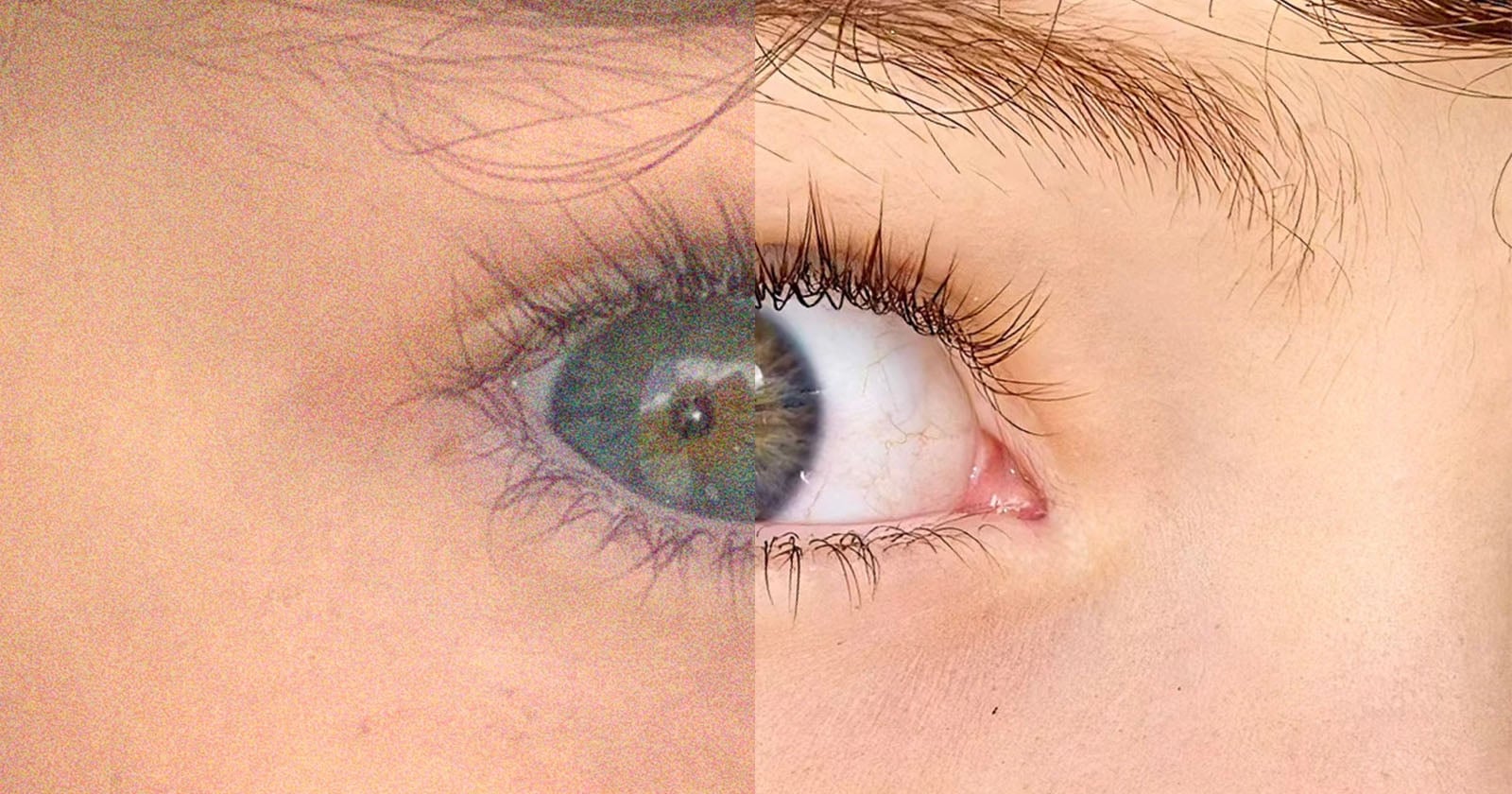
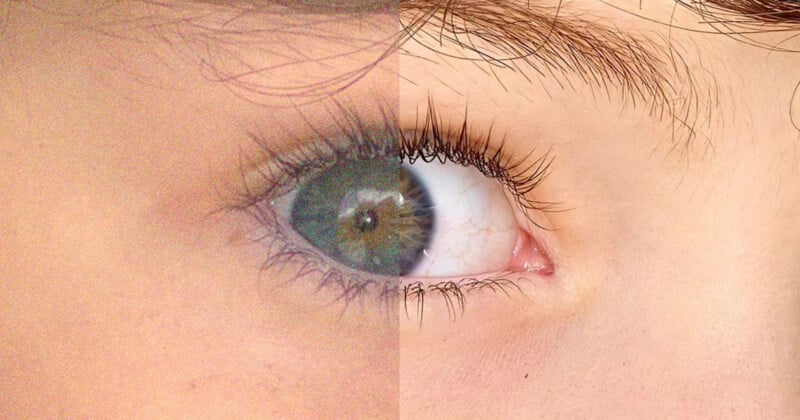
PetaPixel has reported on Glass Imaging many times for its innovative and extremely good technology developed to improve smartphone image quality, most recently because Glass Imaging’s GlassAI Neural image signal processing (ISP) technology was incorporated into the Honor 600 smartphone. In that implementation, Glass Imaging’s ISP improved the image quality of the Honor 600’s high-zoom photography.
This real-world application was long overdue. Way back in 2024, PetaPixel wrote about promising Glass Imaging demos built on the Qualcomm Snapdragon 8 Elite mobile platform. Glass Imaging successfully demonstrated on actual devices with real photos that, thanks to its AI image processing technology, smartphone image quality can genuinely rival the overall performance, resolution, and rendering qualities of dedicated cameras with significantly larger sensors and bigger lenses.
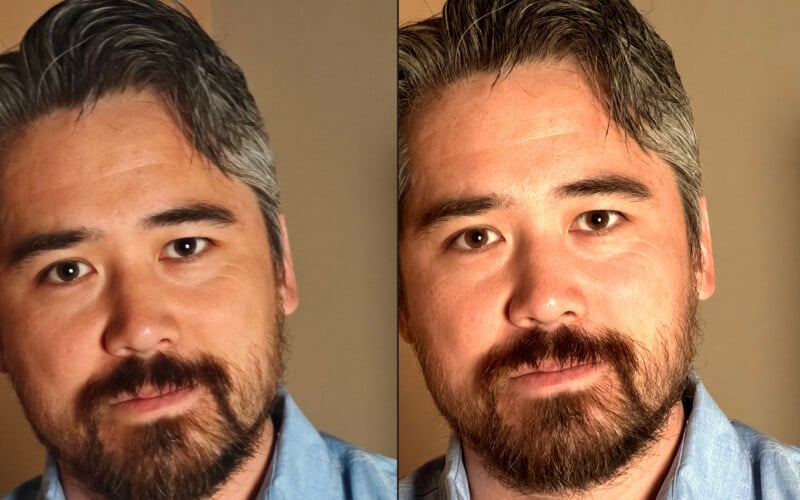
It is not just regular AI processing, either, as Glass Imaging’s GlassAI Neural ISP relies on RAW image data at the sensor level and physical lens characteristics. While the technology can work on any sensor that can capture RAW image data, the company has focused on smartphones, which makes sense given that it’s by far the largest digital camera market and the one most reliant on processing to improve image quality.
Investors have believed in what Glass Imaging is doing for years, hence why the company was valued at $100 million in a funding round last year, The Wall Street Journal reports. It seems that OpenAI is very interested in what Glass Imaging is doing, given that it has reportedly valued the company at $300 million in its acquisition. Neither OpenAI nor Glass Imaging has acknowledged the deal. WSJ cites “people familiar with the matter” in its exclusive report.

It’s not immediately clear why OpenAI wants Glass Imaging. The value of Glass Imaging’s GlassAI Neural ISP is that it works alongside sensor-level data and real-life optical analysis. OpenAI is in the business of AI, not real photos or videos.
However, as WSJ points out, OpenAI purchased Jony Ive’s AI hardware startup last year for $6.5 billion. Perhaps there is overlap if some purported AI device OpenAI develops has image-capture capabilities. It’s pretty easy to imagine an AI device with image capture benefiting from significantly better image quality, even if it’s a means to an end with something like visual intelligence or data analysis.
What will happen to Glass Imaging now is anyone’s guess. But it’s a safe bet that Glass Imaging’s ongoing work on dramatically improving smartphone image quality is on ice, at least for now. That’s a real shame, as the technology has proven to be genuinely transformative.
Image creditsGlass Imaging
Affiliate Disclosure PetaPixel articles may include affiliate links; we may earn a commission if you buy through one.


