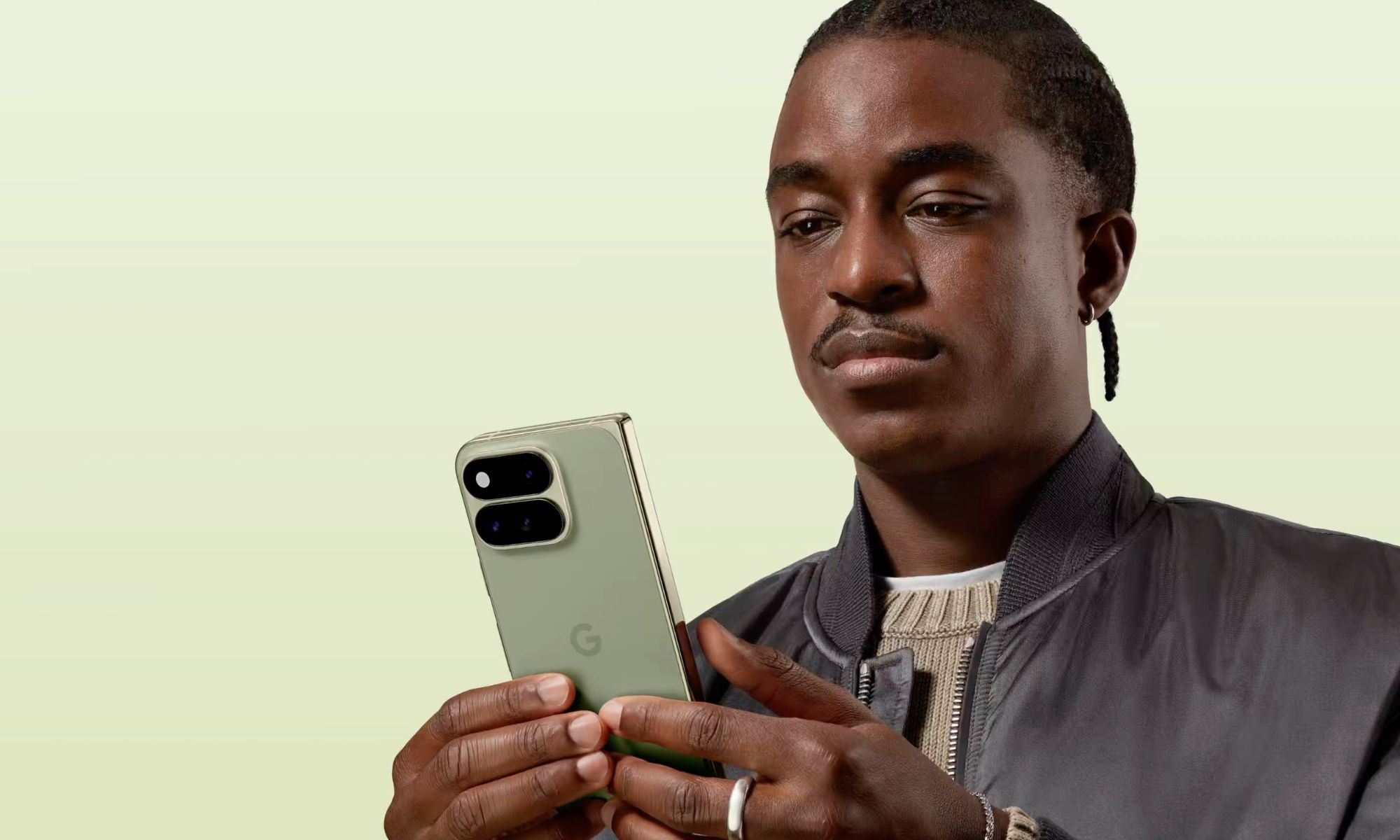
I’ve spent two years arguing that foldables were one good closed screen away from going mainstream, and last month Samsung proved me right. The Galaxy Z Fold8 folds down into a squat 5.5-inch slab at 10:16 (which is the first time a Fold hasn’t felt like a TV remote in my pocket). Google’s Pixel 11 Pro Fold took the opposite bet, keeping the tall 6.5-inch cover screen and a boxy 8-inch panel inside.
Related: Phablets and clamshells worth considering for your next buy
Both land at $1,899, which is the part I find maddening. Nobody should feel slow for stalling on the Pixel 11 Pro Fold vs. Galaxy Z Fold8 decision, because the two phones disagree about what a folding phone is even for. My job below is to break the tie, and I’ll admit up front that Google wins two rounds I care about a lot.
Quick verdict
I’d buy the Galaxy Z Fold8. Samsung fixed the one flaw that kept me recommending foldables with an asterisk, and it did so without charging extra.
The Pixel 11 Pro Fold makes more sense if you shoot at distance, spend summers around sand, or can’t stand One UI. After all, last year’s Pixel 10 Pro Fold led DXOMark’s camera rankings for foldables.
Head to head
The width of the closed phone
Aspect ratio sounds like the driest possible place to start a comparison. It’s also the whole ballgame here, because 10:16 means the Fold8’s keyboard comes out laid like a normal phone’s instead of stretched into a narrow strip. Width is what my thumbs want at a bus stop, and Samsung finally gave it to them.
Fold8 owners keep saying that the on-screen keyboard eats enough of that 5.5-inch panel to bury the conversation they’re replying to, and resizing it only shuffles the problem around. Samsung still takes the closed-phone round, though the Pixel’s taller cover screen remains the better surface for anyone who writes paragraphs by text.
How your apps cope with those shapes
An odd screen shape costs you nothing until software refuses to play along, and the Fold8 has been collecting those complaints since day one. Owners describe apps chopping off the bottom of their own interfaces on the cover panel, Instagram rescaling in ugly jumps on the 4:3 inner display, and Samsung’s own shop app flatly refusing to rotate into landscape.
Google isn’t clean here either, since its square-ish inner screen has always produced a handful of apps that behave folded and fall over open. The Pixel 11 Pro Fold wins app compatibility for the least glamorous reason available, which is that its cover screen uses a shape developers already build for.
Reach past 2x
Samsung gave the Fold8 two 50 MP cameras, wide and ultra-wide, and then stopped. Optical-quality zoom tops out at 2x, the digital crop is capped at 10x, and owner reports agree on where the image gives up, which is the moment you pinch in at all. I’m not much of a photographer, aside from taking photos at the gym to track my progress, but I can see the benefit for someone who does a lot of concert photography on a phone. Without a telephoto lens, though, you’d need to be much closer to the stage.
Google’s answer includes a dedicated 10.8 MP telephoto, a 30x Super Zoom mode, and a new 48 MP main sensor the company rates at 56% better light sensitivity than last year’s.
Where you can take it
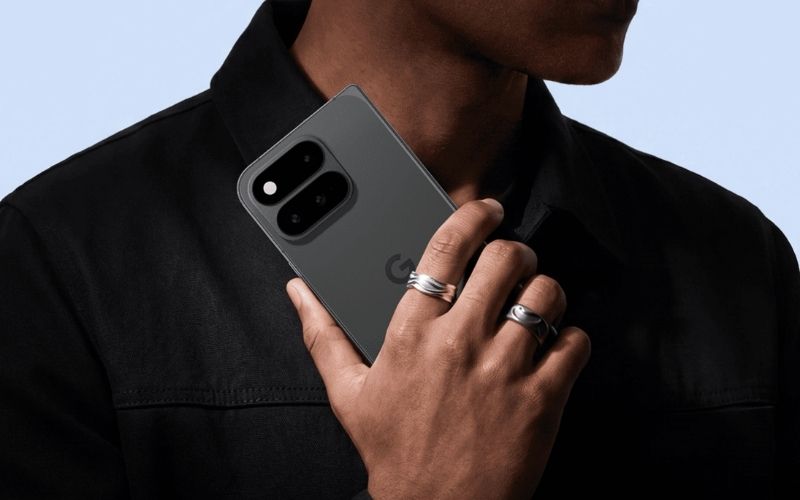
IP48 and IP68 look like near neighbors until you read the middle digit, and the gap it hides is my single biggest problem with Samsung’s phone. Samsung’s rating covers a dunk in fresh water while admitting the phone is vulnerable to very small particles, so beach sand and building dust remain a live threat to a hinge full of moving parts.
Google held onto IP68 on the Pixel 11 Pro Fold, and I’d argue that alone justifies the boring design. A festival field or a week by the sea stops being a gamble, so dust resistance goes to the Pixel by a distance no other round matches.
What happens 15 minutes into a game
Samsung dropped the Snapdragon 8 Elite Gen 5 for Galaxy into the Fold8, and on peak pace nothing Google’s silicon has produced comes close.
Cooling ruins the party. A 4.5 mm unfolded chassis has nowhere to put a vapor chamber, and owners report demanding titles cooking the phone inside 10 to 15 minutes, plus the screen dimming outdoors on warm days.
Google’s Tensor G6 promises up to 20% better power efficiency and about 15% faster app launching, which sounds to me like a company managing expectations. Samsung wins the benchmark and loses the long session, so I’d treat both as brilliant streaming machines and casual gaming ones.
Getting back to full
Samsung’s 45 W wired charging takes the 4,800 mAh cell to 63% in about half an hour, against 30 W and 50% on the Pixel across the same window. Yeah, on paper, easy win… but in my kitchen at 11 PM, less so. I just need enough charge to get through the next day, not another cable to dig out.
Google puts Qi2.2 magnets in the Pixel 11 Pro Fold for up to 25 W wireless charging. Fold8 has no magnetic alignment, and owners already trade workarounds for chargers that miss the coil. (That would drive me nuts.) When I’m charging at night, I want to drop the phone onto a pad and walk away, not check the screen to make sure it’s charging.
Where the Pixel 11 Pro Fold wins
I’d hand someone the Pixel when their phone goes places phones shouldn’t. IP68 turns the beach and the muddy festival field into an ordinary Saturday, and the telephoto means you can shoot your kid on stage from row 12 rather than cropping a wide frame into porridge.
The software makes the case even stronger. Seven years of updates and a clean Android setup mean less time spent cleaning up an already expensive phone. Add Qi2 magnets and sign-to-text on the outer display, and the Pixel feels like the foldable I’d rather live with day after day.
Where the Galaxy Z Fold8 wins
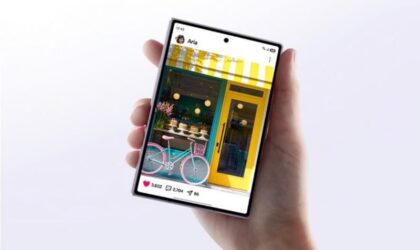
Samsung’s phone earns its money the moment you stop opening a fold out of obligation. At 201 g and 4.5 mm unfolded, the Fold8 stays lighter in the pocket even after Google shaved about 10% off last year’s Pixel, and the 4:3 inner panel suits a novel or a film far better than a square does.
The cover screen is my deciding argument, though. Samsung built a folded phone I could work one-handed all day, which is precisely the complaint that dogged every tall foldable, Google’s very much included. Add a 7.6-inch inner display running to 3,000 nits with an anti-reflective finish, and the Fold8 becomes the better machine for reading and watching by some margin.
My final verdict
The Galaxy Z Fold8 is the one I’d choose. What matters most to me is that, when folded, it still feels like a phone I’d want to use every day—without giving up much in camera quality or battery life just to get a tablet-sized screen.
Samsung still leaves an obvious gap in durability. The HONOR Magic V6 has IP68 and IP69 protection, while the Pixel 11 Pro Fold also gives you better protection against dust. Add the Pixel’s telephoto camera, and Google has some compelling hardware advantages. But if I’m choosing one foldable, I’m going with the phone that gets the basic phone part right.
Related: Made by Google 2026: Pixel 11 Pro gets more storage but less RAM


