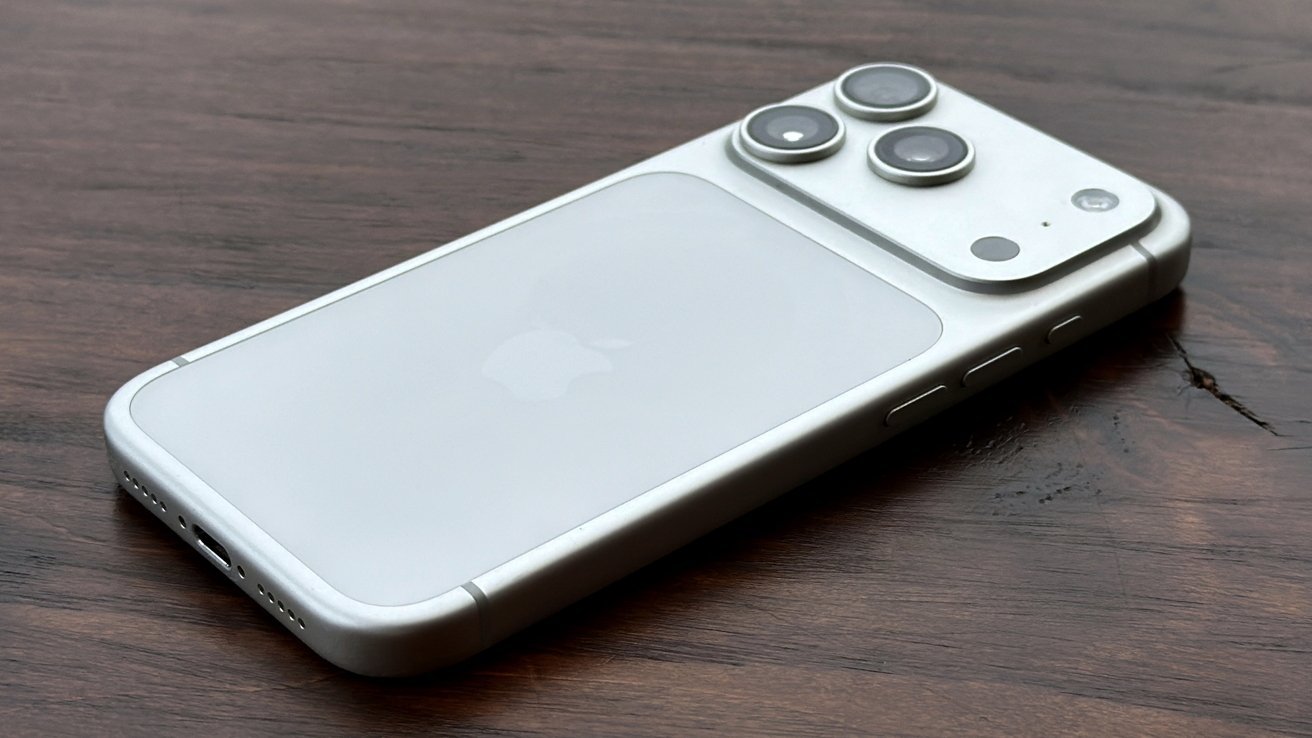
If a new estimate is correct, and we suspect it is, then Apple is paying dramatically more to produce each iPhone 18 Pro Max compared to its predecessor, and that will mean price rises of $200 or more.
Apple left all iPhone models untouched in its recent and unprecedented price rise, but it was already likely that the forthcoming iPhone 18 Pro range would be affected. Now according to estimates from Counterpoint Research, the bill of materials (BOM) that Apple will pay for the iPhone 18 Pro Max is $300 more than for the current model.
Component costs are always increasing, which is why the iPhone 15 Pro Max cost 12% more than its predecessor, and the iPhone 16 models also had a slight rise. But because of the global chip shortage, Apple is having to pay significantly more for certain components.
It’s specifically the memory that will account for the higher costs for Apple. Counterpoint Research does not give detailed estimates, but on a 12GB iPhone 18 Pro Max with 1TB storage, it is expected that compared to the previous model:
- NAND will cost four times more
- DRAM will cost almost four times as much
- Processor costs may remain the same
- Camera costs will rise slightly
- Display costs may decrease slightly

Estimated component costs for the iPhone 18 Pro Max – image credit: Counterpoint Research
Apple has previously tried to hide price increases with a strategy of removing lower-cost configurations. With the iPhone 15 Pro Max, for example, Apple dropped the 128GB model and had its starting price be the same as the previous model’s 256GB configuration.
The new report expects that Apple will make similar changes for the iPhone 18 Pro range. It predicts an average $200 price rise for consumers, although even that is said to mean Apple will see reduced profits.
All of these estimates are reportedly based on information regarding each separate component that is expected in the iPhone 18 Pro Max. However, the bill of materials is only useful as a comparison to the BOM of previous models.
It takes little account of Apple’s buying power meaning that it can sometimes negotiate better deals than its rivals. There’s also no calculation of development and marketing costs, which won’t have risen because of the chip shortage, but will certainly have gone up.
Consequently, Apple is juggling much more than the BOM with this iPhone launch, and we won’t know the outcome until the phones are released in September.
This does, though, seem like the worst year for Apple to launch its potentially exorbitantly-priced iPhone Fold.


