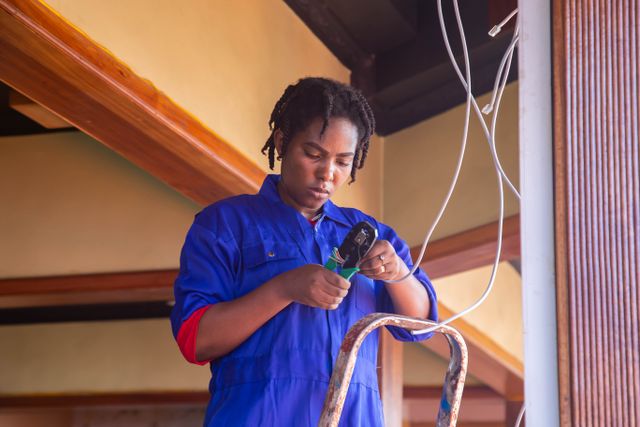
A good work network helps people grow in the electrical trade.
It helps electricians, contractors, helpers, engineers, and job leaders meet the right people. These links can bring more job leads, safer work, and better advice.
They also help people keep up with code changes, new tools, and new work. This matters because the trade keeps changing.
Rules change. Tools change. Job needs change. Many jobs now use EV chargers, solar panels, smart panels, and battery packs.
A strong network helps workers hear about these changes early. It also helps them build a steady career.
Why Work Networks Matter in the Electrical Trade
Electrical work needs trust, skill, safety, and good timing.
A contractor needs a crew they can trust. A helper needs a guide. An engineer needs field notes. A job leader needs people who can finish safe work on time.
This is why work networks matter. They link people who solve real job problems each day.
A good network helps you ask for help. It helps you learn from others. It also helps you find better ways to work.
The need for skilled workers is strong. NECA says the U.S. electrical contract field is worth more than $270 billion a year. It also has more than 70,000 firms and over 500,000 workers.
Better Access to Code, Safety, and Trade News
Electrical workers cannot depend only on old training. They need fresh news from people and groups they trust.
The 2026 National Electrical Code is now the main NEC book. It replaced the 2023 book. NFPA calls the NEC a key guide for safe design, setup, and checks.
A network helps workers talk about these changes. A rule can look simple on paper. On the job, it can change the plan, bid, tools, parts, and check.
Safety rules are also key. OSHA has rules for safe electrical work on job sites.
A strong network helps workers and firms keep up with:
- NEC code changes
- OSHA safety rules
- Jobsite safety tips
- Inspection needs
- New tools and work methods
- Training events and skill classes
A network does not replace real training. It adds to it.
It helps workers hear real talks about rules, safety, and daily job needs. Over time, this helps them work smarter, safer, and with more trust.
More Referrals and Job Chances
Electrical work often grows through trust.
One good link can lead to a new job. It can bring a service call, a builder link, or a long-term project.
A work network helps more people see your work. Builders, suppliers, inspectors, and other trades learn who you are. When they trust your work, they are more likely to refer you.
This matters most when demand is high.
Reuters said in May 2026 that the U.S. needs more power and construction workers. The need comes from data centers, clean energy work, grid growth, and older workers leaving the trade.
The same report said the U.S. power field needs many more workers by 2030. These jobs include grid work, line work, building work, factory work, and daily plant work.
For electricians and contractors, this means more chances. But the best chances often go to people others already know and trust.
Stronger Trust and a Better Name
In the electrical trade, trust is built over time.
People remember who shows up ready. They remember who works safe, speaks clearly, and does the job right.
A work network helps build that good name. Trade meets, group talks, classes, and local groups all help. They show that a worker cares about the trade.
A good name helps with:
- Winning better jobs
- Building client trust
- Getting peer referrals
- Finding contractor partners
- Hiring skilled workers
- Keeping good workers
- Standing out from the crowd
Many skilled workers do great work, but few people know them. A network fixes that gap. It helps the right people see the work.
Mentorship and Career Growth
Mentorship is one of the best parts of a network.
New electricians learn faster from people with real job skill. They learn what works on the site, not just in a book.
An apprentice can learn how to handle stress. They can learn how to talk with a boss. They can also learn about license steps and common mistakes.
A licensed electrician can learn the next step. That step can be job bidding, team lead work, site control, or running a business.
Trade groups also help workers grow. They offer classes, safety talks, apprentice help, and lead roles.
Independent Electrical Contractors said in May 2026 that the U.S. needs 80,000 net new electricians each year for the next ten years. This shows why training and apprentice programs matter.
A strong network gives workers more than job leads. It gives them a path forward.
Networking Benefits by Role
Each role gets a different gain from a network.
| Role | Main Network Benefits |
| Apprentice electricians | Mentors, job leads, safety tips, license help, career advice |
| Licensed electricians | Referrals, code news, better training, better jobs |
| Electrical contractors | Bid leads, supplier links, worker referrals, trade partners |
| Electrical engineers | Field notes, contractor help, design tips, problem solving |
| Project managers | Trusted subs, better plans, smoother job flow |
| Inspectors and code pros | Clear talks, trade feedback, better rule awareness |
This is why networking helps at every stage of the trade.
How Electrical Contractor Groups Help Careers Grow
Electrical contractor groups help people meet others in the trade. Professional networking creates access to current industry trends, NEC and OSHA updates, and advanced technologies. Joining groups such as an Electrical Contractors Association allows individuals to stay informed while interacting with experienced professionals. These interactions help expand practical knowledge, refine skills, and encourage the exchange of useful ideas.
They also help workers stay up to date.
A local or national group can link members with contractors, suppliers, trainers, job leaders, and code experts.
These groups often offer classes, safety news, job help, business tools, and trade support.
For example, NECA serves the U.S. electrical construction field. Its members work in many parts of electrical construction.
Other groups, such as Independent Electrical Contractors, also help with training, apprentice paths, and contractor growth.
These groups help workers stay active in the trade. They also keep people from working alone.
A strong trade group can help with:
- Tool and skill training
- Business growth
- Hiring help
- Safety classes
- Code news
- Peer links
- Leader roles
- Trade support
This help is very useful for small contractors.
Many small firms do not have big teams for training, hiring, safety, or business plans. A trade group helps fill that gap.
Teamwork, Partners, and Better Ideas
Electrical jobs do not happen alone.
Homes, shops, plants, and public jobs all need teamwork.
Electricians work with builders, HVAC teams, plumbers, engineers, inspectors, power reps, suppliers, and job leaders.
A strong network makes this work easier.
Good links help cut delays. They help solve problems fast. They also make jobsite talks clearer.
When trusted people share what works, others learn from it. They can use those lessons on the next job.
A network also helps bring better ideas.
Workers learn about safer tools, better parts, new products, and smarter work steps from people who tested them in the field.
Simple Ways to Build a Strong Electrical Network
Building a network does not mean loud self-promotion.
It means showing up, helping others, and staying in touch.
Start with these steps:
- Join one local or national trade group.
- Go to code classes, safety talks, or supplier events.
- Meet builders, contractors, and job leaders.
- Stay in touch with old coworkers and teachers.
- Keep contact with apprentice friends.
- Send a short note after meetings.
- Share useful trade news.
- Do not ask for work every time.
- Help with local trade events or training.
- Keep a list of trusted suppliers and mentors.
- Use LinkedIn, but do not use it as your only tool.
The best networks grow through trust.
One meeting helps. Showing up again and again helps more.
Common Networking Mistakes to Avoid
Networking can hurt your name when you do it the wrong way.
Avoid these mistakes:
- Reaching out only when you need work
- Treating each person like a sales lead
- Ignoring apprentices or young workers
- Not following up after events
- Sharing code or safety tips you have not checked
- Promising more work than you can handle
- Skipping small local events
- Talking more than you listen
- Ignoring suppliers and inspectors
Good networking is not about collecting names.
It is about building real work ties that people can trust.
How Networking Helps Safety and Rules
Electrical work comes with serious safety duties.
Workers need clear facts, clear talks, and regular training.
A strong network helps workers hear about safety news, OSHA talks, tool training, PPE, and jobsite lessons.
It also helps contractors explain job rules to crews and subs.
This matters on job sites where many trades work at the same time.
OSHA’s construction electrical rules under 29 CFR 1926 Subpart K cover safety needs for construction work.
Networking does not replace OSHA training, NEC classes, or company safety plans.
It supports them.
It keeps workers close to current talks and safe work habits.
Why Networking Matters More in 2026
The electrical trade has strong demand in 2026.
Data centers, EV chargers, grid work, clean energy, factory growth, and electric buildings all need skilled workers.
At the same time, many older workers are leaving the trade.
Reuters reported that almost 1 in 5 electricians is 55 or older.
It also said firms now compete more for electricians and power line workers.
This gives workers a clear message.
Skills matter. Work ties matter too.
People with strong networks get better access to training, mentors, referrals, job teams, and leader roles.
In a tight labor market, trusted workers stand out faster.
Key Findings
Work networks help electricians and contractors grow with more confidence.
They create access to referrals, mentors, safety news, code talks, skill training, and better business links.
For electricians, networking can lead to better jobs and better skills.
For contractors, it can help with growth, hiring, suppliers, and trust.
For engineers and job leaders, it improves teamwork and field talks.
The electrical trade is growing. It is also more technical and more competitive.
People who stay connected gain an edge that skill alone does not give.
FAQs
Why is networking important in the electrical trade?
Networking helps workers find job leads, learn from skilled people, follow code news, and build trust.
How do electricians build work networks?
Electricians can join trade groups, attend training, meet contractors and suppliers, and stay close to apprentice contacts.
They should also follow up after meetings and jobsite work.
What is an electrical contractor group?
It is a trade group that helps contractors with training, business tools, safety news, events, trade support, and peer links.
Can networking help electricians get more work?
Yes. Strong work ties can lead to referrals, sub work, repeat clients, and builder contacts.
How does networking help with NEC and OSHA updates?
It helps workers hear about code changes, safety classes, inspection issues, and rule talks from trusted trade peers.
Formal training and official sources still matter most.
What is the best way for a new electrician to start networking?
A new electrician should start with apprentice contacts, teachers, coworkers, local events, and one trade group.
A few strong links are better than many weak ones.
Do electrical engineers benefit from trade networks?
Yes. Engineers gain field feedback, design tips, team input, and better talks with contractors.


