Introduction
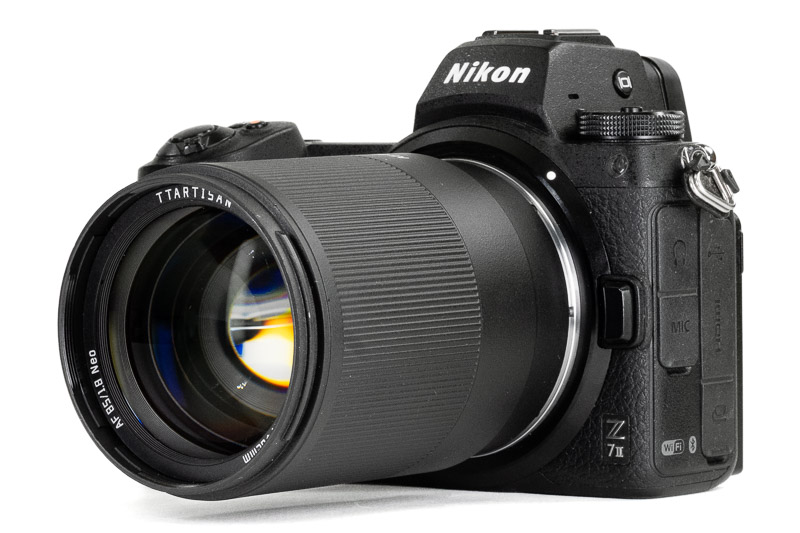
We’ve seen a lot of modern lenses at budget-friendly prices, often offering surprisingly good value for money. But $99* for a full-frame 85mm f/1.8? That’s the price of TTArtisan’s latest lens, and it may set a new record for affordability in this category. It’s part of their new, most budget-friendly NEO series, and given TTArtisan’s track record of delivering relatively good optical quality in solidly built bodies, I’m really intrigued to see what this lens can do. Let’s take a closer look.
- While the official price was set $99, TTArtisan Store is selling it for $89, and they also have a limited $5 off offer, which makes the price $84.
 I tested this lens on a 46 Mp Nikon Z7ii (Sample images were taken with a Nikon Zf)
 You can see this review as a YouTube video here!
 Sample images in high resolution here.
Sample Images

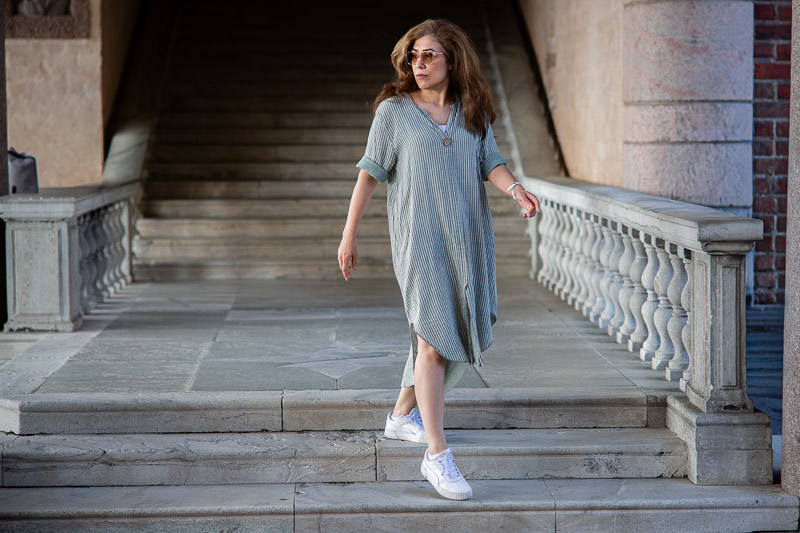

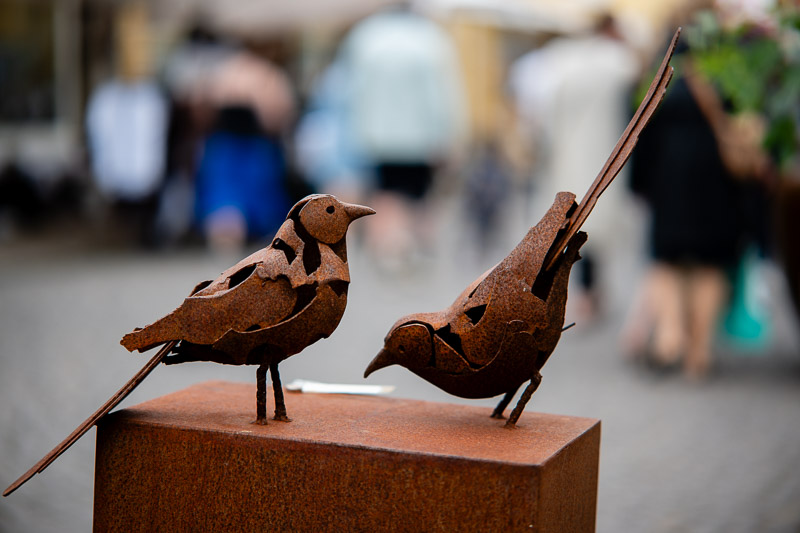
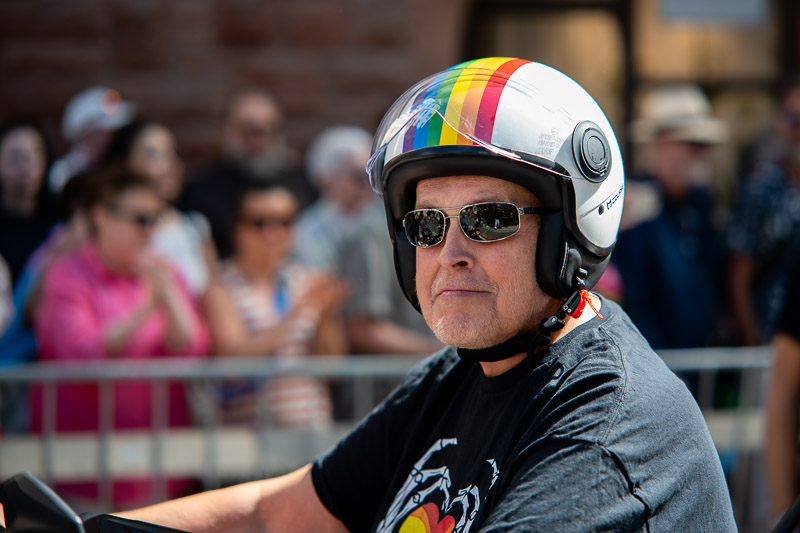
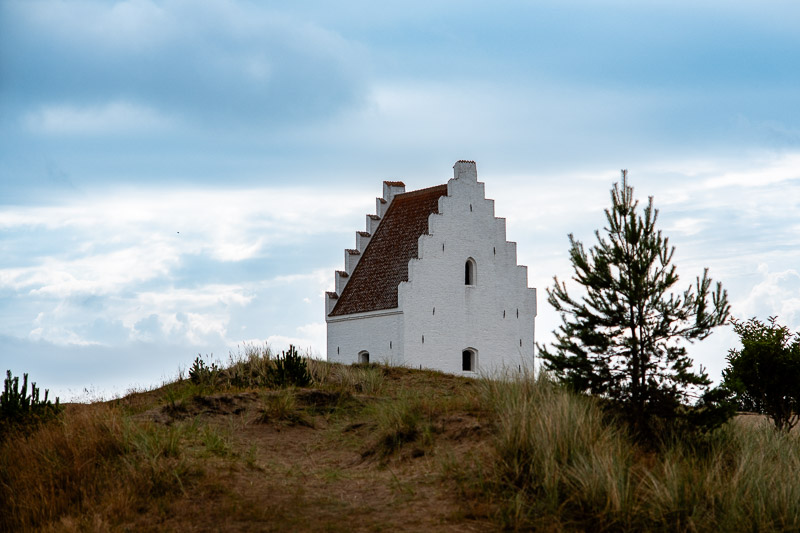
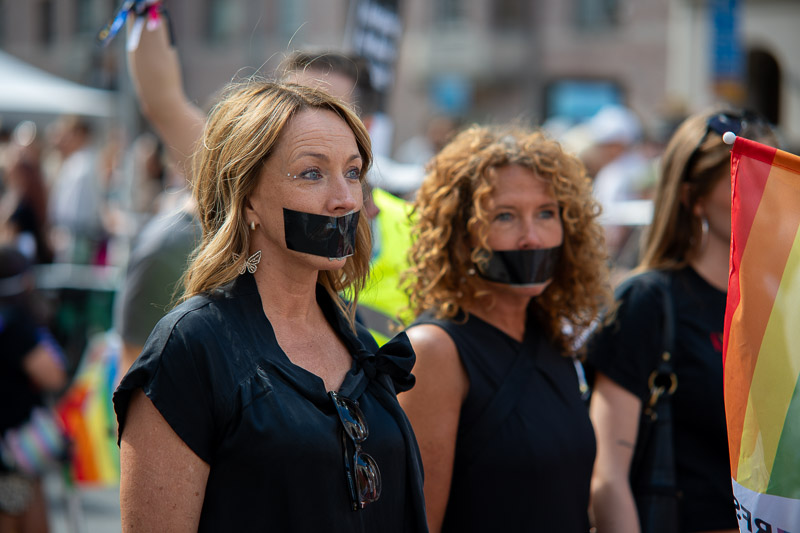
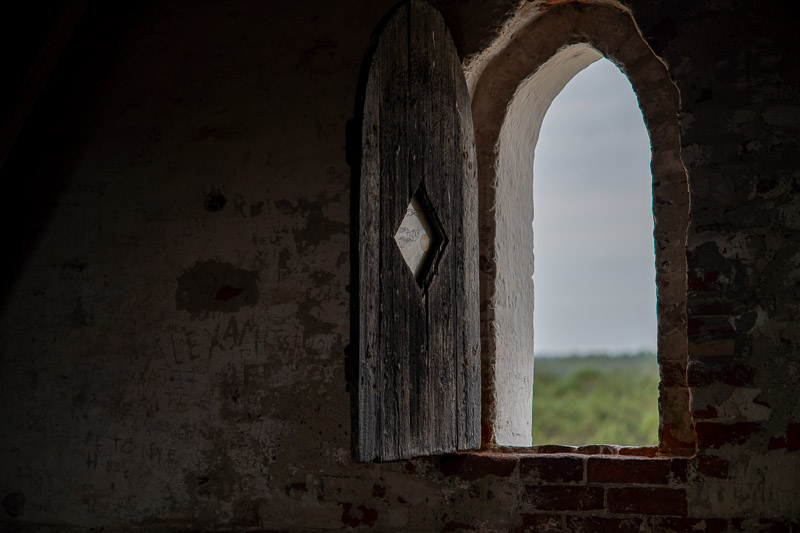
Nikon Zf | TTArtisan AF 85mm f/1.8 Neo | f/1.8
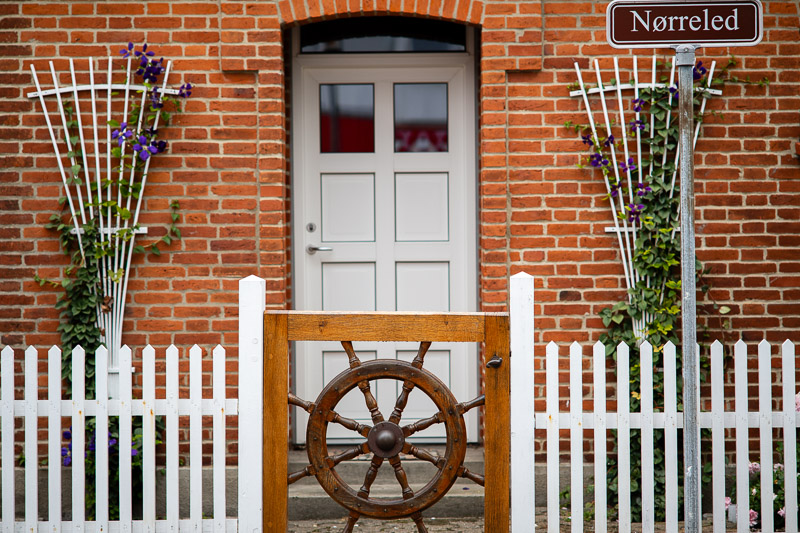

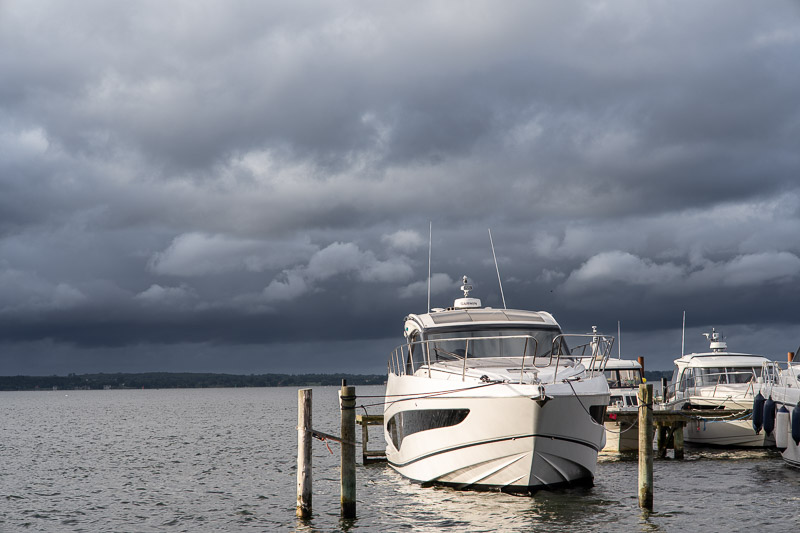

Most of the sample images in this review and many more can be found in higher resolution here.
Specifications
| Focal Length | 85mm |
| Angle of View | 29° |
| # of Aperture Blades | 11 |
| Max Aperture | f/1.8 |
| Min Aperture | f/16 |
| Min Focus Distance | 0.8 m |
| Filter Size | 62mm |
| Lens Mount | E | Z | L |
| Weight | ≈ 332-338 g |
| Size (D x L) | |
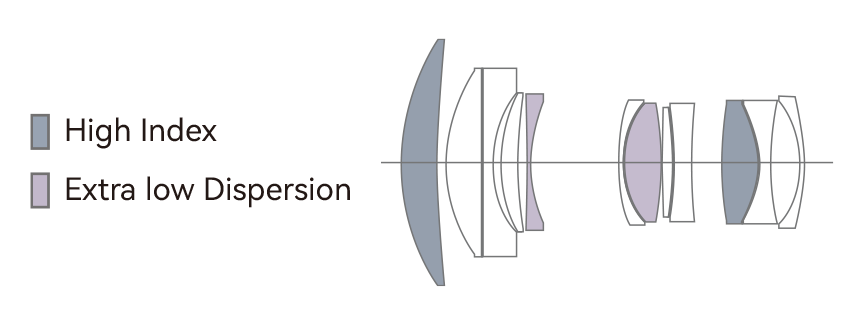
| Elements / Group | 12 / 8 |
Buy new: TTArtisan Store, Amazon (anywhere), B&H for $99* (Affiliate links)
|
Disclosure
TTArtisan kindly provided this lens for test and review purposes.
Handling and Build Quality

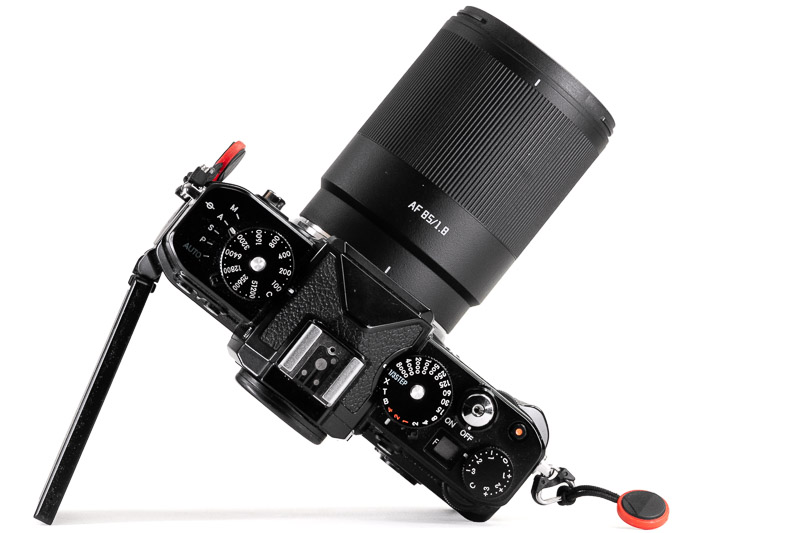
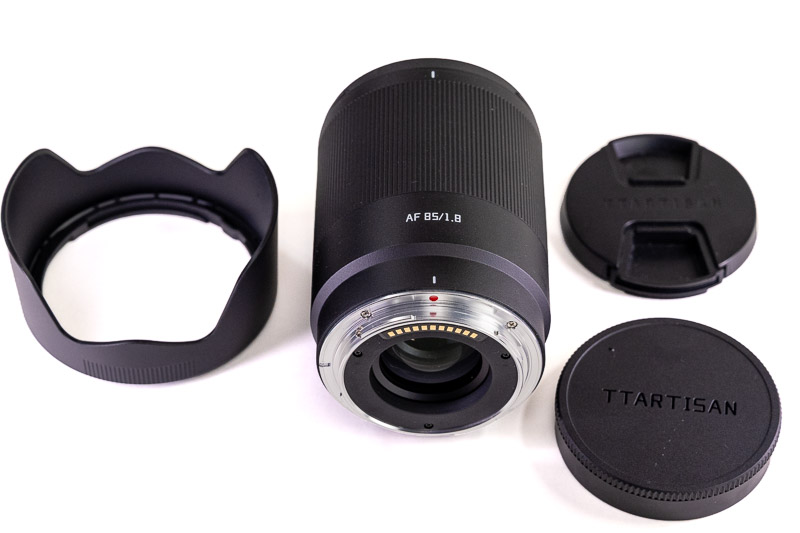
The body is made of hard plastic, and the build quality is in line with other TTArtisan lenses: neat, modern, and straightforward. It’s very light and compact, but it does feel a little plasticky.
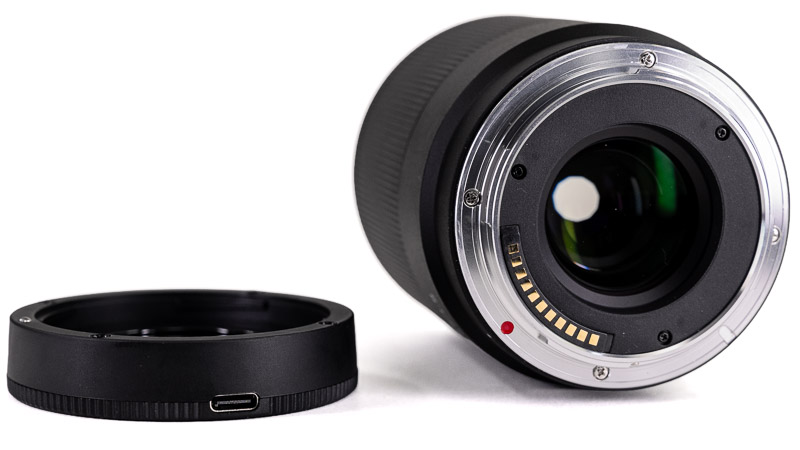
The mounting plate is made of metal and features electronic contacts for aperture control, autofocus, and EXIF data transmission, which is good to see. There’s a USB port on the rear cap, which also doubles as a dock for future firmware updates.
There’s not much more to say about the construction.
There are no controls on the lens, not even a focusing ring, although the lens is designed to look as if it has one. It doesn’t, though; the ring is just a dummy and doesn’t rotate.
Autofocus is accurate, but the speed is average. It’s good enough for normal portrait shots and everyday photography, but it struggles with candid street photography and moving subjects.
The lens has no weather sealing and no image stabilization.
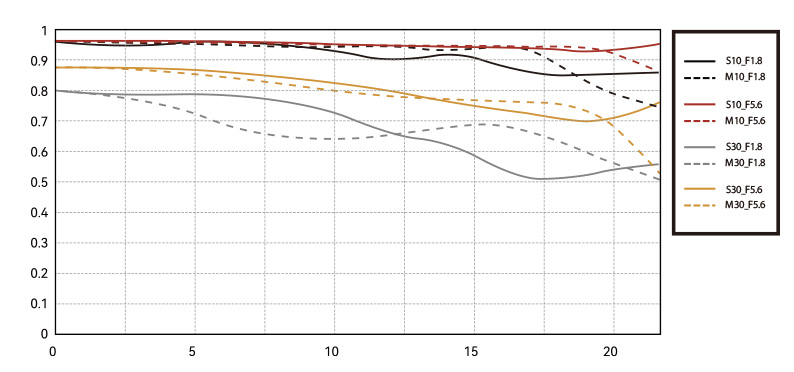
Optical Features
Sharpness (Infinity)
For the infinity sharpness test, we’ll look at three areas of the image — center, mid-frame, and corner — as highlighted below. Focus was set on the center of the image!
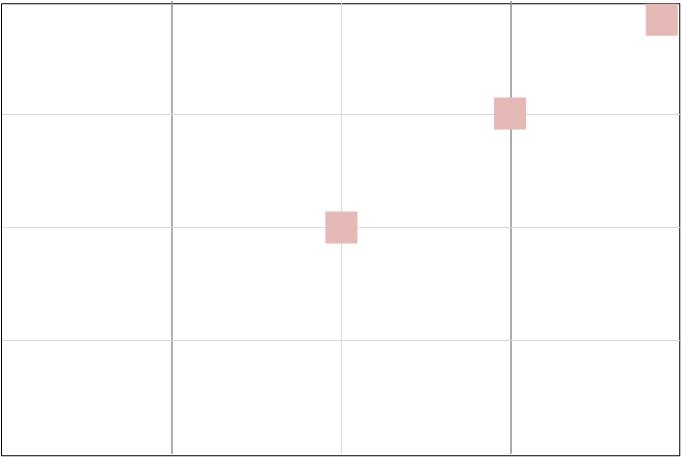
I focused on the center of the image and corrected the vignetting in the test shots taken at the widest apertures.
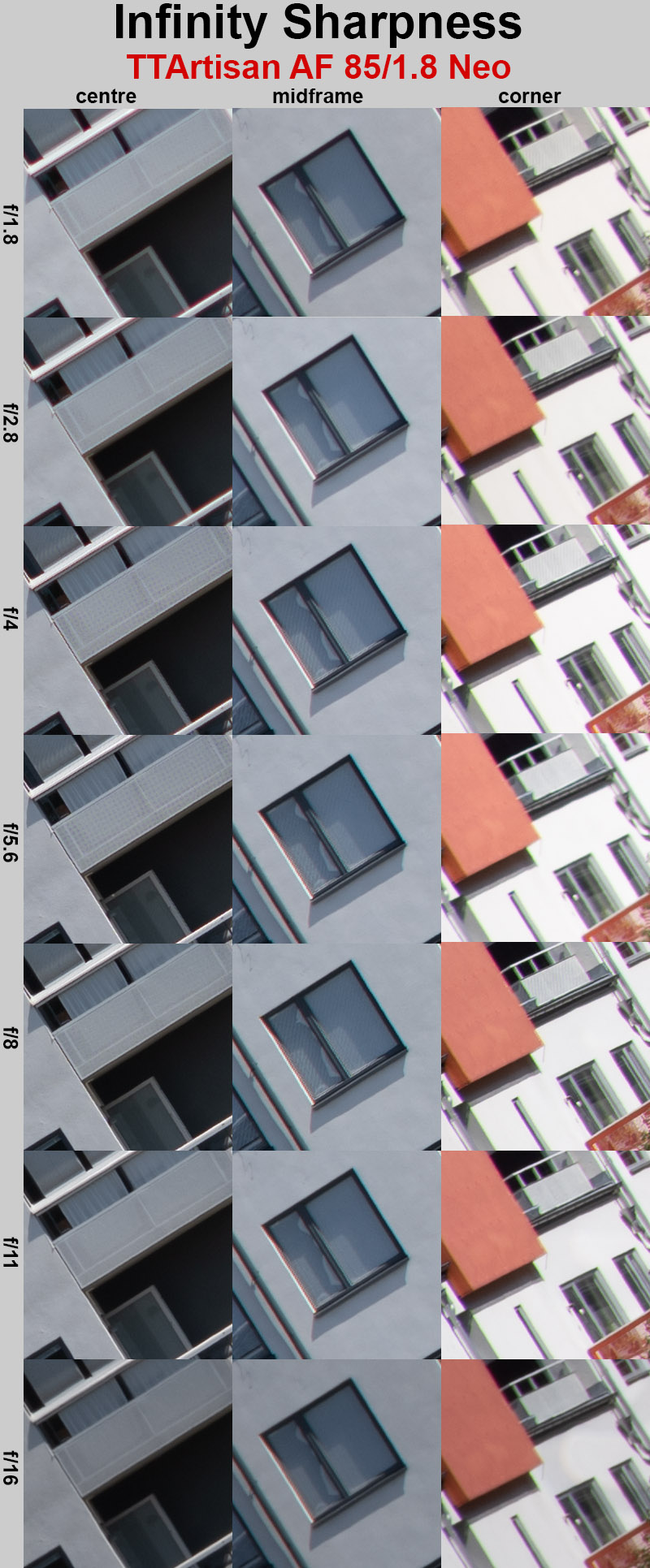
Wide open at f/1.8, the TTArtisan 85mm f/1.8 Neo is very sharp in the center and mid-frame. The corners are not very soft either, but they are not quite as sharp. The main issue is purple fringing across the entire frame, along with some green fringing in the corners.
Stopping down to f/4 makes the center so sharp that the lens actually outresolves the 46MP sensor of the Nikon Z7 II in these areas. The corners are good too. By f/8, even the corners reach excellent sharpness. The purple fringing is reduced, but you need to stop down to f/5.6 to get rid of it in the center. Elsewhere in the frame, however, some purple fringing remains even at the smallest aperture.
Sharpness (Portrait)
Let’s look at the points of interest for portraits at the portrait distance: the very center, the center’s inner periphery (1/3 rule intersection), and the center’s outer periphery (1/4th intersection).
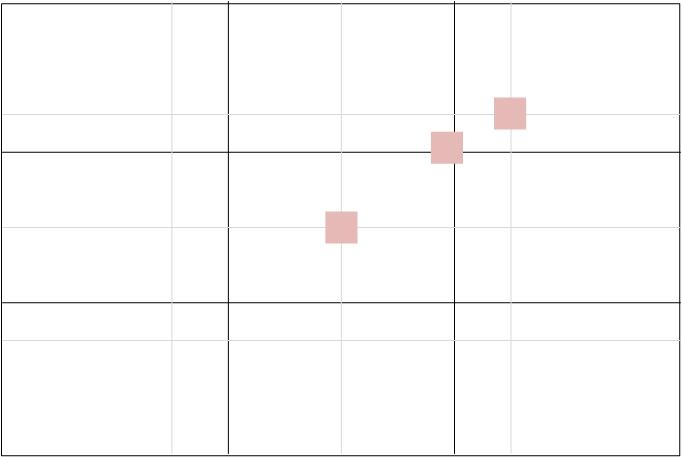
Here, I focused independently on the center, mid-frame, and corner areas to account for field curvature.
At portrait distance, the center is very sharp, the inner circle is also very sharp, and the outer circle, while fine it is a little behind. Stopping down makes the lens sharper, especially in the outer circle, but I would not hesitate to use this lens for portrait at its widest aperture f/1.8.
Sharpness (Close-up)
For close-up testing, I focused on the center and only included a 100% center crop.
At close-up distance, the sharpness is just a little soft, and purple fringing is quite pronounced. Stopping down helps gradually: at f/4, the sharpness is very good, and at f/5.6, it is excellent. At f/11, there are small signs of diffraction, which become more noticeable at f/16, but the image is still completely usable. Stopping down does not eliminate the fringing.
Lens Distortion
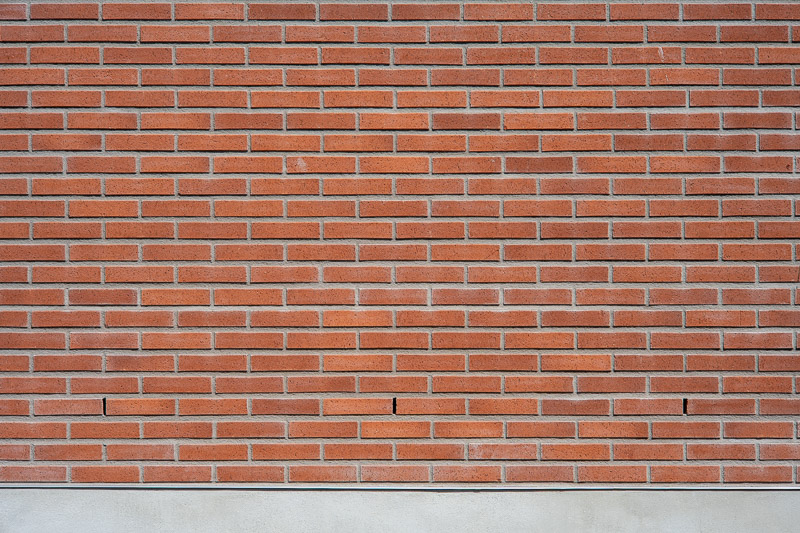
The distortion is virtually non-existent.
Vignetting
Vignetting is high wide open, and even at f/2.8, it remains moderately high. At f/4, it is only visible against homogeneous backgrounds, and from f/5.6 onwards, it is not noticeable.
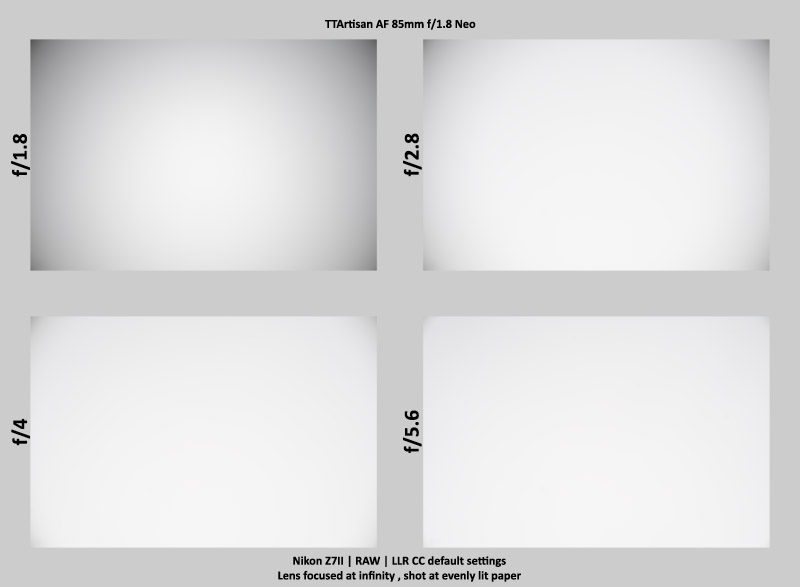
- F/1.8: 2.8 EV
- F/2.8: 1.8 EV
- F/4.0: 1.2 EV
- F/5.6: 0.7 EV
- F/8.0: 0.5 EV
- F/11: 0.5 EV
Focus Shift & Aberrations
There is a moderate amount of longitudinal chromatic aberration visible as purple and green fringing. Stopping down helps to reduce it to some degree, but it is difficult to get rid of completely, even with manual defringing of RAW files. However, at smaller apertures and in normal scenes, it is not particularly noticeable.
Lateral chromatic aberration is quite strong and can become distracting towards the edges of the frame. In Lightroom, however, you can fix it with a single click if you are working with RAW files.
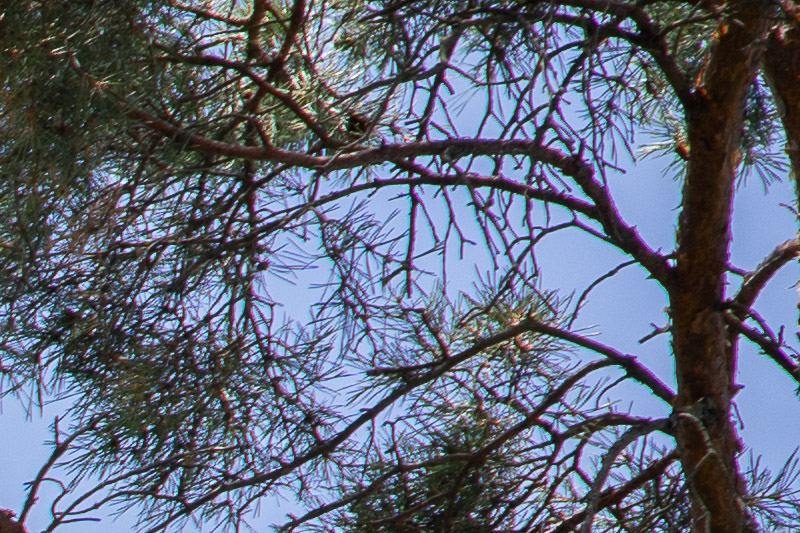
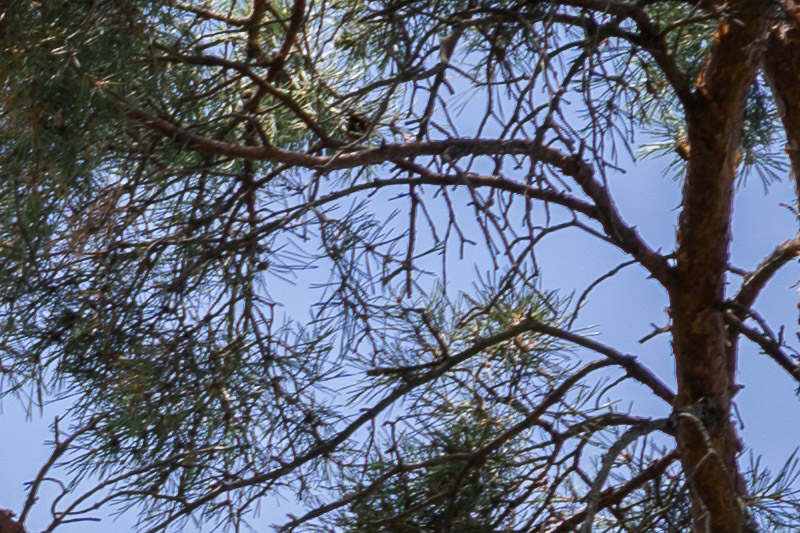
In the table below, you can see all possible combinations of CA and the effects of different corrections, both in the center and in the corners of the image.
Flare Resistance
The flare resistance is not perfect, but I must say that I was surprised by this level of performance from a lens that costs less than $100. Putting the price aside, the lens performs decently at wider apertures, with some veiling flare. The situation is worse when stopping down, as you get more veiling flare along with ghosting. With the sun in the center of the frame, you can also get a ring-shaped flare.
Coma
Coma is of less importance with an 85mm lens, but we’ll have a look at it anyway, even though it is unlikely to be a significant concern. There is a tiny amount of coma smearing visible in the corners of the frame, as can be seen in the 100% crops below. By f/5.6, it is virtually negligible, and by f/8, it is completely gone.
Sunstars
Sunstars are not particularly important for an 85mm portrait lens, but here we go anyway: the TTArtisan 85mm f/1.8 NEO is able to produce fairly distinct 22-ray sunstars from f/8.
Focus Breathing
This lens suffers from heavy focus breathing, one of the strongest we have seen.
Bokeh

Bokeh highlights are free from onion-ring patterns thanks to the lack of aspherical elements. The bokeh balls take on a distinct cat’s-eye shape towards the corners and edges of the frame, and there is some green fringing around the highlights caused by chromatic aberration.
Now let’s take a closer look at how the background blur changes at different distances!
Short Distance
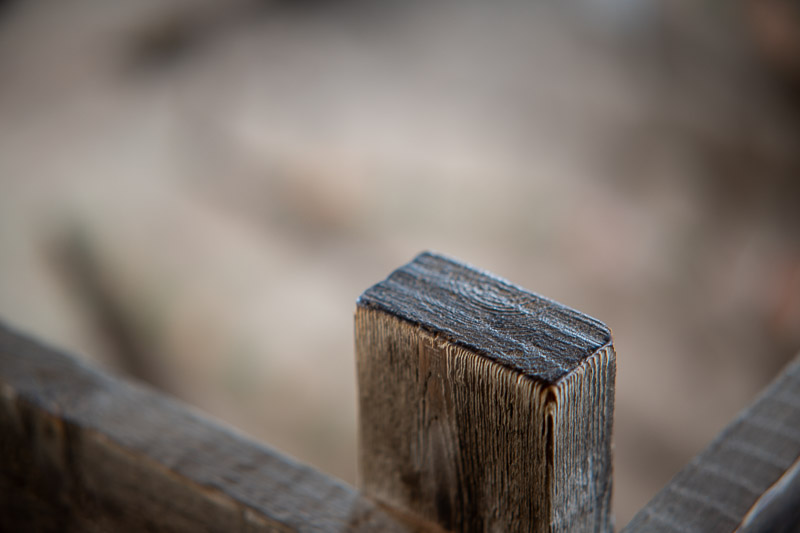

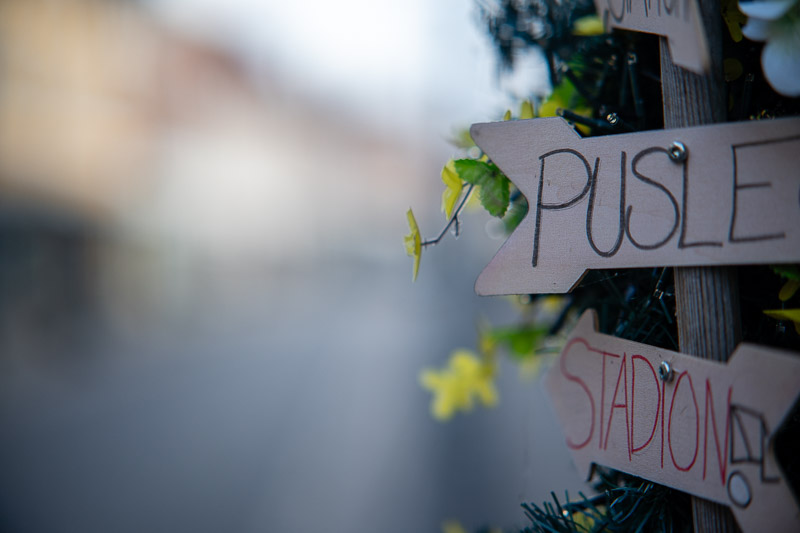
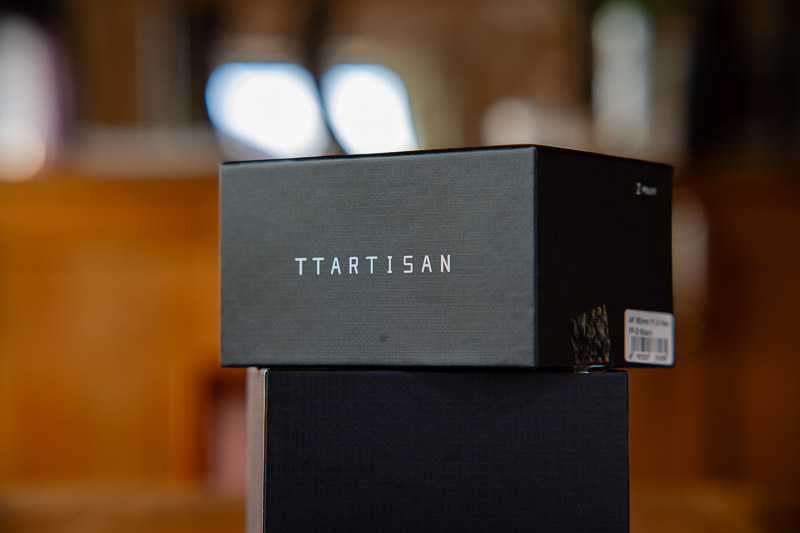
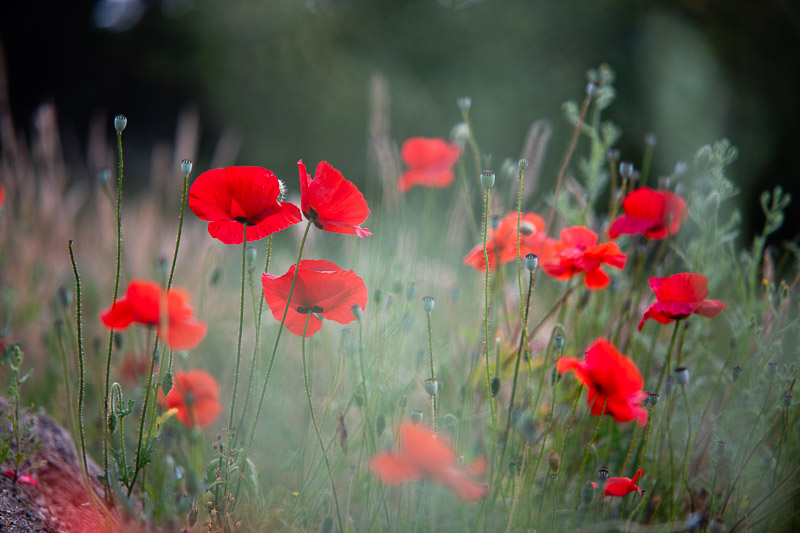
The lens renders the background very softly when the subject is very close to the lens. However, if the background is close to the subject and contains a lot of detail, the blur can become a little swirly, as in the second image here.
Mid-Distance
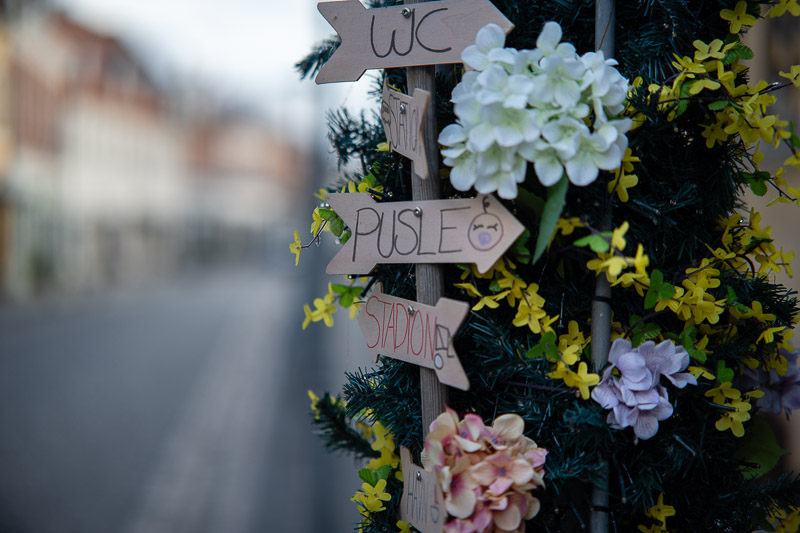

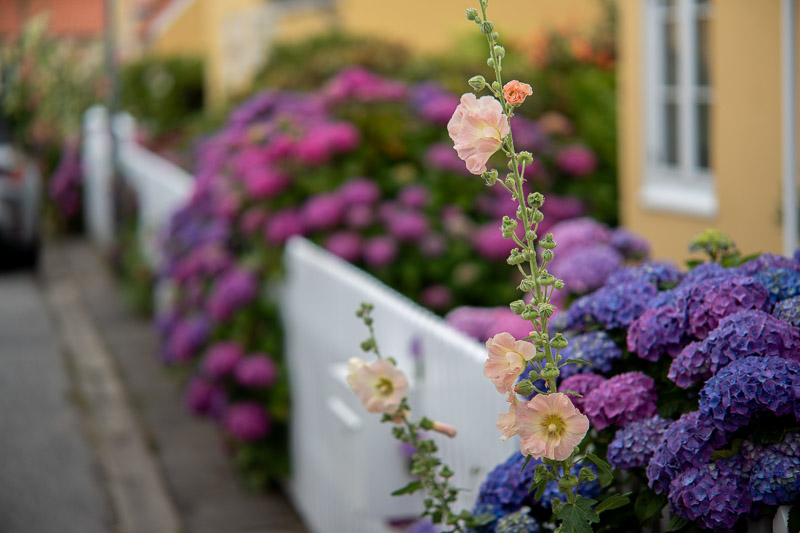
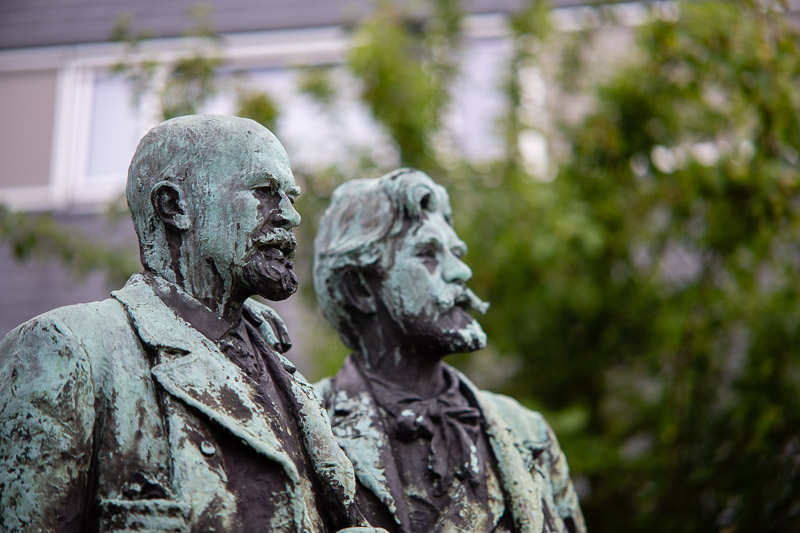
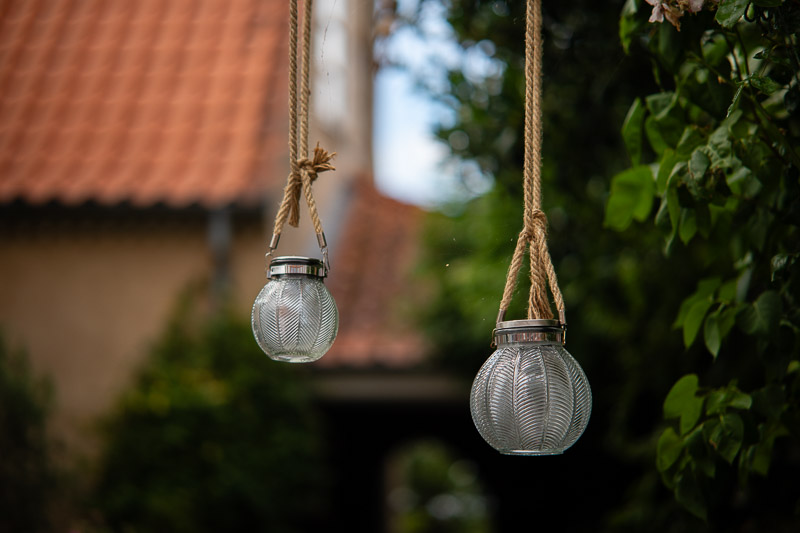
Even at mid-distance, the bokeh remains soft unless you have a busy background close to the subject. In that case, a mild swirling effect can appear again.
Long Distance
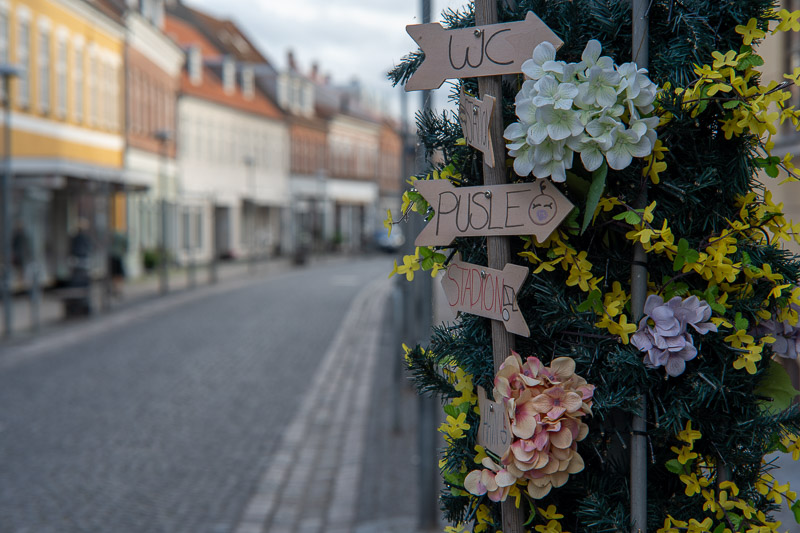
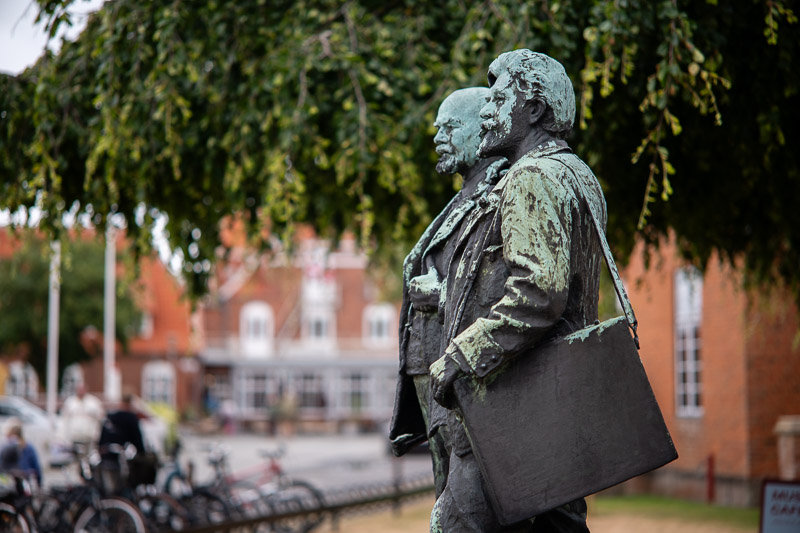
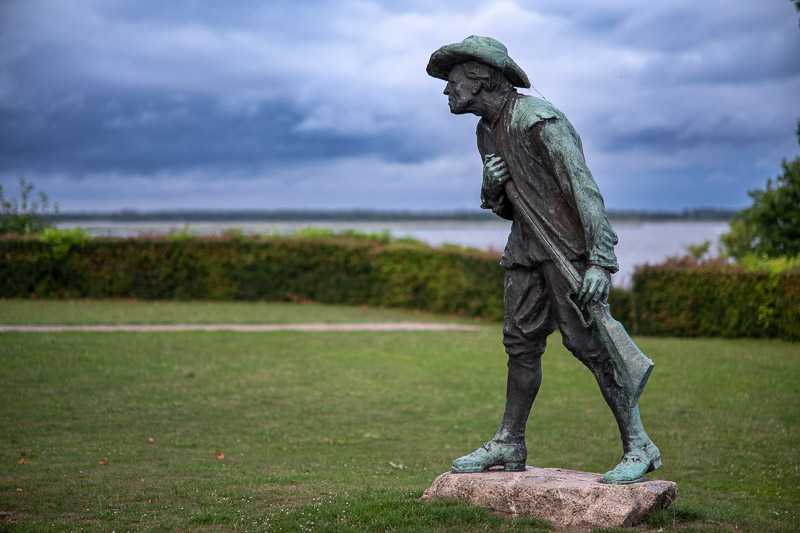
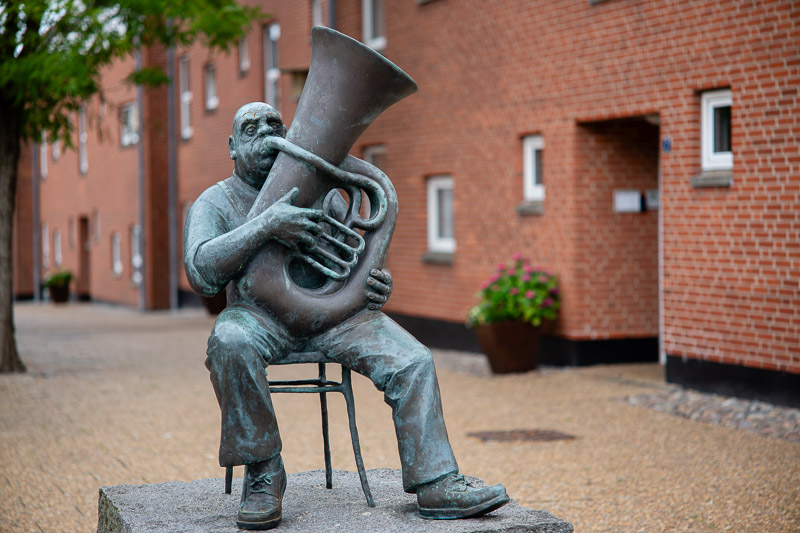
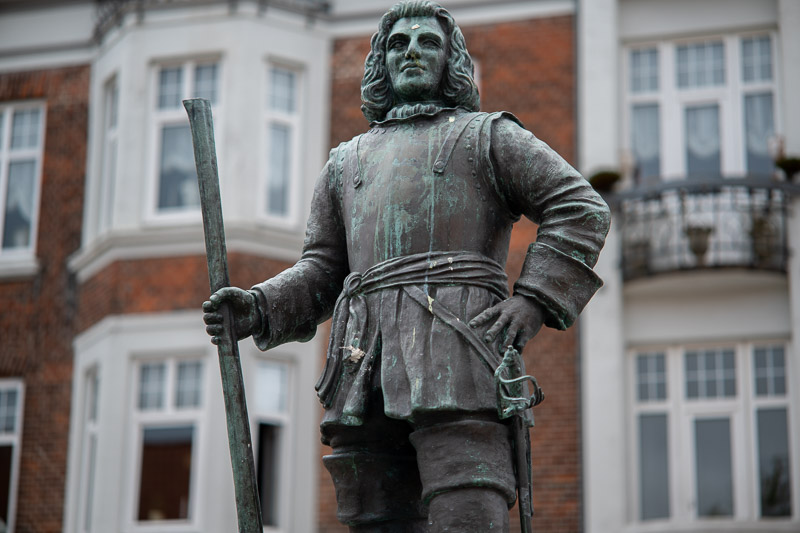
Long-distance bokeh is also fine. Generally, as this lens does not include any aspherical elements in its construction, the risk of edgy bokeh is low. However, the swirling effect can become distracting in some situations, unless you like that effect, of course. Also, the high level of chromatic aberration can reduce the softness of the bokeh in contrasty scenes.
Conclusion
| I LIKE | AVERAGE | I DON’T LIKE |
|
|
|
So, the verdict is a mix of praise and criticism. TTArtisan has always been a manufacturer willing to try unconventional designs, and this lens definitely counts as one of them. While fixed-focus body-cap lenses exist without focus rings, this is the first autofocus lens I’ve seen that completely omits a manual focus ring. There is actually one more, a 28mm f/4.5 but at f/4.5 a 28mm has massive DoF compared to an 85mm f/1.8.
On the positive side, sharpness is good—and actually better than many earlier budget-friendly options. Distortion is nearly non-existent, vignetting isn’t too severe, and the bokeh looks pleasing in most scenes. The autofocus is also perfectly acceptable for a lens in this price class. Combine all of that with an unbeatable price tag in a compact, lightweight package, and it becomes a very intriguing option.
However, having no manual focus ring can feel restrictive at times. On top of that, chromatic aberration is quite severe for my taste, and flare resistance could definitely be better.
So, is it the right lens for you?
If you currently only rely on a standard kit zoom, want shallow depth of field for portraits with solid sharpness on a tight budget, and don’t care about manual focus override, then yes—go for it. Otherwise, take a look at the alternatives listed at the end of the article.
Writing articles like this one is both time-consuming and costs us a lot of money. If you found this article helpful and decided to buy one of these lenses, please consider using one of the affiliate links.
If you found this article useful, interesting, or it saved you money, consider supporting our work. You can make a donation or buy us a coffee —every contribution is greatly appreciated.
Buy new: TTArtisan Store, Amazon (anywhere), B&H for $99* (Affiliate links)
|
Alternatives
Meike 85mm f/1.8
Not tested, but it has got a lot of good words. Personally, I don’t know much about it.
Buy new: Meike Store, Amazon (Anywhere) for $340 (Affiliate links)
Viltrox AF 85mm 2.0 Evo
Featuring a moderate f/2.0 maximum aperture but offering a very good correction of most optical aberrations and this lens really delivers. If you don’t need your 85mm lens to be faster than f/2.0 and you value optical performance higher than having the smoothest bokeh this is a lens you surely should have a look at.
Buy: Viltrox Store, Amazon, for $275
Viltrox AF 85mm 1.8 STM:
The 85mm 1.8 was one of Viltrox’ first lenses and has been improved to to an MK II version, which were mostly mechanical improvements. We liked this lens very much as it is probably the 85mm 1.8 lens with the most appealing bokeh we reviewed so far. The MK I version was very heavy, the MK II version is still 60% heavier than this 85mm 2.0. This 85mm 2.0 is also a bit sharper, corrects most aberrations better and has better controls.
Buy from: Amazon, B&H (affiliate links) for $329
Sony FE 85mm 1.8:
The Sony FE 85mm 1.8 was one of the first fullframe E-mount primes Sony released. It is known for its fast AF but in terms of optical performance it is nothing special these days and honestly I would rather get this Viltrox 85mm 2.0 Evo if looking for a small well corrected 85mm lens or one of the more affordable 85mm 1.4 lenses (see below).
buy from Amazon (advertisement/affiliate links) for $649
More Sample Images
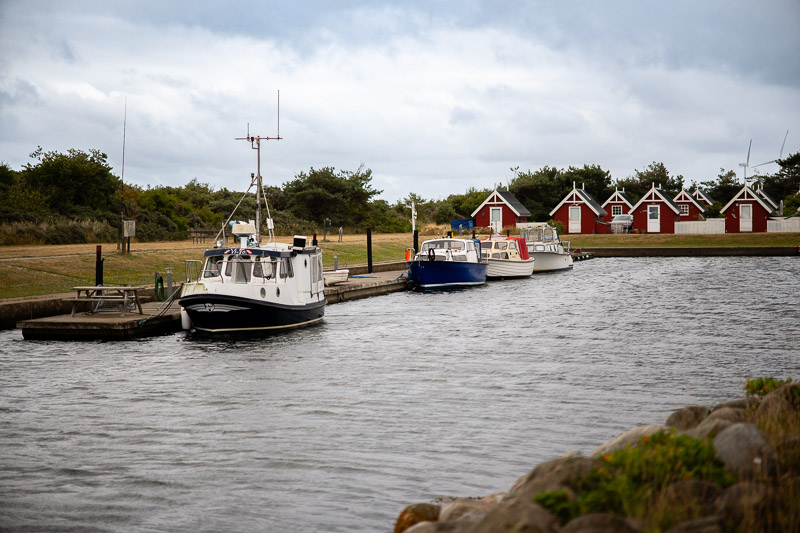

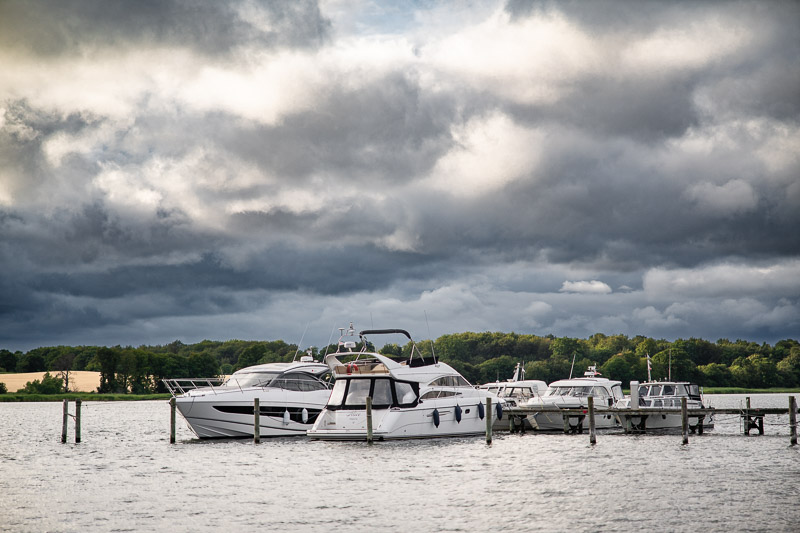

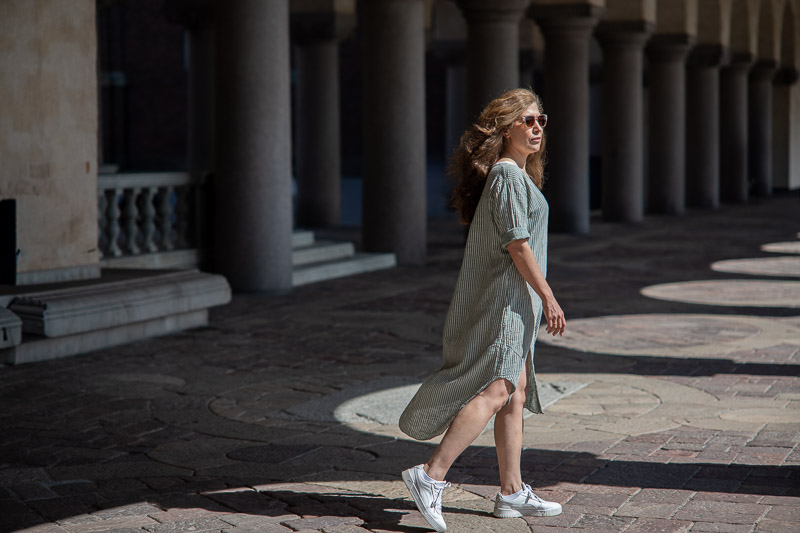
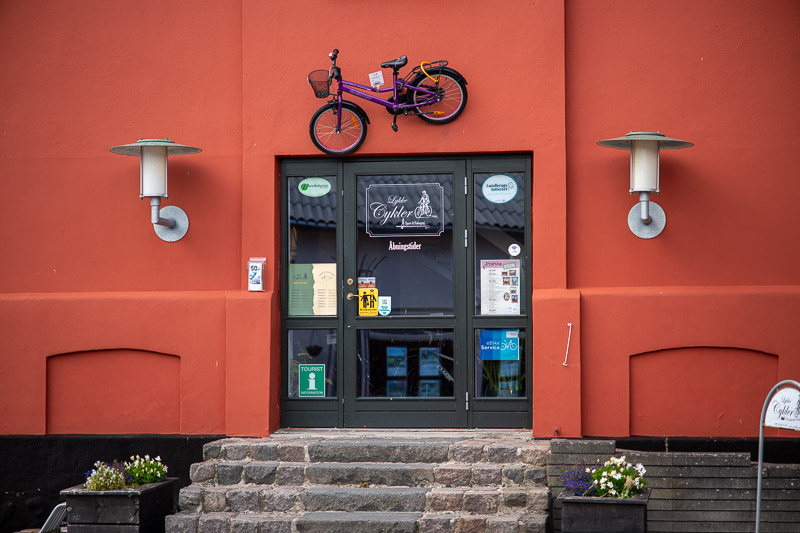
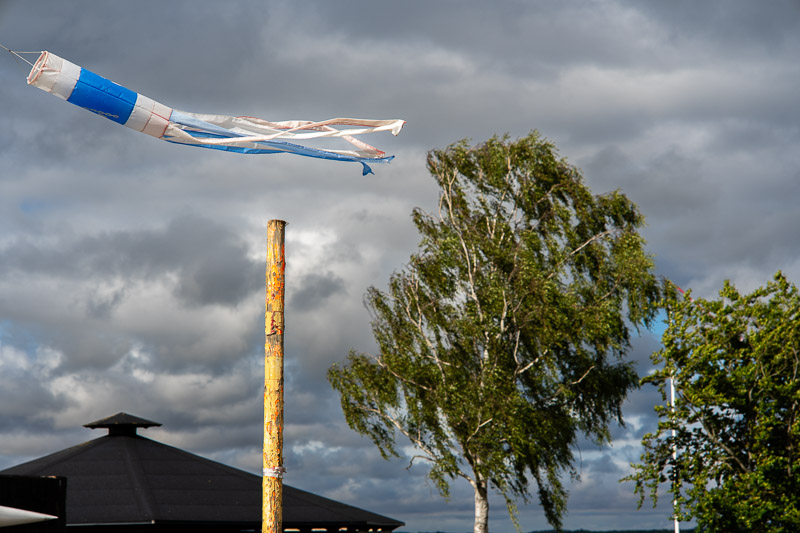
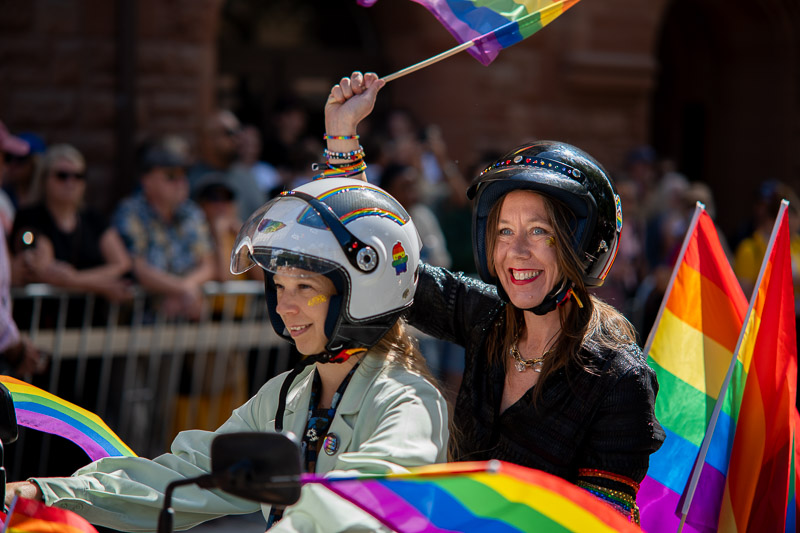
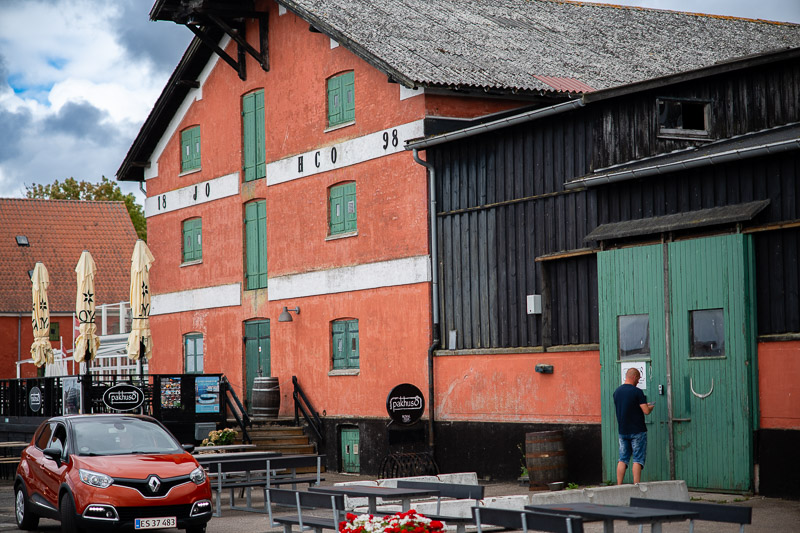
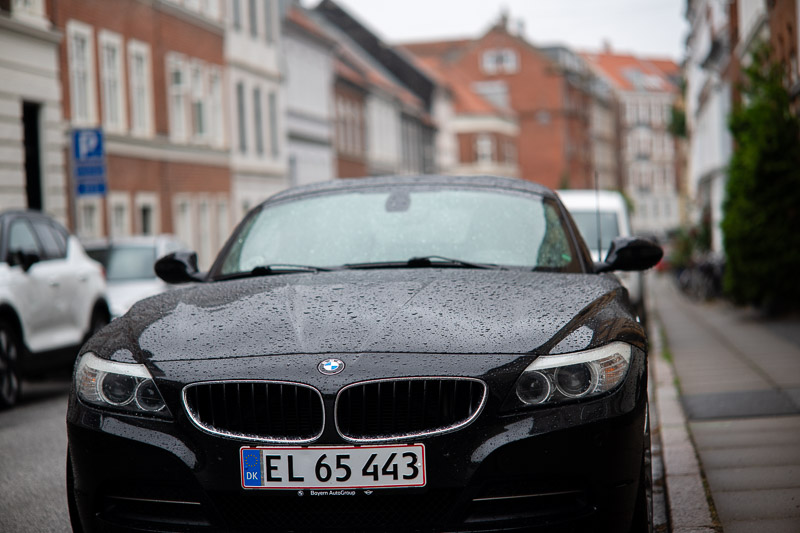

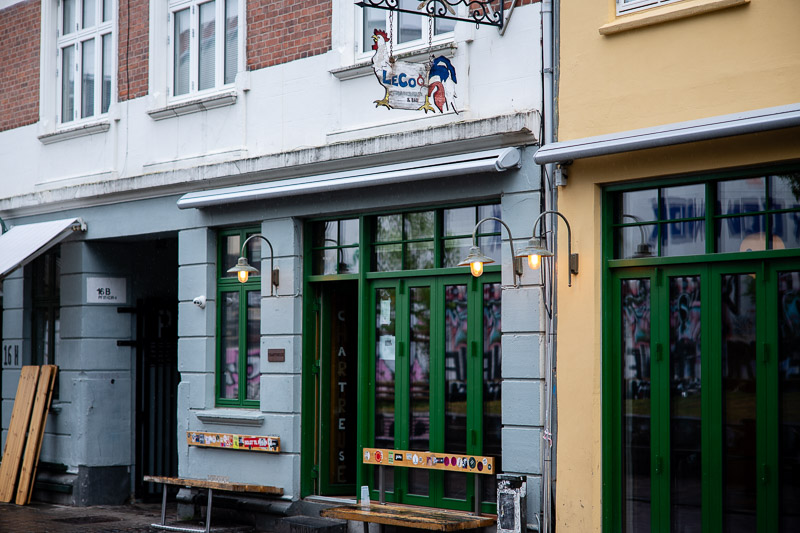

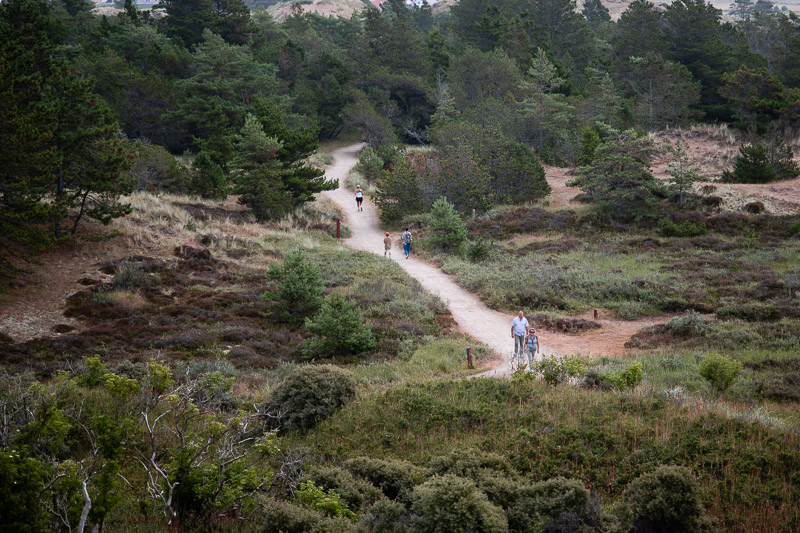
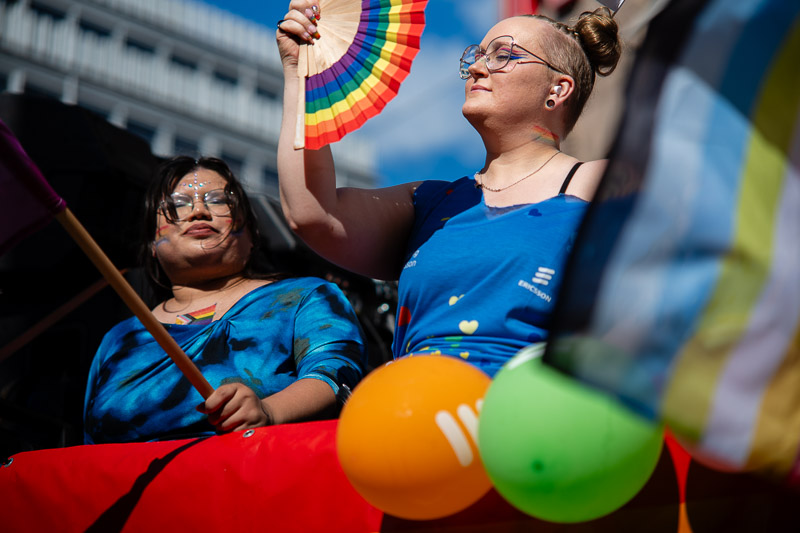
Most of the sample images in this review and many more can be found in higher resolution here.
Further Reading
Support Us
Did you learn something new, find this article useful, or simply enjoy reading it? We’ve put a lot of time and resources into creating it, and your support helps us keep going. If you’d like to show your appreciation, please consider clicking the Donate button!



(Donations via Paypal or bank card)
Or alternatively support us via this link.
What’s in my camera bag? MY 2026 KIT!!
This site contains affiliate links, for which I may receive a small commission if you purchase via the links at no additional cost to you. This helps support the creation of future content.


Martin M.H. lives outside Stockholm, Sweden. He is a M.Sc. in Computer Technology but he has been a passionate photographer for over 50 years. He started his photographic adventures when he was thirteen with an Agfamatic pocket camera, which he soon replaced with a Canon rangefinder camera that his mom gave him in his teenages. After that he has been using Canon SLR, Nikon SLR manual focus and Autofocus, Sony mirrorless crop sensor, Nikon DSLR and Nikon Mirrorless. He has photographed any genre he could throughout the years and you can see all kind of images in his portfolio. During the later years though it has been mostly landscape, nature, travel and some street/documentary photography.


