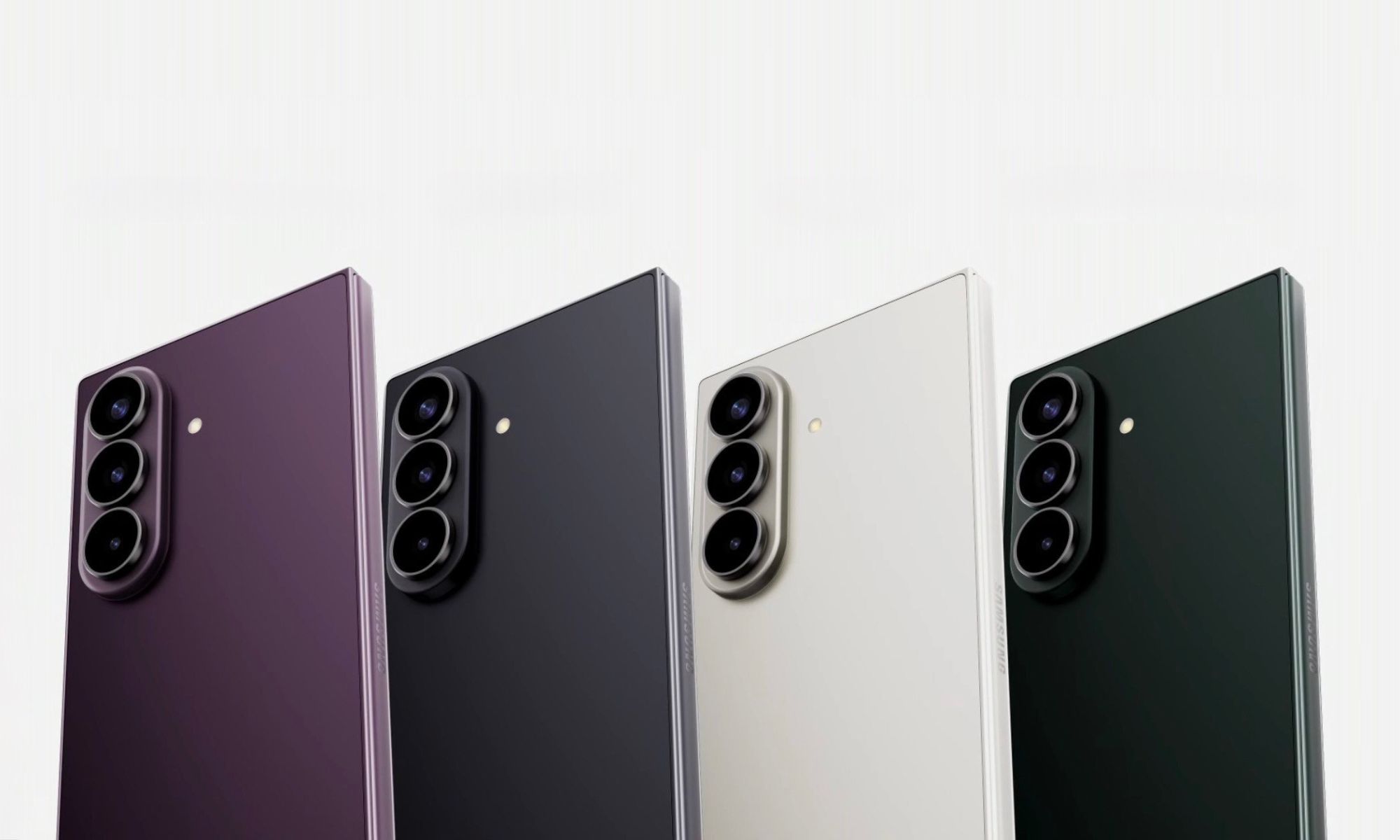

Two months from now, Apple will unveil the first foldable iPhone, and every leak points to a short, wide, passport-shaped design. Samsung saw the same rumors and struck first. A squat foldable shape that disappeared years ago returns as the Galaxy Z Fold8, giving Samsung a chance to claim the category before Cupertino. Meanwhile, the familiar tall foldable moves upmarket under a new name: the Galaxy Z Fold8 Ultra.
Related: Phablets and clamshells worth considering for your next buy
Samsung’s naming makes the lineup more confusing than necessary, so let’s clear that up. The Galaxy Z Fold8 Ultra is the true successor to last year’s Fold7, carrying over the tall multitasking design, triple-camera system, and $2,099.99 price tag. The standard Galaxy Z Fold8 heads in a different direction, with a wider footprint, lower weight, and a stronger focus on watching videos, reading, and gaming, starting at $1,899.99 (both prices at the July 2026 launch). If you’re torn between the two, I’ll show you which one makes more sense for your money.
Quick verdict
Buy the Galaxy Z Fold8 when your phone doubles as a tiny cinema and a paperback, and you would rather save $200 than chase zoom range. Step up to the Fold8 Ultra when you juggle apps all day, want a 200 MP camera with longer reach, and treat the big screen as a mobile desk. For most buyers, the Galaxy Z Fold8 is the smarter pick, and I’ll explain why below.
The shape that decides the rest
Everything else flows from the body, so start there. The Fold8 goes short and wide like an old passport, weighs a feathery 201 g, and opens to a 4:3 canvas. The Fold8 Ultra keeps the familiar tall build at 215 g and unfolds into a near-square 8-inch panel. That wider design gives the Fold8 a cover screen that feels much closer to a regular smartphone, making typing, reading, and browsing far more natural.
Watching video and reading on the move
Aspect ratio is the whole ballgame for a media phone, and I say that as someone whose gaming already stays on a dedicated handheld. The Fold8’s 4:3 inner screen fills far more of the panel with a widescreen video, so a Chelsea match shrinks the black bars that plagued older Folds. Turn it upright and 3:4 makes a passable e-reader, where the 201 g weight pays off on a long commute. The Ultra’s squarer 8-inch display looks grand yet leaves thicker letterboxing on movies, so the wide Fold8 is the more joyful watch.
The camera gap between them
Cameras are the biggest difference between the two models, and they explain much of the Ultra’s higher price. The Fold8 Ultra packs a 200 MP main sensor, a new 50 MP ultrawide that jumps from the Fold7’s 12 MP unit, and a 10 MP telephoto camera with 3x optical zoom and 30x Space Zoom.
The standard Fold8 takes a simpler route with a dual-camera setup, pairing a 50 MP main sensor with a 50 MP ultrawide and relying on 10x digital zoom without a telephoto lens.
Both models record in 8K and use the same 10 MP selfie cameras, but when I need a closer shot of my Labrador sprinting across a field, the Fold8 Ultra is the better tool for the job.
Battery size and charging speed
Battery anxiety killed the fun of older Folds, and as an iPhone owner long resigned to a lunchtime top-up, I notice when a foldable lasts through a full day. Samsung moves to silicon-carbon cells this generation, and both models benefit from the change.
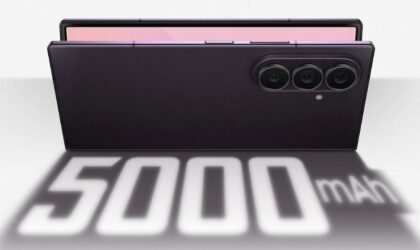
The Fold8 Ultra carries a 5,000 mAh battery rated for up to 27 hours of video playback. The standard Fold8 uses a 4,800 mAh battery with a quoted 26-hour rating. Charging speeds match at 45 W wired and 20 W wireless, with the Ultra reaching 67% in 30 minutes compared with 63% for the Fold8. The battery gap looks minor, and everyday use will feel almost identical.
Multitasking room and the flex-mode catch
Productivity is the Ultra’s home turf. Productivity is where the Ultra feels at home. The squarer 8-inch display comes close to having two phones side by side, making three-app split views and long email sessions more practical than on the wider Fold8.
The standard Fold8 also drops Flex mode, the half-folded setup that lets the phone hold an angle. Losing that trick hurts because many foldable owners use Flex Mode for hands-free video while eating lunch, folding laundry, or working through a recipe.
Neither phone supports an S Pen, a complaint carried over from the Fold7. For a work-focused buyer, I’d pick the Fold8 Ultra without hesitation. What surprises me is how Samsung helped define the foldable category, yet rivals like OPPO now squeeze in larger batteries, stylus support across the full display, thinner bodies, and near-invisible creases.
The $200 question
Price is the tiebreaker for a lot of readers. The wide Fold8 undercuts the Ultra by $200, and it even opens $100 below what the Fold7 cost at launch, a rare gift in a year of storage-driven hikes. You give up the telephoto lens, the 200 MP sensor, a sliver of battery, and Flex Mode to keep that money. I’d rather save the money on the Fold8 and put it toward accessories, apps, or storage than pay extra for camera features.
Where the Galaxy Z Fold8 wins
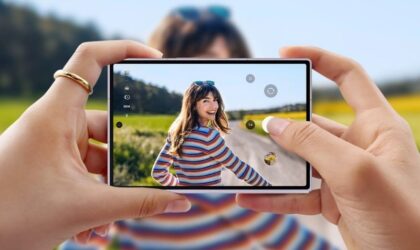
The wide Fold8 is the one I’d hand to most people. It suits anyone upgrading from a slab phone who wants a foldable that feels natural closed, along with the reader who watches, scrolls, and browses more than they multitask. A light 201 g body and that 4:3 screen make video and e-books a pleasure rather than a chore, so a commute stops being dead time.
Budget helps its case too, since the Fold8 slips into a back pocket and saves $200 over the Ultra. Curious buyers eyeing Samsung’s answer to Apple’s rumored passport iPhone get that fresh shape without the top-tier bill. Trade away telephoto reach and you gain the more livable everyday fold.
Where the Galaxy Z Fold8 Ultra wins
Samsung Galaxy Z Fold8 Ultra
Reach for the Fold8 Ultra when the inner screen doubles as a portable workstation. It earns the extra $200 for anyone whose day runs on split-screen apps, calendars, and documents, because the near-square 8-inch display gives two windows honest room instead of cramming them.
Keen photographers gain the most, since the 200 MP main sensor and 3x telephoto pull in detail and distance the plain Fold8 cannot touch. Frequent flyers and power users will lean on the 5,000 mAh battery and its 27-hour video figure on a long haul. Pay up only when cameras and multitasking, not media, define how you use the phone in your hand.
My final verdict
For the person who wants a foldable to replace a normal phone, I recommend the Galaxy Z Fold8. The wider 4:3 display fixes the biggest problem with older Folds, a cover screen that always felt too narrow. Add the 201 g weight and $200 lower price, and the Fold8 becomes the foldable I think most people will enjoy carrying every day for YouTube, books, browsing, and games. The silicon-carbon battery also removes much of the battery anxiety that followed earlier Fold generations.
The Galaxy Z Fold8 Ultra makes more sense for buyers who treat a foldable as a pocket workstation. Photographers who need the 200 MP camera and telephoto zoom, along with multitaskers who spend hours in split-screen apps, should look at the Ultra. Everyone else is paying $2,099.99 for features that won’t be used most days. The Fold8 delivers the foldable experience most people are looking for.


