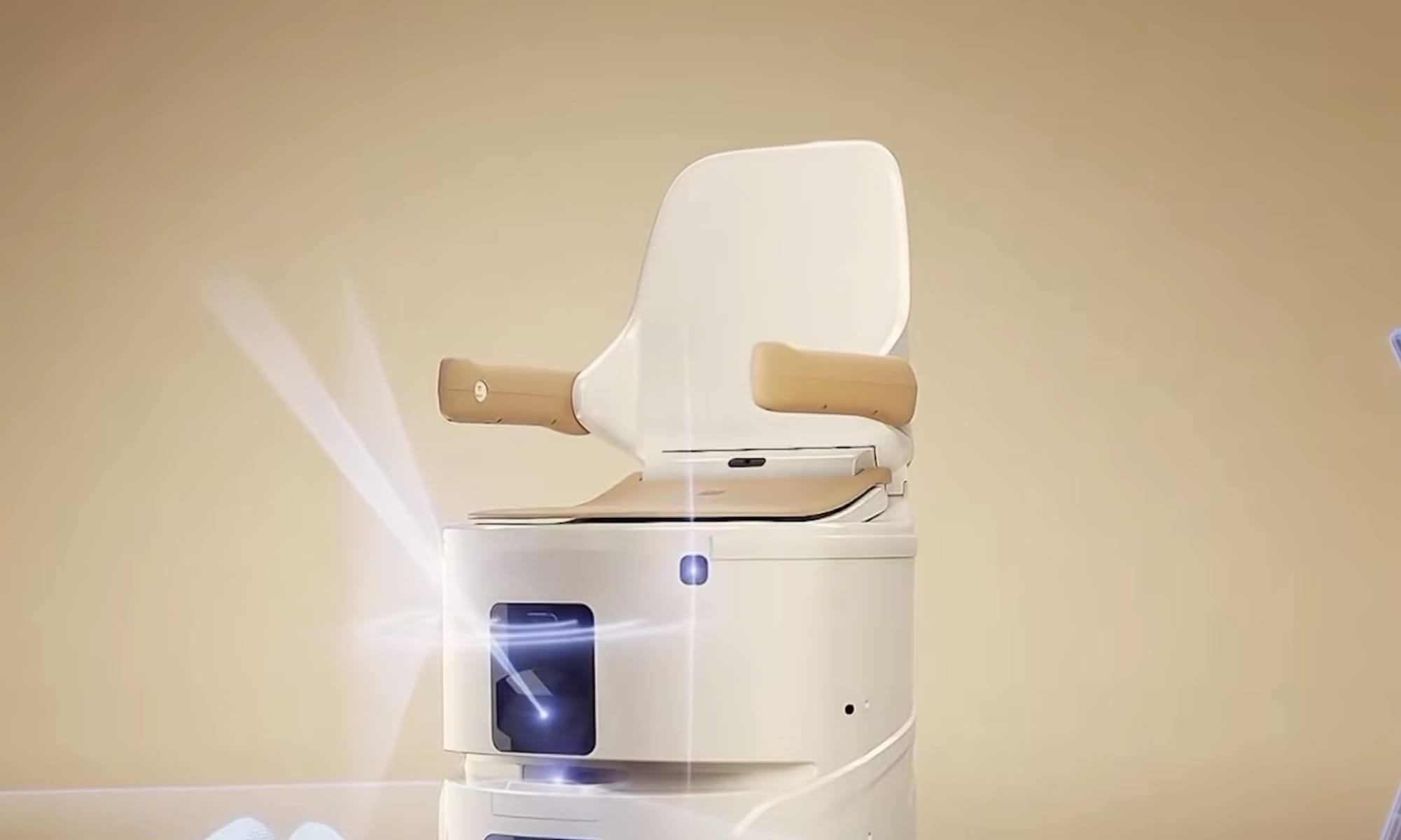
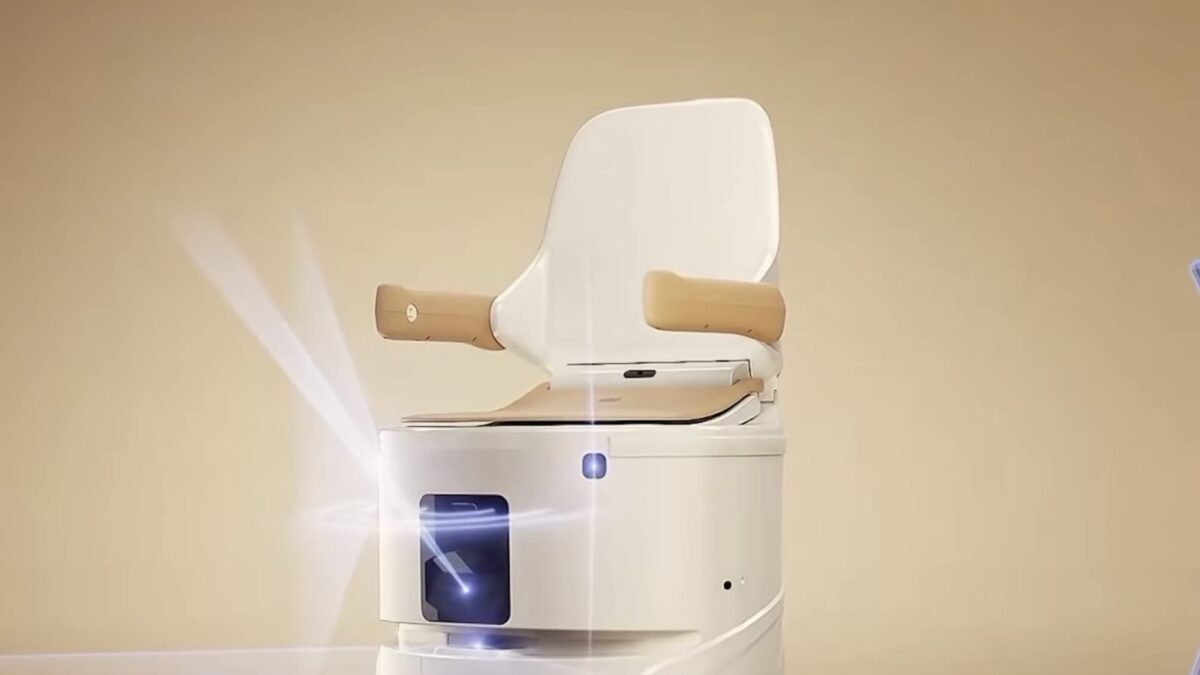
If you’ve spent any time helping an aging parent or a loved one with mobility issues, you already know what the hardest part is. It’s not the medications or the doctor’s appointments. It’s the bathroom. A Chinese company called Yueban just debuted a self-driving toilet called the Xiaoban that navigates to the user, handles nearly all the cleanup, and docks itself when it’s done. For caregivers everywhere, it sounds like relief.
The bathroom is where caregiving breaks people
I’m going to be honest here, this is a subject that can be deeply uncomfortable to discuss. Toileting assistance is one of the leading reasons families place loved ones in care facilities. It’s physically hard — transferring someone who can’t bear weight is a two-person job that causes back injuries. It’s emotionally hard — for the person receiving care, it’s one of the most dignity-stripping moments of the whole experience. And it happens multiple times a day, every day.
Caregiver burnout is widespread, and personal care tasks — bathing, dressing, toileting — are consistently cited as the breaking point. But every piece of coverage I’ve seen on the Xiaoban leads with the lidar sensors and the robot arm. Almost none of it mentions this context. That’s the part that matters.
What the Xiaoban actually does (and why it matters here)
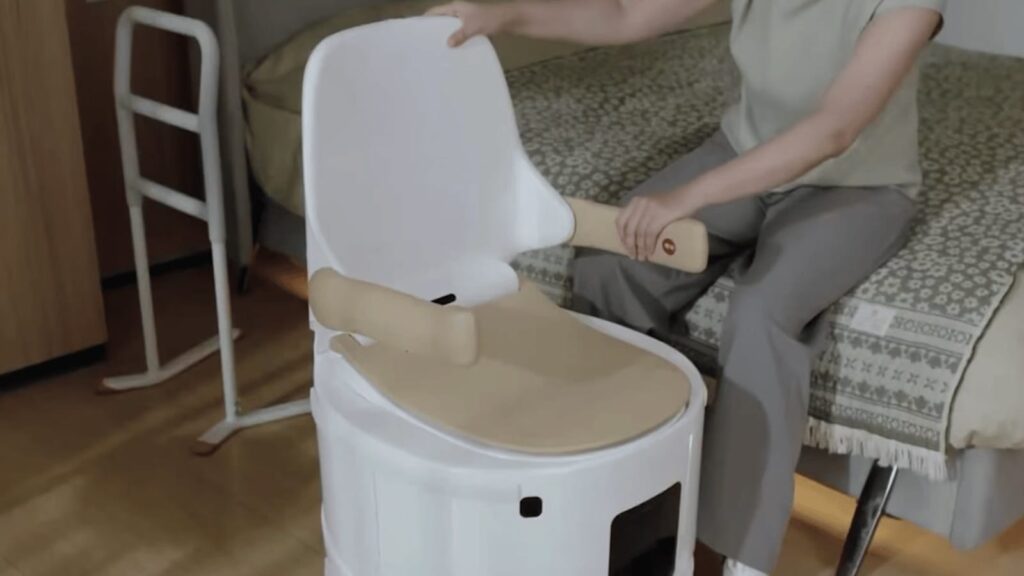
The specs read like a high-end robot vacuum crossed with a medical device. Lidar and ultrasonic sensors map the home and navigate around obstacles. The user summons it by remote or voice command — it comes to them. A built-in bidet and warm air dryer handle cleaning. UV lights kill bacteria. Waste is sealed, then either emptied at a docked charging station with plumbing or pumped into a standard toilet via a robotic arm if there’s no drainage connection.
What that actually means in caregiving terms: fewer transfers, less manual cleanup, more privacy for the person being cared for. To someone who’s been handling all of that manually, the Xiaoban certainly lightens the chore.
At $4,300, it’s expensive. But the average cost of assisted living in the US is around $54,000 a year. If a device like this extends someone’s ability to stay home — or delays a facility move by even a few months — the math isn’t hard.
The counterarguments, and why it misses the point
Yes, it’s expensive. And, yes, someone still has to help the user get seated. Also, it’s not available in the US yet. These are real limitations and worth naming.
But dismissing the Xiaoban because it doesn’t solve everything is a luxury position. Assistive tech is about reducing load, something caregivers can appreciate when there’s a bathroom call at 2 a.m.
Why American tech hasn’t touched this
The Xiaoban debuted at a Shanghai expo focused on elderly care and rehabilitation.
The US has largely treated the same population as a market for smart speakers and fall-detection watches. There are 53 million unpaid family caregivers in this country, and as boomers age, that number is only growing. The result is a significant population with a specific problem.
Getting something like the Xiaoban covered by insurance in the US would require FDA clearance and, likely, a reimbursement pathway. That’s a long road, but it starts with us deciding that the problem is real.
I’m not saying Xiaoban is perfect. But it’s one of the most meaningful pieces of assistive tech I’ve seen in awhile. The team behind it understands the difficult job of helping an elderly family member with toileting. It’s time to pay attention to caregivers and their needs.
Lauren has been writing and editing since 2008. She loves working with text and helping writers find their voice. When she’s not typing away at her computer, she cooks and travels with her husband and two kids.


