When I first threw out the idea of taking another look at the Canon EOS Digital Rebel 300D, the response from the team was tepid to say the least. Why devote time to what could be argued as one of the worst DSLR cameras of all time?
Sometimes, I feel it’s important to look back and see how far we have come, especially in an industry that is so firmly ingrained with technological evolution. And the Canon EOS 300D was only one of the worst because it was one of the first. What cannot be argued is that the 300D was the very first affordable DSLR that brought capable and creative digital photography to the masses.
I first revisited this camera 11 years ago, but a lot has changed since then, and I was curious if my opinion of the first entry-level DSLR would, too. I wanted to rediscover our digital photography roots and take the 300D for a spin some twenty-three years later. What I experienced still managed to surprise me.
Canon EOS Digital Rebel 300D: A Basic Premise
Released in 2003, the Canon EOS Digital Rebel 300D was often referred to simply as “the original digital Rebel” here in North America. In Japan, it was known as the adorable EOS Kiss Digital. Although the 300D shared a fair amount of technology from the more expensive semi-professional Canon EOS 10D, it was a scaled-down affair that was intended to bring the cost under the psychologically relevant $1,000 mark.
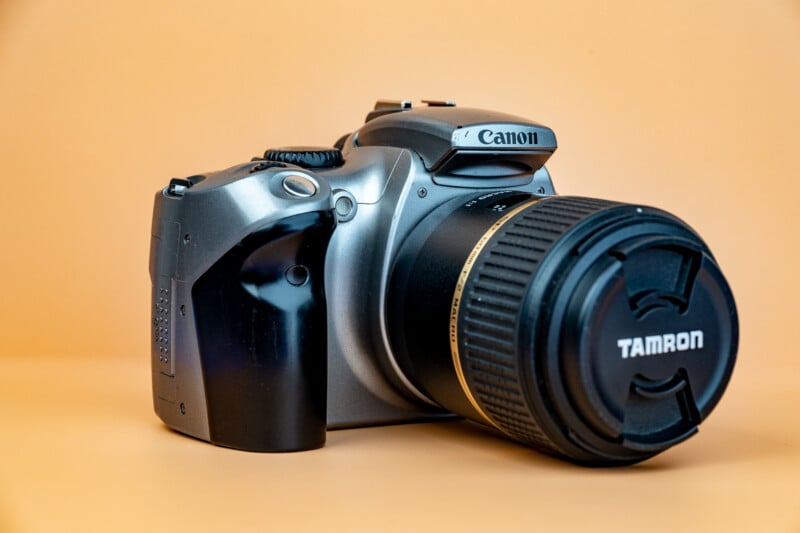
It has a 6.2-megapixel APS-C CMOS sensor housed within a clunky and creaky plastic shell. There was a very limited edition black body that looked quite smart, but for most of us, the silver option was the only one available.
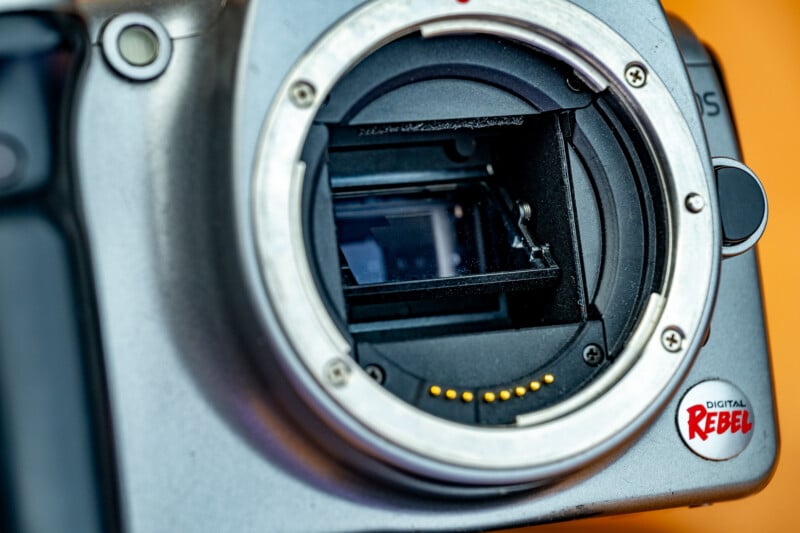
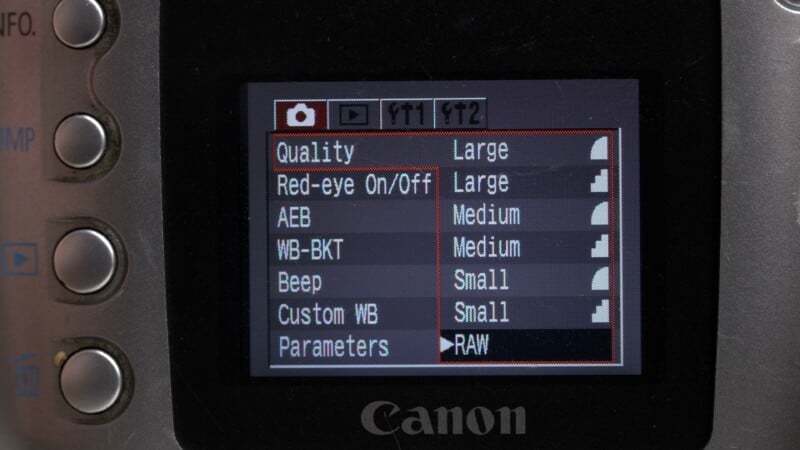
This silver body with its sprayed-on rubber grip surfaces looks and feels very cheap — it did then, and does now. The 300D has only a single command dial near the shutter and a single mode dial on top of the camera. Exposure compensation is managed via a button on the back of the camera, which also enables aperture adjustment when using full manual control.
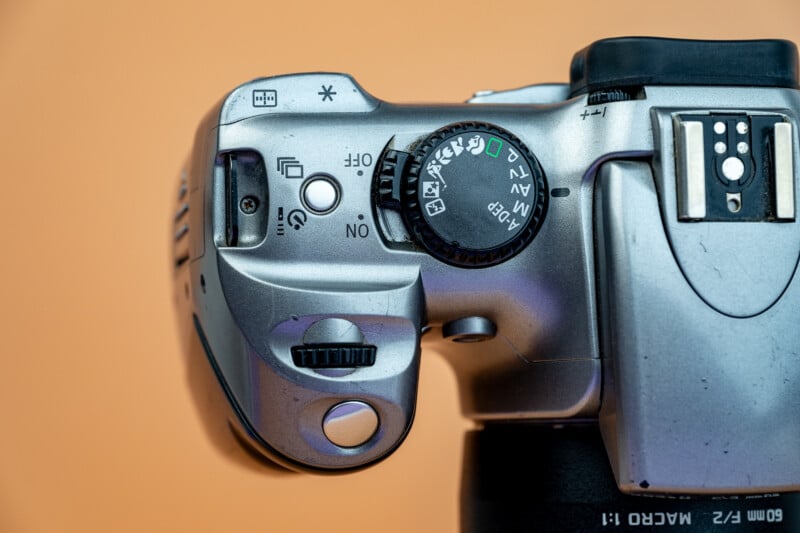
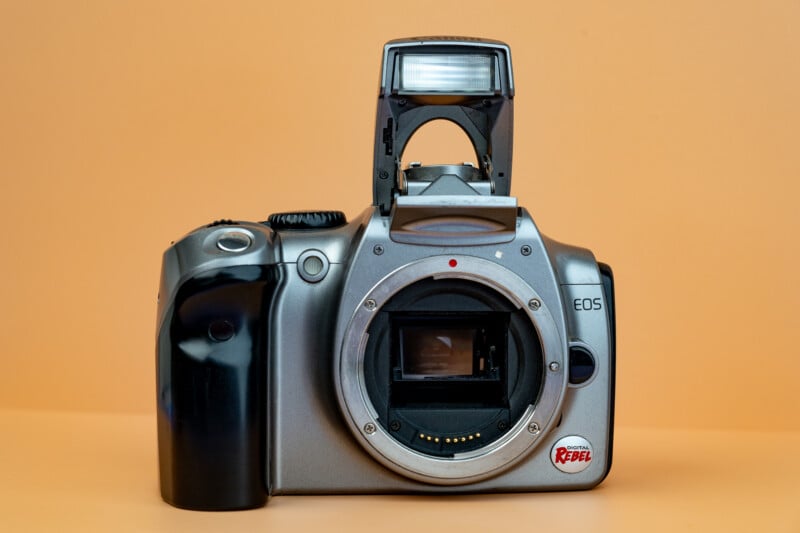
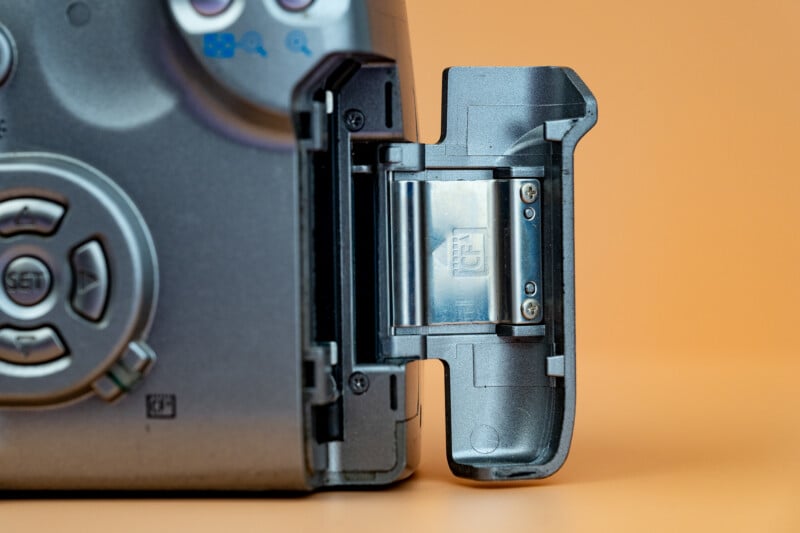
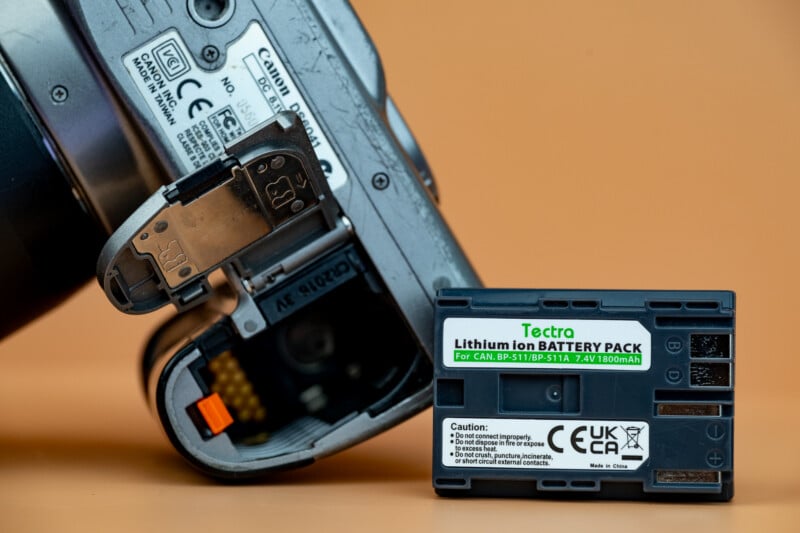
The Rebel 300D weighs around 22.7 ounces (650 grams) and has a bulky grip. There is no denying that the handling experience is less than stellar. Overall, the interface is very simple but very slow to use. It was the standard setup on the analog Rebel bodies and continued for many years after as well. With some practice, you can manipulate the manual controls and adjust white balance and ISO in a fairly straightforward way. Perhaps the beauty behind the 300D design is that it is not very capable but also not very complicated. Throw a BP-511 battery and a CF card in the camera, and you’re ready to go.
Canon EOS Digital Rebel 300D: The Shooting Experience
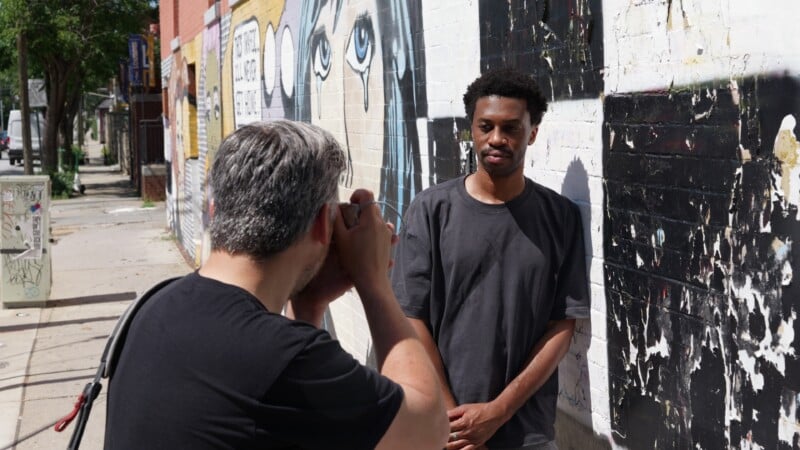
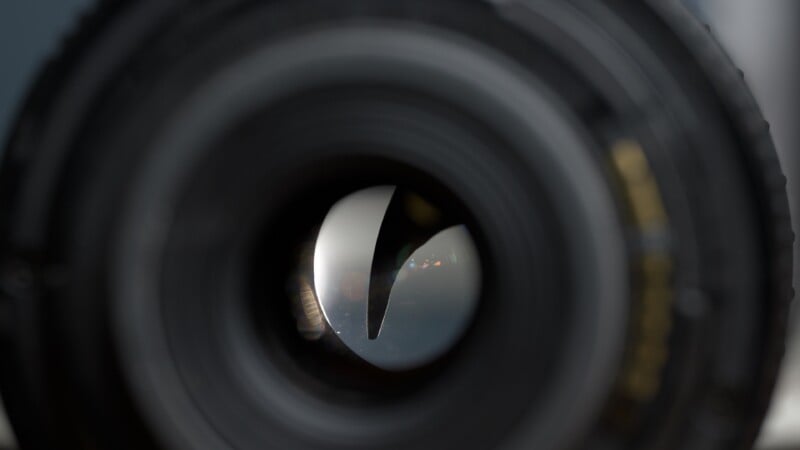
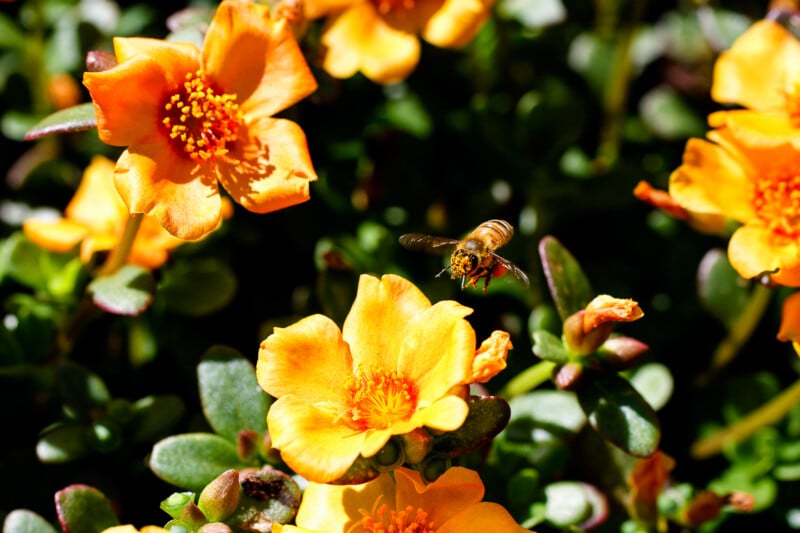
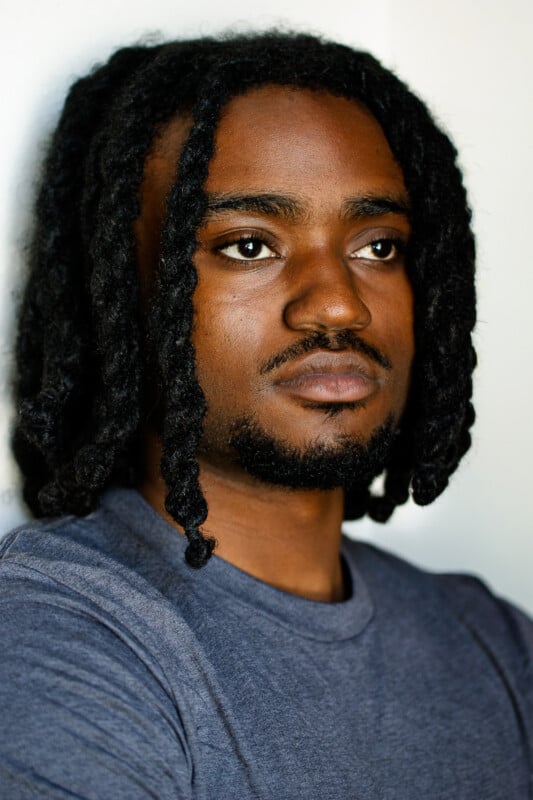
I wandered the streets of Atlanta, Georgia, armed only with the Rebel and a Tamron SP 60mm f/2 macro lens. I was on the hunt for close-up shots amongst the beautiful flowers there as well as street portraits, which the Tamron happens to handle with aplomb.
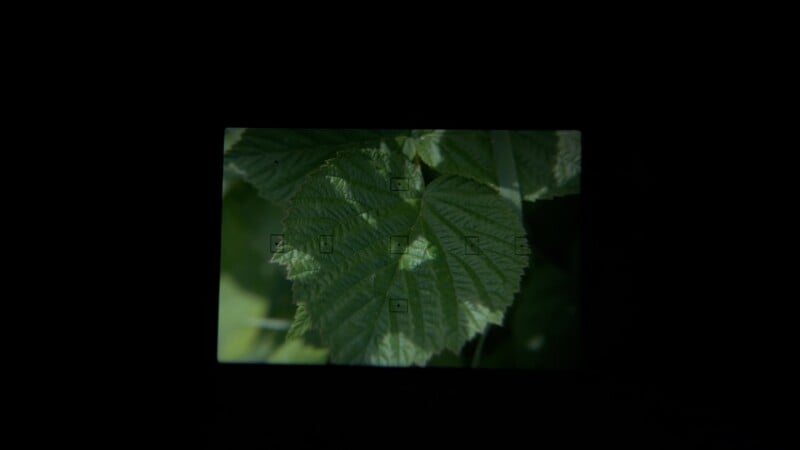
Composing through the penta-mirror viewfinder was not as difficult as I had remembered from back when I first sold the 300D early in my career. Although it was a bit akin to shooting down a tunnel, the viewfinder was sufficiently bright and magnified to compose carefully. I could focus the camera from amongst seven focusing sensors, but I mostly chose to use the more effective center point and recompose.
The focusing experience is exactly like that of any of the other entry-level cameras of the time. Sometimes the lens would hunt excessively, and sometimes it would be misfocused even upon confirmation. This was pretty typical of the earlier SLR experience anyway, and we are spoiled nowadays with tracking AF and subject detection modes.
Suffice to say, I did have a certain number of images lost to missed focus, and the very small back LCD panel does not allow for effective evaluation of the photos in the field, so I didn’t notice until it was too late.
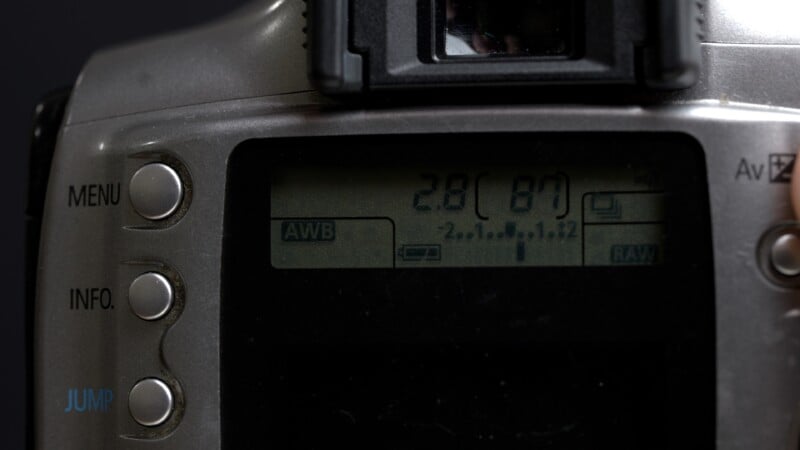

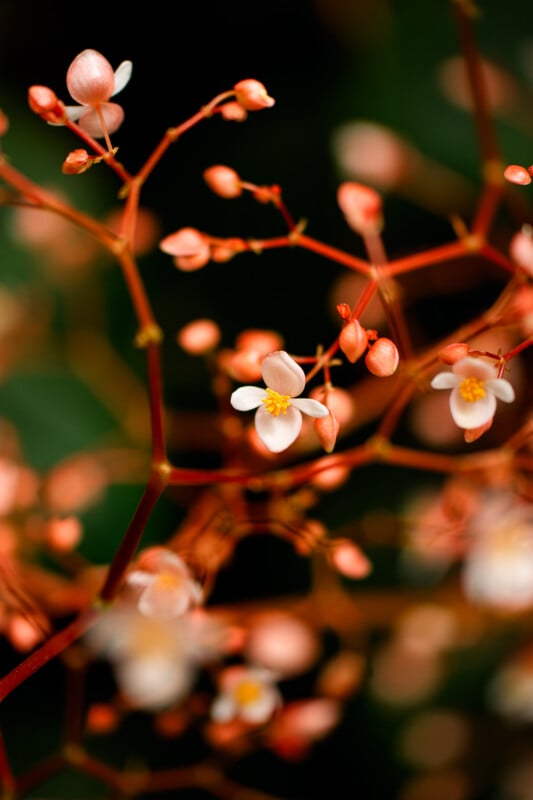
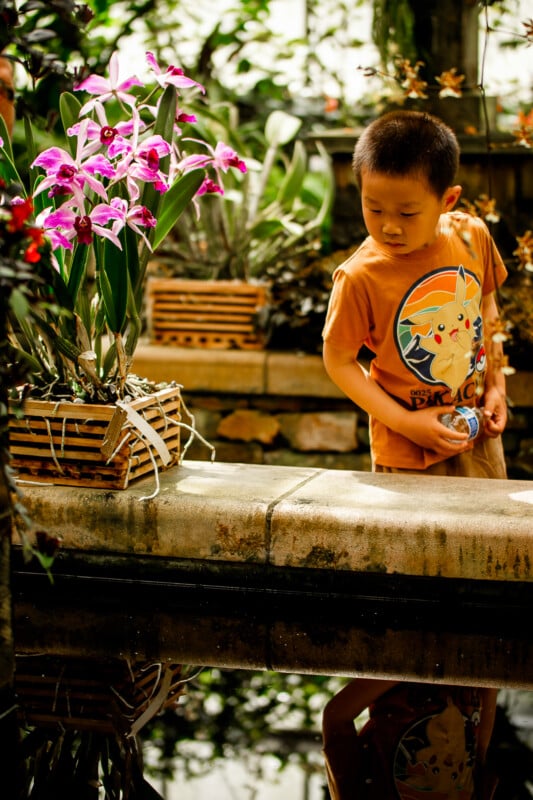
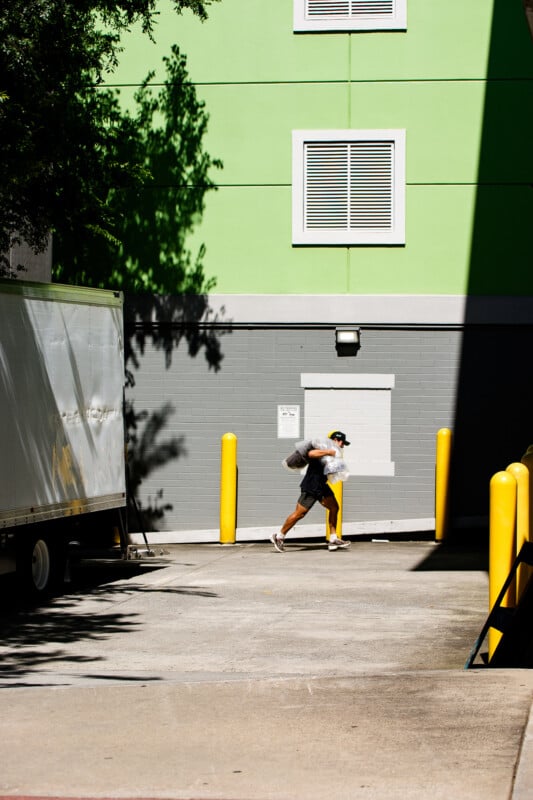
The back panel is only 1.8 inches across and has 118K dots in resolution. It also takes an incredibly long time to bring photos up for playback and to cycle through them. We didn’t know any different back then, but I found the delay quite jarring in the present day. Speaking of delays, the 300D can only shoot a maximum of 2.5 frames per second, and the bursts will slow after four or five shots. You also have to wait for a long time as the buffer clears before shooting further. This is definitely a camera that you shoot slowly and methodically. I now realize that mirrorless users purchasing entry-level cameras still get a far more capable experience than what we were used to back in the day.
Canon EOS Digital Rebel 300D: The Image Quality
Clearly, I found the shooting experience to often be frustratingly slow, and limited in its ability to capture certain kinds of photography. I realize that I have been taking for granted the modern conveniences and speed benefits that come along with modern innovation and processing power. Cameras today are far more flexible and versatile, regardless of price or intention. But what about the image quality?
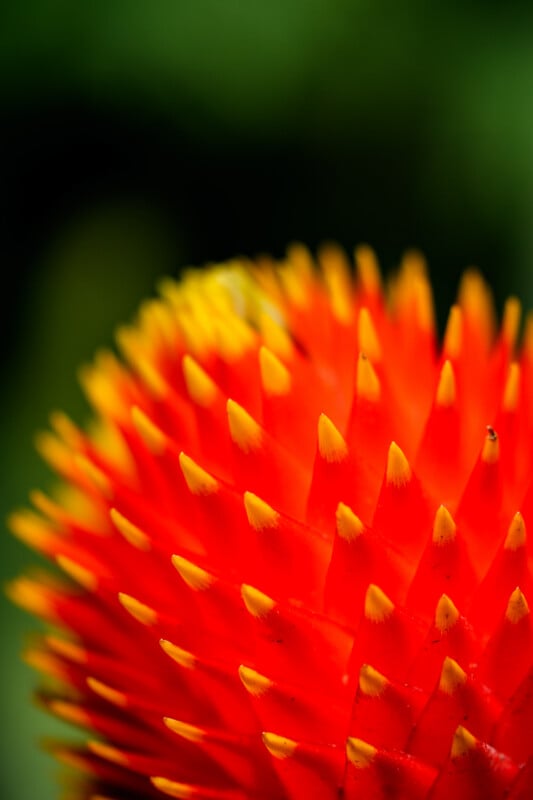
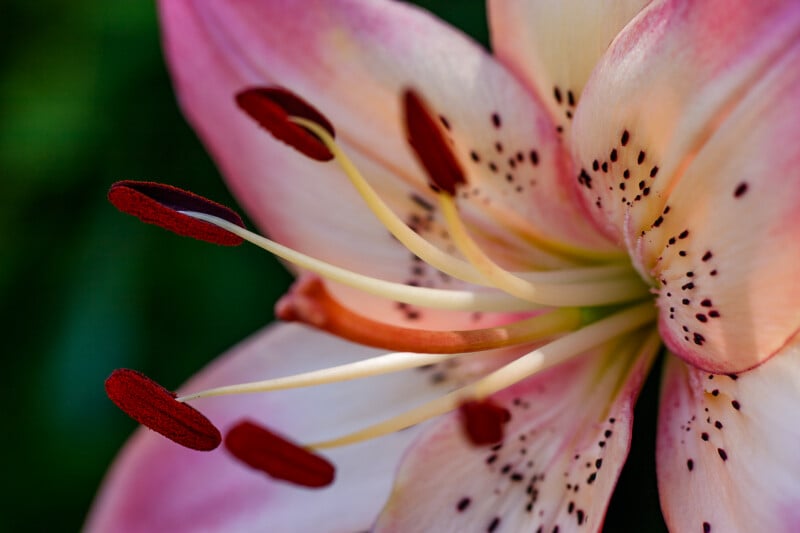
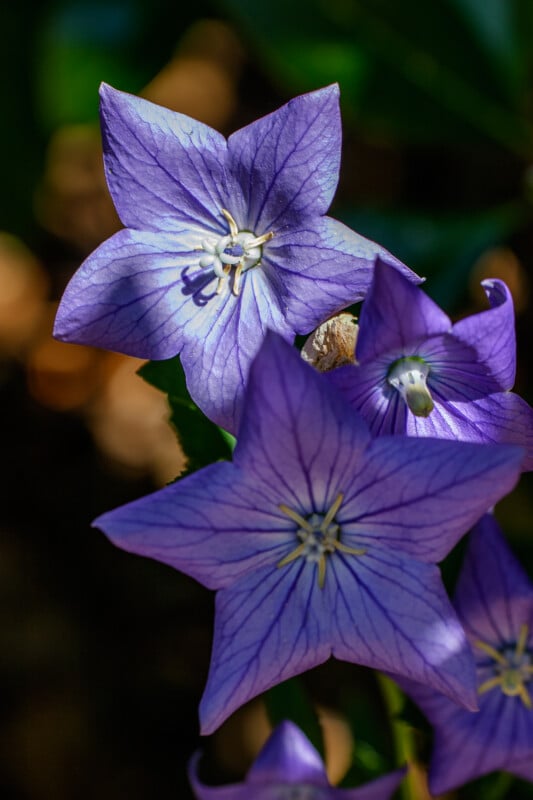
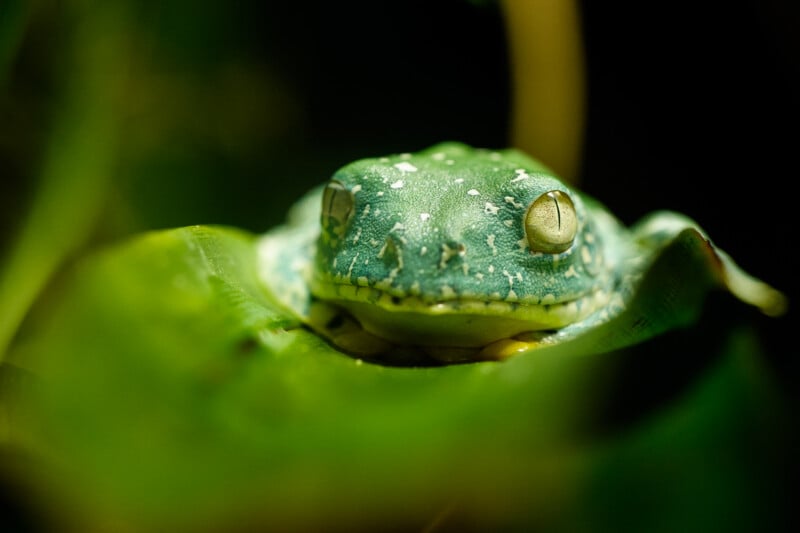
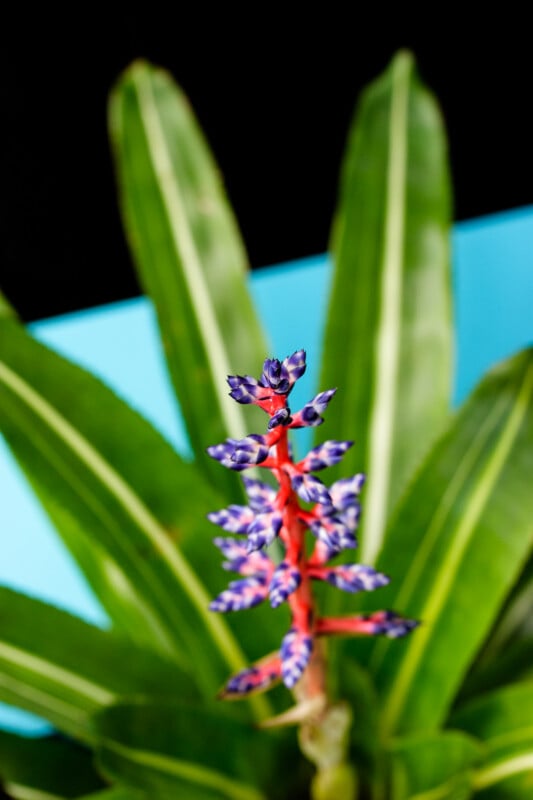
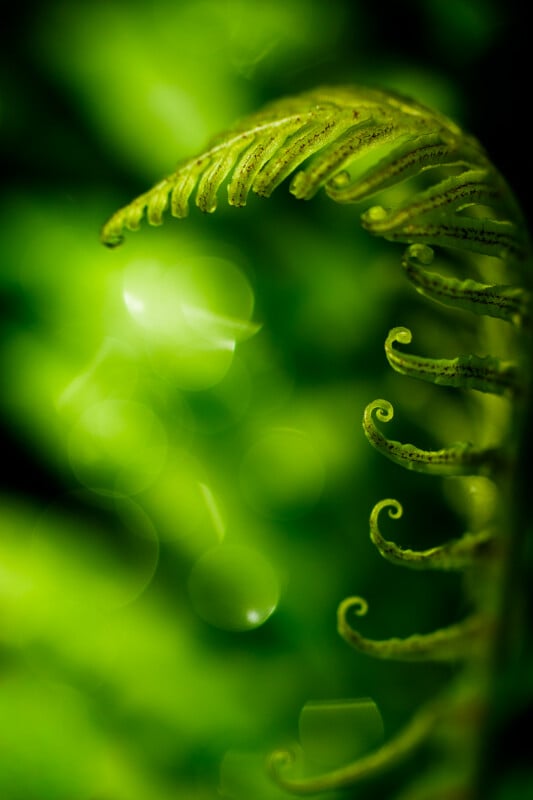
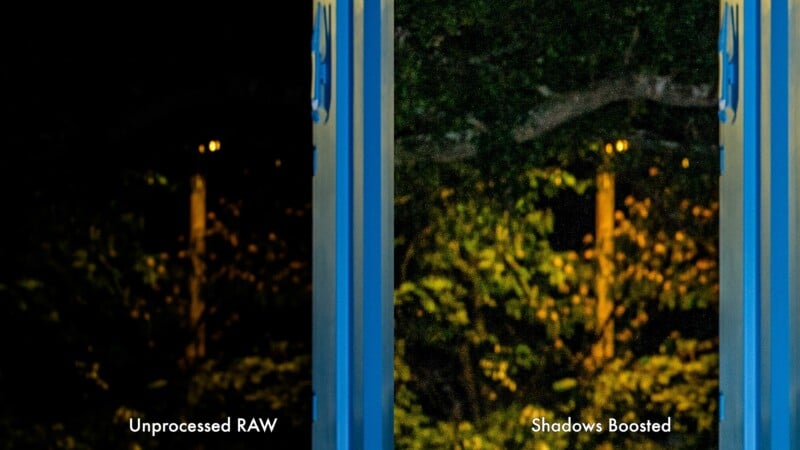
The maximum ISO setting of 1600 does limit what low-light situations you can shoot in. More importantly, the amount of noise visible at even moderately high settings is prohibitive. Textured noise is easily visible at 400 ISO and higher, and you can’t push and pull shadows with anywhere near the impunity that we enjoy today.
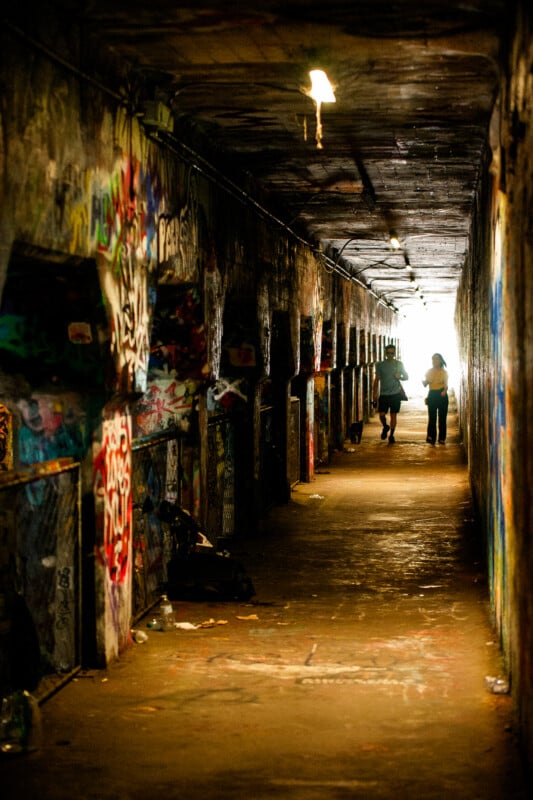
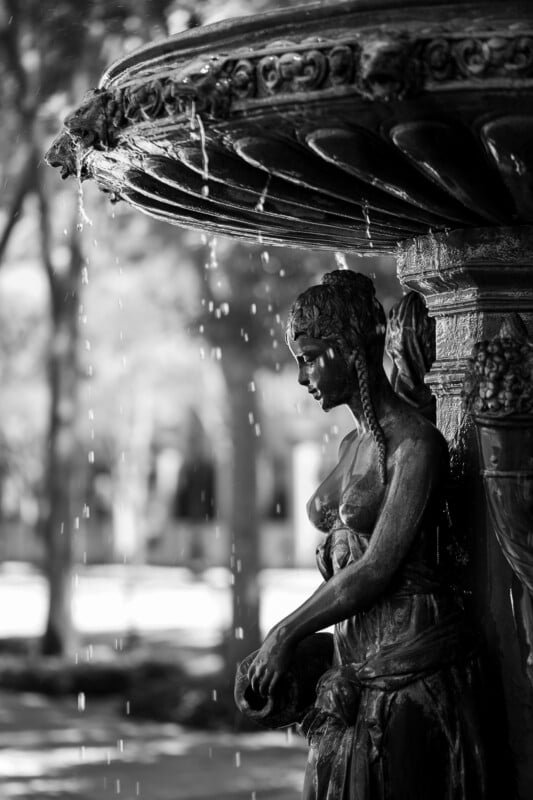
The dynamic range is also limited, and the camera has a propensity to blow highlights. This also leads to brighter colors, such as pinks and violets, to very quickly block up into solid patches. A little more care has to be applied with exposure to protect highlights and capture what is most important to you in the frame. You don’t get the relatively massive exposure safety blanket that we enjoy today.
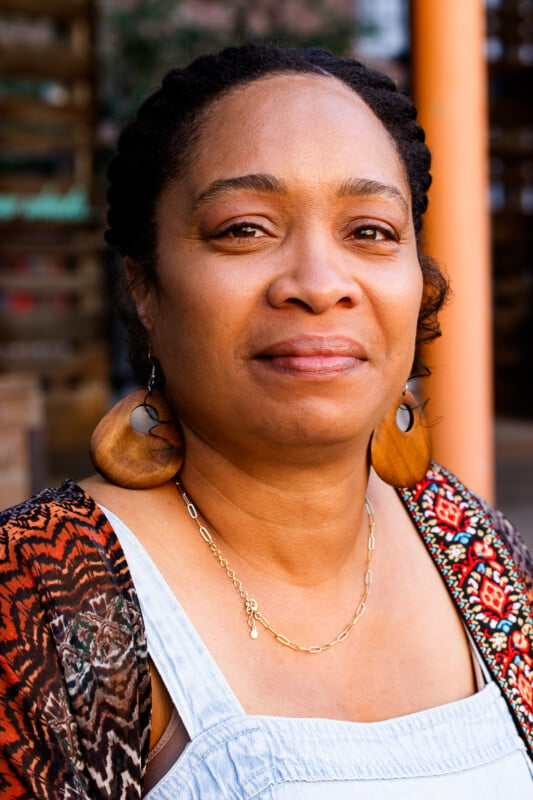
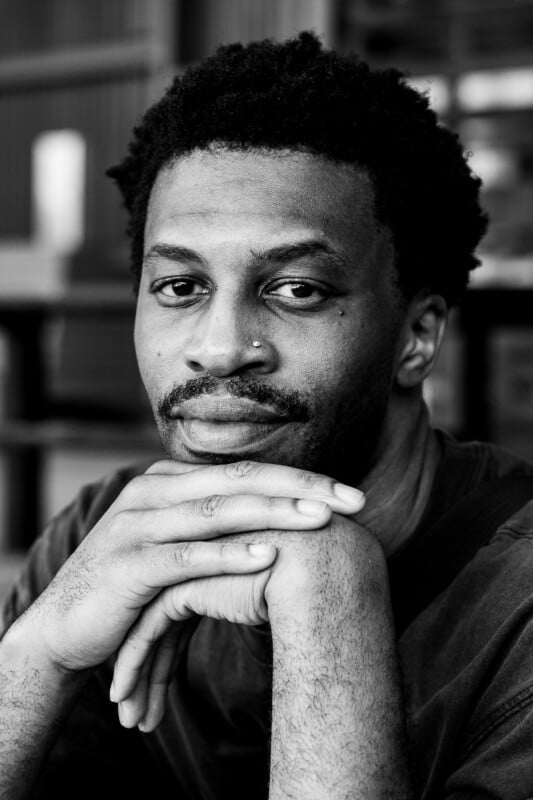
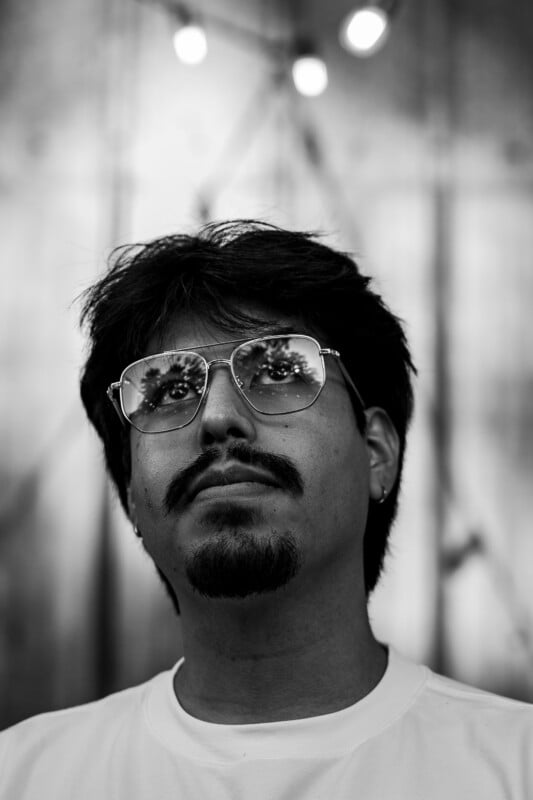
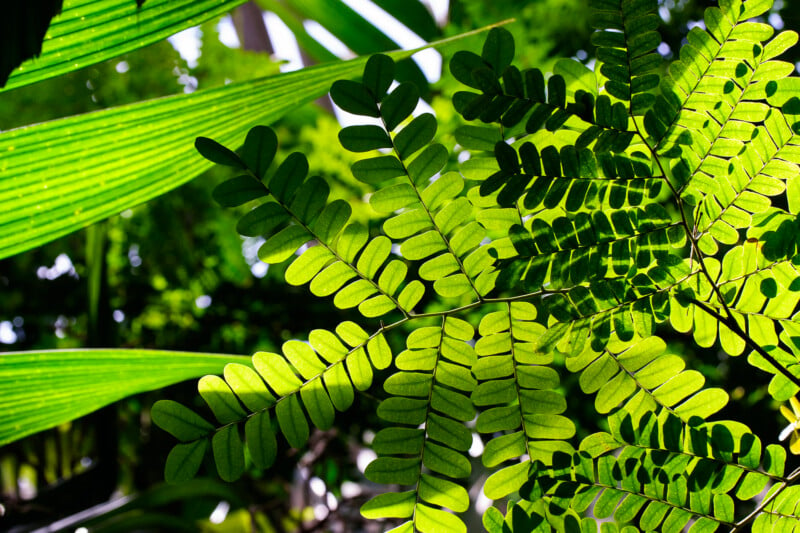
That being said, the colors themselves are absolutely gorgeous. Canon quickly solidified its reputation for universally loved color science, and it is easy to see why. I really liked the skin tones, vibrancy, and tonal range that this older sensor delivered. Conversions to black and white also looked sumptuous and were very easy to edit to taste without issue.
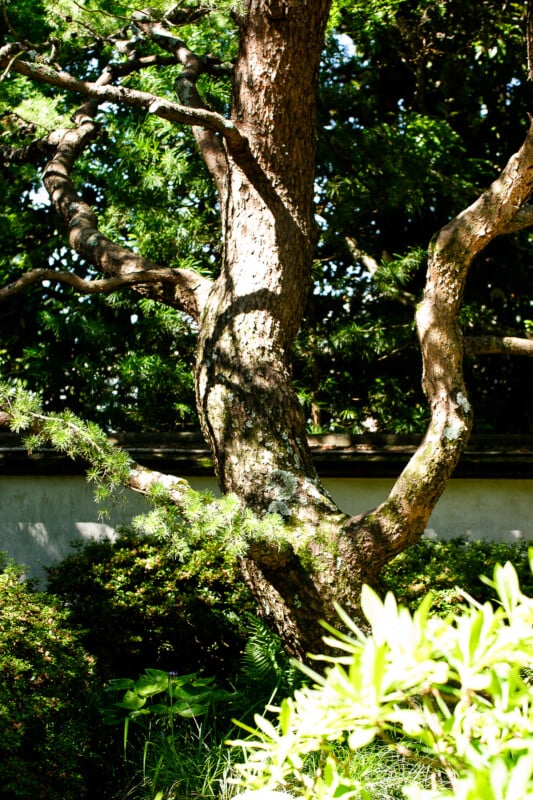
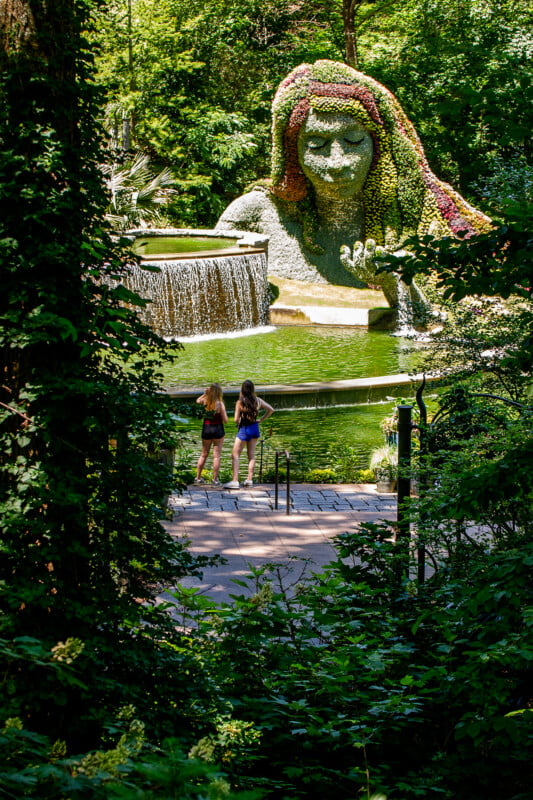
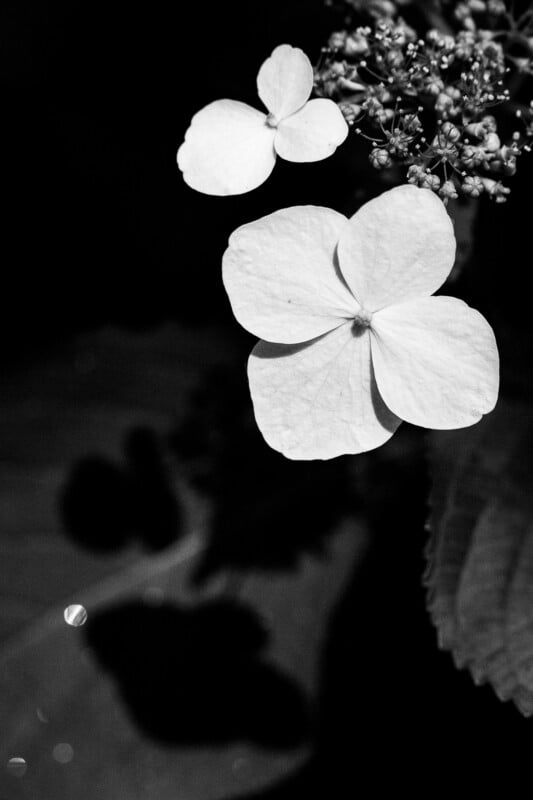
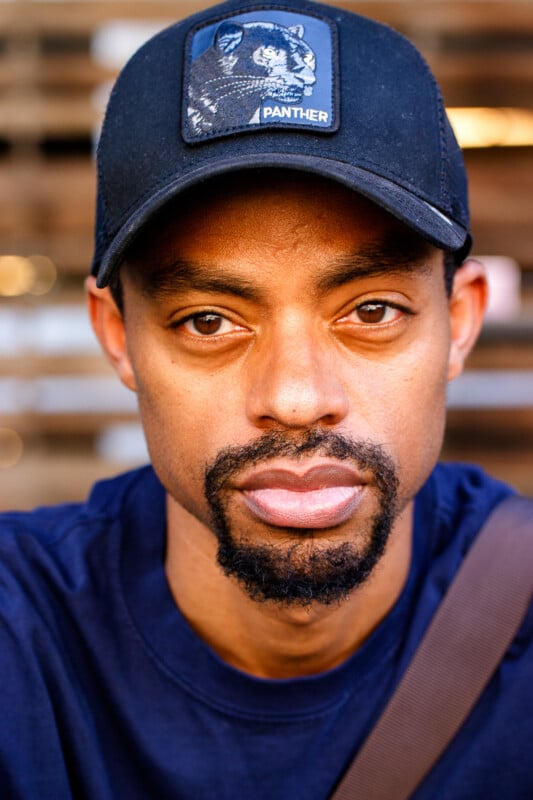
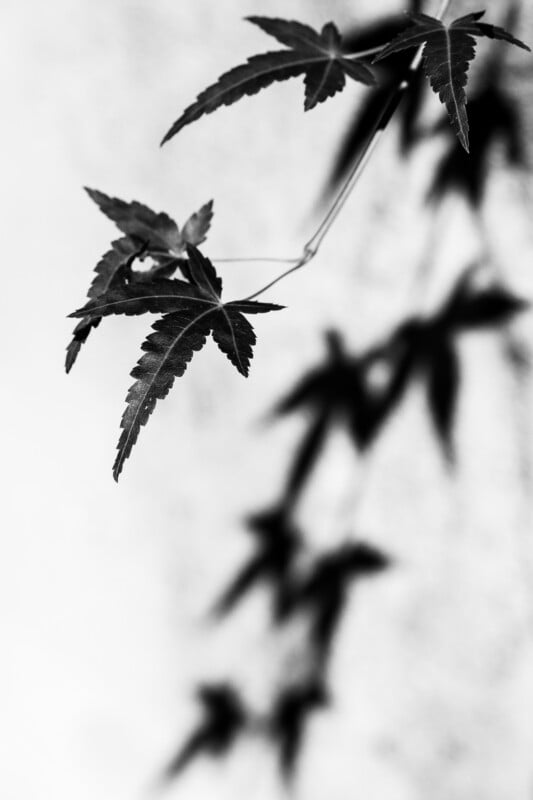
I was very happy with the images that I got out of the 300D, and as long as I managed the low-light situations with flashes and took care to capture the right exposure latitude, I got pleasing photos. This is very similar to shooting with analog photography and is not exactly hard to achieve. Truly, we are spoiled today with just how much flexibility and versatility our modern camera sensors give us, and this is to be celebrated. However, reshooting the Canon 300D also gave me the perspective I was looking for, and I have a renewed appreciation for where things began.
Canon EOS Digital Rebel 300D: The Beginning of the Journey
I really wanted to use this experience as a way to refresh my memory while also giving reverence to a very important camera. No, the 300D is not the greatest shooting experience I’ve ever had, and yes, it is objectively bad when compared by any metric to the DSLR cameras that followed.

However, this was the first real DSLR that the average consumer could afford, and it brought a more serious digital photography experience into the homes of so many people. Just think of how many baby photos and family vacations were captured on a 300D. Think of how many current serious photographers got their start with a 300D in hand.

The 300D is both an iconic camera and a perfect example of where the bar started for the entry-level DSLR experience. After the release of this camera, the next few years proved to be incredibly prolific for the industry. The Nikon D70 and D200 hit the shelves, the Digital Rebel series got more compact and more capable, and the Canon 5D brought full-frame photography to the enthusiast market. It was an exciting time in the world of photography, and I’m glad I got to relive it again.


