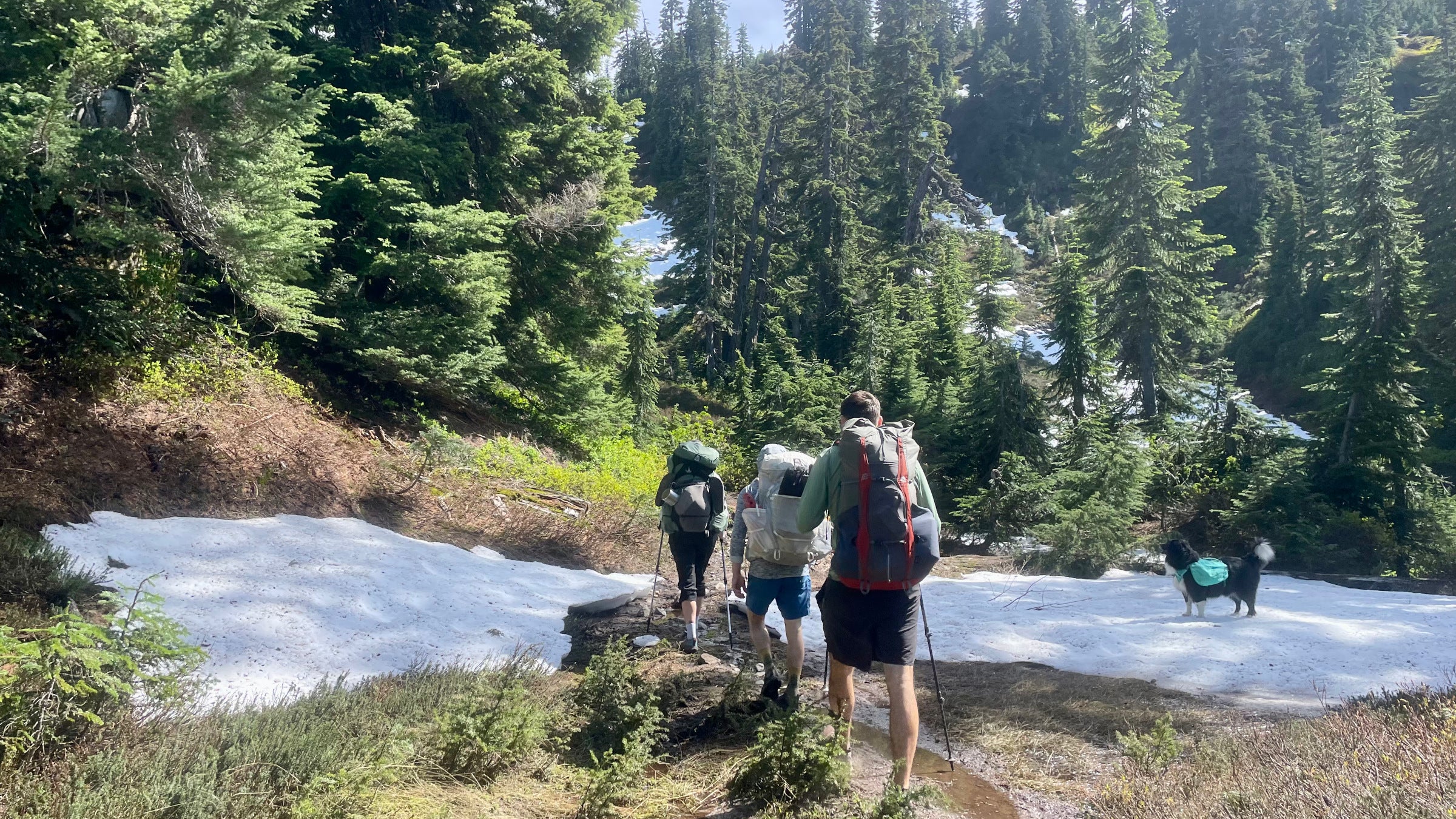
Thru-hikers are the harbingers of gear trends in the backpacking world. Here’s what was hot this season.
(Photo: Zoe Gates)
Published September 10, 2026 06:05AM
On long trails, gear and clothing trends can seem as fad-driven as they were in high school. Caps are out, bucket hats are in. Heavy boots are so 2005. And if you aren’t dressed in a hooded, collared shirt with donuts all over it, are you even a thru-hiker? Show up to the trailhead with the wrong setup, and just like when you were a teenager, you might feel like you risk being laughed all the way back to town for a resupply.
Not that every trend exists across every trail, of course. Trail culture—and the gear that contributes to it—varies from place to place. For example, “Ultralight felt very ‘in’ out west in a way that it didn’t out east,” says thru-hiker Madelyn Dukart, who has trekked long trails across the country.
When something is hot in the thru-hiker community, it’s only a matter of time before it trickles down to the rest of the backpacking world. And while some gear crazes only stay in vogue for a season or two, plenty of fresh gear and apparel becomes popular thanks to its practicality or innovation. Here are the trends that took the long trails by storm this past season.
Head-to-toe Alpha Direct Fleece

To say the ultralight material Alpha Direct swept the thru-hiking community off their feet may be an understatement. “Just a year or two ago [thru-hikers] were all about microgrid hoodies, but they definitely have moved on to Alphas,” notes Mary Pillsbury, owner of 2 Foot Adventures outdoor stores located along the PCT in Julian and Kennedy Meadows.
It makes sense: Alpha Direct is lighter, more compact, breathes better, and still insulates well when layered under a windproof jacket. Hoodies made from the material have been popular for a few seasons, but this year’s hikers aren’t stopping there: pants, hats, socks, even gloves have been hot ticket items this year for their gram-consciousness and versatility.
Fuel Transfer Devices
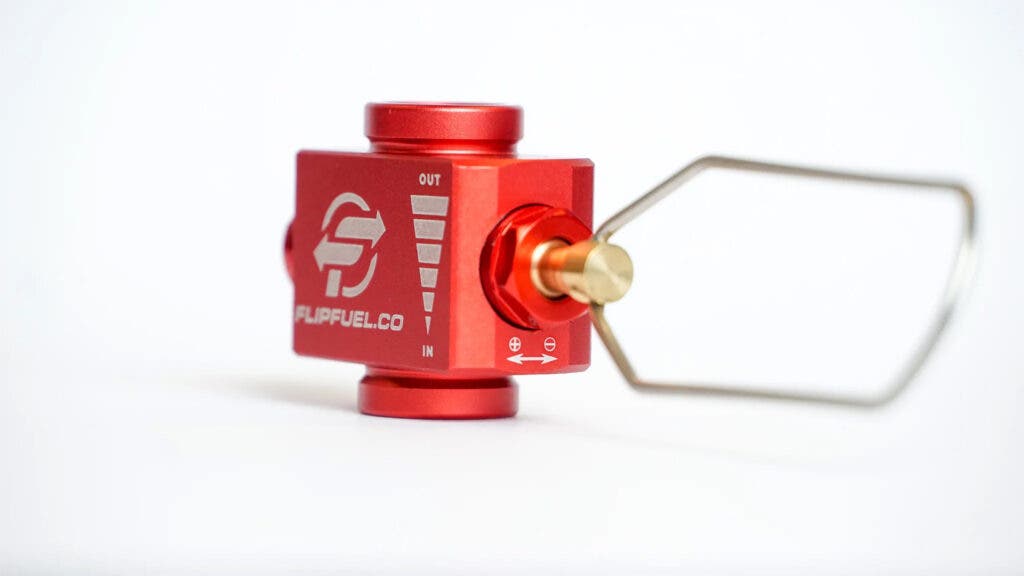
Head to any trail town and there’s one thing you’re practically guaranteed to find in every hiker box: a quarter-full IsoPro fuel canister or three. After all, no one wants to leave town with one day of fuel left in their canister then have to carry it empty to the next resupply. Enter fuel transfer devices.
These pocket-sized wonders allow hikers to combine fuel from multiple partially empty containers into one. They aren’t new this year, but they were formerly built of hefty metal materials. But a 2.4-gram plastic version is becoming ubiquitous: “Almost every hiker carries a fuel transfer device thanks to Alpenglow Gear. They are so light and inexpensive; 3D printing is changing the market,” says Pillsbury.
Reusable Water Bottles

“This is the first year I’ve heard thru-hikers talk about microplastics,” says Pillsbury. Where Smartwater bottles were once the go-to, more hikers have made the swap this year to using reusable CNOC or M!Go bottles, she’s noticed.
Smart, since studies have shown that reusing single-use plastic bottles results in ingesting more microplastics. Plus, reusable bottles are designed to last for years and are only marginally heavier.
“Most people that get involved in outdoor recreation begin with their love for nature, and it can feel dissonant to preach respecting nature while relying on single-use plastics for such a crucial piece of gear. Seeing multiple brands with thru-hiker-friendly water bottles seems to alleviate some of that dissonance,” Dukart says.
Pad Pumps
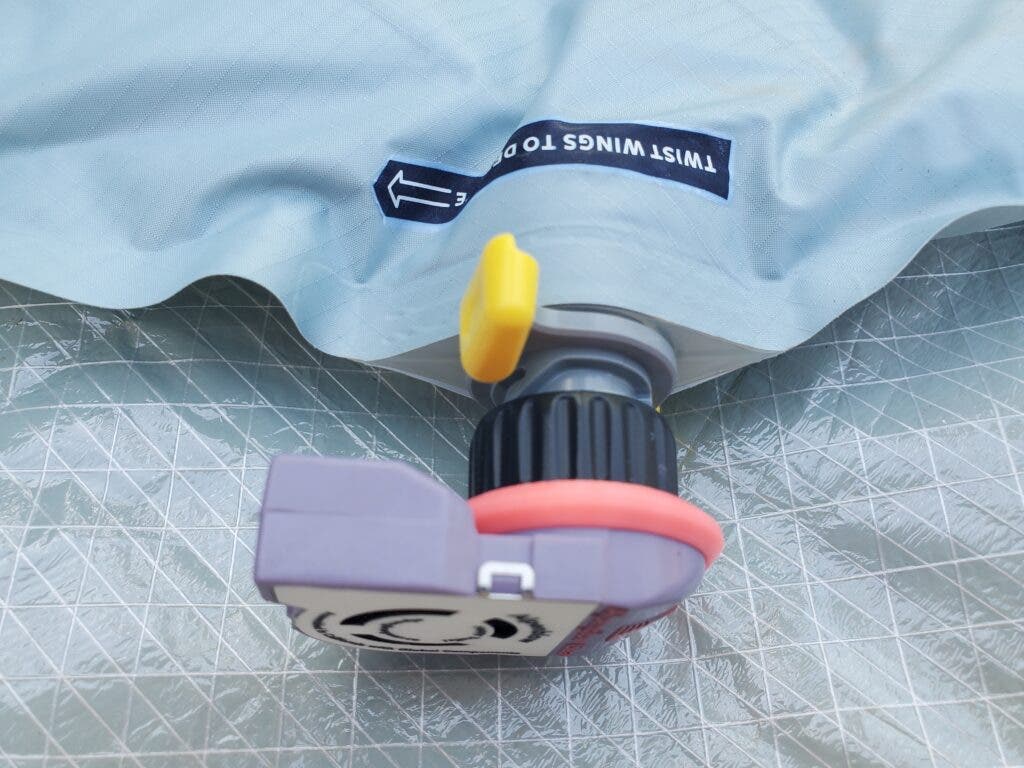
Long gone are the days of huffing and puffing into your inflatable sleeping pad every night thanks to the rise of ultralight pad pumps. In fact, the gadgets have gotten so small and light––thanks in part to the rise of 3D-printed gear and the cottage industry––that there’s little reason not to pack one.
After all, there’s an option to suit every hiker, from the stupendously light Alpenblow that you plug into a power bank to the battery-powered Flextail Zero Pump. Wander into any thru-hiker camp this season, and you’re unlikely to see many people inflating their pad the old fashioned way.
Durston Tents
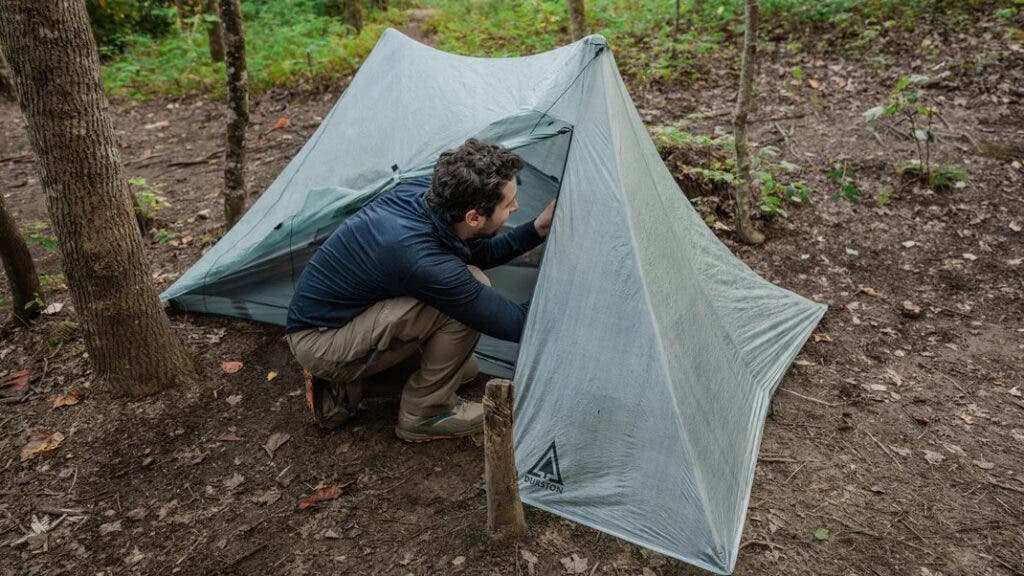
While Durston has enjoyed a loyal cult following for several years now, this past thru-hiking season brought an explosion in popularity. “It feels like you can hardly walk through a campsite without seeing an X-Mid,” says Amber Rae Hedman, a thru-hiker who completed the PCT in 2022 and 2025, among other trails.
It makes sense: The unique offset design of the trekking pole tent offers a more spacious layout and for staggering low weight. Plus, while they were once difficult to get as limited batches were often released months apart, more regular production has allowed hundreds—if not thousands—more hikers to become instant die-hard fans.
Cameras

A more surprising piece of gear that’s made an appearance on long trails in the last year are standalone cameras. Be they digital, film, or disposable, more thru-hikers are ditching the photo capabilities of their phones for a dedicated image-capture experience. “Documenting the journey has become such a big part of the thru-hiking experience,” Hedman says. To do so, many modern hikers are turning away from their smartphones.
Is it worth the weight? That’s a personal choice. But compact cameras take measurably better photos than phones (and without draining your battery).


