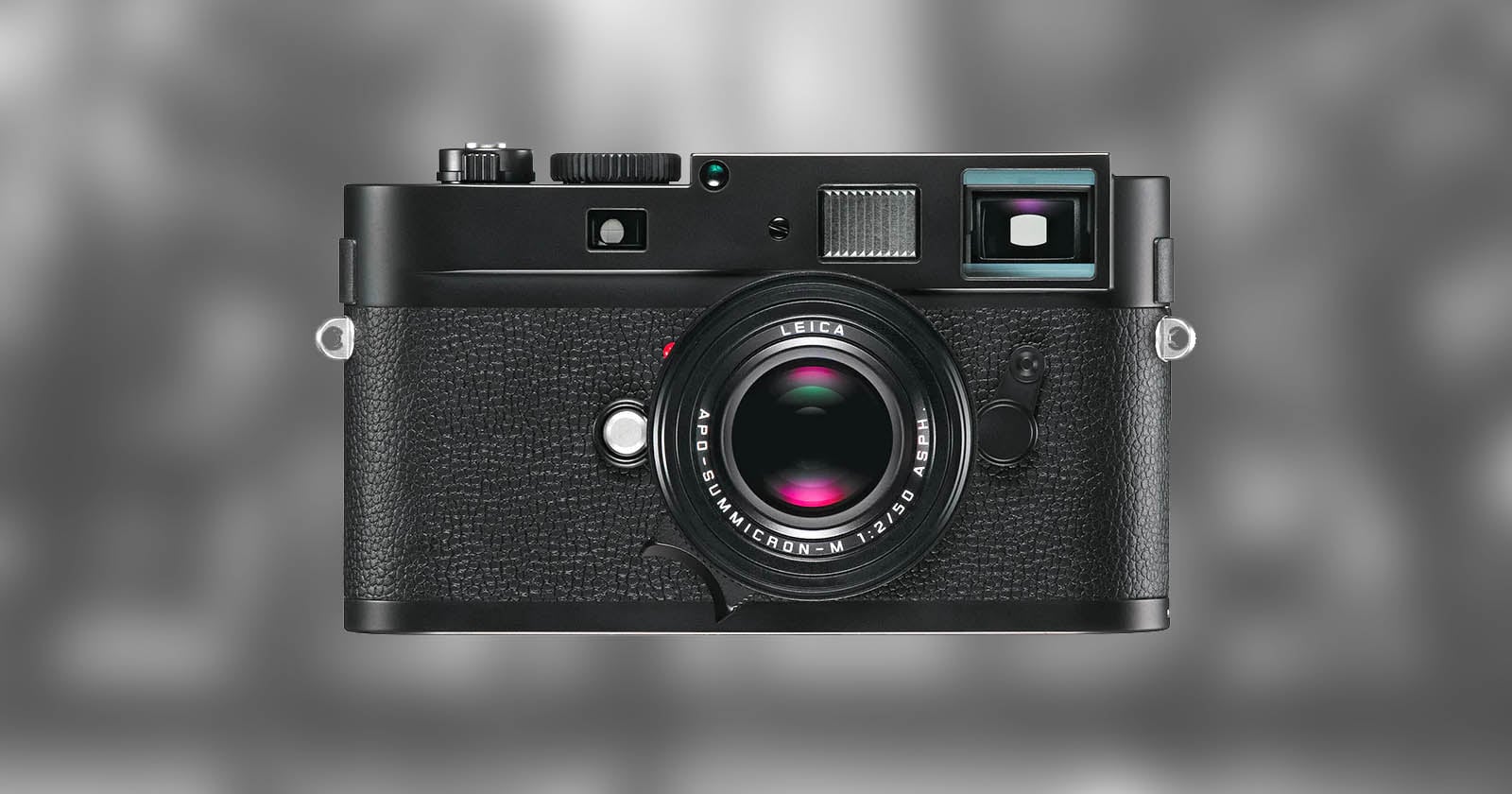
In an era where we are obsessed with megapixels, AI-driven autofocus, and high-ISO performance, I find myself regularly putting down my Leica M10-R and my Leica M11-P to pick up a tool that, on paper, has no business competing in 2026: the Leica M9 Monochrom.
Released in 2012, this camera is technically “inferior” by every modern metric. Its screen is dim, its buffer is slow, and its ISO performance, at least by modern standards, is primitive. Yet, every few months, I return to it. When I look back through my Lightroom catalogs, I don’t see the technical limitations of a 14-year-old camera. I see a profound journey of growth, captured in pure, unadulterated luminance.




The CCD Magic
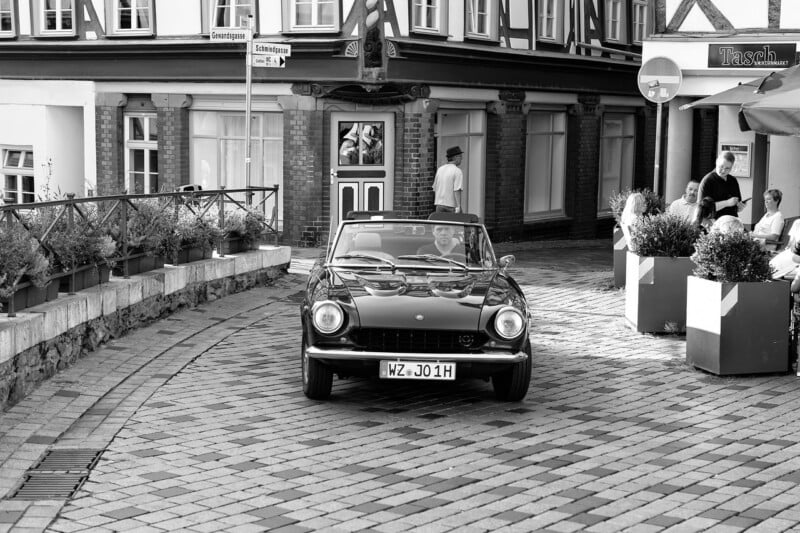
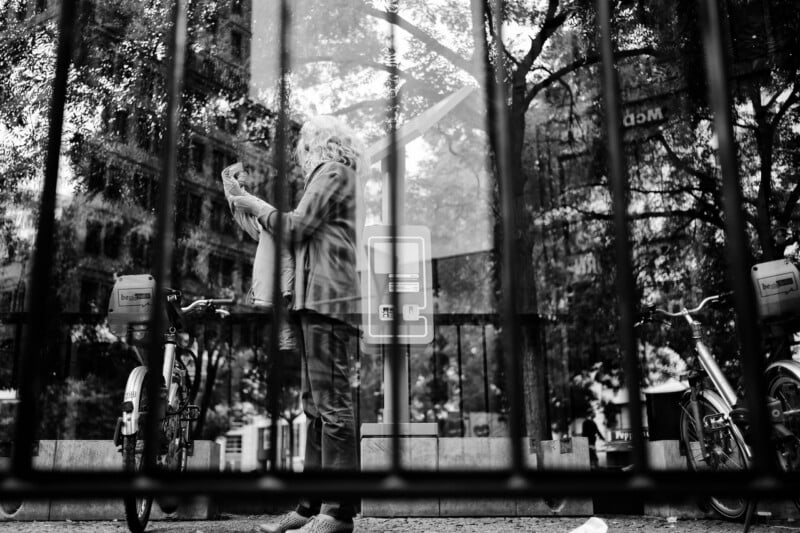
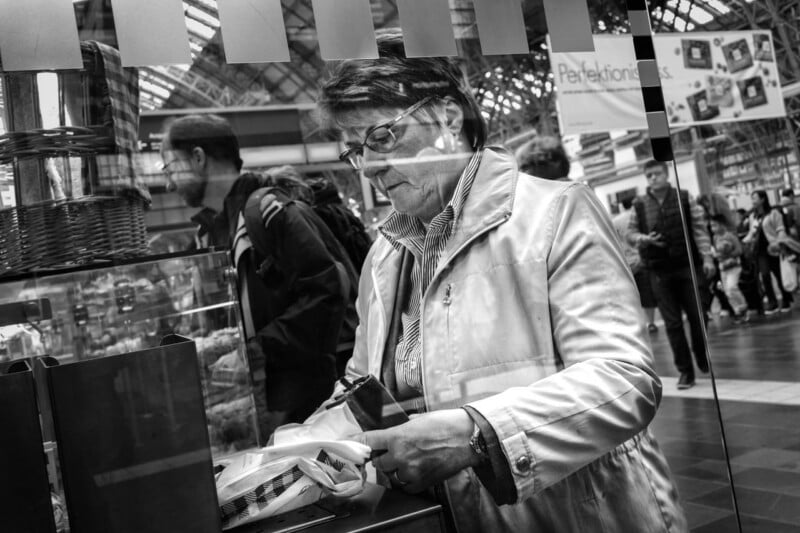
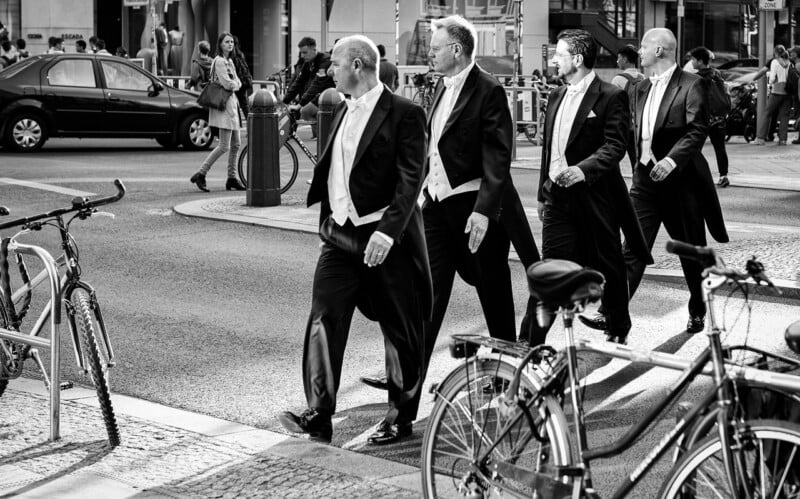
The heart of this obsession lies in the sensor. While modern CMOS sensors offer incredible dynamic range and noise control, there is something irreplaceable about the Kodak-made CCD sensor in the M9 Monochrom. It renders light with a tactile, almost organic quality that feels less like a digital capture and more like a physical impression. It doesn’t just record the scene; it interprets it with a unique micro-contrast and a mid-tone richness that modern sensors, with all their computational power, often fail to replicate. It captures light with a “biting” sharpness that feels grounded, immediate, and honest.




The Color Paradox
Those who know my work know that I am obsessed with color. My process isn’t typically about strict adherence to the “rules” of composition or perfect geometry; rather, I hunt for that elusive “Leica look”, the specific way light interacts with color to create a visual pop.
I’m the first to admit I’m not the most technical photographer in the room. My style relies heavily on how color defines the mood and carries the frame.
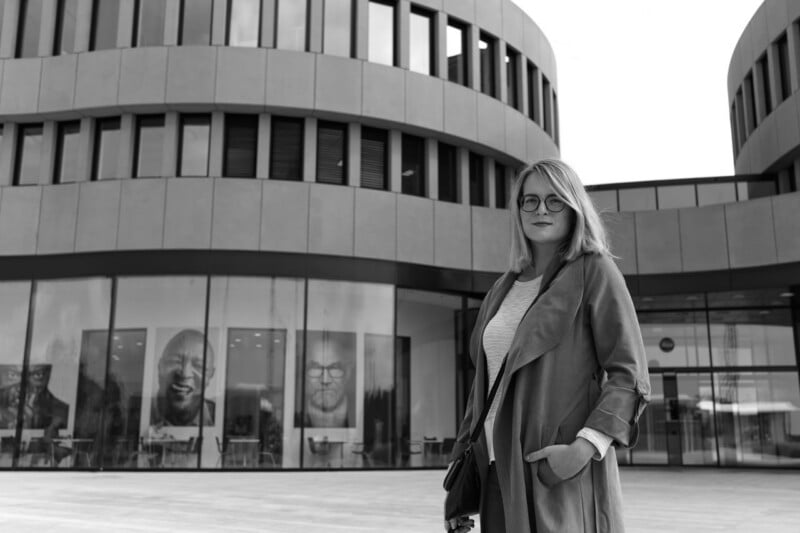
Because of this, picking up the M9 Monochrom feels like a radical act of vulnerability. Every time I head out with it, I’m plagued by a constant internal debate: Will I actually find a frame that works, or am I missing out on a scene that screams for color? I often find myself hovering over my camera bag, wondering if I should bring a color body along as a safety net just in case.
Yet, in that limitation, something surprising happens. Without the crutch of my usual color-driven aesthetic, I’m forced to slow down and truly see. The Monochrom strips away the “pop” I usually rely on and demands that I find a different kind of strength in the image. And time after time, I’m stunned to find that when I stop hunting for colors, I actually start finding the frame. It’s a strange paradox: by losing the color, I gain a sense of composition that I often overlook when I have the full spectrum at my disposal. It’s not just a camera; it’s a corrective lens for my own eye.


Post-Processing: The Beauty of Limitation
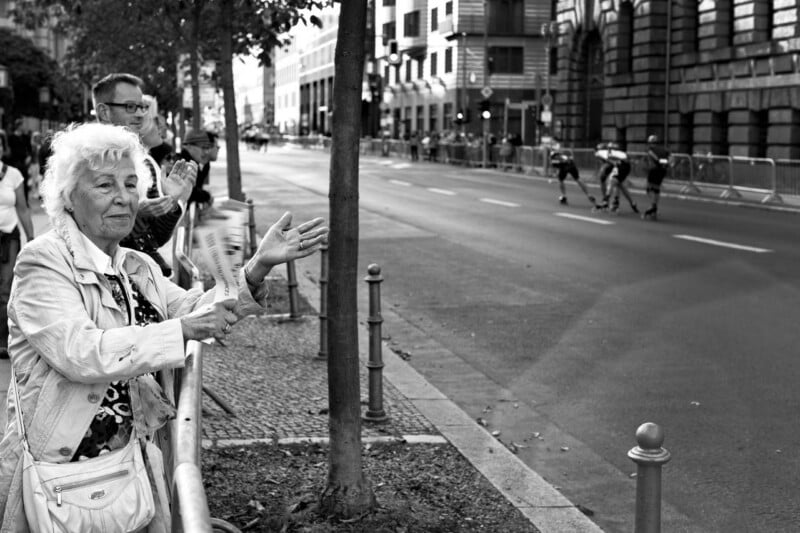
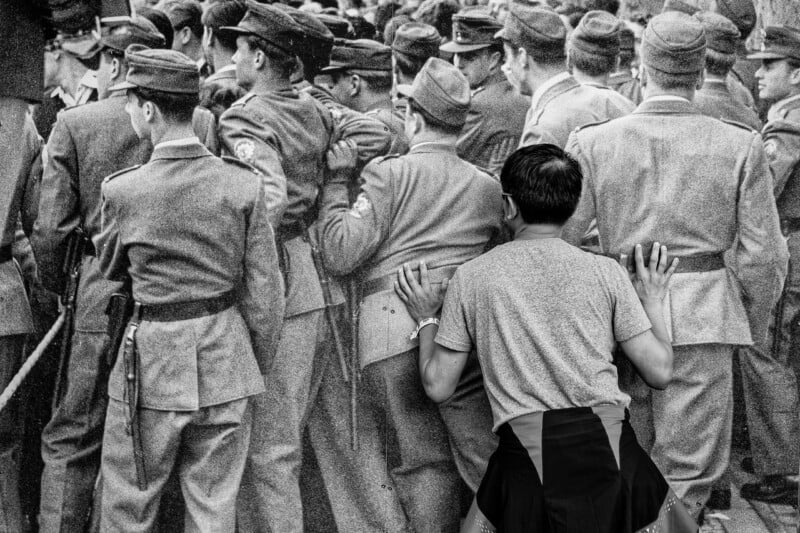
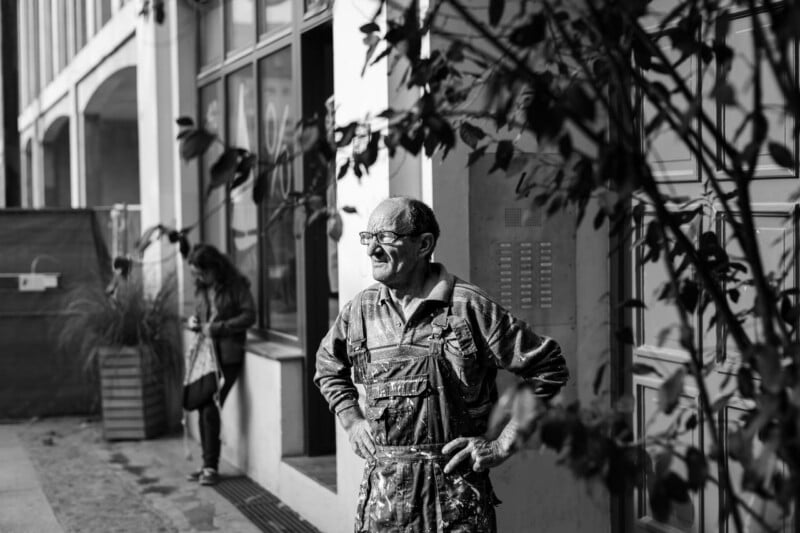
The post-processing experience with the M9 Monochrom is similarly transformative. With my modern sensors, the raw files are so malleable that they often invite endless adjustments. With the M9, the files are lean and demanding. I spend significantly less time “managing” the image and more time curating the light. The lack of a color filter array, the very essence of a monochrome-only sensor, results in a luminance purity that requires very little post-production manipulation to pop. It is a brutal, beautiful, and deeply human way to see the world.



Embracing the “Inferior”
There is a unique thrill in knowing the camera in your hands is “obsolete.” When you shoot with the M9 Monochrom, you stop chasing perfection and start chasing the moment. You learn to embrace the noise, the limitations of the dynamic range, and the slow, deliberate pace of the rangefinder.
My journey with this camera has been one of refining my eye. It doesn’t hide behind colors; it exposes the truth of the scene. And honestly? I wouldn’t trade that 14-year-old camera for anything.
About the author: Tomer Vaknin is a street photographer. The opinions expressed in this article are solely those of the author. You can find more of Vaknin’s work on his Instagram.


