
A UK technology company has unveiled what it describes as the first commercially available atmospheric water harvesting system to use metal-organic framework (MOF) technology, marking what it says is the technology’s first commercial deployment of MOF-based atmospheric water harvesting.
Ahbstra launched its ARK system at an event in Barcelona in late July, positioning the technology as a response to increasing water scarcity in regions where groundwater supplies are under pressure. The company says the first purchased units are due to be installed by early 2027, with initial customers primarily located in Spain’s Balearic Islands, where water scarcity is acute.
Atmospheric water harvesting systems extract moisture directly from the air using a variety of approaches, including refrigeration-based condensation, liquid and solid desiccants, and metal-organic framework (MOF) sorbents. While conventional systems are already commercially available, MOF-based harvesting has until now largely been confined to laboratory research and pilot projects.
The promise of MOFs has been the possibility of capturing large quantities of water vapour efficiently from very dry air, using much less energy than conventional condensation-based systems. But commercial deployment at meaningful scale has proved challenging. According to Ahbstra, the ARK addresses these engineering challenges through the use of a patented “Suspended Particle Reactor”, which fluidises MOF granules to improve the capture and release of water while reducing energy requirements to commercially practical levels.
The company says the Ahbstra ARK can produce up to 500 litres of drinking water per day, even in hot, dry climates where conventional atmospheric water harvesting technologies based on dew-point condensation can struggle.
The launch comes as many parts of southern Europe continue to experience prolonged water stress. Ahbstra cites growing pressure on groundwater resources in the Mediterranean, with off-grid properties increasingly facing unreliable well supplies and, in some cases, seawater intrusion.
The company’s chief executive, Hashem Arouzi, said the idea for the system stemmed from his own experience after wells on his property in Ibiza ran dry.
“In Ibiza alone, there are over 15,000 properties that are not connected to the water supply, and need to secure their own water,” explained Arouzi. “The wells that have previously supplied them are running dry. For now, many of these property owners are reliant on water deliveries by truck, but these trucks need to fill up at reservoirs that themselves are running dry. Islands are developing desalination, but water from these plants will not be available to these properties. This reflects a global challenge; around the world there are millions of homes that are off-grid and water-stressed – in areas where existing methods of water harvesting would struggle with arid conditions.”
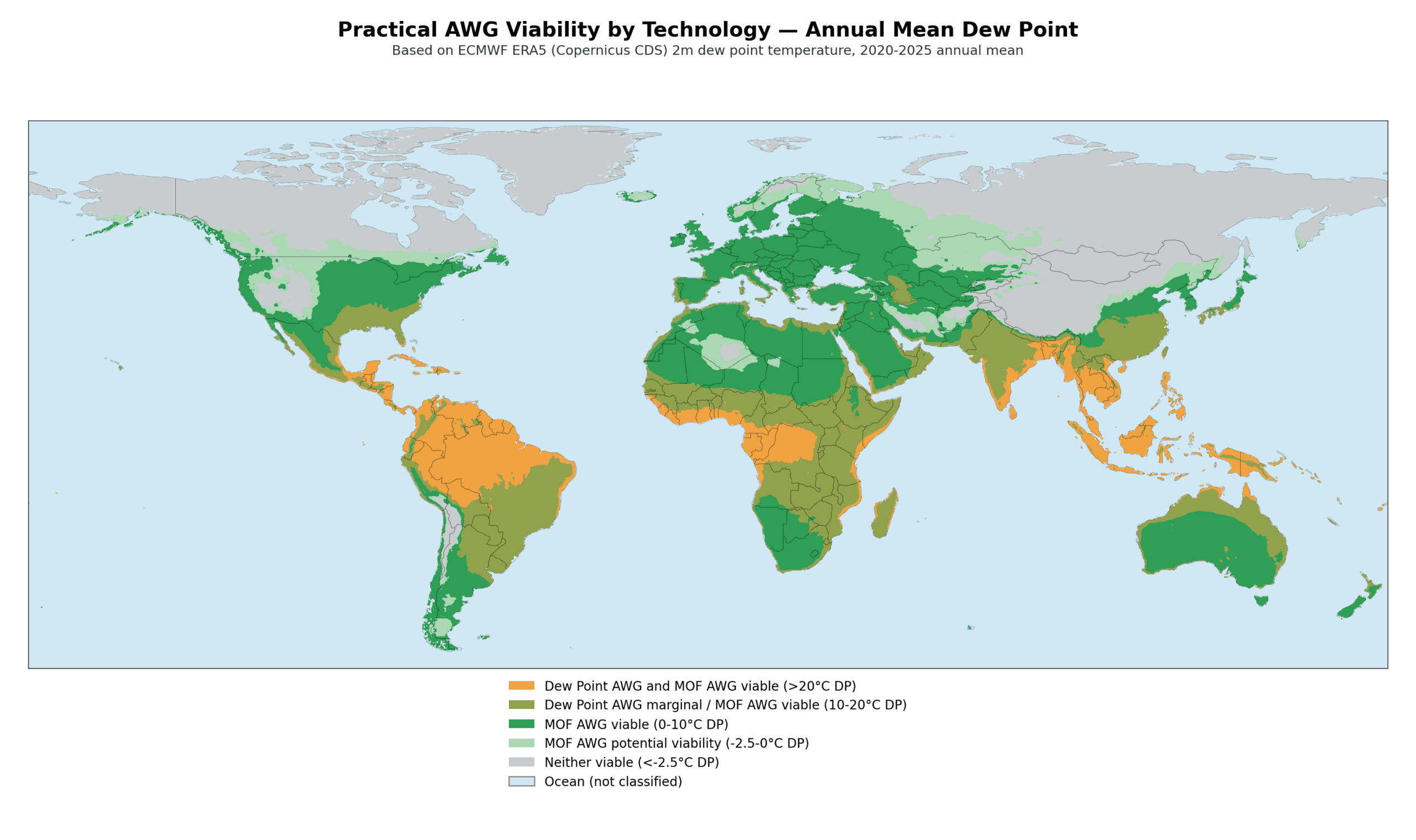
The company indicated that similar challenges exist in regions including the southwestern US, the Middle East, parts of Africa, Australia, South America and China, where low humidity and high temperatures can limit the effectiveness of conventional atmospheric water generation technologies.
Arouzi said: “The ARK guarantees a reliable, abundant source of water, anywhere. Water harvesting solutions on the market today face a critical limitation in that they only work in humid environments. This excludes most of the locations where they are needed most.”
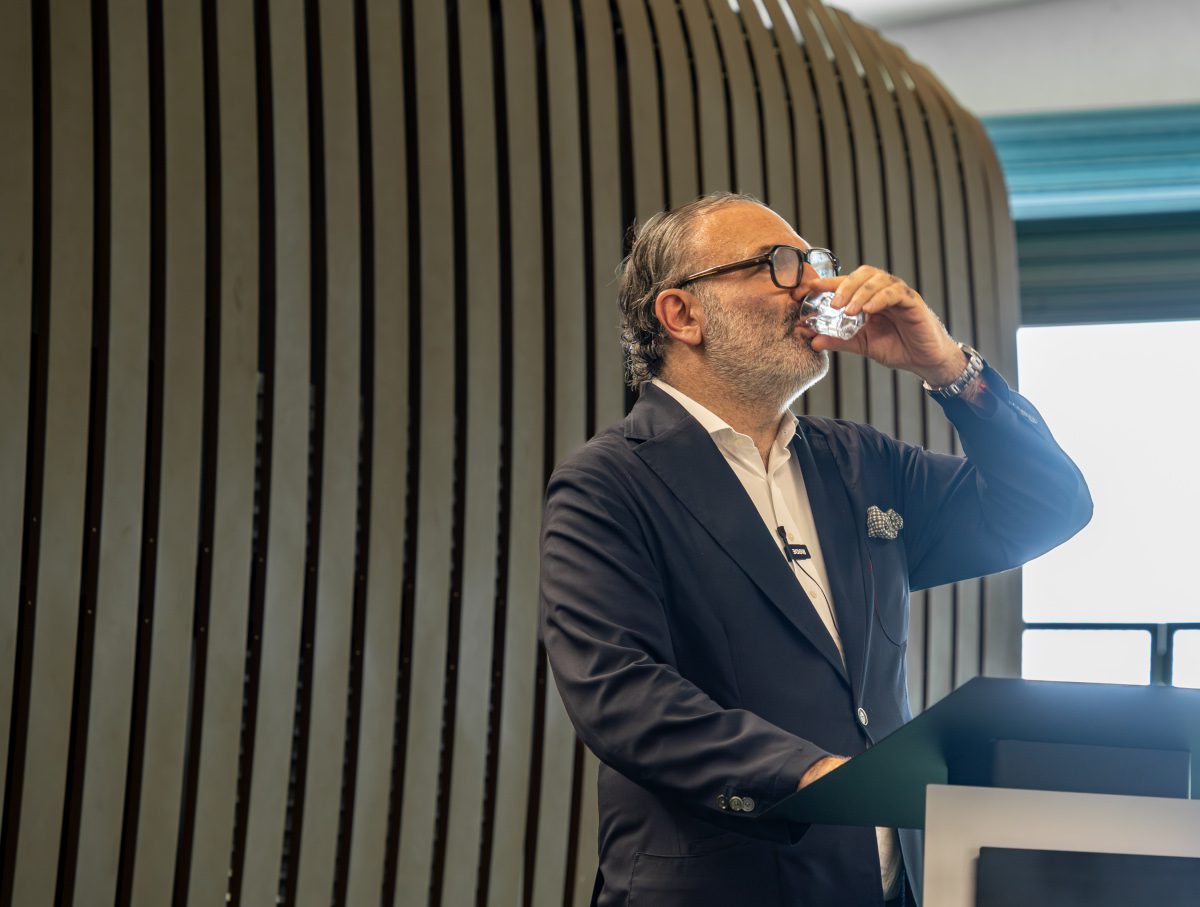
He added: “For years, MOFs have been a ‘magic material’ on the cusp of delivering vital results for the environment, from water harvesting to carbon capture. We are the first to commercialise this technology and put MOFs into the hands of customers.”
Richard Perkin, Ahbstra’s chief technology officer, said atmospheric water harvesting should form part of a broader response to worsening drought conditions.
“It’s clear that weather and rainfall patterns are changing, leading to more extreme and prolonged drought conditions in many places. Tackling this requires a whole-system approach, from water efficiency to recycling and better infrastructure. Where we operate is at the source; if dams or wells are dry, they can only be refilled when it rains in the right place, no matter how responsibly the water is managed. This is why atmospheric water harvesting is a necessary part of the response.”
(click image to enlarge)
According to the company, the ARK is intended primarily for off-grid properties that currently rely on private wells. It says the system can replenish wells and cisterns or feed directly into a property’s mains water system.
The ARK is priced at approximately £150,000. Ahbstra says a typical installation in a southern Mediterranean climate consumes around 10kW of power and that many customers are pairing the system with solar generation. The company also says the water produced is free of PFAS chemicals and microplastics.

Ahbstra has raised £7 million to date from family offices and strategic corporate distribution partners, is scaling up production of the ARK in Barcelona, and says it is developing smaller-capacity systems while preparing for a Series A investment round.
“This is just the beginning,” said Arouzi. “We are seeing new formulations and applications of MOFs develop every week. Our Suspended Particle Reactor unlocks the performance from these materials that so many have been waiting for.”




