Microsoft’s appetite for carbon removal far outstrips that of any other company: The tech giant has purchased five times more removal credits than the next 10 largest buyers combined, according to CDR.fyi, a data and analytics provider.
Microsoft is also known for open-sourcing its learnings and collaborating on standards for the evolving removals market. Most recently, the company shared the reasons that motivated it to contract for just over 6 million credits from four removal projects spanning forests, agriculture and industrial carbon capture.
Here are the key takeaways — and an update on whether these investments will be enough for Microsoft to hit its 2030 goal to become carbon negative.
Better baselines
Several of the scandals that have roiled carbon markets in recent years have been linked to problems with baselines — estimates of what would have happened if the project did not exist, which developers use to calculate the quantity of credits they can issue. In a reforestation project, for example, the baseline depends in part on the extent to which the land would absorb carbon in the absence of intervention. If baselines are unrealistically low, projects can issue more credits than they should.
To avoid that problem, the nature-based solutions highlighted by Microsoft use “dynamic baselines” that are updated over time. For a reforestation project in Brazil, for instance, developers adjust the baseline by monitoring control areas that are representative of pre-project conditions. For sustainable timber projects, Microsoft requires a dynamic baseline that tracks policy and market conditions.
Measure and model
Another potential flaw in carbon projects is that buyers sometimes have little idea what actually happens on the ground. Earlier this year, Bloomberg examined carbon projects in China and found some to be unbuilt or lacking the emissions-controls systems the projects claimed to be using to generate credits.
Developers can deploy a suite of technologies to demonstrate evidence of real carbon benefits. Earlier this year, Microsoft contracted for 2.9 million credits with Indigo Carbon, a developer that helps farmers implement regenerative agriculture methods such as cover crops and reduced tillage. To report on progress, Indigo uses a “measure and model” approach that combines soil samples, modeling and third-party verification. For the Brazilian project, developer Mombak uses drones to survey forests.
Selective sourcing
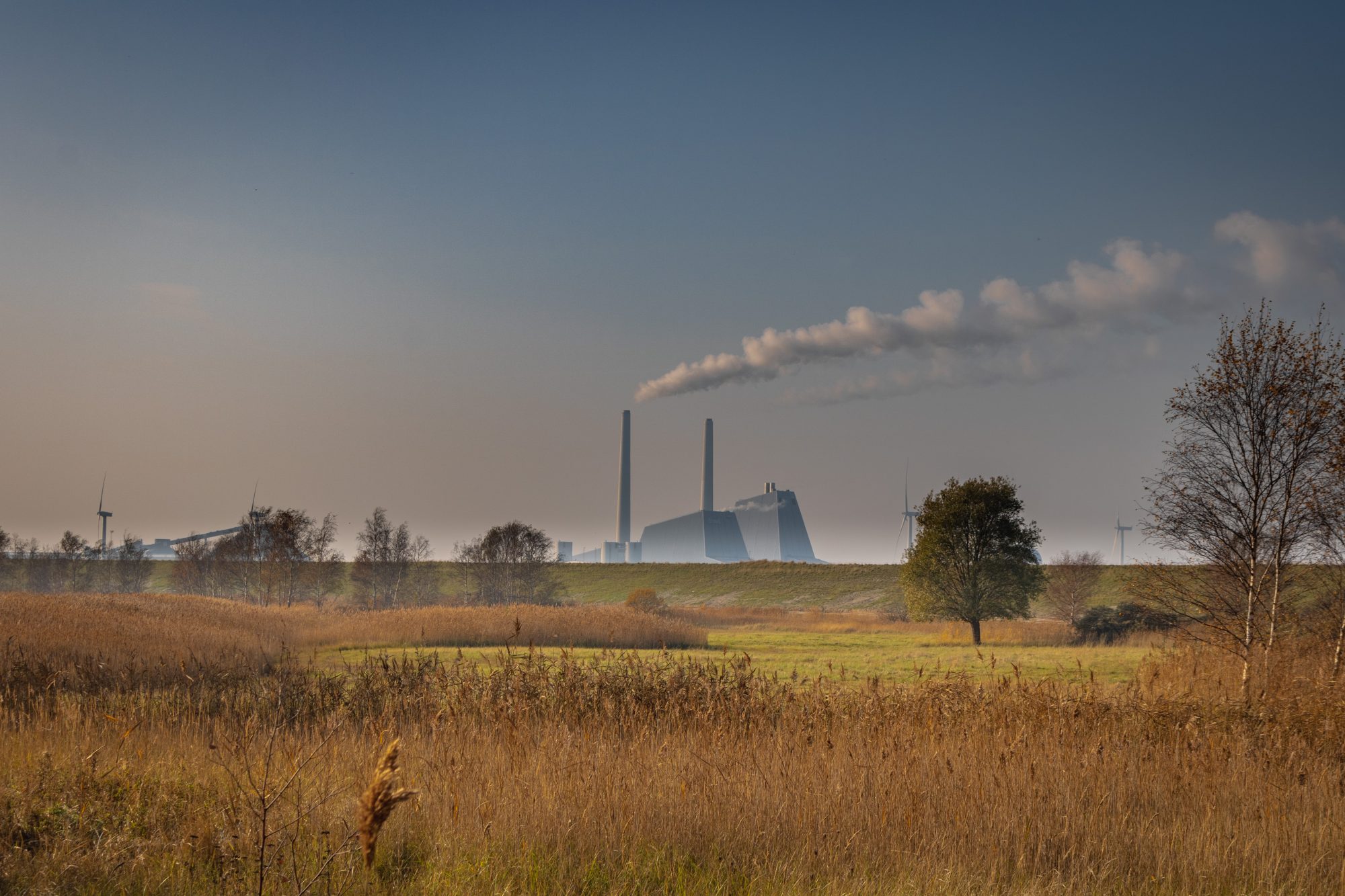
In 2024, Microsoft contracted for 1 million removal credits from the Avedøre Power Station near Copenhagen. Emissions from the plant, which burns crop residues, will be captured and stored by equipment being installed by Ørsted, the energy company behind the project.
Like many removal projects that rely on biomass, the scheme comes with a risk: Rather than use crop residues, the developer could take a more extractive approach — cutting down forests, for example — that would nullify the benefits of the carbon capture. Microsoft noted that the Danish regulations covering the project are closely aligned with sustainable sourcing guidelines published in May by carbon management firm Carbon Direct, which were developed with support from the tech giant.
Will this investment be enough?
In its 2024 and 2025 sustainability reports, Microsoft estimated that it would need to retire close to 6 million carbon removal credits in 2030 to achieve its goal of becoming carbon-negative that year. That goal remains, according to its latest report, published in July, which notes that it contracted for 45 million tons of removals in 2025 in support of that goal.
But the company’s emissions also jumped 25 percent the same year as it scrambled to build new data centers and secure electricity for its artificial intelligence and cloud products. And a new estimate of the number of credits needed to hit the carbon negative goal, which is likely now greater than 6 million, was not included in this year’s report.


