WWDC 2026 concluded without any new hardware announcements, leaving many of you wondering why anticipated products like the Apple TV, HomePod, Mac mini and Mac Studio were absent. Despite months of speculation and leaks, Apple chose to focus solely on software updates. This decision appears to be influenced by a combination of supply chain challenges and the need to align hardware launches with software readiness. Let’s take a closer look at the factors behind these delays and what they might mean for the future. In a new video from Matt Talks Tech.

Apple TV: A Long-Awaited Upgrade
If you were expecting a new Apple TV, you’re not alone. The current model, powered by the aging A15 chip, is overdue for a refresh. Many had anticipated an upgraded version featuring the A17 Pro chip, improved graphics performance and enhanced Siri AI integration. These updates would have positioned the Apple TV as a more powerful and intelligent hub for your home entertainment system.
The absence of an announcement suggests that Apple is still refining these features to ensure they meet the company’s high standards. Additionally, the delay may be strategic, aligning the release with broader software updates expected later this year. Industry insiders now predict a fall 2026 launch, which could allow Apple to deliver a more polished and cohesive product. By taking this approach, Apple may be aiming to enhance the overall user experience, making sure the new Apple TV integrates seamlessly with its ecosystem.
HomePod and HomePod Mini: Smarter and More Intuitive Devices
The HomePod and HomePod Mini also went without updates, despite widespread anticipation for smarter, more capable devices. Rumors had pointed to significant upgrades, including a revamped HomePod OS and advanced Siri AI functionalities designed to make your smart home experience more intuitive and efficient.
Apple’s decision to delay these updates likely reflects its focus on software development. By prioritizing software readiness, Apple can ensure that the next-generation HomePod lineup delivers a seamless and integrated user experience. Analysts believe these devices will debut later this year, potentially alongside major software updates that enhance their functionality. This deliberate strategy could result in smarter devices that better meet your needs, from controlling smart home devices to delivering high-quality audio experiences.
Mac mini and Mac Studio: Supply Chain Challenges
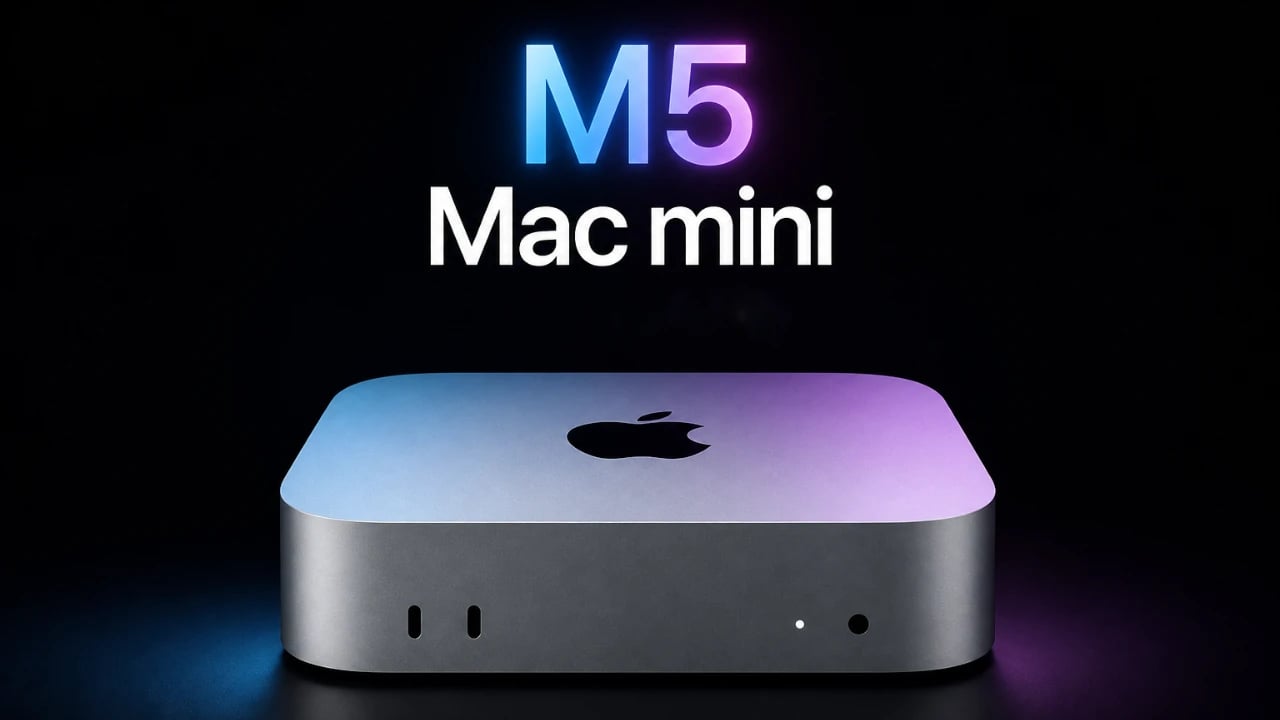
For professionals and power users, the lack of updates to the Mac mini and Mac Studio was particularly disappointing. Both devices were expected to feature Apple’s new M5 and M5 Pro chips, promising significant performance gains for demanding tasks such as AI development, video editing, and local machine learning.
However, global shortages of critical components, including RAM and NAND storage chips, appear to have delayed their release. These supply chain challenges have impacted Apple’s ability to meet the high-performance demands of these devices. A launch is now anticipated later in 2026, once supply constraints ease. When these devices finally debut, they are expected to deliver innovative performance, reaffirming Apple’s commitment to serving the needs of creative professionals and developers.
iPad: A Predictable Quiet Period
Unlike other product lines, the absence of new iPad announcements at WWDC 2026 was less surprising. Apple typically reserves iPad updates for the fall, aligning them with the release of new iPadOS versions. The next-generation iPad, rumored to feature the A18 chip, is expected to launch alongside iPadOS 27. This combination promises improved performance, enhanced multitasking capabilities, and new features designed to make your tablet an even more versatile tool for work, creativity and entertainment.
By maintaining this predictable release schedule, Apple ensures that its iPad lineup remains competitive while giving developers ample time to optimize their apps for the new hardware and software.
A Strategic Approach to Product Launches
The absence of hardware announcements at WWDC 2026 reflects Apple’s deliberate and strategic approach to product launches. By delaying updates to key product lines, Apple appears to be prioritizing software readiness and addressing ongoing supply chain challenges. While this strategy may have left you disappointed in the short term, it sets the stage for a more cohesive and integrated product lineup later this year.
When these devices finally debut, they are likely to deliver the seamless hardware-software experience that Apple is renowned for. This approach not only enhances the overall user experience but also reinforces Apple’s commitment to quality and innovation. As the year progresses, you can expect Apple to unveil products that are not only technologically advanced but also deeply integrated into its ecosystem, making sure they meet the high expectations of its users.
Enhance your knowledge on Apple TV by exploring a selection of articles and guides on the subject.
Source: Matt Talks Tech
Filed Under: Apple, Technology News, Top News
Disclosure: Some of our articles include affiliate links. If you buy something through one of these links, Geeky Gadgets may earn an affiliate commission. Learn about our Disclosure Policy.


