Updated July 13, 2026 10:40AM
July 2026: The best freeze-dried backpacking meals overall are from Stowaway Gourmet for its shockingly good textures and diverse culinary inspirations. On a budget? Old-school Mountain House can be found in any REI or Walmart, and with dozens of flavors, odds are that you’ll find a pouch that you agree with. This year we added Luxefly Basecamp and Bowl & Kettle to our ranks: two small-scale, high-end backpacking meal-makers who are vying for the top spot.
The problem with buying backpacking food off the shelf? Unlike a tent, pack, or pad, you can’t “try out” a freeze-dried pouch ahead of time. It may sport a photo of artfully styled green chile mac and cheese, but the final rehydrated product is often closer to cafeteria mash. With that in mind, we set out to procure and rank meals from the widest range of backpacking food brands we could find in order to take out the guesswork.
This list represents years of taste-testing and personal gastrointestinal endangerment. We focused primarily on flavor: If you’re going to be eating this stuff every day for a week—or six months—it had better taste absolutely delicious. We also looked at calorie content and protein, because there’s nothing worse than going to bed hungry. If it left us feeling full, sated, and craving more on the following nights, it made our list of best backpacking meals. Read on and dig in.
Best Backpacking Meals: At a Glance
Best Backpacking Meals Overall
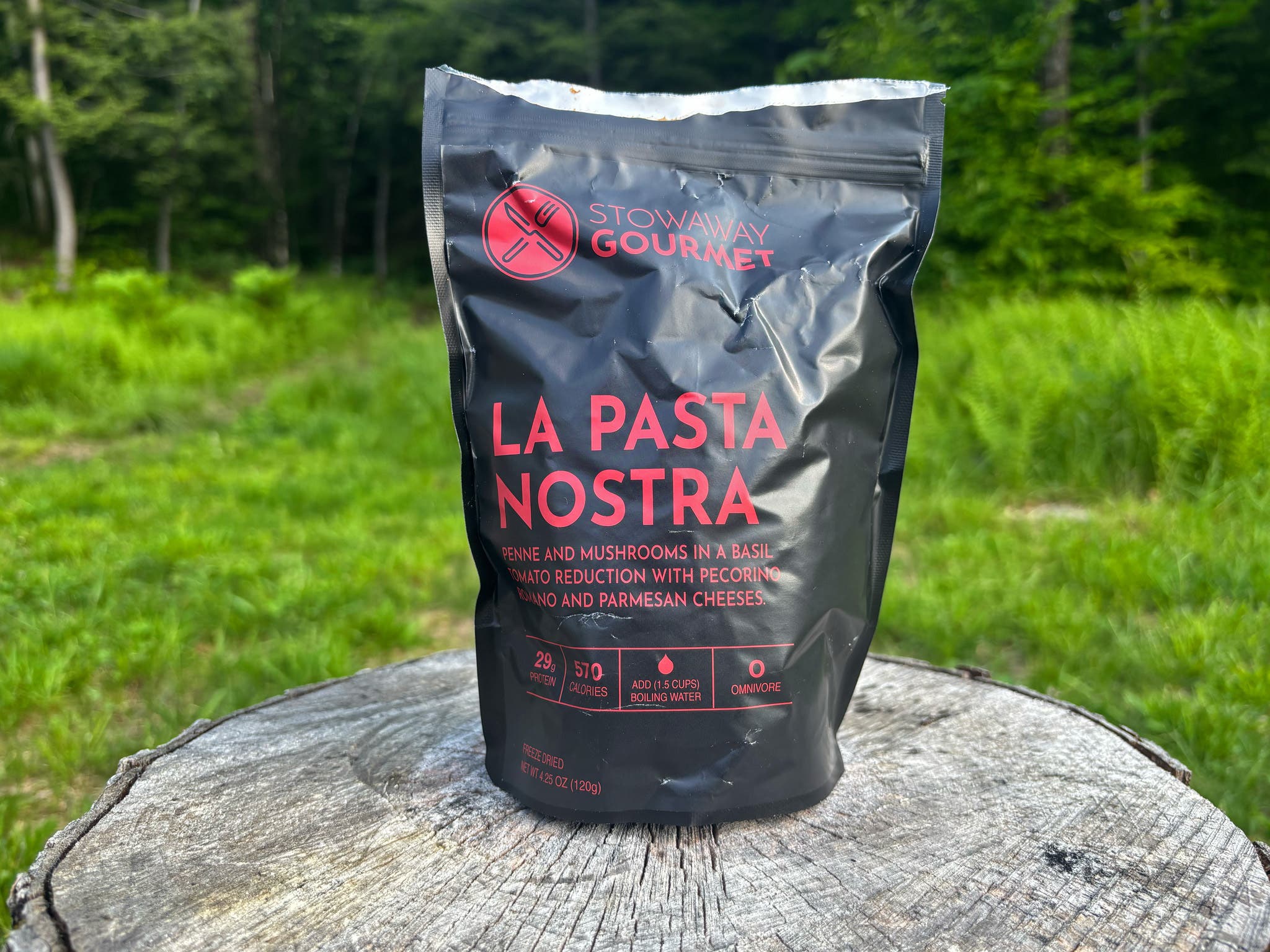
Stowaway Gourmet
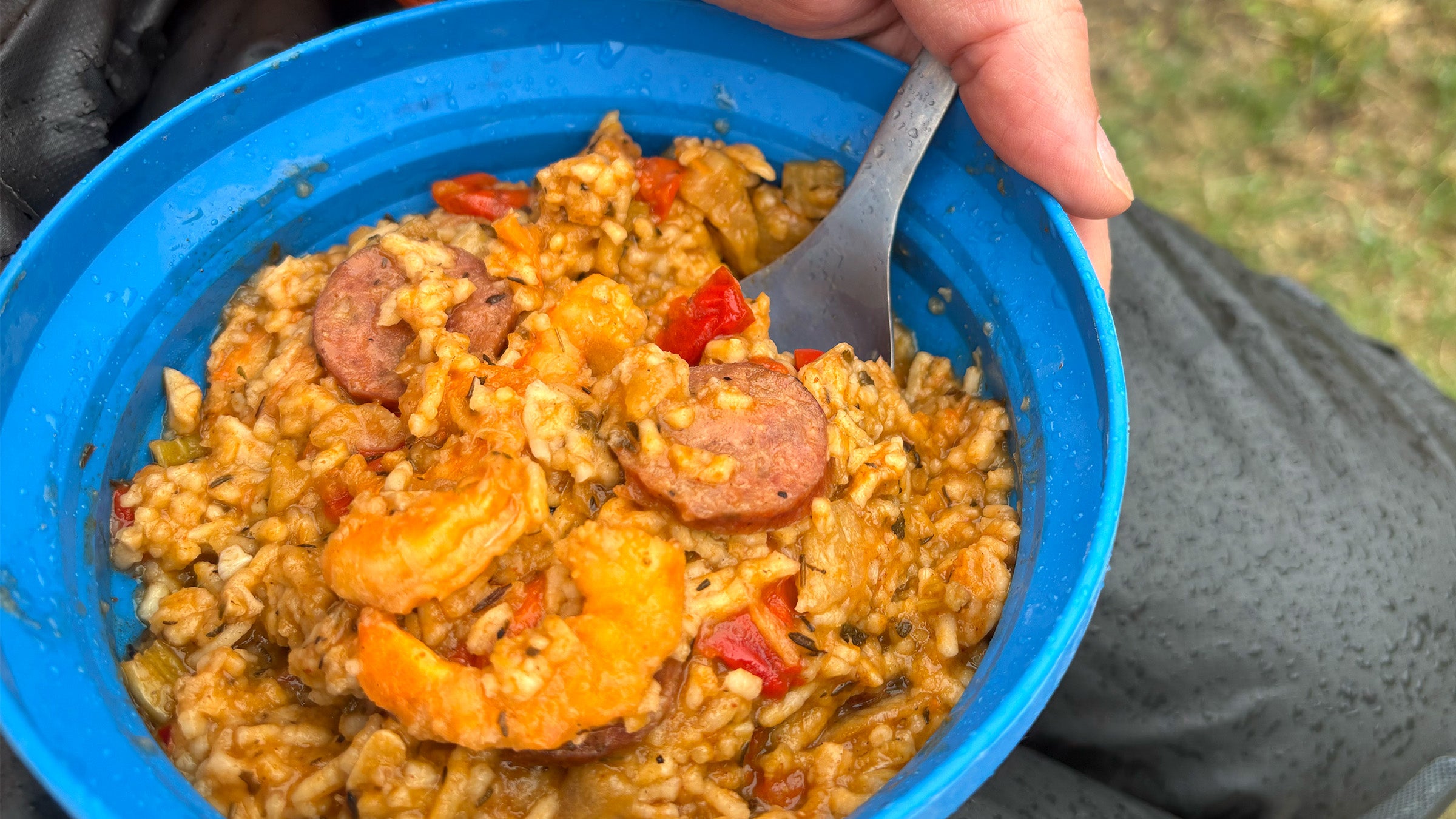
Top Flavors: Drunken Noodles, Kimchi Jjigae, Andouille and Shrimp Jambalaya
Average Price: $18
Pros and Cons
+ Shockingly good textures
+ Diverse culinary inspirations
+ Protein-heavy
– Expensive
– Vertical bag annoying to eat from
In recent years, the sheer number of brands and variety of cuisines on offer for hungry backpackers has grown exponentially. Still, the basic rules of dehydration and freeze-drying seem to have their limits, no matter how good the ingredients are. Until Stowaway Gourmet came along in 2020.
The small-scale Tillamook, Oregon–based company has completely changed our understanding of what is possible in a backpacking meal, with dishes like Lamb Bourguignon and Bison Beer Black Bean Chili propelling Stowaway toward the title of best backpacking meal purveyor. The gap between what you get with Stowaway’s meals and most other brands on the market is huge—even from our high-end runners-up.
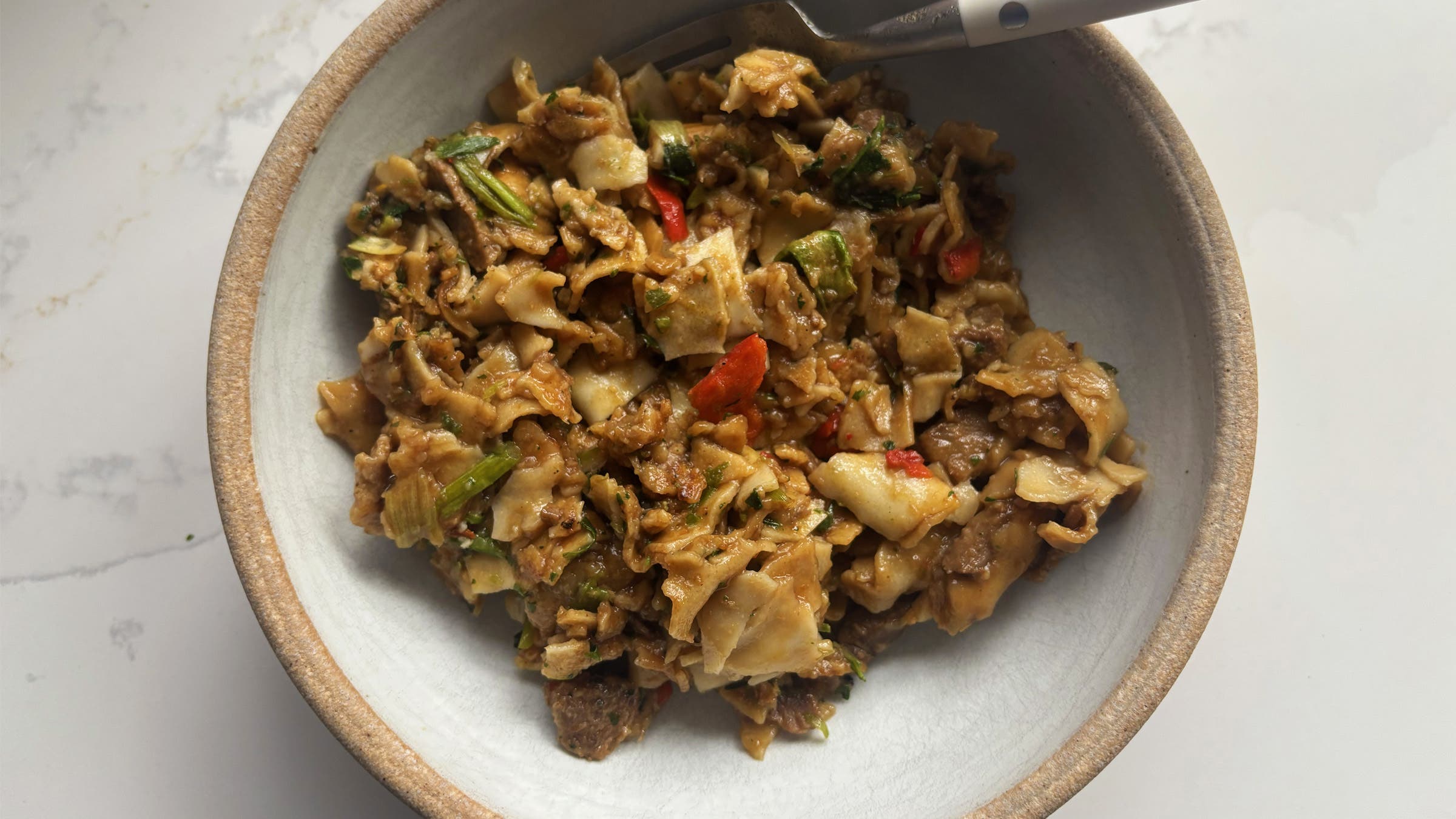
One of the most impressive things about Stowaway’s pouches is how well they retain texture, especially when it comes to proteins. Shrimp stays plump and juicy. Chicken stays rich and fatty. Salmon, which brands almost never use in dehydrated meals because of its cost and texture, is miraculously tender. The brand’s take on the Thai classic, Drunken Noodles, is better than most takeout options we’ve sampled with wide, chewy rice noodles, big slices of Chinese broccoli, and hunks of beef. Whatever the brand is doing in its reinvented freeze-dried laboratory, it’s working.
The range of cuisines that Stowaway dabbles in is considerable: French, Italian, Mexican, Indian, Thai, Russian, and Japanese are all accounted for, with more authenticity than can be said of most other brands. Miso Salmon Okayu, a salmon and tofu-filled Japanese rice porridge that works well for just about every meal, is simmered with daikon, miso, fresh ginger, kombu, and bonito flakes. A Thai curry lists the unabridged essentials—lemongrass, shallot, Thai chiles, shrimp paste, galangal, and Makrut lime leaf—among its ingredients.
What about that price tag? At around $18 a pop, Stowaway’s pouches run about a dollar more than most other boutique pouch meal brands. If your standard is a $12.50 Mountain House meal, there’s definitely sticker shock, especially if you are gearing up for a longer trip. And if taste isn’t a major factor for you, then Stowaway probably isn’t worth the splurge. (Although the brand does tend to have solid numbers for both calories and protein per pouch).
But if you, like us, have always felt that dehydrated food malaise shouldn’t ruin a backpacking trip in the 21st century, then Stowaway is worth a try. And with the high bar this brand is setting, we hope other backpacking meal companies rise to meet the challenge.
Read the extended review here.
Best Backpacking Meal Overall, Runner Up
Luxefly Basecamp
Top Flavors: Chile Relleno, Beef Barbacoa Taco, Tres Leches Cake
Average Price: $20
Pros and Cons
+ Excellent textures
+ Mostly local, organic ingredients
+ Large selection
– Expensive
– Bags hard to open with cold fingers
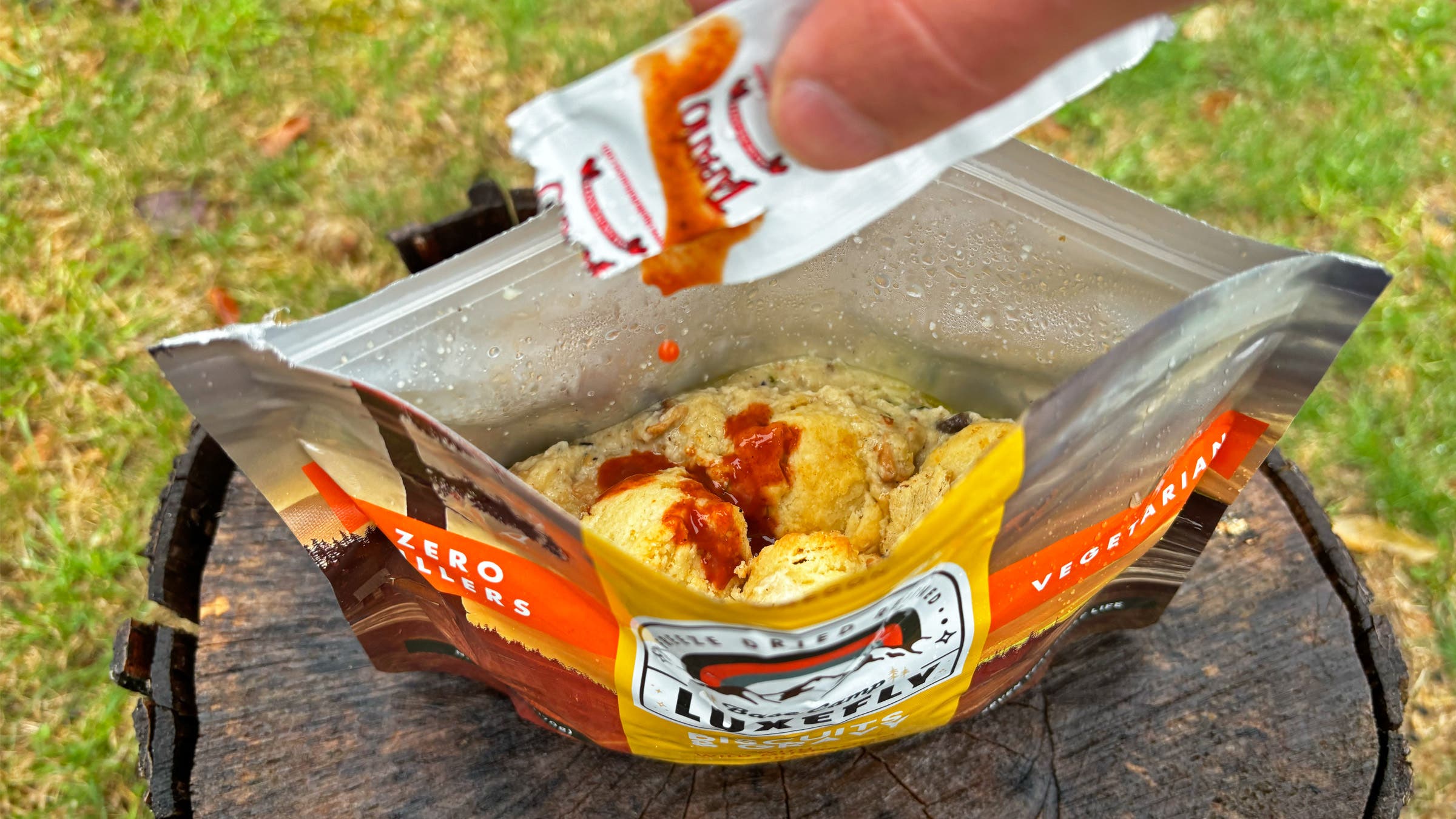
Luxefly Basecamp is the backpacking food brainchild of Sara Willis, an Oregon-based chef and lifelong restaurateur with Mexican leanings. Willis takes advantage of the abundance of fresh, hyper-local ingredients found in the Pacific Northwest, including foraged ones. Chanterelles, morels, and lobster mushrooms make their appearance in dishes like Wild Oregon Mushrooms and Creamy Polenta with Red Oaxacan Mole, or Wild Mushroom Biscuits and Gravy.
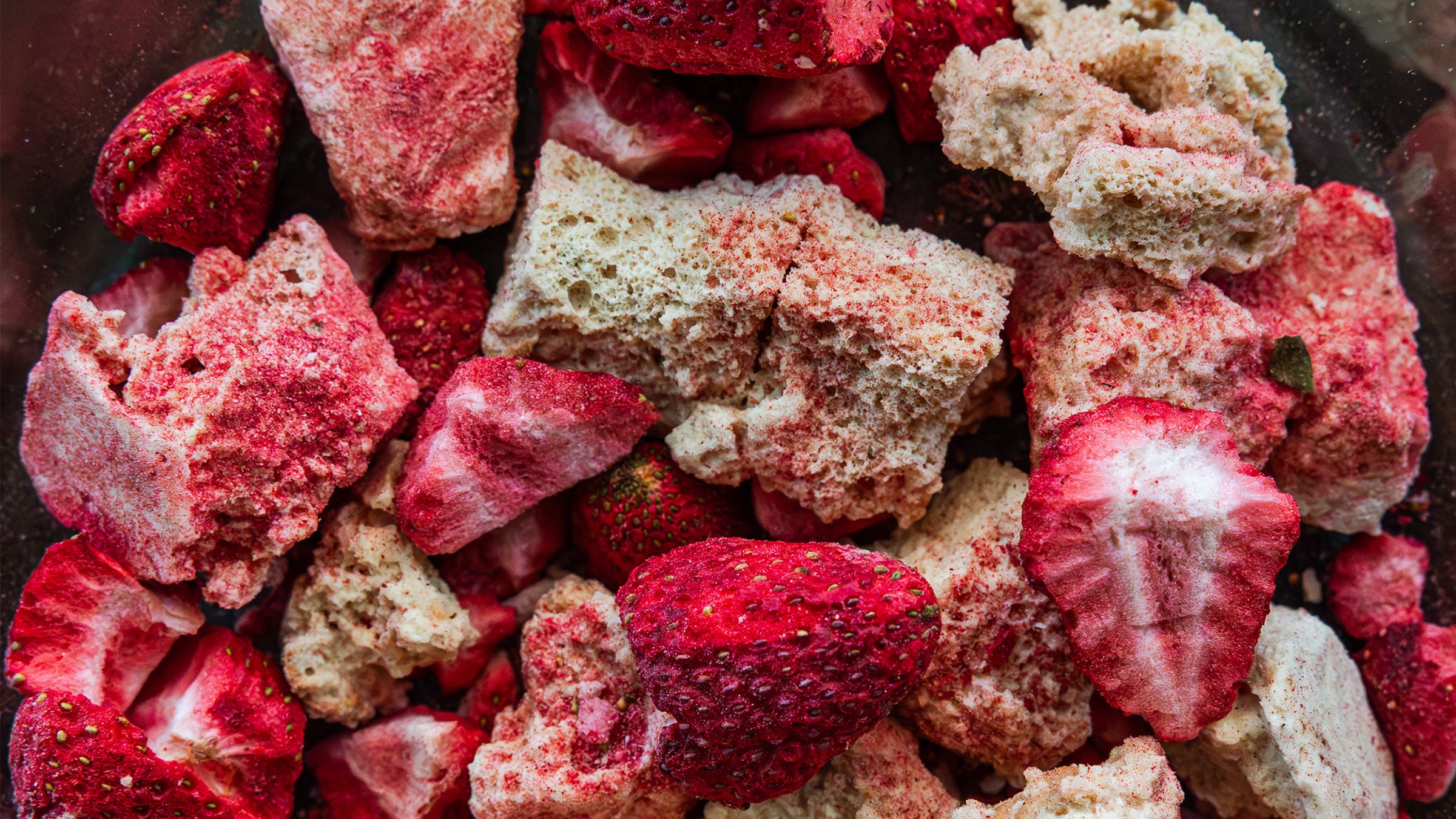
But Luxefly’s most notable accomplishment might be the way it experiments with crave-worthy ingredients to invent backpacking meals that can stand up to the rigors of freeze-drying without turning into mush. Luxefly’s standout pouch, a take on Chile Relleno, includes whole, fire-roasted poblanos stuffed with tomato sauce, garlic, and cilantro. And instead of standard-issue pepper jack cheese, it uses burrata (basically an extra-creamy mozzarella). Willis discovered that she could dehydrated burrata, pre-stretched, like a freeze-frame from a Domino’s Pizza commercial. Rehydrated, the texture is indistinguishable from the fresh version, making for a super-comforting meal of smoky, spicy peppers and cheesy goodness.
Willis has spent much of her life as a chef in Mexico, and it shows in Luxefly’s menu of pouches. Barbacoa Tacos (with hunks of slow-cooked beef), Pozole Verde with tomatillos, hominy, and serranos, and a Mexican Corn Esquites with peak-season sweet corn from Oregon and cotija cheese all make an appearance. And the coconut milk-soaked Tres Leches cake with local strawberries? You’re unlikely to find a better dessert on any resupply run, no matter the thru-hike. While we found a few small misses (overly-salted pouches, uncomfortably spicy chile levels, bags that are hard to open), Luxefly is one of the premier artisan dehydrated backpacking meal brands on the market today.
Best Backpacking Meals Overall, Third Place
Bowl & Kettle
Top Flavors: Mexican Street Corn Grits, Crawfish Etouffe
Average Price: $16
Pros and Cons
+ Excellent textures
+ Impeccable seasoning
+ Complex, diverse flavors and meals
– Very small selection
– Some microtrash
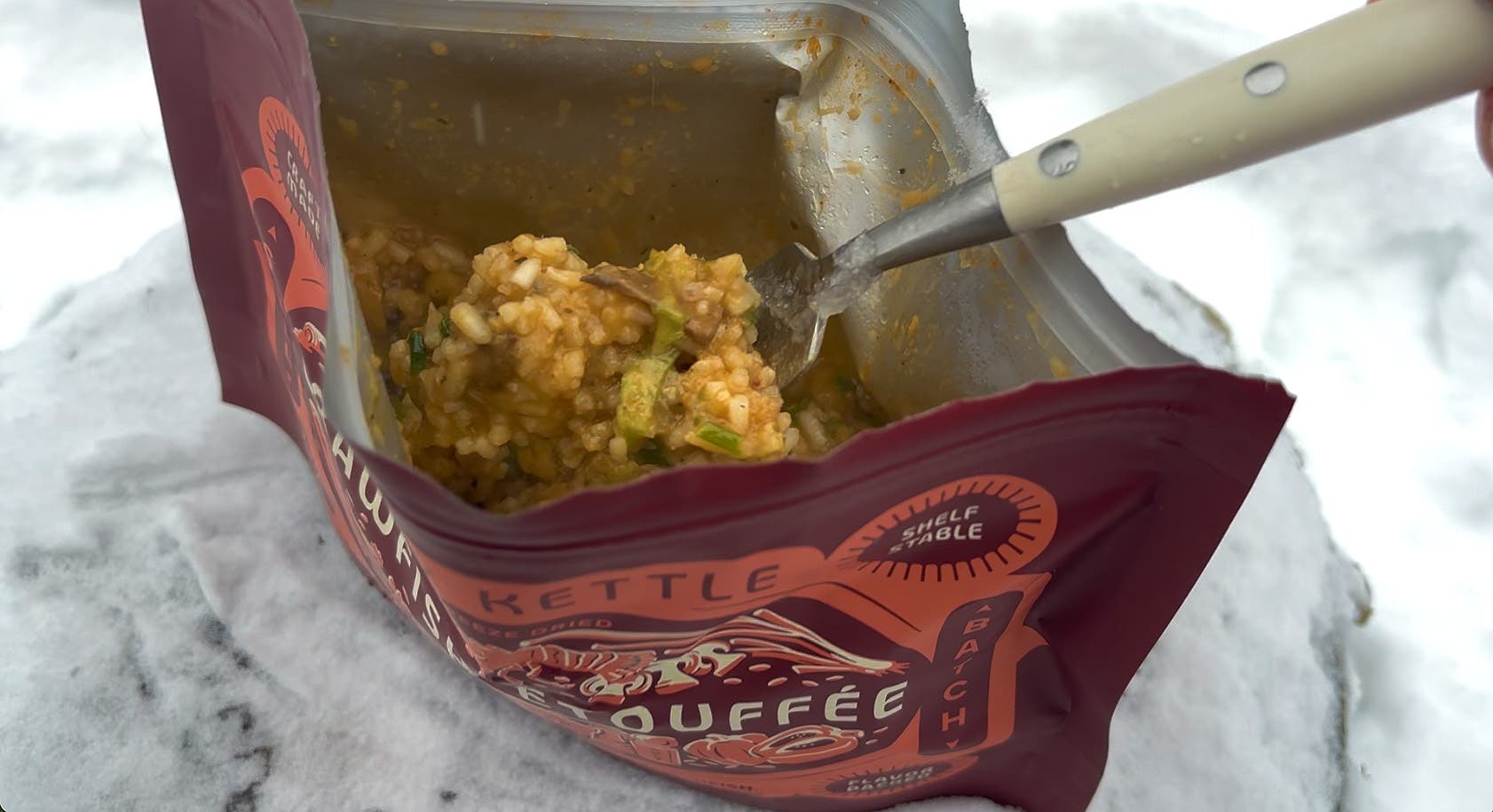
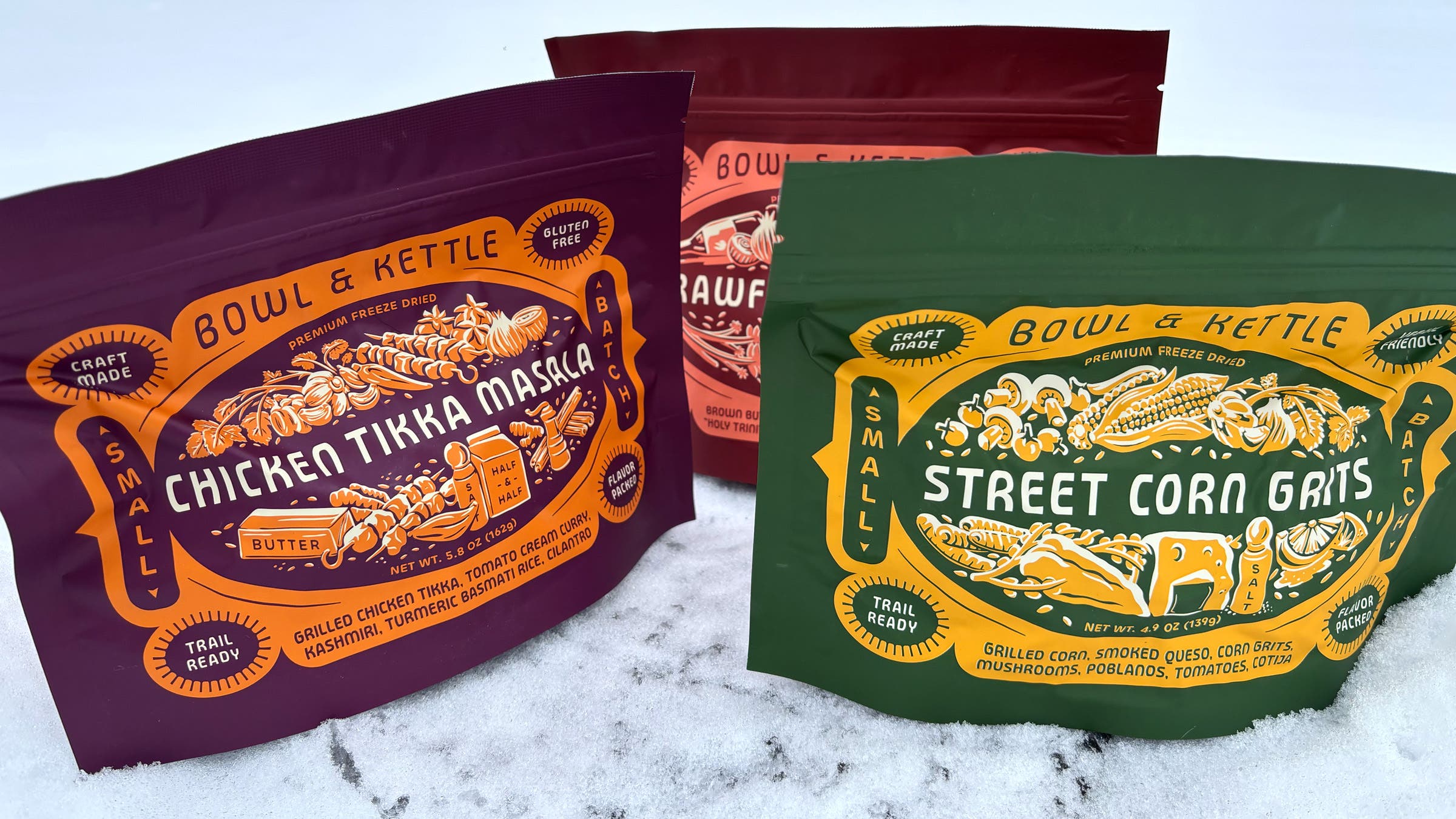
Like Luxefly Basecamp, Bowl & Kettle hit our radar this year with complex flavors and seasonings (Kashmiri chili! garam masala!), culinary diversity beyond the usual pad thai, and whole, recognizable rehydrated ingredients and textures in their backpacking meals. So far, owners and PCT thru-hikers Sarah and Brett Bowlin offer only three flavors: Chicken Tikka Masala, Mexican Corn Grits, and Crawfish Étouffée. Each is worth sampling, but the Étouffée stands out, genuinely bringing us back to our favorite New Orleans eating experiences. A rich, deeply caramelized roux (butter and flour), clam juice, and the “holy trinity” (onions, bell peppers, celery) make up the base of this seafood stew. Juicy rounds of Louisiana-sourced crawfish tails add a satisfying shellfish bite that’s rare to find in dehydrated meals. Lots of green onion, mushrooms, and a Louisiana hot sauce packet round out this picture-perfect ode to Creole cooking.
Top marks also go to Bowl & Kettle’s corn grit/Mexican street corn mashup, with sweet, halved cherry tomatoes, garlicky mushrooms, and nice heat and smoke from poblanos and grilled corn. The only low spots? Rehydration times were off on the otherwise excellent Chicken Tikka Masala, and we’re not fans of microtrash, even if it’s holding delicious seasonings or hot sauce. But mainly, we want more flavors. We can’t wait to see where this backpacking meal brand goes in the next few years.
Best Vegan and Vegetarian Backpacking Meals
Farm to Summit
Top Flavors: Garden Mac & Cheese, Green Chile Mac & Cheese, Thai Red Curry
Average Price: $15
Pros and Cons
+ Excellent textures
+ Complex flavors
+ Vegetables from local Colorado farms
+ Veggie-packed and nutritious
– Seasoning can be inconsistent
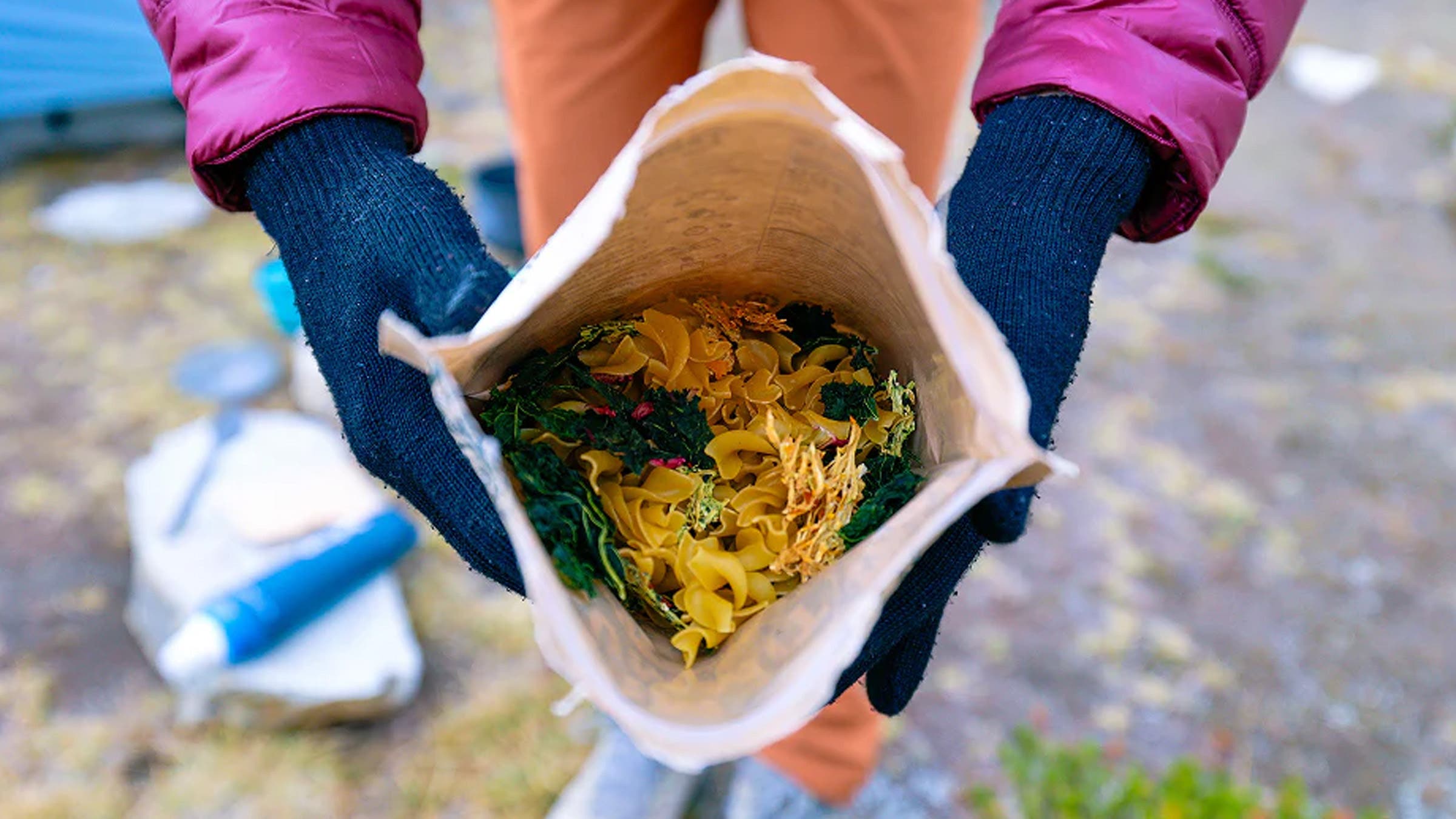
Farm to Summit dehydrates fresh produce from local farms in its home state of Colorado to make its backpacking meals, and it shows: Its vegetable-heavy pouches regularly have better texture and whole, recognizable hunks of flavor-packed greens than almost any other brand on the market. (Salt and acid levels are sometimes inconsistent, however.) The brand’s Garden Mac & Cheese, with white cheddar, zucchini, squash, kale, chard, and spinach, is a creamy treat for any kind of eater. The Thai Red Curry, with its mix of big, leafy greens, creamy coconut–peanut butter sauce spiked with sriracha, and excellent spice use, is a godsend for vegans accustomed to backcountry lentil mush.

Best Regional Cooking
Itacate
Top Flavors: Charge-Up Chilaquiles, Campsite Lentejas
Average Price: $12.50
Pros and Cons
+ Vegan
+ Authentic Mexican ingredients
+ Fast rehydration times
– Limited pouch flavors
– Low on protein and calories
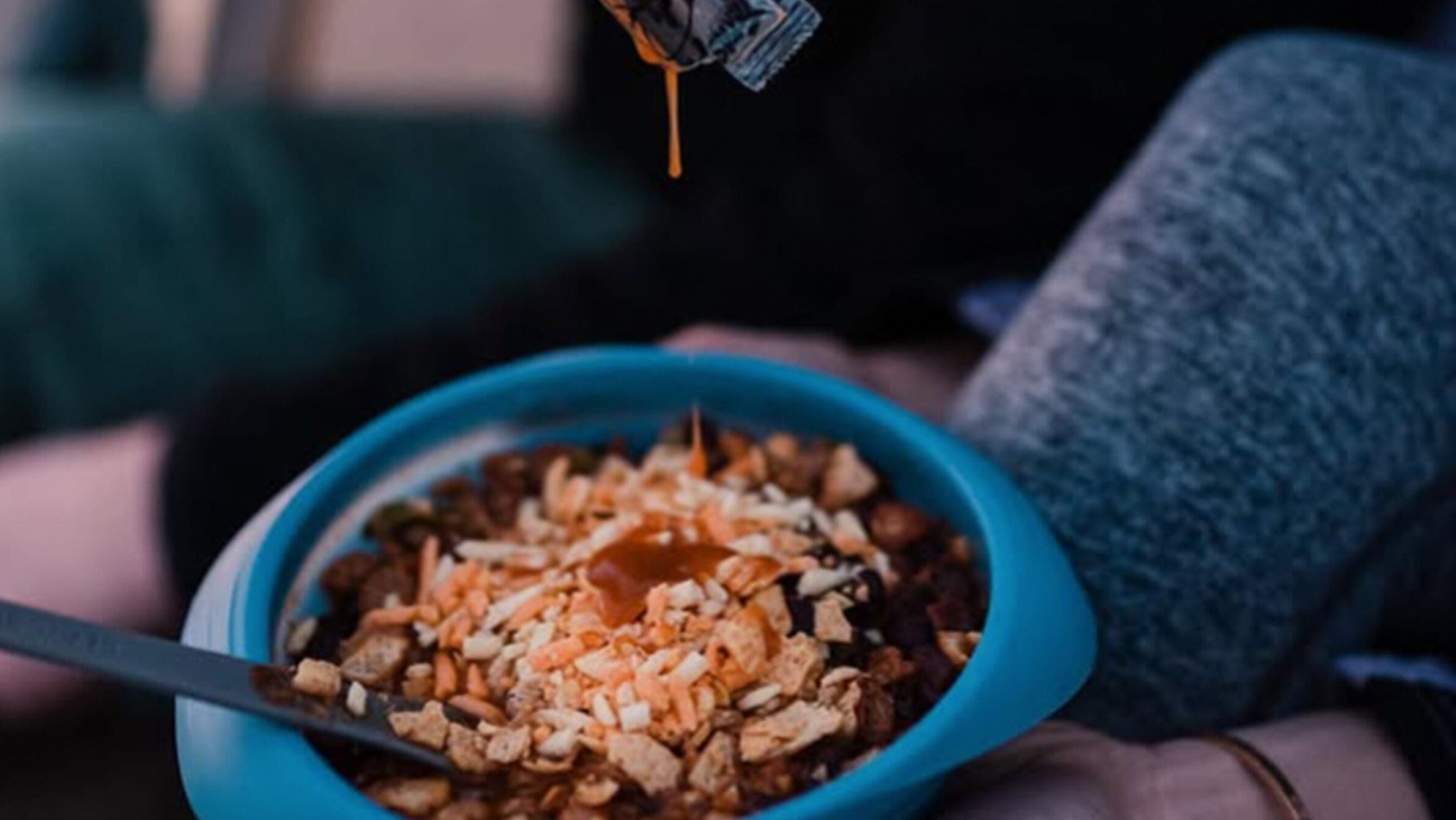
Itacate is the brainchild of Mexico-born Martha Y Díaz, who took the dearth of Latin American representation in the backpacking food industry as a personal challenge. Her Campsite Lentejas, Aventura Arróz con Leche, and Charge-Up Chilaquiles put all other Mexican-inspired dehydrated meals on notice. On Díaz’s first-ever backpacking trip, she and her friends craved chilaquiles—a popular Mexican breakfast dish of tortilla chips, eggs, cheese, and salsa—most of all. Her trail-ready version, Charge-Up Chilaquiles, are dressed up with from-scratch salsa verde, blended with fresh tomatillos. Egg, beans, queso panela, and a fragrant mix of spices and herbs like chile de arbol and epazote make this a killer “breakfast for dinner.”
Best Chili
Packit Gourmet
Top Flavors: Texas State Fair Chili, Dab’s Smash Burger with Secret Sauce
Average Price: $14
Pros and Cons
+ Very well-seasoned
+ Calorie and protein-dense
+ Many meal options
+ Relatively affordable
– Sometimes uses unhealthy additives
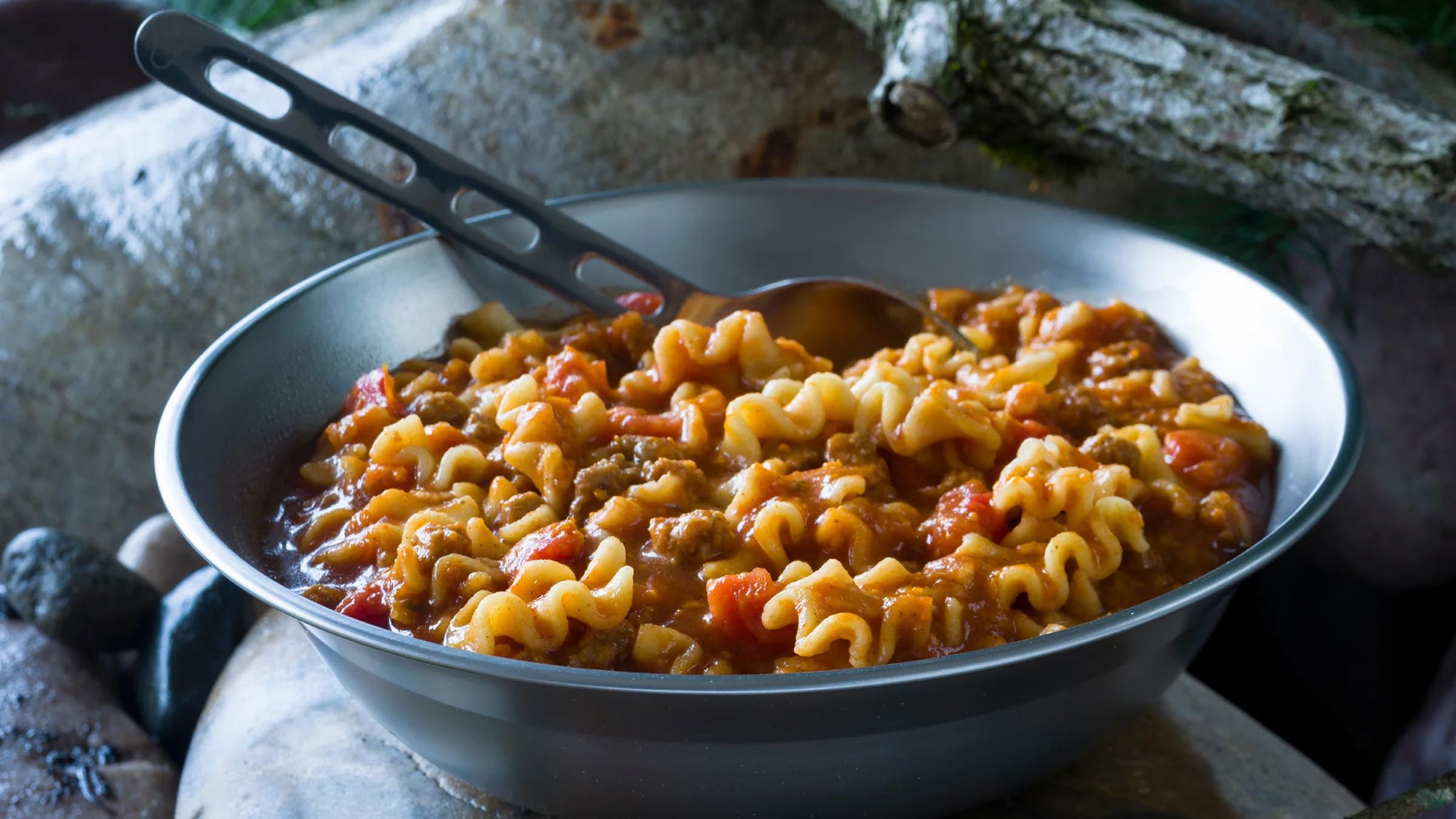
One of the best mid-tier backpacking food brands on the market, Packit makes calorie-dense, flavor-packed pouches with excellent texture that often make it to the top of our rankings. It’s no surprise that the Austin-based brand makes our all-time favorite chili. The base includes big crumbles of ground beef, beef stock, and chunky kidney and red beans, which gives it a meaty, umami-rich undertone that lends more depth than most of the meals we tried. But what pushes this chili over the top is an included toppings packet with corn chips (which add salt and crunch) and Monterey jack cheese. If you’re in the market for a filling and delicious backpacking meal at a mid-level price-point, you can’t do much better than Packit.
Best Budget Backpacking Meal
Mountain House
Top Flavors: Lasagna with Meat Sauce, Chicken Teriyaki, Classic Spaghetti with Meat Sauce
Average Price: $12.50
Pros and Cons
+ Affordable
+ Available in-store anywhere in the country
+ Very consistent flavors and rehydration times
– Very high sodium levels
– Little texture to meals
– Flavor-wise, quite a few duds
One of the oldest names in the game, Mountain House has been churning out dehydrated meals for backpackers since the late ’60s (and even earlier for the U.S. military). And it shows. Flavors are consistently inoffensive and occasionally crave-worthy (don’t sleep on the lasagna), as you would expect from decades of recipe-tweaking and a tightly controlled industrial operation. Would we eat this regularly over the course of a thru-hike? Probably not. Sodium levels are through the roof and you’ll start to crave “real food” faster than with most dehydrated backpacking meal options. That said, prices are relatively low for most meals (important when you’re buying for a multi-day trip) and Mountain House is nearly ubiquitous across the country: Walk into any REI or Walmart, and odds are good that you’ll find a pouch that you agree with.
Honorable Mentions
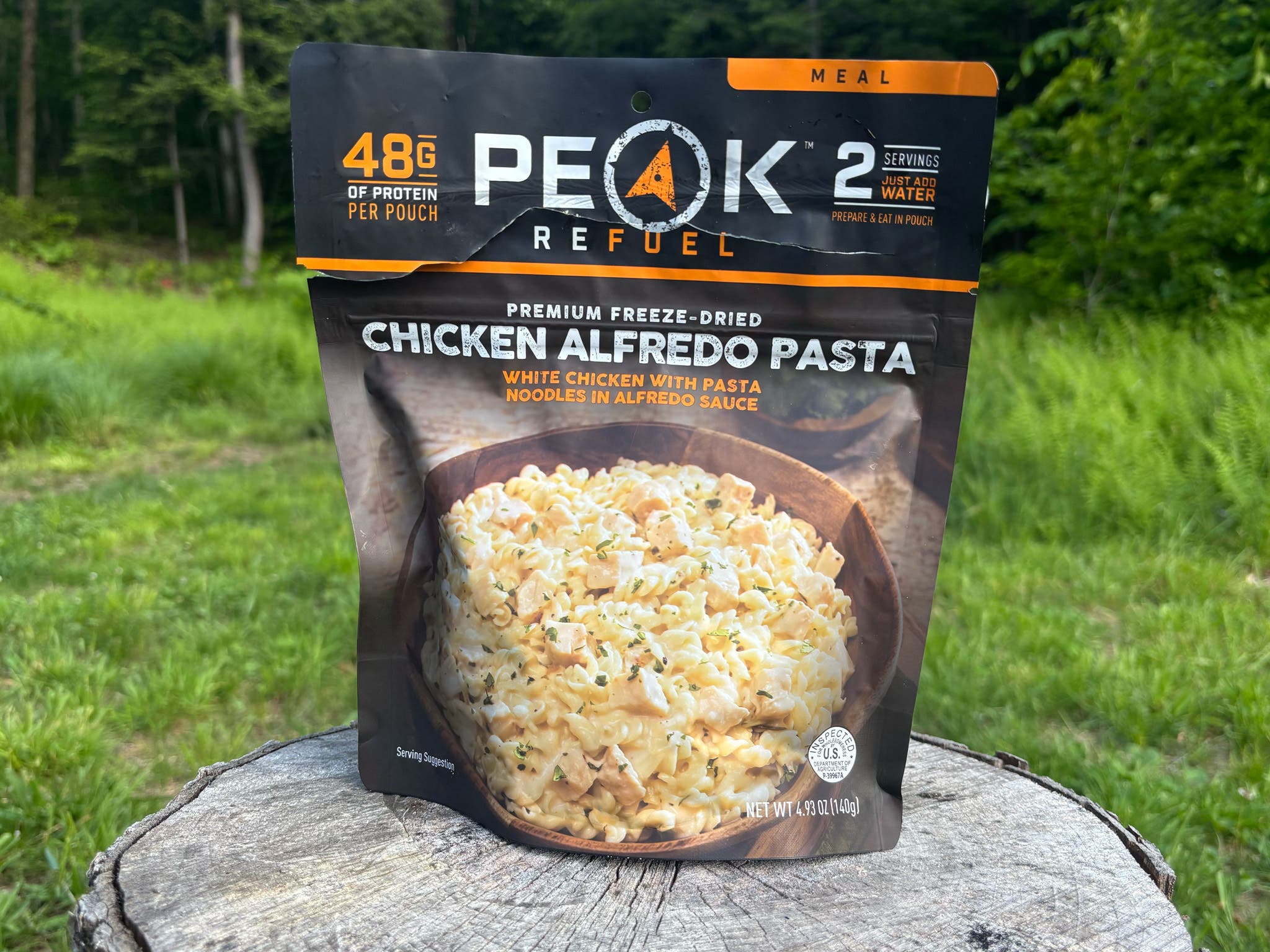
- Peak Refuel ($15): Despite its over-the-top camo-clad alpha male branding, Peak consistently puts out protein- and calorie-rich backpacking meals with good levels of seasoning and a strong comfort food focus. We particularly like the brand’s Chicken Coconut Curry and Premium Strawberry Granola.
- Gastrognome ($17): Gastrognome’s pouches are fresh and surprisingly complex, turning out sophisticated comfort food flavors like pozole and bison hash without cutting corners in regards to spices and regional ingredients.
- Pinnacle Foods ($18): With meals like Herb Roasted Chicken with White Cheddar Dumplings and Chipotle Beef Burrito Bowl with Corn and Cilantro Lime Rice, Pinnacle sticks to hearty, crowd-pleasing flavors in the same way lower-tier brands do, but uses restaurant-level technique and never takes shortcuts. If we have one complaint, it’s that the rehydration directions sometimes lead to watery/chicken-stocky meals.
- Fuel Your Feat ($15): This British Columbia-based brand makes top-tier dehydrated food, with favorites like “Burger, Bacon, Taters, Oh My!” and perhaps our favorite berry crisp, ever. Unfortunately, the brand doesn’t (yet) ship to the United States.
- Iron Goat Provisions ($15): This vegan, Asian-inspired dehydrated meal brand nailed the seasoning on their trio of pouches (first Szechuan peppercorn sighting in a backpacking meal), but salt levels are through the roof and textures are lacking.
- Good Detour ($13): This vegan and vegetarian Indian dehydrated meal brand doesn’t shy away from authentic spices and ingredients, but everything has a uniform curd-like texture and none of the brand’s meals felt substantial on their own—although they paired well with dehydrated basmati rice.
- Po and Co. Folk Foods ($14): Healthy and creative combinations abound in these vegan pouches, with meals like “Black Garlic Ramen Bowl” and “Coconut Chickpea Stew.” Despite the beautiful branding and exciting ingredient lists, we found our backpacking meals to be under-seasoned across the board and lacking in texture.
Backpacking Meal Brands to Avoid
- Backpacker’s Pantry: Despite its enticing packaging and wide availability, Backpacker’s Pantry is a brand to avoid. At its best, BP is reminiscent of non-descript cafeteria mash. At its worst, off-putting chemical flavors permeate the pouch after rehydration. Even after a long day of brutal exercise, this food is still borderline inedible.
- Alpine Aire: Alpine Aire is best described as a line of repackaged MREs (a military field ration). The occasional pouch will do the trick in an emergency, like the brand’s Mexican Style Grilled Chicken Bowl. Other flavors, like the “Mountain Chili” with its “caramel-colored textured vegetable protein” will leave you sad and likely constipated.
- Nomad Nutrition: Plant-based Nomad gets extra points for the organic, whole vegetable ingredient lists, but textures and spices are often muddled and mashed. Vegans in a jam will undoubtedly feel nourished (if a little joyless) if Nomad is their only option on the trail.
- Outdoor Herbivore: This vegan and vegetarian brand received bottom marks in most meal categories. An unholy mix of alternative flours (like quinoa) and seasonings (like nutritional yeast), along with a poor balance of proteins, vegetables, and salt and acid levels made these meals like a college co-op dinner gone awry.
- Mary Jane’s Farm: The offerings from Mary Jane’s Farm are a bit like mixing a grab bag of instant food powders from your local health foods store. The formulas are often successful (and organic), but everything has a mashed, babyfood–like texture owing to the powdered, instant-cook ingredients MJ Farm uses and a general lack of substance (both in terms of proteins and vegetables).
How We Test Backpacking Meals
- Meals Sampled: Over 165
- Highest Sodium Level: 1940 mg per bag (Mountain House Cheesy Pepperoni Pizza Bowl)
- Fastest Dinner Consumed: 2 minutes, 30 seconds (Stowaway Gourmet Kimchi Jjigae)
- Burnt Tongues: Roughly 10 (We’re slow learners)
- Desiccant Bags Munched: 1 (We’re OK)
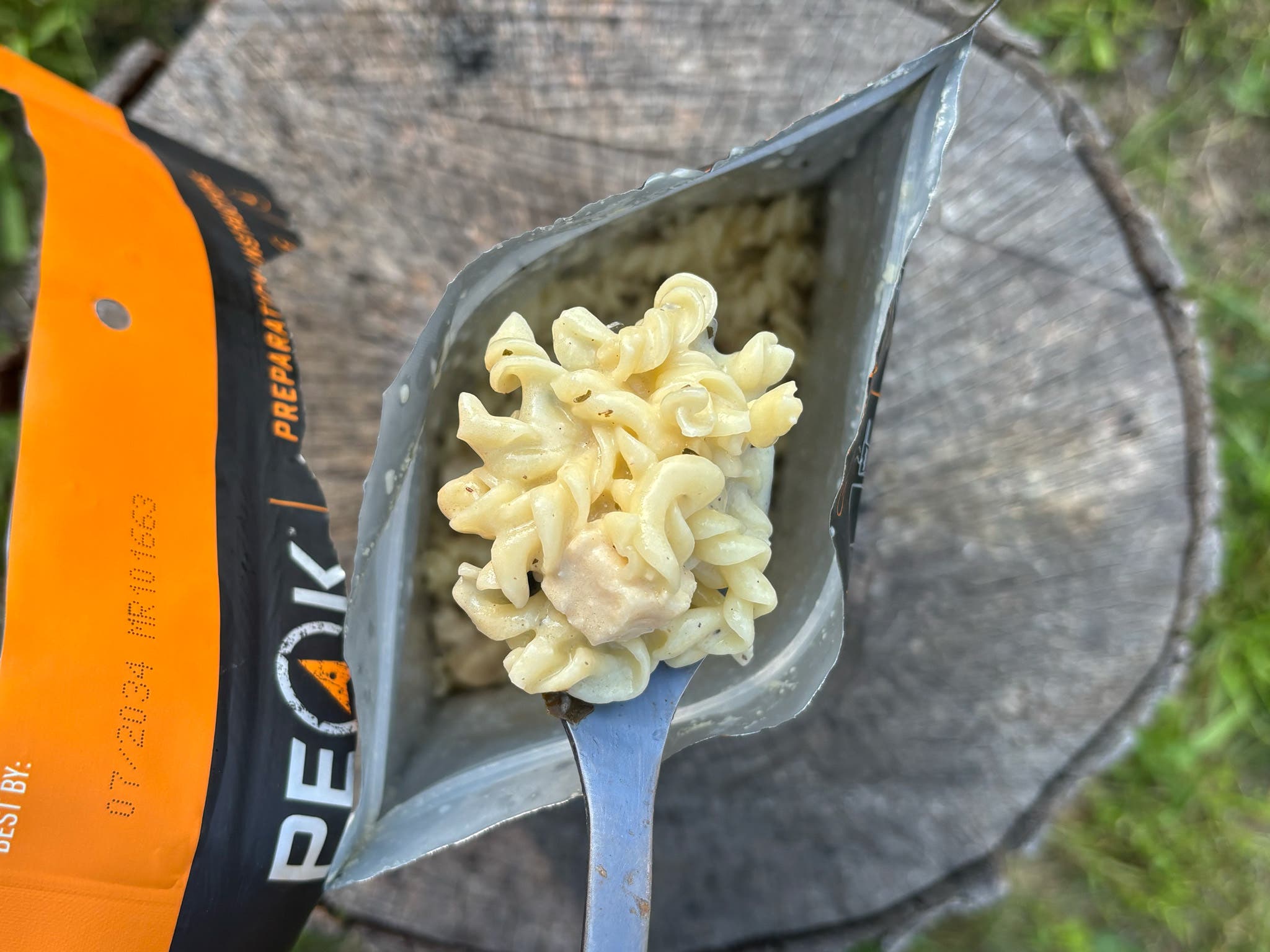
Over three years, we taste-tested meals from 44 brands (and counting) in our search for the very best backpacking meals. We only write about our very favorite and least favorite brands, but rest assured, if a backpacking meal brand exists in this country, we have likely sampled its wares. We measured out the precise amount of water listed on the packaging (testers should not have to guess), brought it to a boil, and rehydrated the meal, giving it a stir at the beginning and midway through.
We ranked these brands and their meals primarily based on flavor. Above all else, if something doesn’t taste delicious, you won’t want to eat it night after night. Next, we looked at calorie and protein counts, which are important for casual hikers and long-distance trekkers alike. We also took note of other ingredients and nutrient levels that might have a negative effect on hikers’ bodies, like the use of corn syrup, palm oil, and high levels of sodium. Third, we looked at the practicality of the meal: If it required multiple steps, pots, or was packaged in endless microtrash, it did not make the cut. Lastly, we considered price. Generally, backpacking meals average out around $15. In bulk, a dollar or two can make a big difference. For brands we absolutely love, like Stowaway Gourmet, we were happy to pay a premium. For others, the high price point couldn’t be justified.
We chose to rank brands rather than specific flavors or meals—as many other publications do—for a few reasons. First, one-hit wonders are common in the world of dehydrated backpacking food and don’t do a good job of representing the brand’s quality overall. For another, (ideally) no one eats the same meal every night on a backpacking trip. Finally, your specific favorite flavor is unlikely to be available in-store, and knowing which brands sell great dehydrated food will help you make an informed decision without having tried every single meal.
Meet Our Tester
Benjamin Tepler is a senior gear editor at Backpacker and Outside. He holds two culinary degrees, has worked in kitchens across the country, and was a food editor and restaurant critic in Portland, Oregon, before entering the outdoor industry.


