Published July 1, 2026 02:22PM
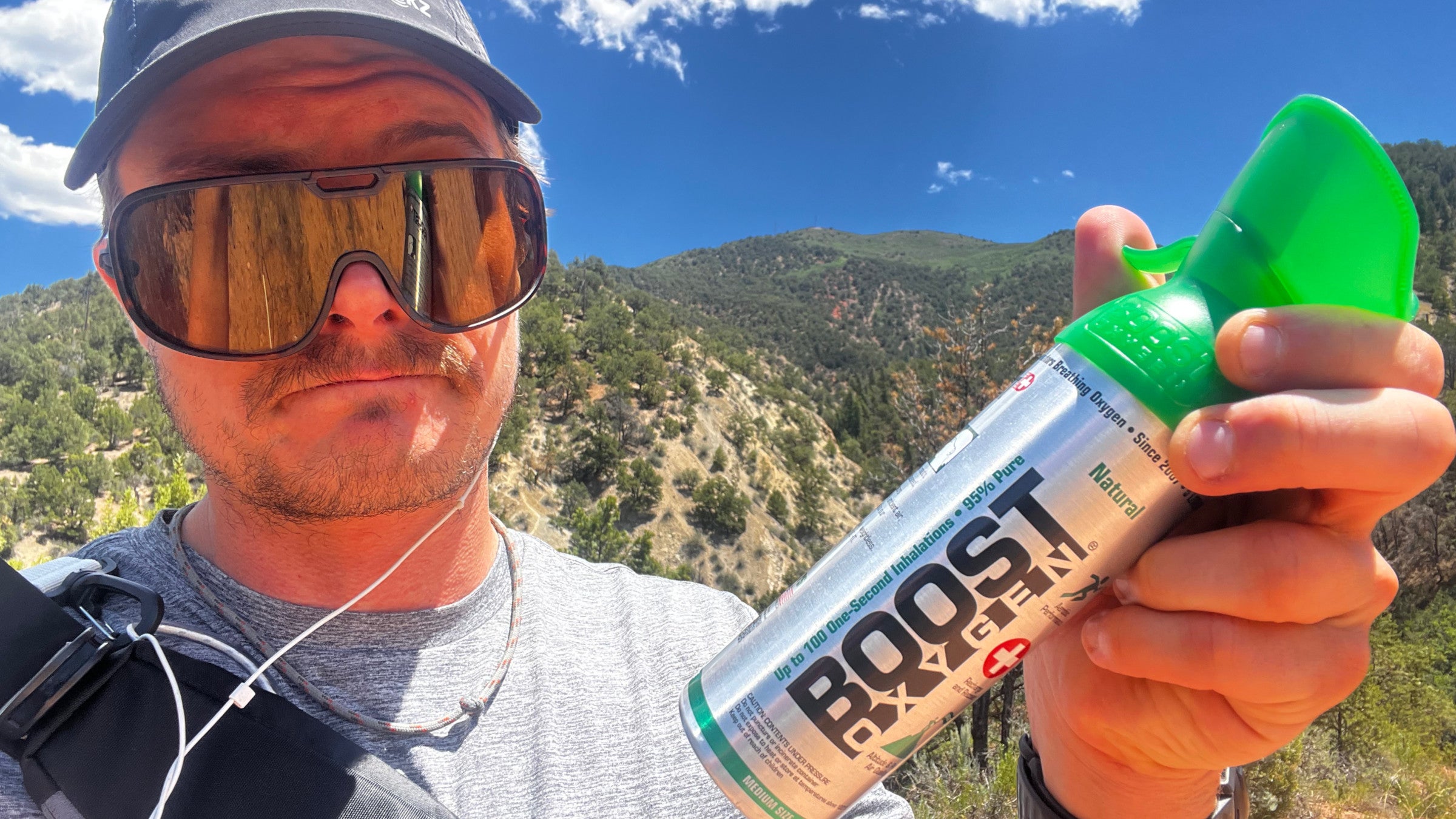
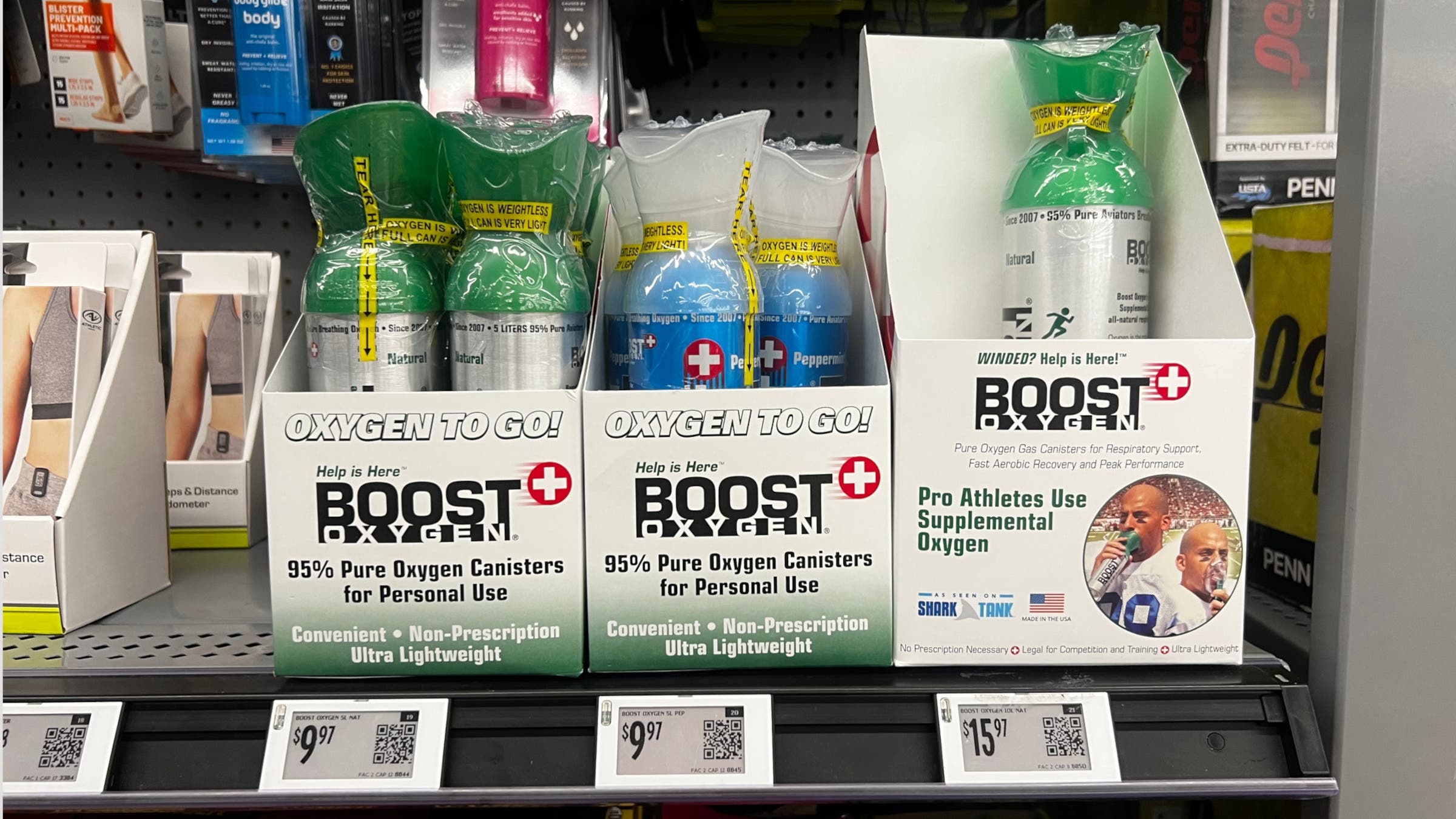
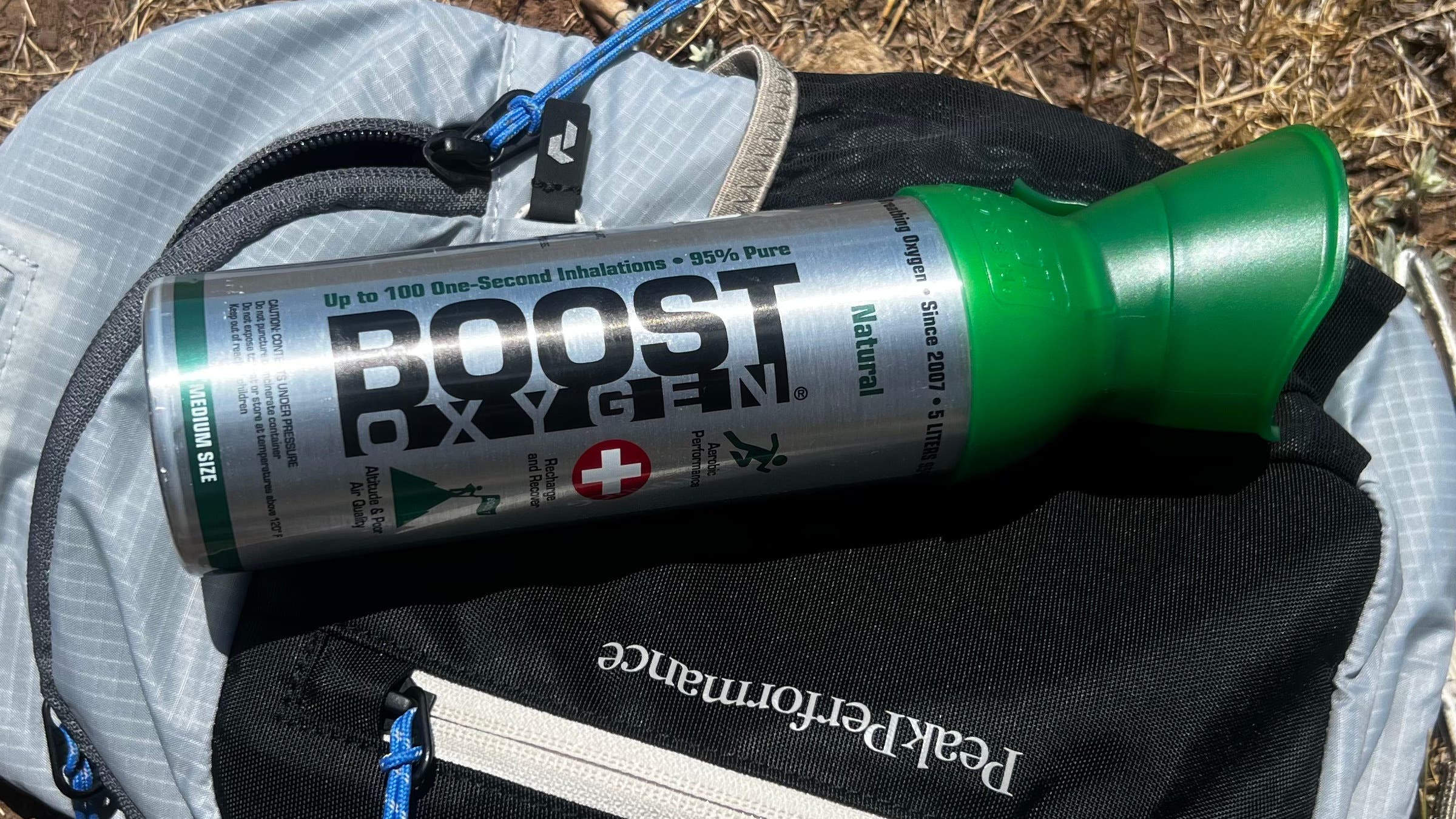
Like most humans, I breathe a lot of oxygen. It’s one of the few resources that hasn’t been universally commodified, and that we all enjoy for free. So I couldn’t help but chuckle as I checked out with my can of Boost Oxygen at Walmart. I’d never paid for air before.
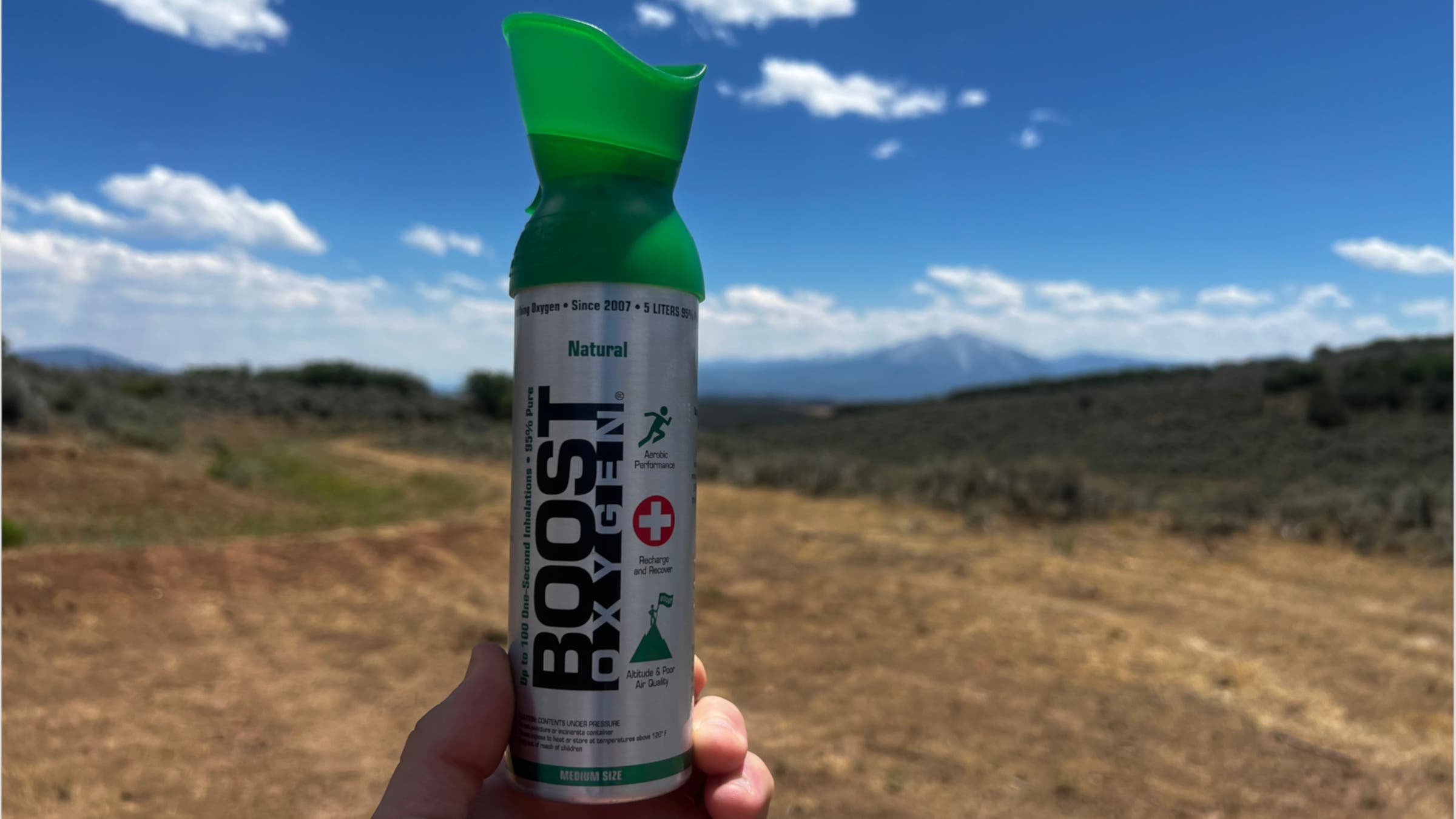
Today, though, I was dropping $10.90 (after tax) for 5 liters of 95% pure “aviators breathing oxygen.” This aerosol supplement supposedly enhances aerobic performance, recovery, and breathing ability in high-altitude or poor air quality conditions. At least, that’s what the packaging suggests.
Like many hikers, I’ve seen canned oxygen on the trail before. I’ve even hiked with people who have used it. Boost has been around since 2007, and every time I come across it, I can’t help but wonder, does the stuff really work?
That question finally led me to Dr. Lindsay Forbes, a pulmonologist and assistant professor of medicine, pulmonary sciences, and critical care at the University of Colorado Anschutz. She treats patients with lung disease, studies pulmonary hypertension, and also has an interest in altitude sciences.
I wanted answers about canned oxygen from a medical expert. I also wanted to try this potential booster out for myself. So, in the course of the same morning, I found myself spending $2.18 a liter on oxygen at Walmart before sitting down to interview Forbes about how it might—or might not—improve my hiking.
The Premise (and Problems) of Canned O2
Supplemental oxygen—the kind that comes in big tanks—is used by people worldwide. It’s nearly 100% pure oxygen, delivered with enough pressure to make breathing easier. High-altitude mountaineers carry oxygen tanks on many of their objectives. And doctors often prescribe it to patients with lung conditions who are traveling to higher altitudes.
High air pressure, as found at sea level, forces oxygen into the bloodstream, making it feel easier to breathe at lower elevations. As you climb higher, air pressure decreases, and it gets progressively harder to breathe. At the summit of Everest, for example, air pressure is extremely low, and the bloodstream absorbs 70 percent less oxygen. That’s what makes air feel “thin” on top of high peaks. It’s also part of what leads to conditions like altitude sickness, high-altitude cerebral edema (HACE), and high-altitude pulmonary edema (HAPE). Supplemental oxygen can prevent that.
That’s partly the idea behind canned oxygen, like Boost, too. It’s a lightweight, packable canister of 95% pure oxygen people can get without a prescription. But Forbes was quick to clarify that canned oxygen isn’t an over-the-counter version of what doctors prescribe, or what mountaineers use.
“[Canned oxygen is] only providing those quick bursts for one breath or a couple of breaths,” she said. “Which, unfortunately, just isn’t enough to meaningfully impact your body’s actual oxygen content.”
Forbes explained that humans breathe around 5 to 8 liters of oxygen per minute, even at rest. In the normal-sized canister of Boost that I bought, there are only 5 liters of oxygen. That’s not nearly enough to make a difference over any length of time, according to Forbes.
When it comes to improving aerobic performance, as Boost also suggests it can, Forbes said supplemental oxygen doesn’t do much for normal healthy adults. Unless you have a lung condition, your body will operate much the same with or without it, even during extreme exercise.
And while professional athletes will sometimes use supplemental oxygen for recovery, Forbes again points to the size of the can and the quick burst, single-breath delivery method. Real supplemental oxygen is delivered consistently for minutes and hours through a hose in someone’s nose or an oxygen mask that covers their face.
“There may be some [positive] physiological effects of oxygen use in general. But, there’s the same limitation on how much oxygen you can get from the can.”
Backpacker reached out to Boost to discuss the science behind its products, but never received a response.
The Test
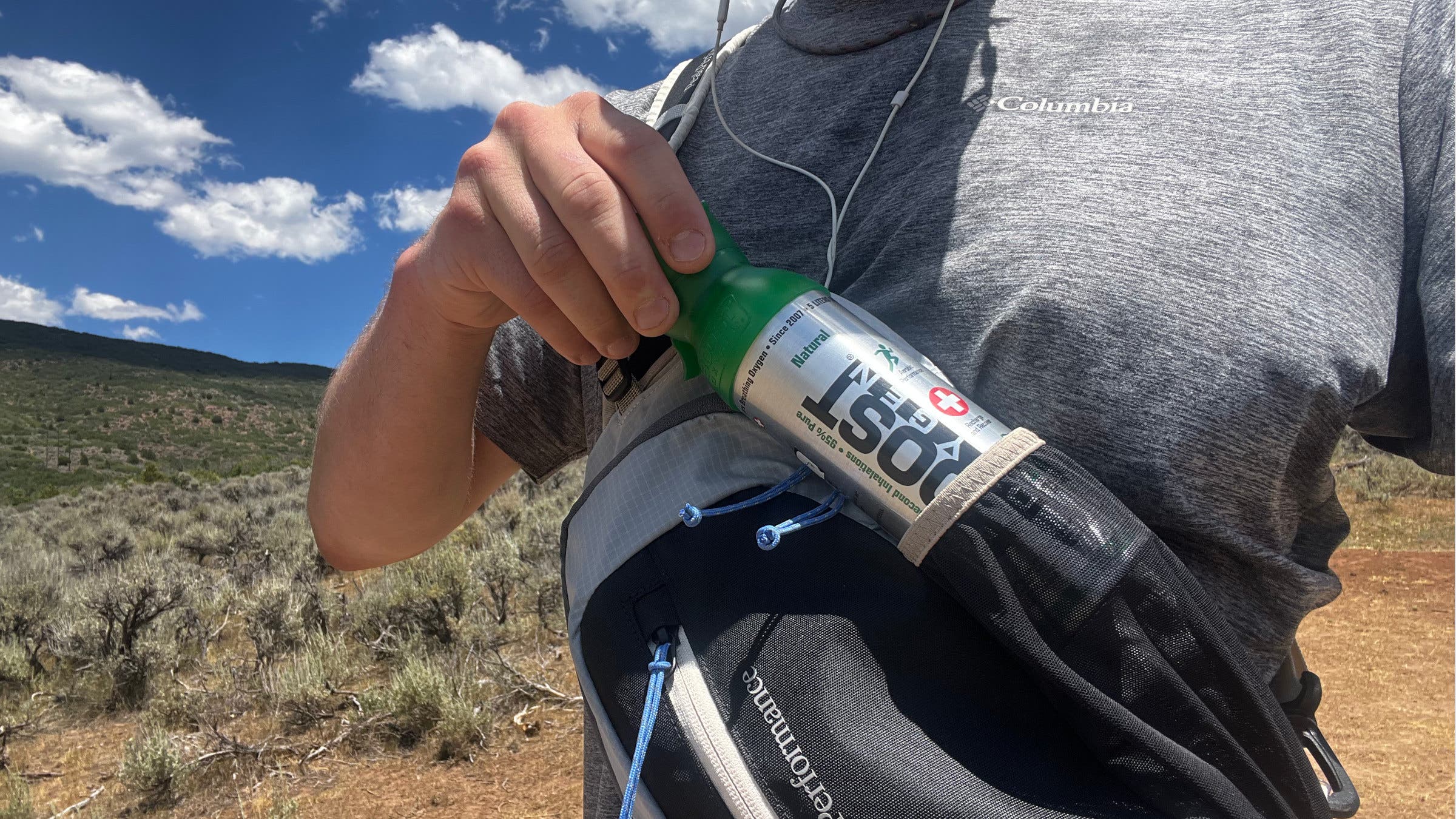
After my conversation with Forbes, I laced up my hiking boots, stuck my can of Boost in a pack, and hit the trail behind my house. Instead of testing the high altitude claims, I decided it would be more scientific to test Boost’s performance claims. I didn’t have time to hike the same high-altitude peak twice (once with canned oxygen and once without). However, I did have time for my go-to 4.3-mile trail that I hike and run frequently. I figured that would give me a better control baseline to judge whether or not my can of air was helping in any regard.
I took my first hit of Boost at the trailhead and started hiking.
On the ascent, I hit that canister four or five times, paying close attention to my breathing rate, heart rate, stamina, and energy. If the canned oxygen was making a difference, though, I couldn’t really feel it. My hike up felt pretty much the same as it always does.
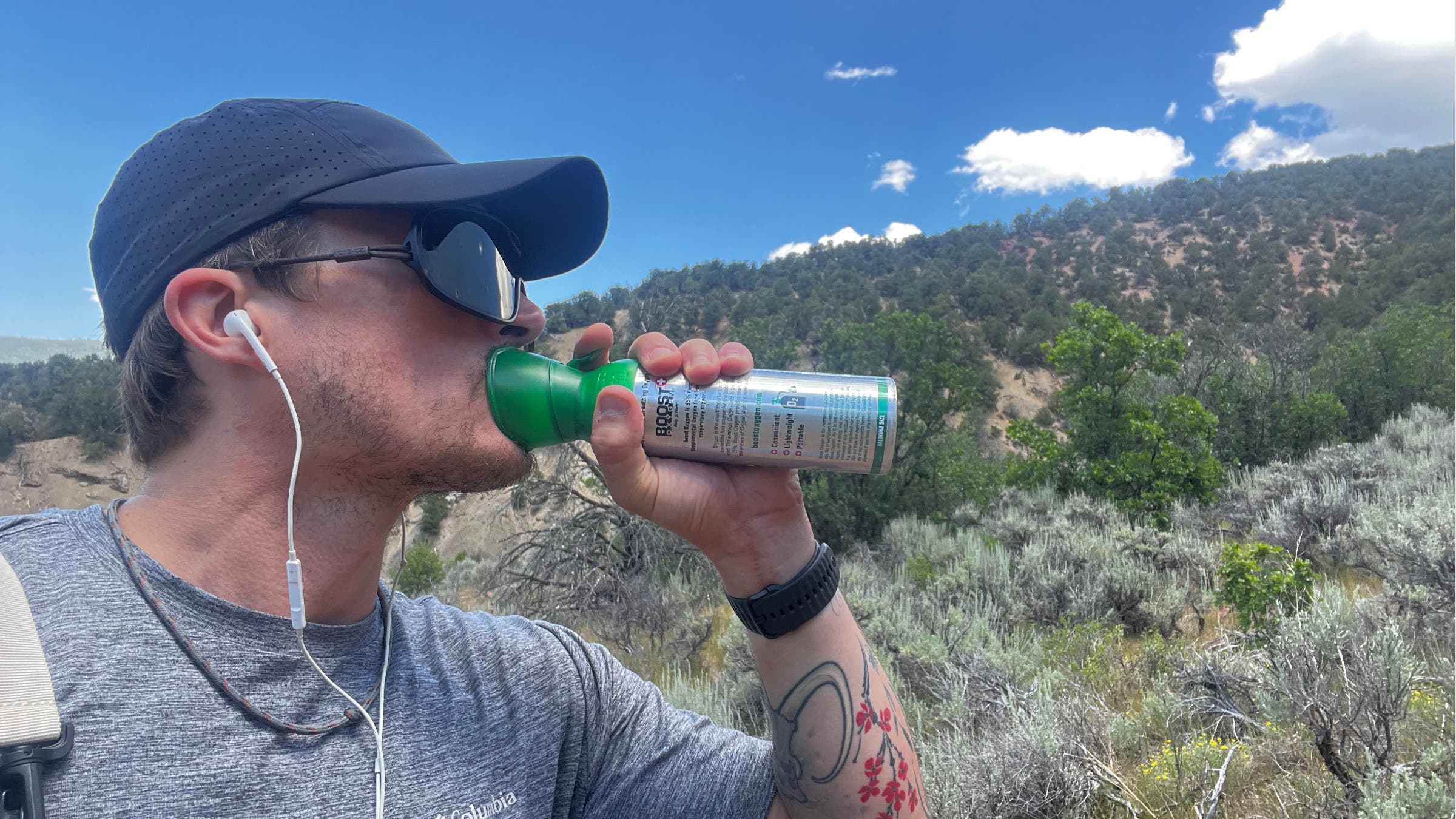
On the descent, I thought I felt a difference — at first. I held the can in one hand as I ran and periodically took big inhalations. The first mile, I felt like my stamina was slightly better than normal. However, I still got cramps at the same mile marker I usually do, and started feeling fatigue around the same time I usually do. That made me doubt those initial perceptions.
For what it’s worth, my heart rate (as recorded by my Coros watch) was also normal for the entire 4.3 miles. It was neither higher nor lower than it is when I’ve hiked that trail on any other day.
When I arrived at the bottom, though, my experiment took a turn. I was breathing heavily at the end of my run down, as I normally do, and took three deep breaths from the oxygen can. Almost instantly, I caught my breath. My breathing was abruptly normalized.
Maybe it hadn’t improved my performance, but at least anecdotally, my immediate recovery seemed a lot faster with Boost.
(It’s also worth noting: I used the entire $10.90 can on that hour-and-fifteen-minute hike.)
The Final Word: Practical or Placebo?
After my experiment, I told Forbes about my recovery experience and asked for her thoughts. She said it’s possible I felt a real effect.
“The combination of resting and taking those deep breaths, plus supplementing the big breaths with oxygen, might help you transiently increase your oxygen delivery, and get back to your resting baseline just a bit quicker,” she acknowledged.
Still, Forbes was far from convinced that canned oxygen offers hikers or other mountain athletes any substantial benefit.
“To be very candid, I think it is a well-marketed product that probably has more placebo effect than actual effect,” she said.
Placebo effects aren’t necessarily bad. If you use canned oxygen and genuinely feel like it helps you, Forbes said there is no harm in continuing to use it, with one caveat.
“I would just strongly counsel people not to have a false sense of security,” she said. Canned oxygen is not a medication. If someone is experiencing real medical concerns at high altitude or due to shortness of breath, “I strongly advocate that they seek real medical care and not rely on a product that likely has limited efficacy to treat a true medical problem.”
For my part, I probably won’t be buying more canned air any time soon. Without scientific equipment to measure my blood oxygen levels and so on, I can’t tell if or how much of a difference it really made. Anecdotally, if there was an effect, it was negligible.
At least for now, I’ll be sticking to the non-commercialized oxygen I breathe for free every day.


