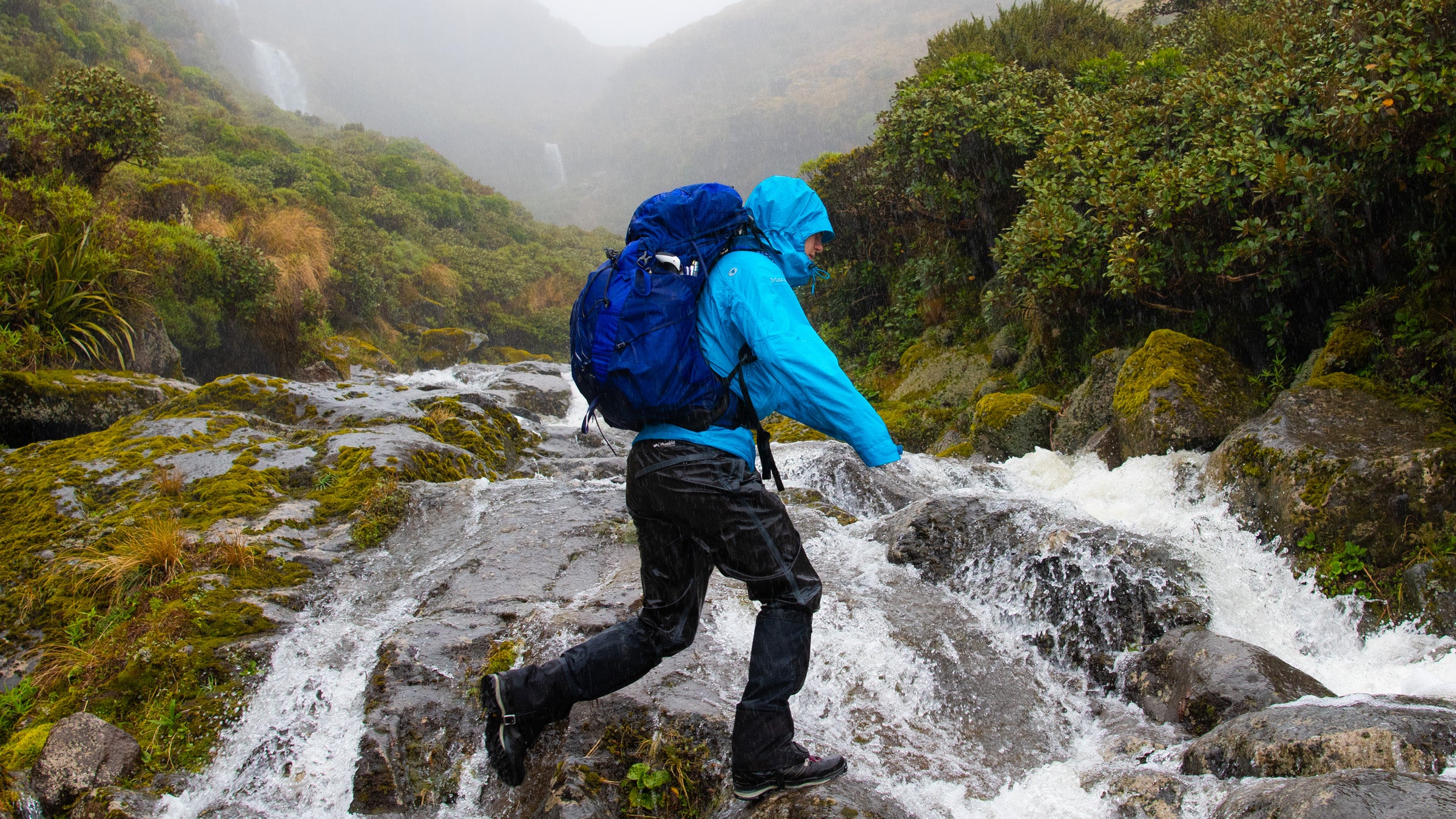
Published September 9, 2026 08:00AM
September 2026: The best women’s rain jacket overall is the Outdoor Research Aspire 3L Jacket for its combination of weatherproofness, breathability, smart features, affordable price, and matching rain pants. The Black Diamond Fineline Stretch is our Best Value pick for its strong waterproofing and a multitude of features at a low cost. This fall, we added the 7Mesh Guardian Apex to our list for its four-season versatility and clever design choices.
Heading into the backcountry without a reliable waterproof jacket is risky at best—and downright dangerous at worst (rain gear is one of the Ten Essentials, after all). But any old slicker won’t do. The best rain jackets for women vary widely in quality, price, weight, and intended use; picking the right one can be the difference between a frustrating, uncomfortable outing and a smooth, protected one. We scoured the market to find the very best picks available today, from a barely-there emergency jacket to a heavy-duty alpine shield.
At a Glance: The Best Women’s Rain Jackets
Best Rain Jacket for Women Overall
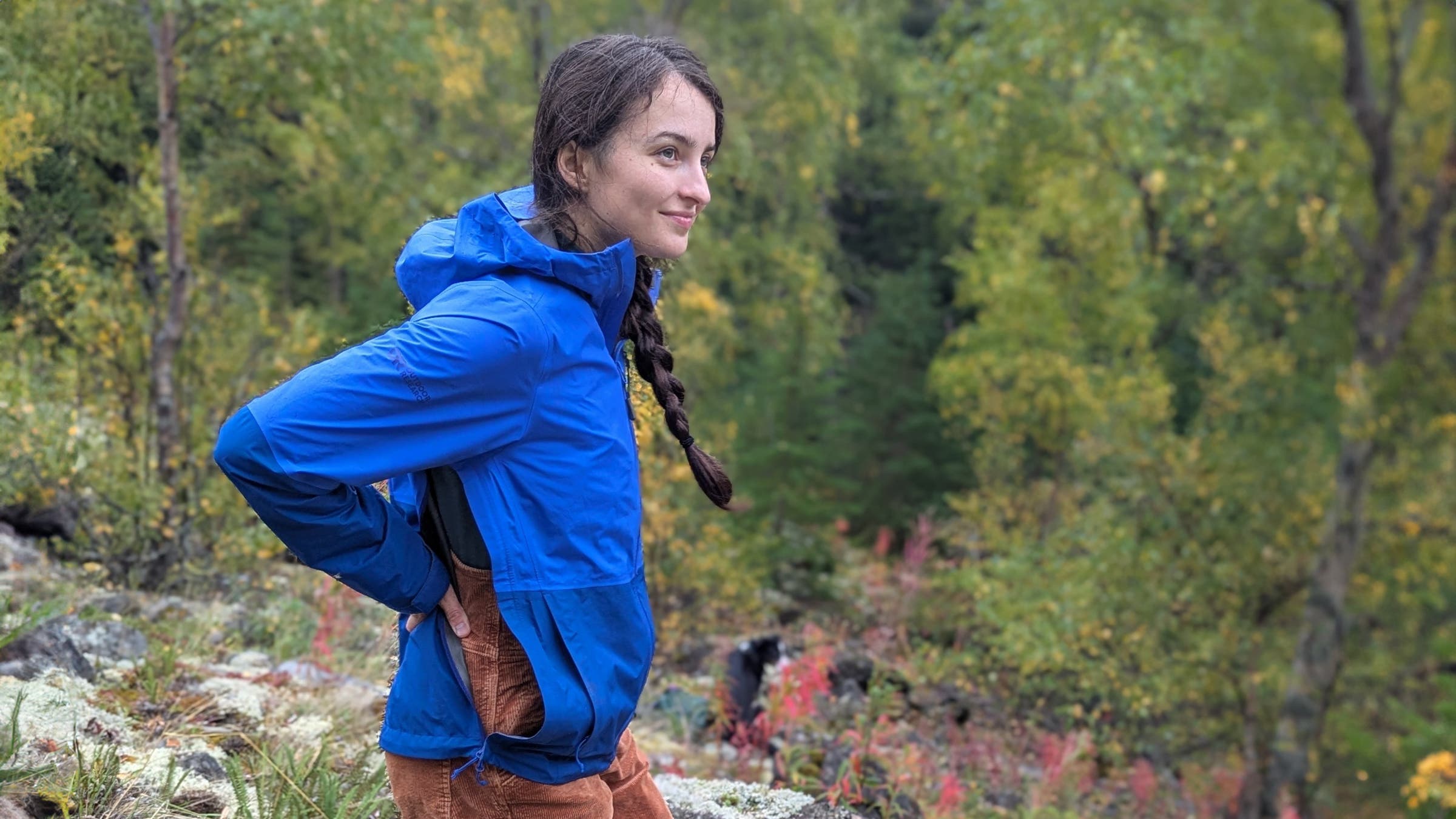
Outdoor Research Aspire 3L Jacket
Weight: 12.4 oz (w’s M jacket); 13.2 oz (w’s M pants)
Sizes: XXS-4X
Pros and Cons
+ Very breathable
+ Slightly stretchy
+ Certified carbon neutral
– Too slim for layering
From backpacking in steady rain, to bushwhacking through wet brush, to hours spent kneeling in damp shrubs picking blueberries, the Aspire 3L Jacket—and its matching rain pants—kept us protected and happy.
Outdoor Research’s proprietary fabric, AscentShell Dry, is a three-layer material with a 40-denier, 100-percent recycled nylon face and a high-performance DWR coating. “I backpacked 7 miles into an Alaskan cabin in the Chugach National Forest, gaining 2,000 feet in elevation and wearing a 40-pound pack,” says tester Kate Paskievitch. “At the end, I was still nice and dry, not sweaty.”
Two-way zippers running from hem to armpits also let us dump heat quickly. An exceptionally well-fitting hood stayed clear of our eyes. The Aspire jacket also has three pockets (two hand and one chest) and an adjustable hem and cuffs. The jacket’s slim cut makes it uncomfortable to wear with thicker midlayers, but the pants easily accommodated thick baselayers. Testers also appreciated the pants’ three-quarter-length side zips that made them easy to slip on over boots and the simple waist drawstring to keep them in place. Together, the jacket and pants pack down neatly to the size of a quart-jar.
Most Versatile
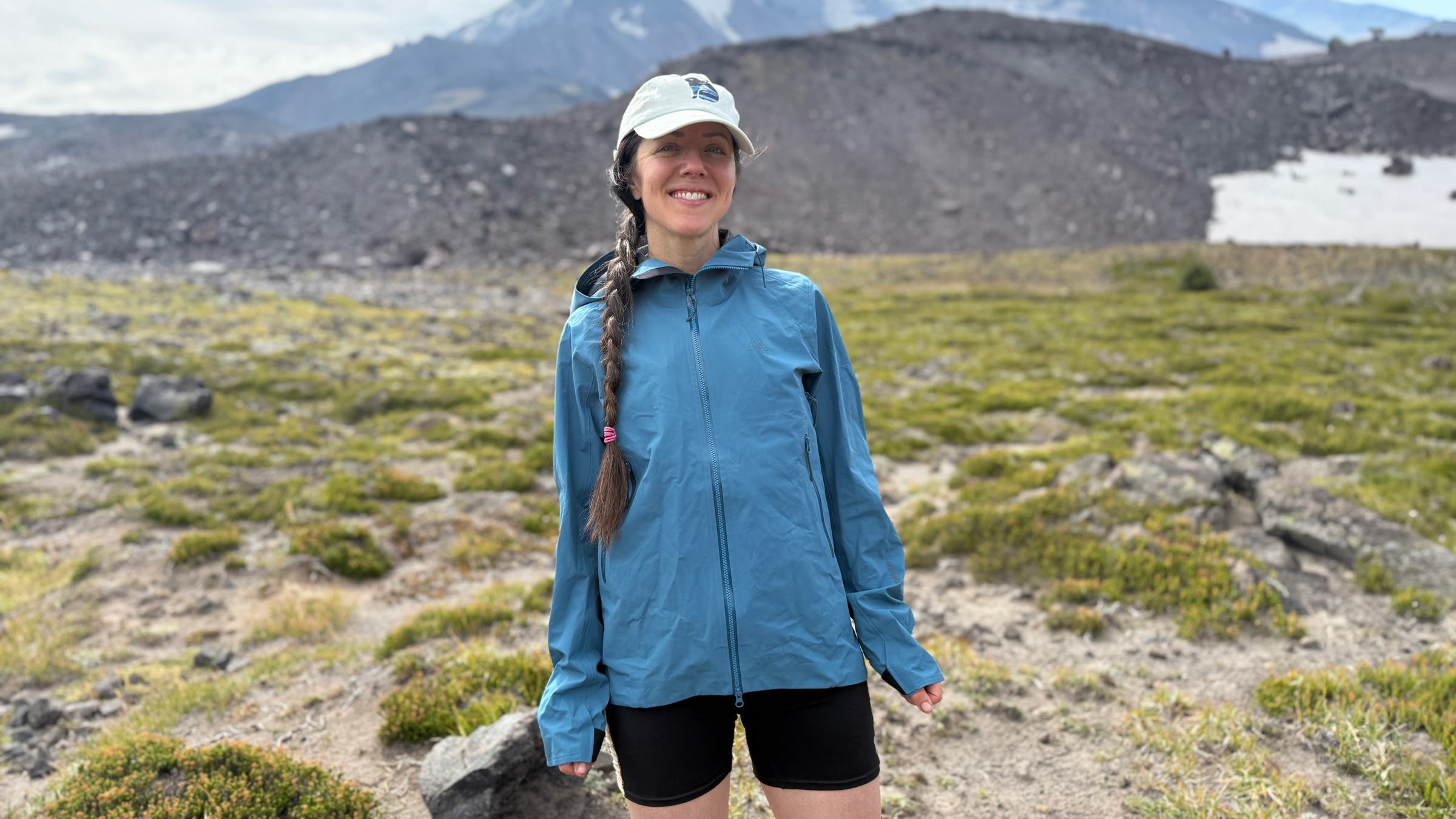
7mesh Guardian Apex
Weight: 9.9 oz. (Women’s Medium)
Sizes: XS-XXL
Pros & Cons
+ Excellent adjustability
+ Superior breathability
+ Dialed-in details
– Expensive
If you’re going to pony up for a premium jacket, then it had better carry you through all your activities (and seasons) without making compromises. That’s exactly what you get with the Guardian Apex, a top-of-the-line shell from BC-based brand 7mesh that handled hiking, cycling, and winter scrambling with equal aplomb. The hood expands to comfortably slide over bike and ski helmets, then shrinks via an effective—but initially difficult to operate—double-pull cinch system. The adjustable cuffs widen to accommodate thick winter gloves, but also effectively seal bare wrists. The cut was roomy enough to layer a thick fleece underneath without the snowman look, and its articulated design allowed for easy movement.
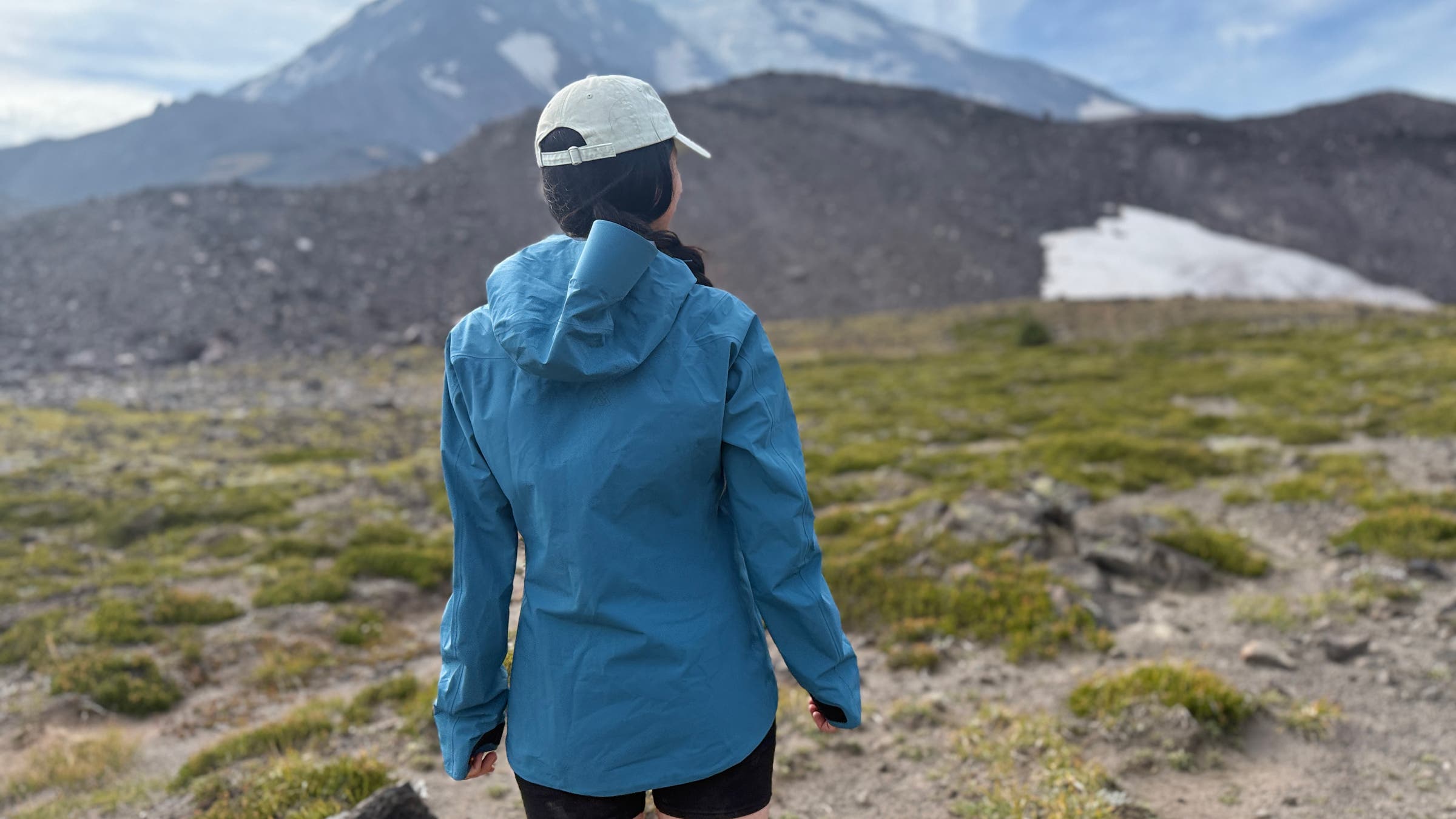
Testers also cheered the diagonal pit zips: “Most pit zips go directly underneath the armpits, but when your arms are down, you get zero airflow,” notes Washington-based tester Anastasia Allison. “With these, I could feel the air flowing.” The 40-denier nylon face, paired with a Gore-Tex membrane and C-Knit backer, resisted a two-hour downpour in the Mt. Baker-Snoqualmie National Forest and didn’t show a scratch after bushwhacking through blackberry brambles. Breathability earned top marks as well. “This has become my go-to shell for everything: hiking, trail running, backpacking, summer mountaineering, and cycling,” says Allison. Only downside? It’ll cost you.
Most Comfortable
Mammut Ducan Light HS Hooded Jacket
Weight: 6.2 oz. (Women’s Medium)
Sizes: XS-XL
Pros and Cons
+ Very packable
+ Very light
– Middling breathability
– Hood blocks vision
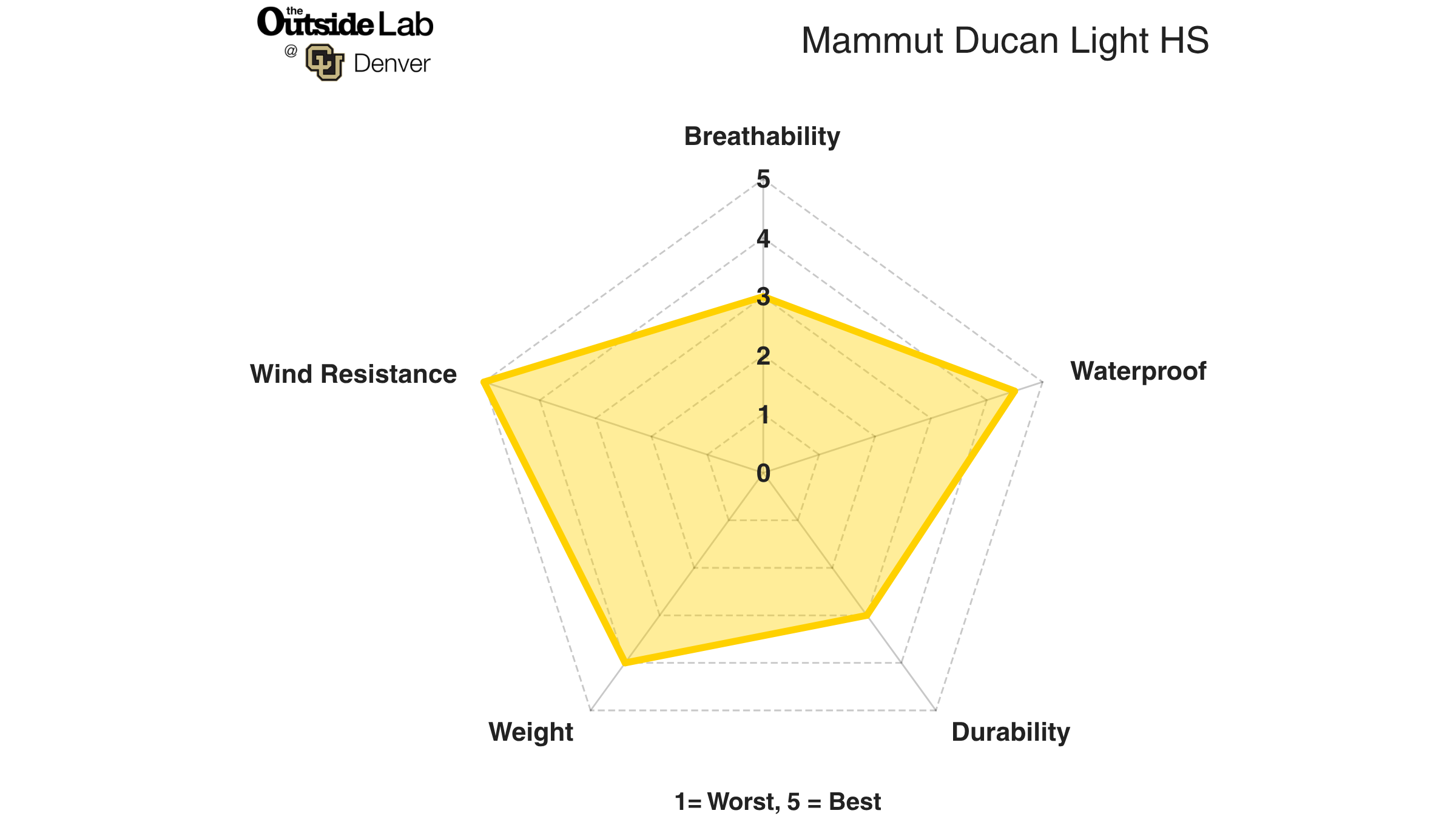
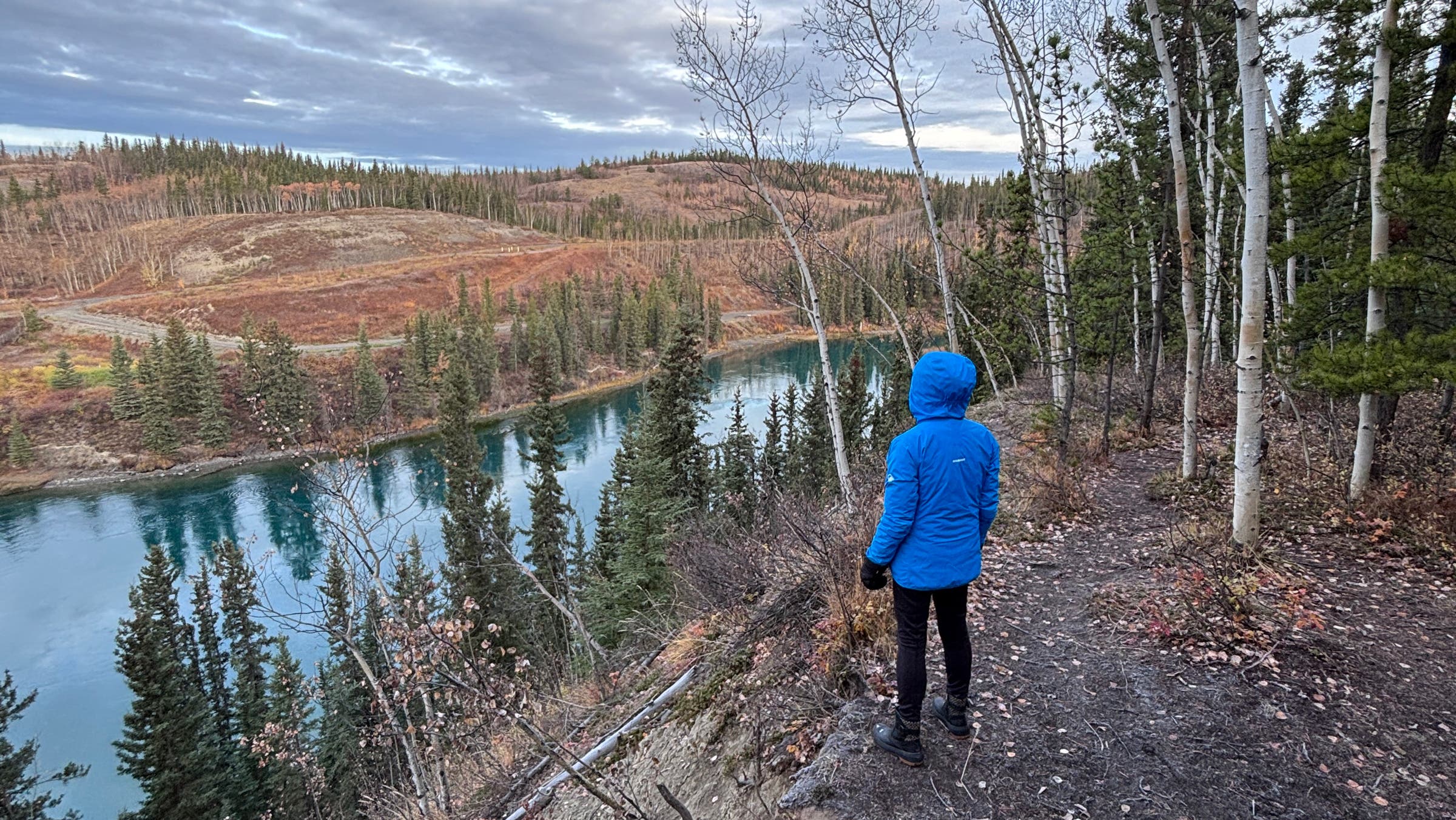
Traditional hardshell fabric may be protective, but that stiff, crunchy feel isn’t exactly pleasant over miles and days. The Ducan Light HS is a smooth-feeling alternative to the standard three-layer armor. This shell’s recycled, 20-denier nylon face fabric moved with us on hikes, Nordic ski sessions, and mountain excursions alike. “The soggy glacial till on Paint Mountain in the Yukon had me reaching for bushes, trees, and boulders, but the Ducan’s slight stretch and athletic fit never held me back,” reports tester Jackie Bourgaize. But that doesn’t mean you trade weather protection for comfort: Though it has a lower waterproofing rating than the burlier shells in the test, we experienced no leaks over multiple days of rain in the Canadian Rockies.
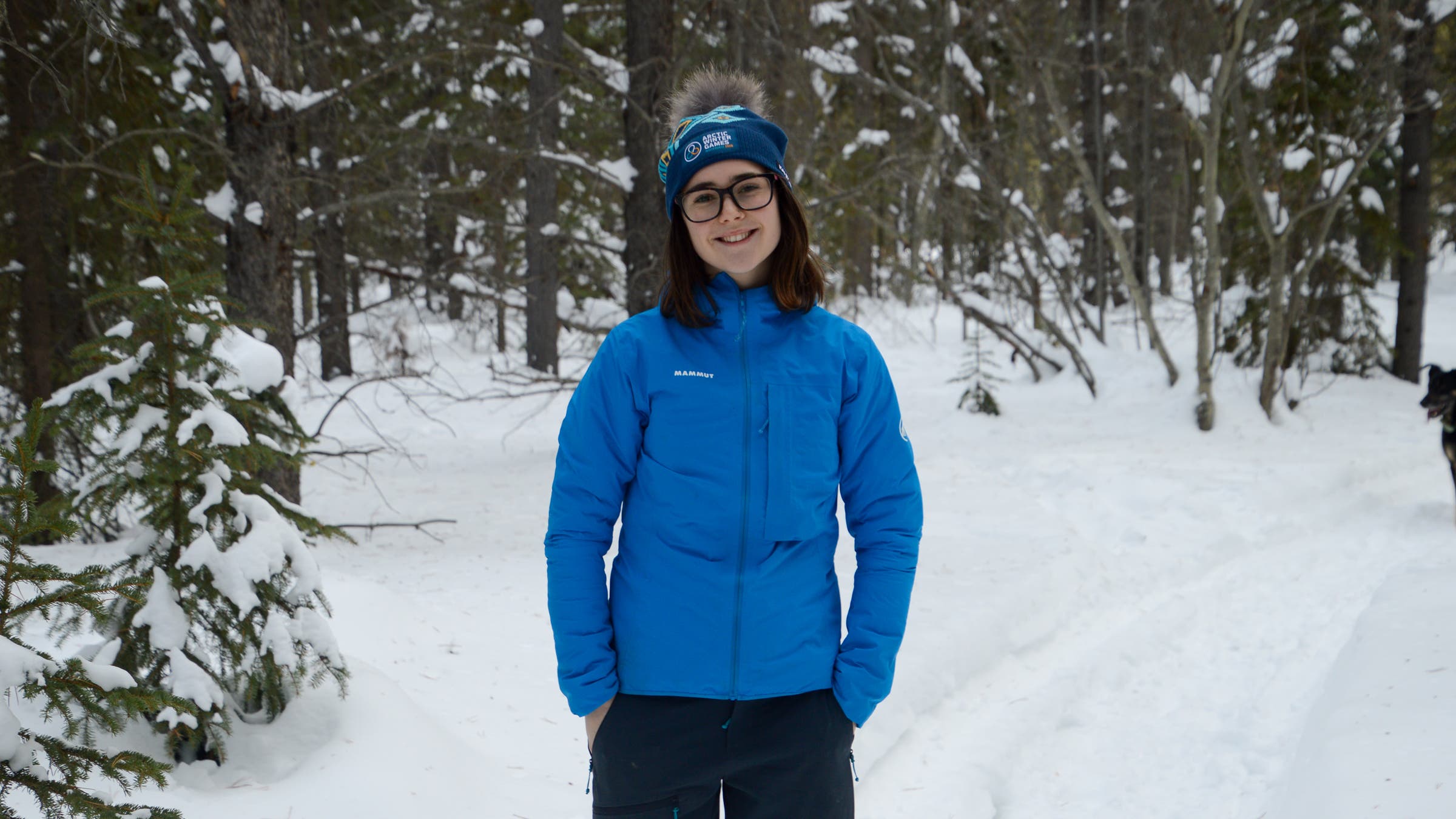
Features are minimal to shave weight (it packs down to softball size), though you get a single chest pocket big enough for gloves or a smartphone and a hood with an ultrasoft chin guard; the hem and wrists sport snug elastic that kept out drips. There are no pit zips, though, and testers had mixed feelings about the sternum-height snap that instead allows for wearing the shell unzipped for ventilation: Some appreciated the option for use on rainless, windy days, but it wasn’t usable during precipitation. The 2.5-layer, proprietary material notched average scores for breathability. Biggest complaint? Hood design, which lacks adjustment cords. “Heading up the damp and slippery slope of M’Clintock Ridge in the Yukon, I needed to watch where I put my feet,” Bourgaize says. “But with that hood slipping down, I couldn’t see where I was going.”
Best Value
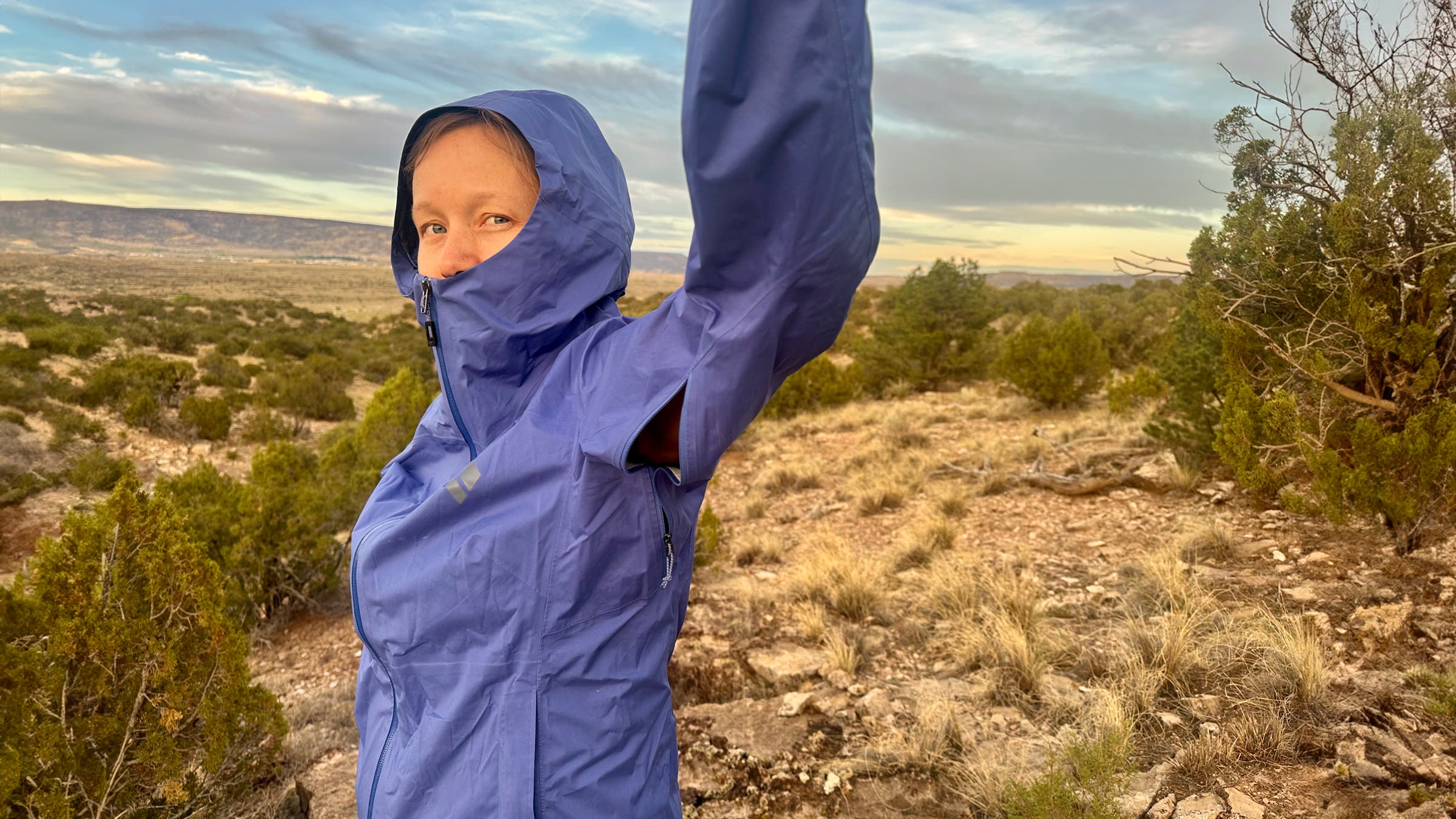
Black Diamond Fineline Stretch Shell
Weight: 9.5 oz (Women’s Small)
Sizes: XXS-XXL
Pros and Cons
+ Stretchy fabric
+ Full feature set
+ Affordable
– Only moderately breathable
– Sticky waterproof zipper
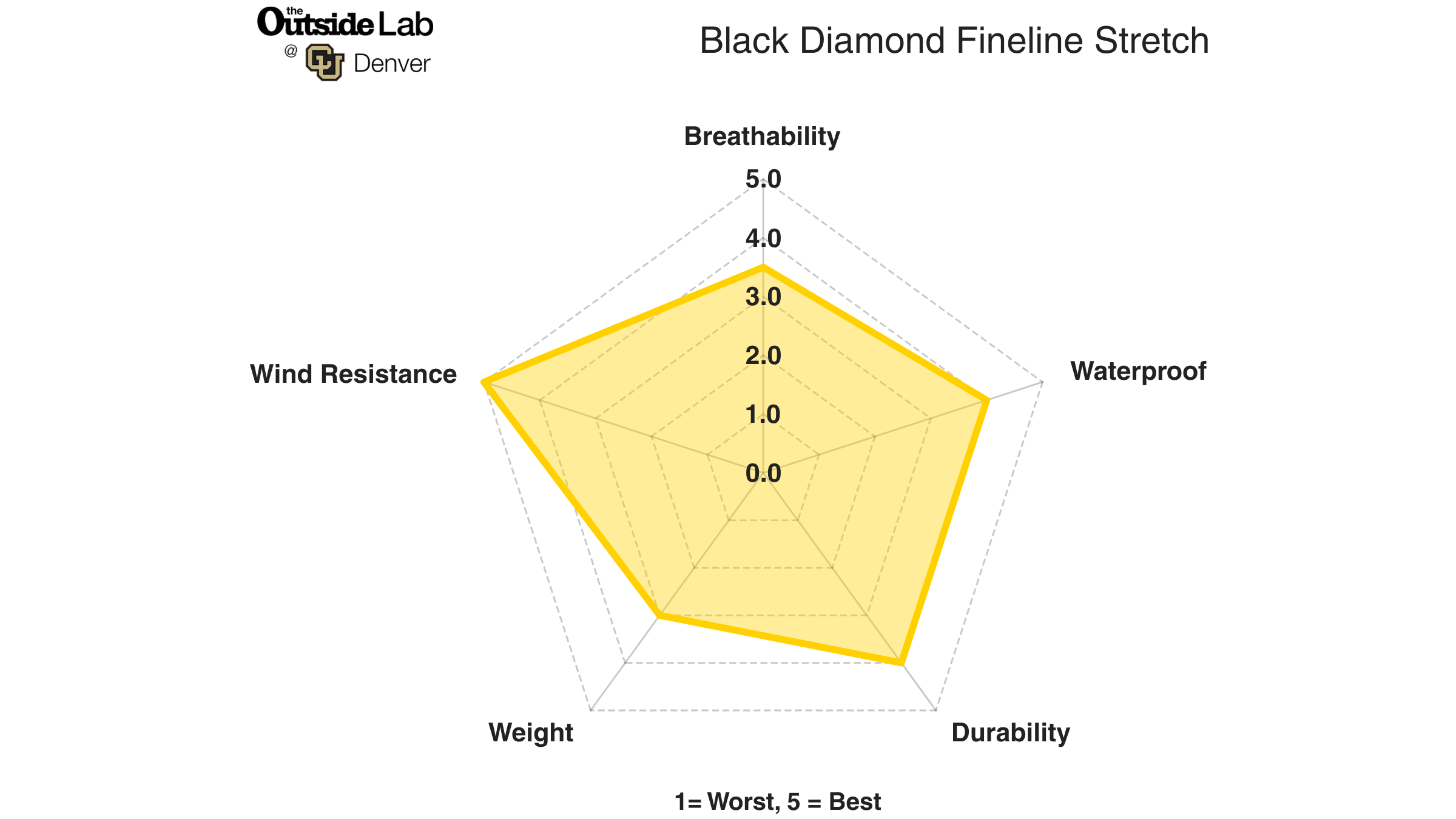
This do-it-all shell handles a gamut of weather conditions and activities far better than some jackets that cost twice as much. The one-way adjustable hood, cinchable hem and cuffs, and waterproof main zipper warded off surprise showers at 8,000 feet in New Mexico’s Zuni Mountains. The hood also accommodates climbing and cycling helmets, and the jacket’s slight stretch meant no restricted movement when reaching or mountain biking. And while the Fineline has technical chops, its slim cut looked sleek enough for a rainy stroll on the streets of New Orleans.
Though the proprietary, 2.5-layer fabric’s breathability is middle of the pack, smooth-running pit zips quickly dropped heat. “The shell was easy to vent during high-output activities without stopping to fuss around,” says New Mexico-based tester Kendra Brown. The 50-denier nylon stood up to hours of brush clearing and trail building on New Mexico’s Mt. Taylor. Ding: Like most waterproof zippers, the thick, chunky pull requires two hands to fully zip.
Best Ultralight
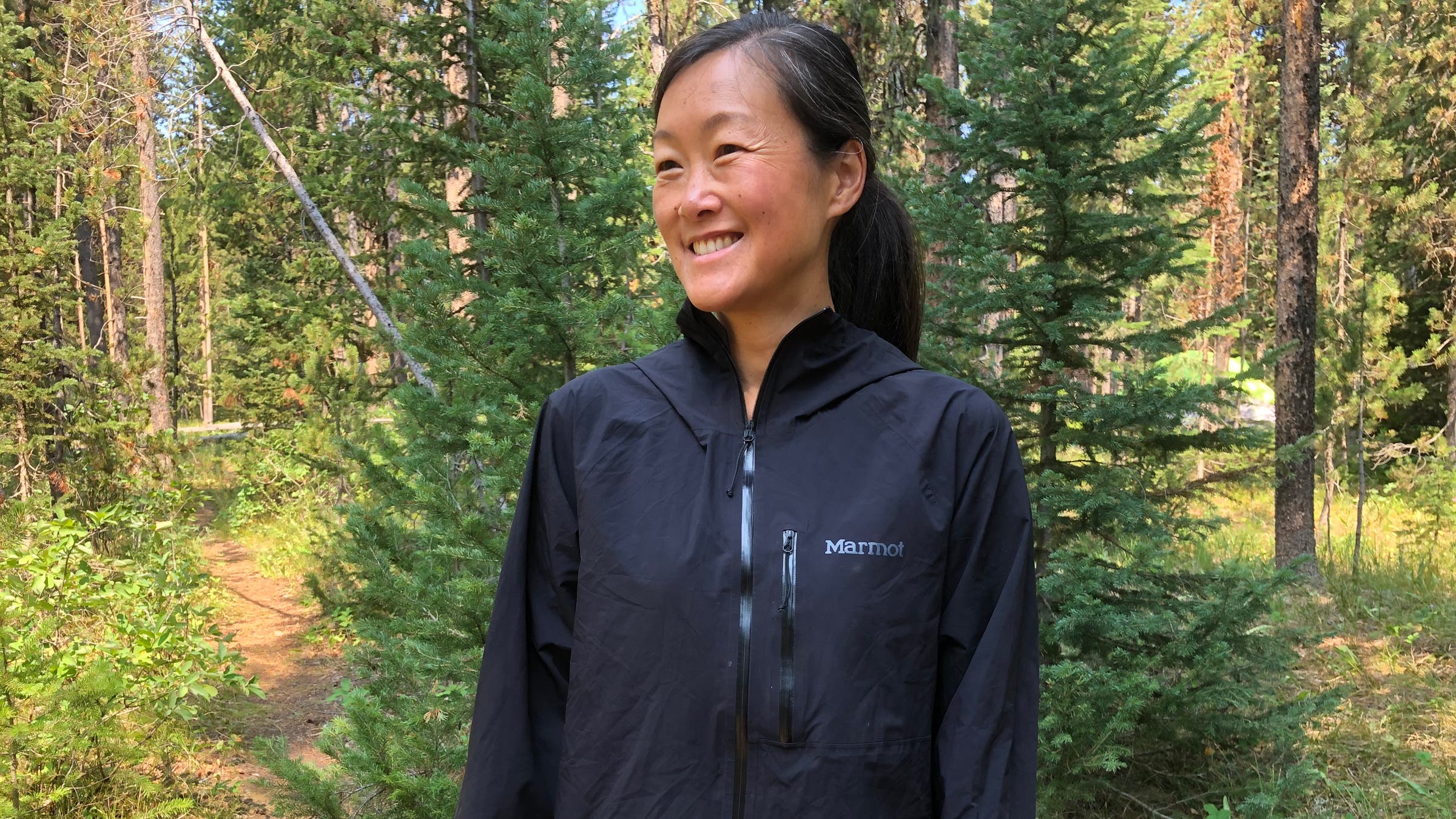
Marmot Superalloy Bio Jacket
Weight: 5 oz (Women’s Medium)
Sizes: XS-XL
Pros and Cons
+ Very light and packable
+ Partially plant-based
– No hand pockets
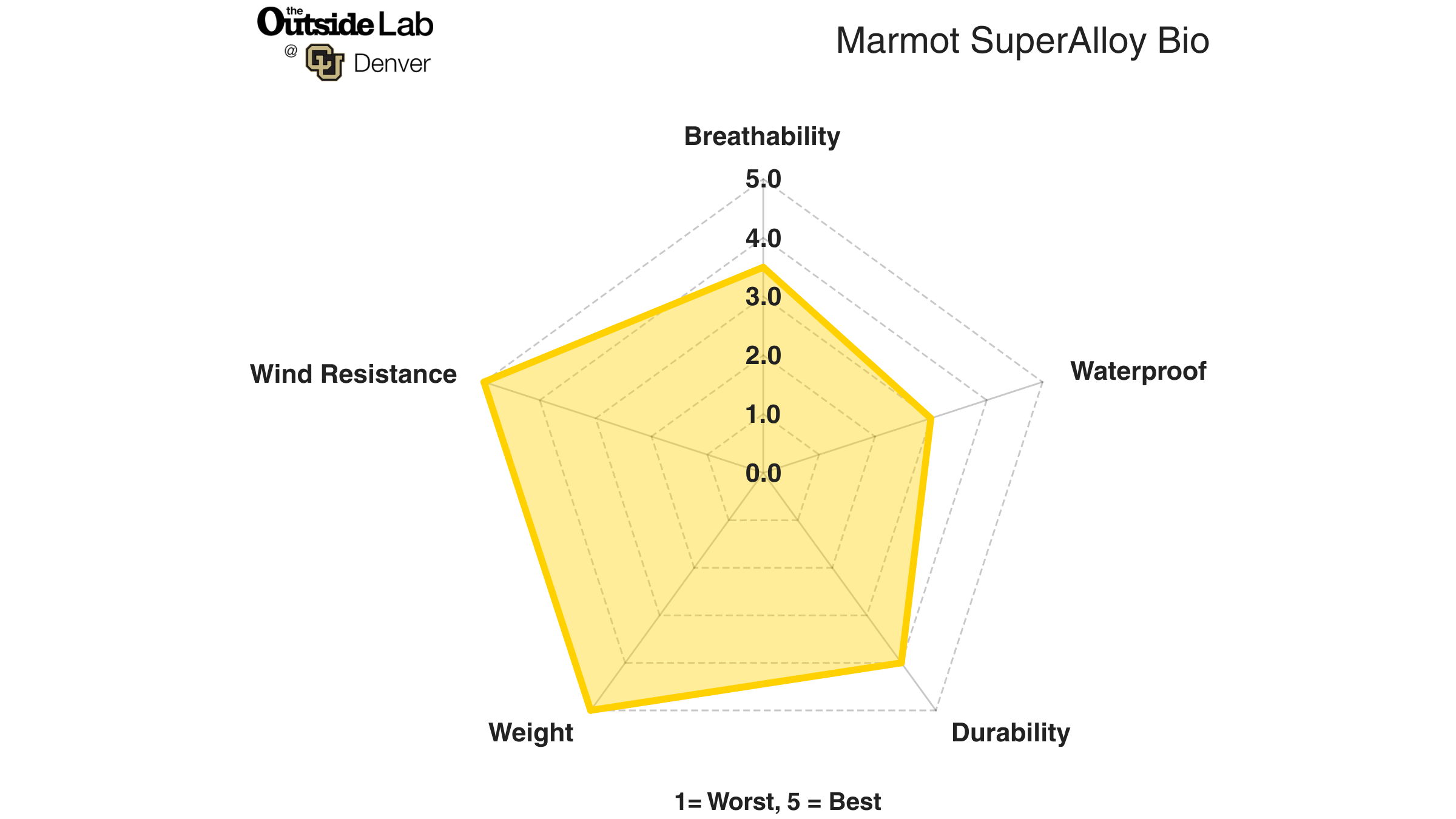
If you’re happy snoozing in a half-sleeping bag and eating only cold noodles all to save a couple of ounces, then move on: This isn’t the absolute lightest shell on the market. But for the rest of us, the Superalloy delivers a comfortable combo of protection, breathability, and features while still weighing no more than a hockey puck. “I like that it packs to the size of a pickleball in my jogging fanny pack, so I can whip it out whenever it gets wet or breezy,” says Alaska-based tester Sarah Glaser.
Not only did it shield us from everything from drizzle to deluge, but the proprietary 2.5-layer, microporous NanoPro fabric proved breathable enough to wear when it wasn’t raining, even without pit zips. “I wore it hiking along the Eagle River with a large pack on a 50-degree day,” Glaser says. “My friend was sweaty after not taking off her shell, but I was completely dry.” And the super thin, 12-denier fabric stood up to abrasion from jogging while wearing a belt attached to a 90-pound husky without any fraying or loss of waterproofing.
Despite its meager weight, this shell offers a handful of crucial features: a one-way-adjustable hood, cinchable hem, and a chest pocket—though it’s too small for larger smartphones. And the fabric is made from 60 percent plant-based nylon, slashing the fossil fuel content without sacrificing durability. Fit note: The cut is best for shorter and more petite frames; one 5’11” tester wished for a few more inches in the hem and sleeves.
Most Protective
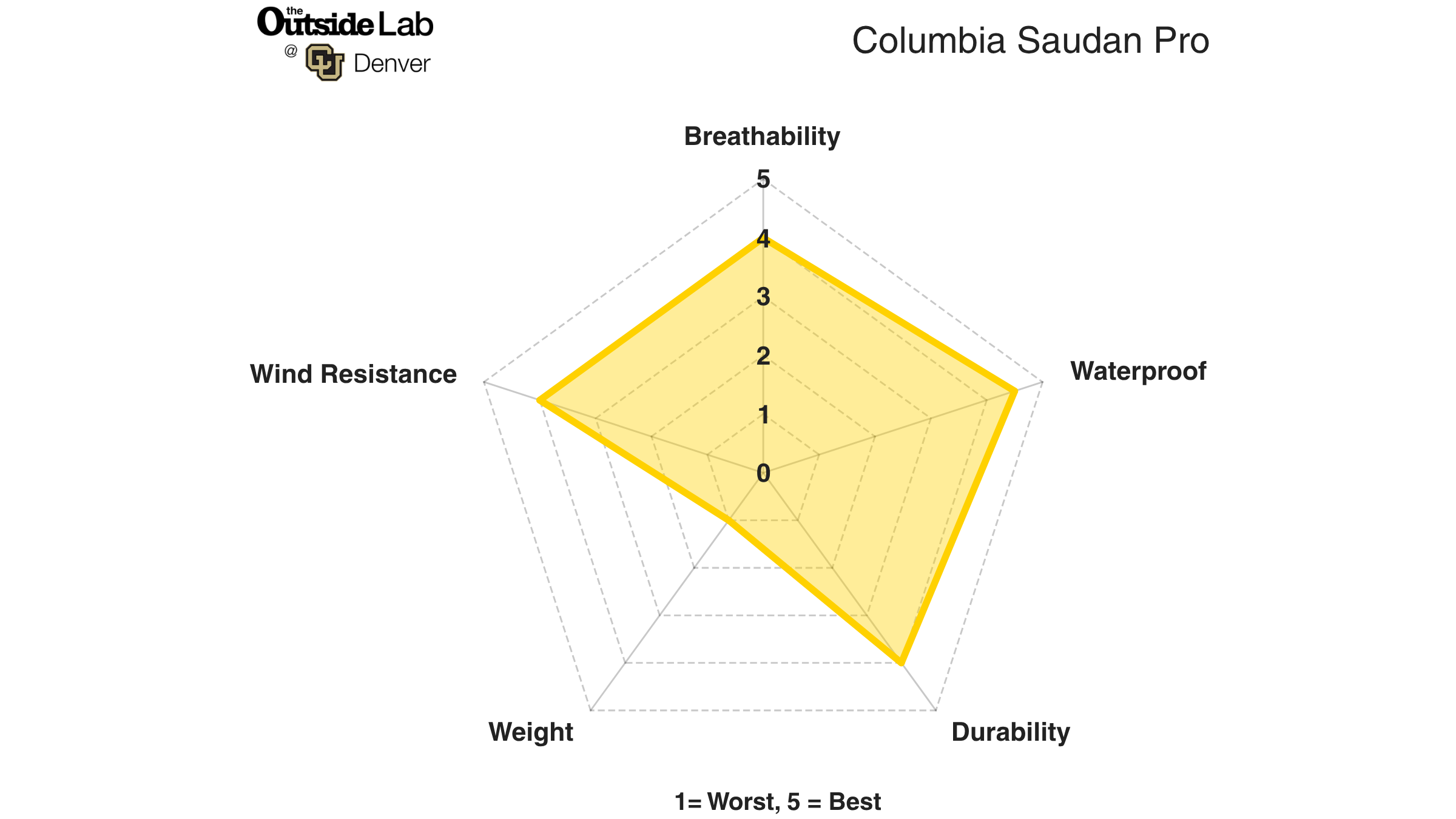
Columbia Saudan Pro
Weight: 15.1 oz. (Women’s Small)
Sizes: XS-XXL
Pros and Cons
+ Highly weatherproof
+ Durable
+ Full suite of effective features
– Heavier and bulkier than the average jacket
– Moderate breathability
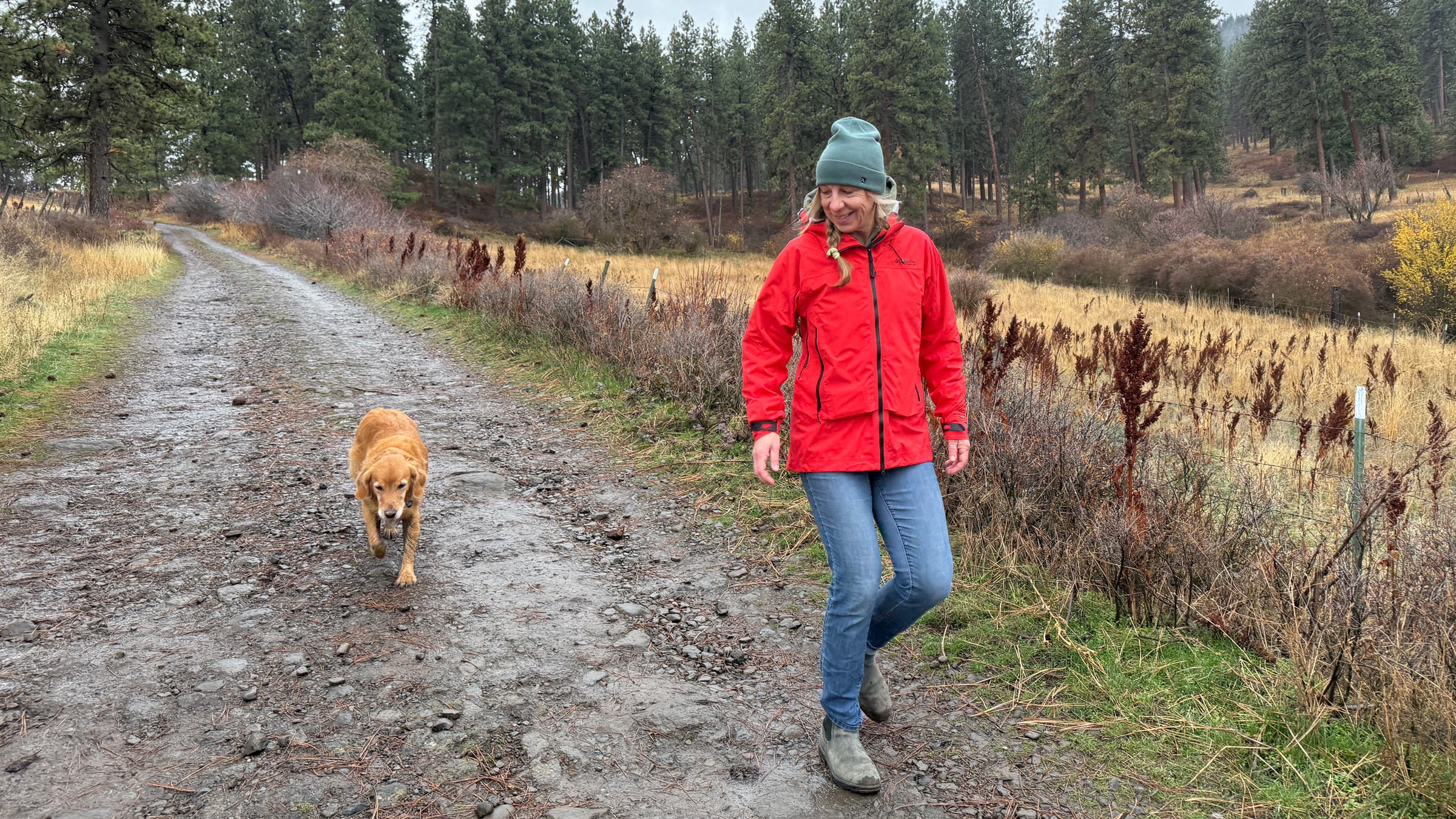
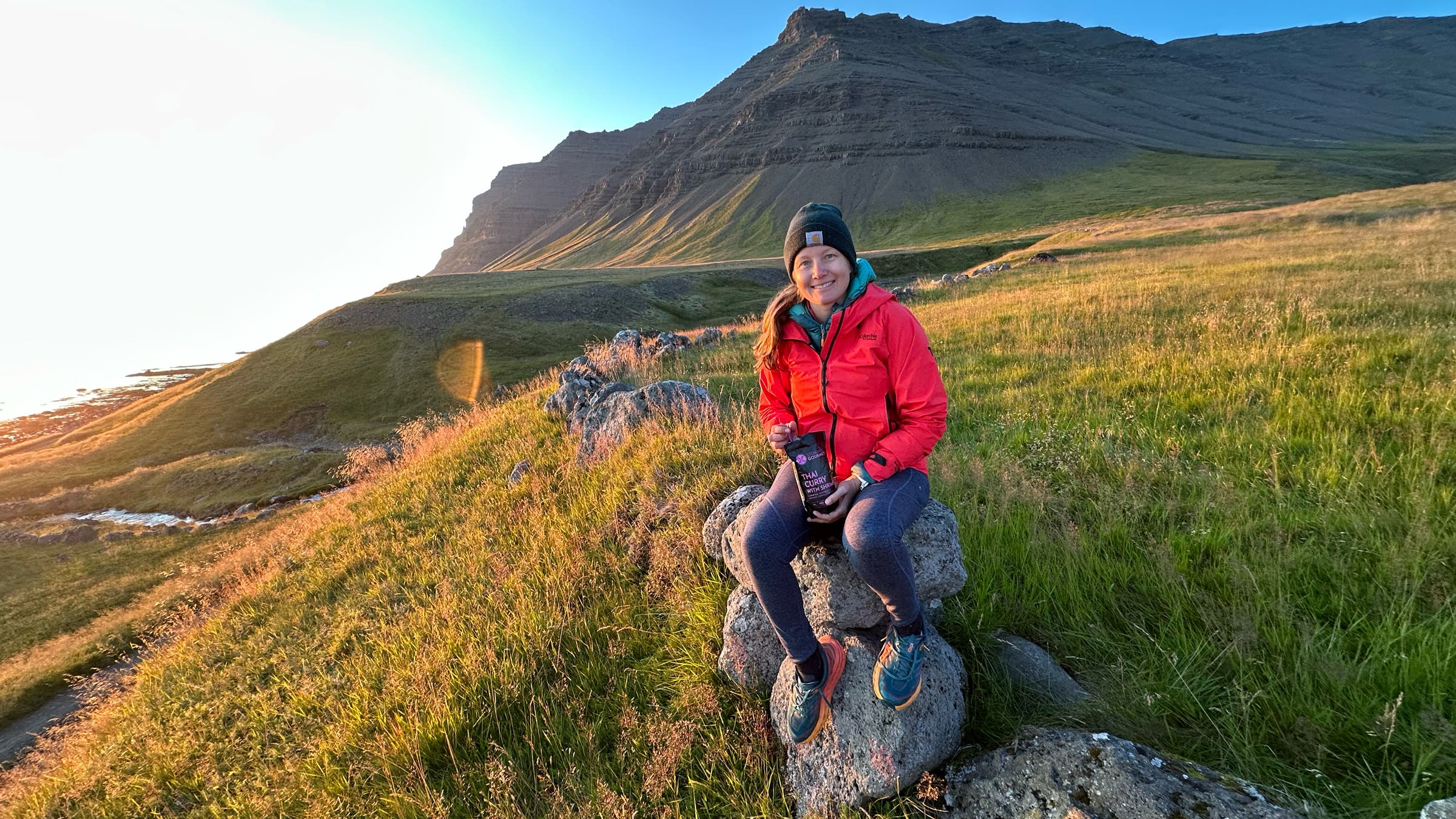
Some days, you just can’t worry about babying a jacket. For those times, our testers reached for the Saudan Pro. This hardy shell stood up to three straight days of a cold deluge while backpacking in Iceland’s Westfjords, firewood-gathering at a backcountry yurt, and trail-building on a brushy slope in New Mexico’s Cibola National Forest without a scratch. The durable, 20-denier nylon face fabric never wet out, while fortresslike features, including a wire-brimmed hood, cinchable hem and cuffs, and an extended back hem defied drops whether we were hiking or biking.
The Omni-Tech Pro fabric’s hydrophilic membrane got middling scores on breathability, but large, two-way pit zips helped. “While bikepacking the Svalvogar Route in Iceland, I was able to keep the jacket on for most of a 2,000-foot climb when venting the side zips,” says tester Kendra Brown.
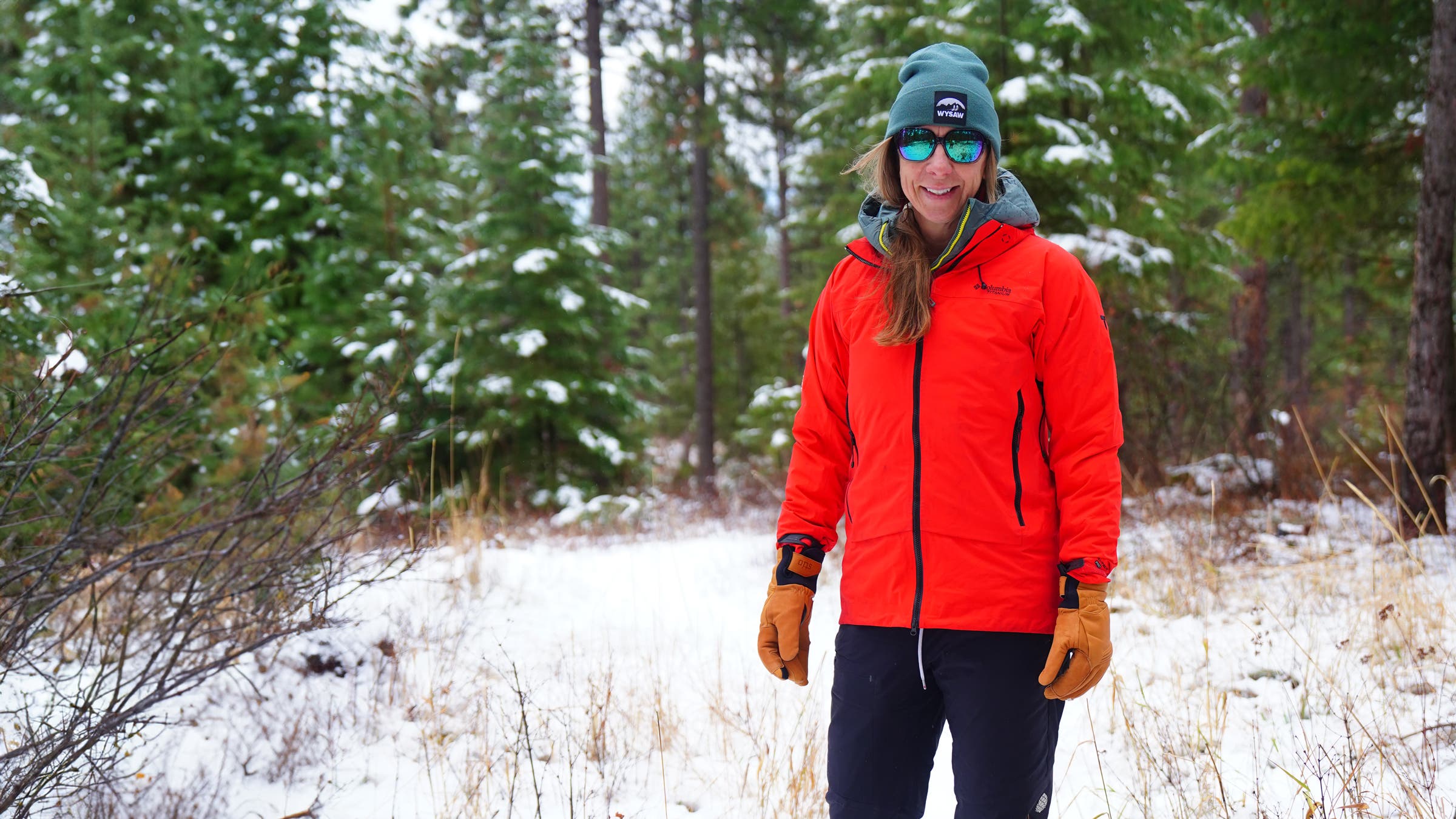
The generous cut easily accommodated multiple layers and still zipped comfortably through seven months of pregnancy (you might even consider sizing down). Plus: Hand pockets big enough for a bottle of sunblock, and one interior pocket that fits a smartphone.
Best Everyday
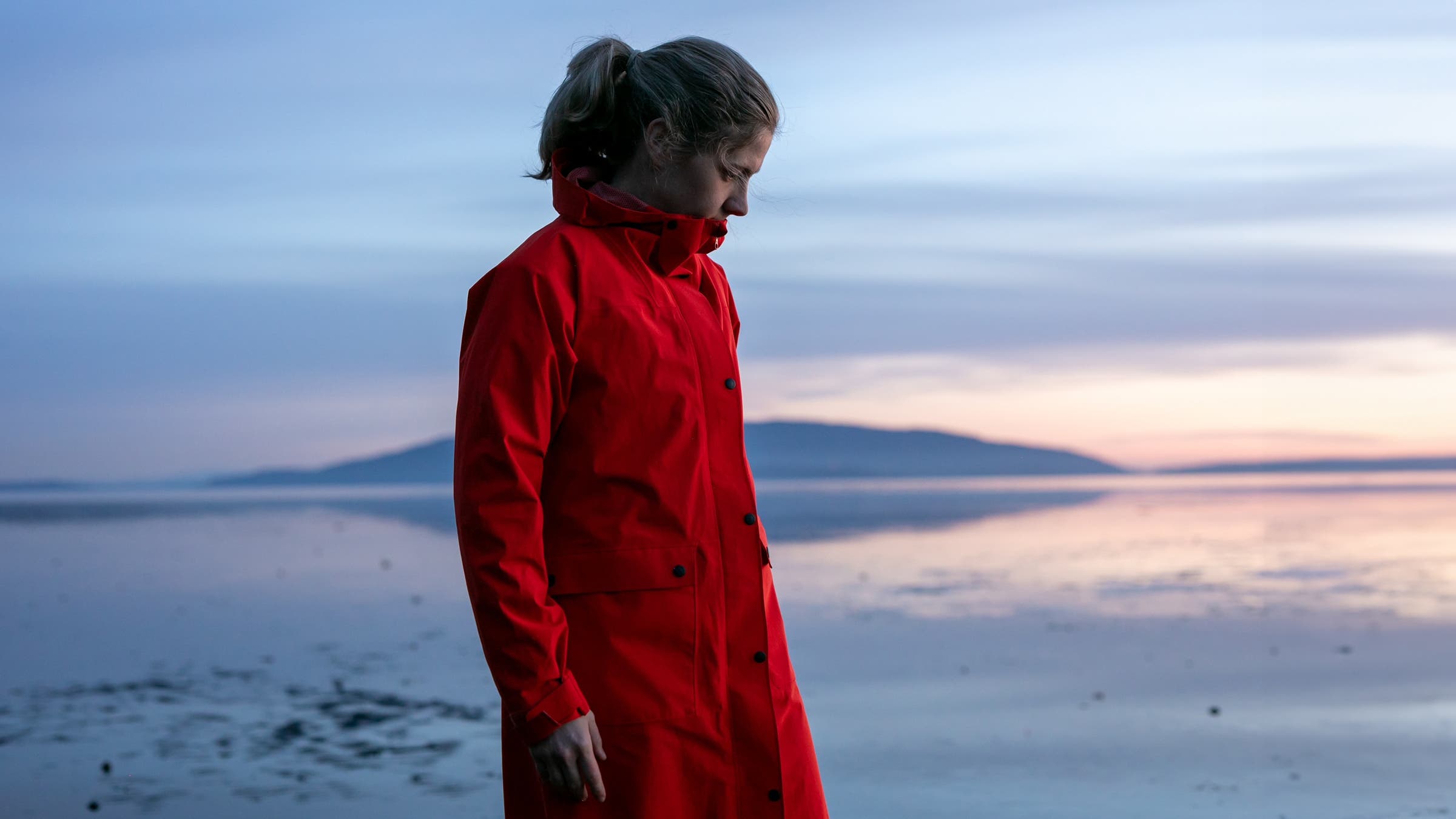
Fjällräven Vardag Rain Parka
Weight: 1 lb (Women’s Small)
Sizes: XXS-XXL
Pros and Cons
+ Full-coverage style
+ Soft and stretchy
– Heavy and bulky
– Not very breathable
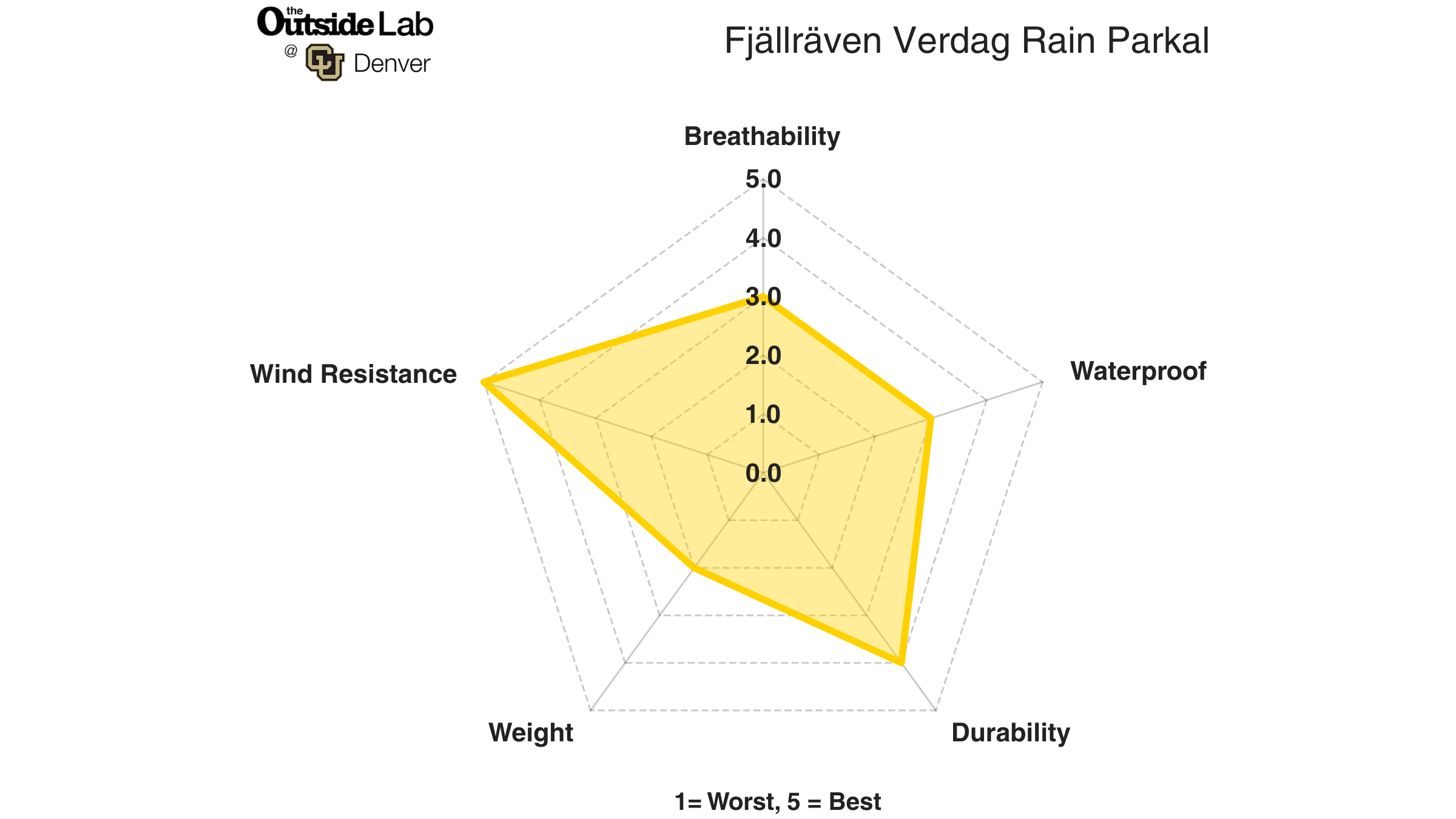
Tundra-ready technical shells have their place, but it ain’t your daily dog walk. For activities on the more casual end of the spectrum, from around-town wear to car camping to dayhikes, this stylish parka has you covered (down to mid-thigh, no less). The polyester face fabric felt soft and supple, with stretch that allowed unrestricted movement even when taking long strides uphill (snaps also allow you to fasten the extended tail around your legs).
The PU membrane shielded tester Lauren Danilek from rain and wind while dayhiking and camping in Washington’s central Cascades as well as strolling around Leavenworth. “When the rain picked up, I could throw my hood on and cinch the back for a nice fit around my head,” she reported. Cinched, the hood still allowed for a wide peripheral view and the stiff brim kept rain out of testers’ eyes. Two huge pockets hold a paperback or small tablet, and the generous cut fits a puffy underneath.
While she loved the thick jacket’s waterproofing, it was too warm for strenuous hikes, especially without pit zips. (It doesn’t help that the mesh ventilation panel is easily covered by a backpack.)
Best for Shoulder Seasons
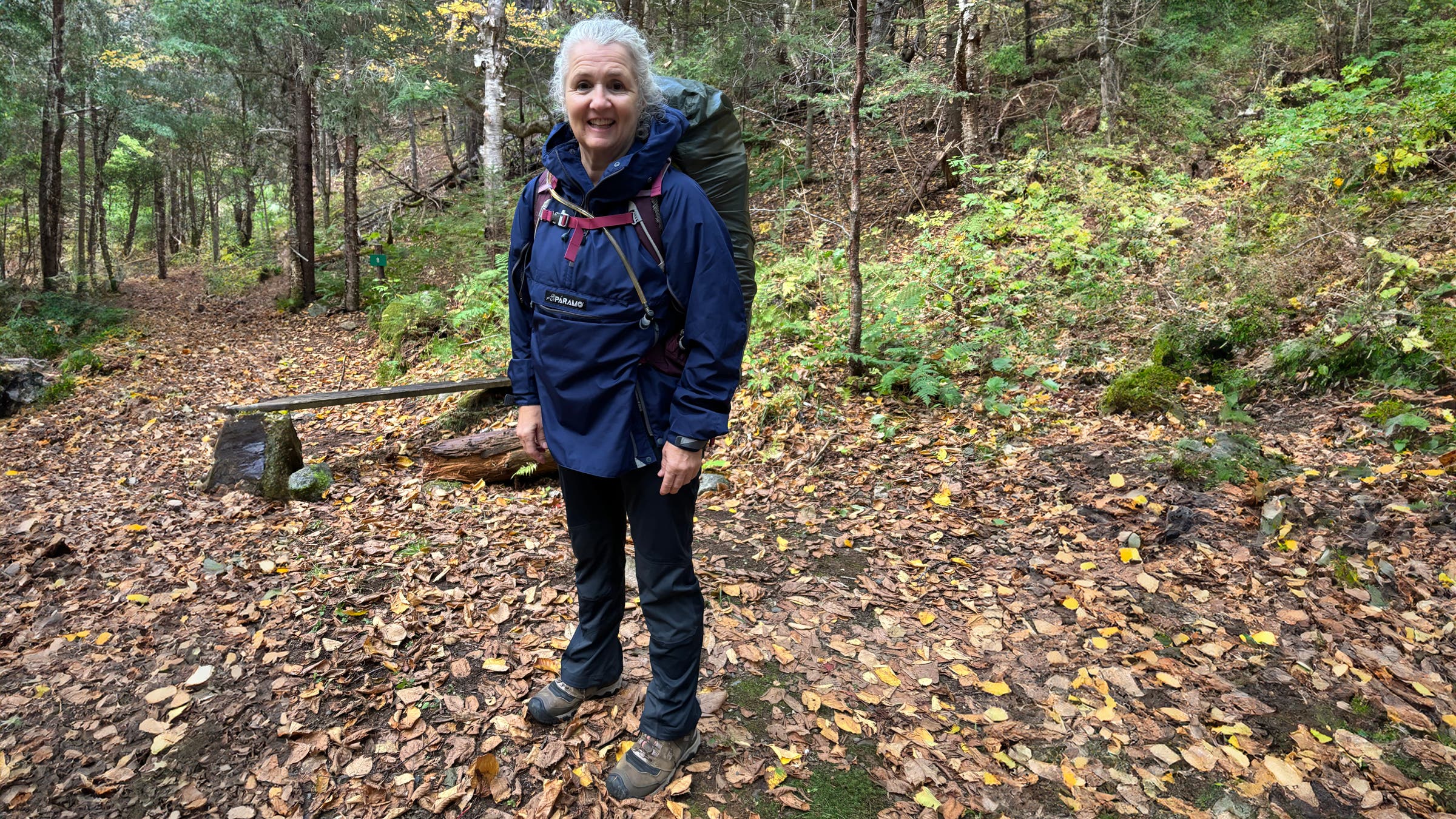
Páramo Velez Adventure Smock
Weight: 1.6 lbs (Women’s Medium)
Sizes: XS-3XL
Pros and Cons
+ Soft and supple
+ Lots of venting options
+ Easy to repair and actually recyclable
– Heavy and bulky
– Too warm for summer weather
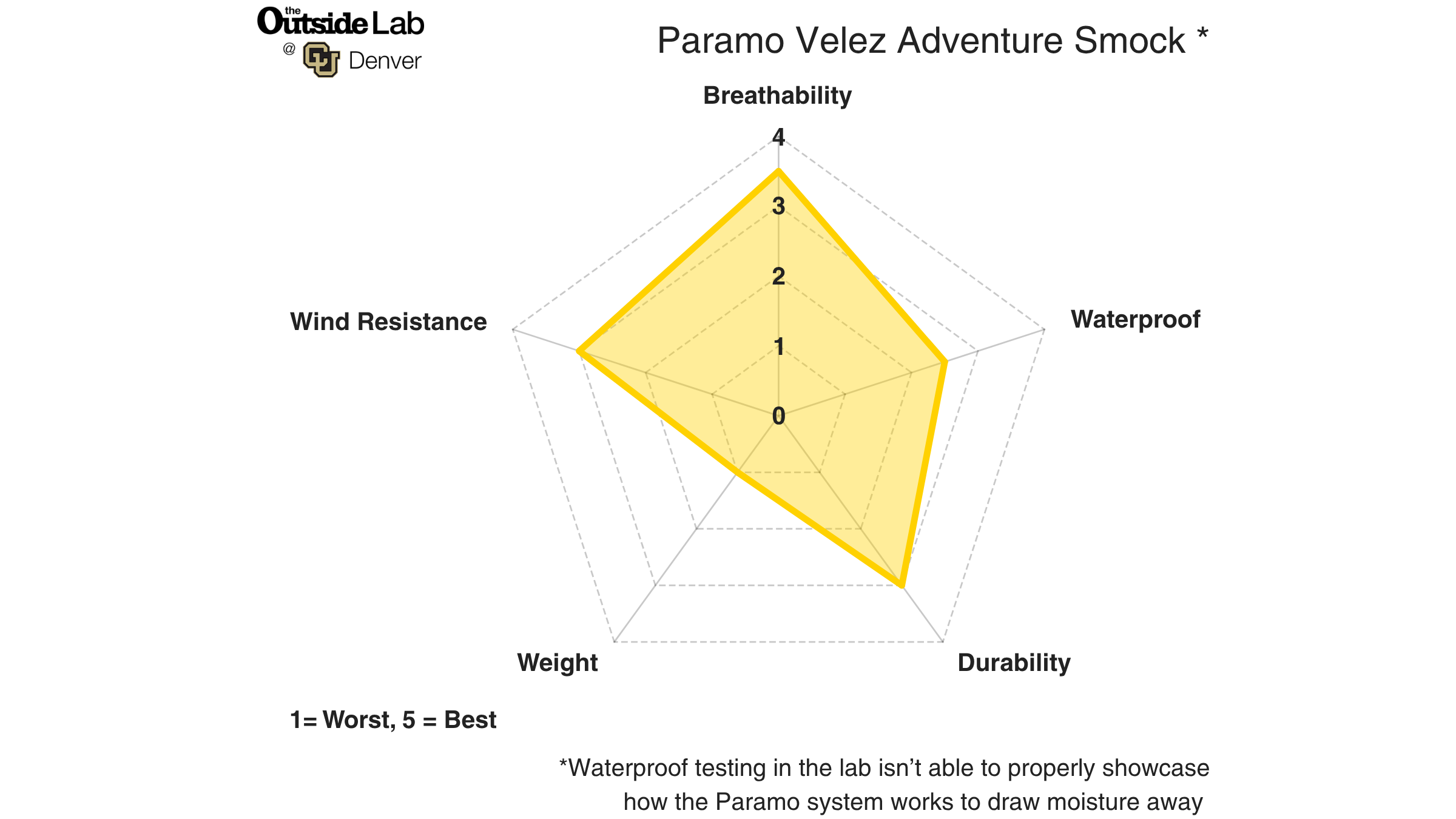
Almost all the technical shells on this list rely on a waterproof-breathable membrane for weatherproofness. But the Velez, from UK-based brand Páramo, uses a DWR-coated polyester face fabric as the first line of defense, with a fast-wicking layer underneath that blocks and pushes water back out via tiny hydrophobic “hairs.” That’s also how the jacket breathes, pulling sweat away from the skin. Páramo is currently the only brand with this tech available in the U.S.
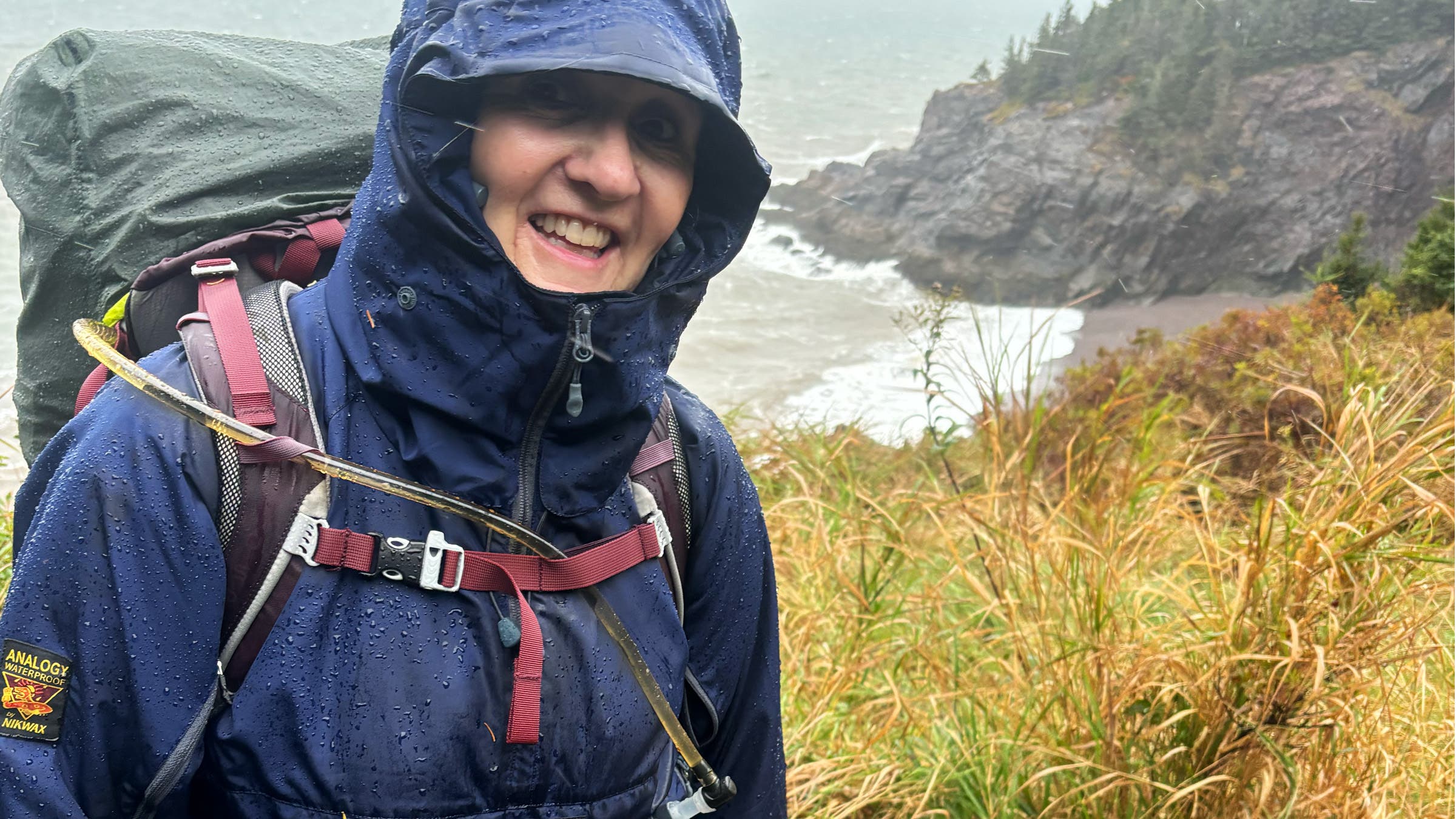
The result: “On a hike in cold, heavy rain at Cape Chignecto in Nova Scotia, I stayed warm and dry with no clamminess,” says tester Donna Campbell. It’s durable, too. Another tester failed to make a dent, even while mushroom foraging through thorny brush.
You get plentiful features: a two-way-adjustable hood with wired brim; an enormous front pocket that swallowed a map, notebook, and even a couple of stuffed animals; two more zippered pockets (one interior); and adjustable cuffs and hem. The double layers trap heat between them for extra insulation, making this jacket best for temps in the 50s and below. Given the heft of the jacket, testers appreciated the extra venting features, which include front-facing bicep zips and a side-zipping front flap that can be worn over a hipbelt.
The price you pay for a comfortable, breathable jacket that never wets out? Weight and lack of packability. But most testers were happy to pony up. And, should you outlive your heavy-duty rain jacket, Páramo will recycle it back into new fabric.
Best Emergency
Rab Phantom Hoody
Weight: 3.7 oz (Women’s Small)
Sizes: XS-XL
Pros and Cons
+ Extremely light
+ Protective
– Leaky in downpours
– Limited adjustability
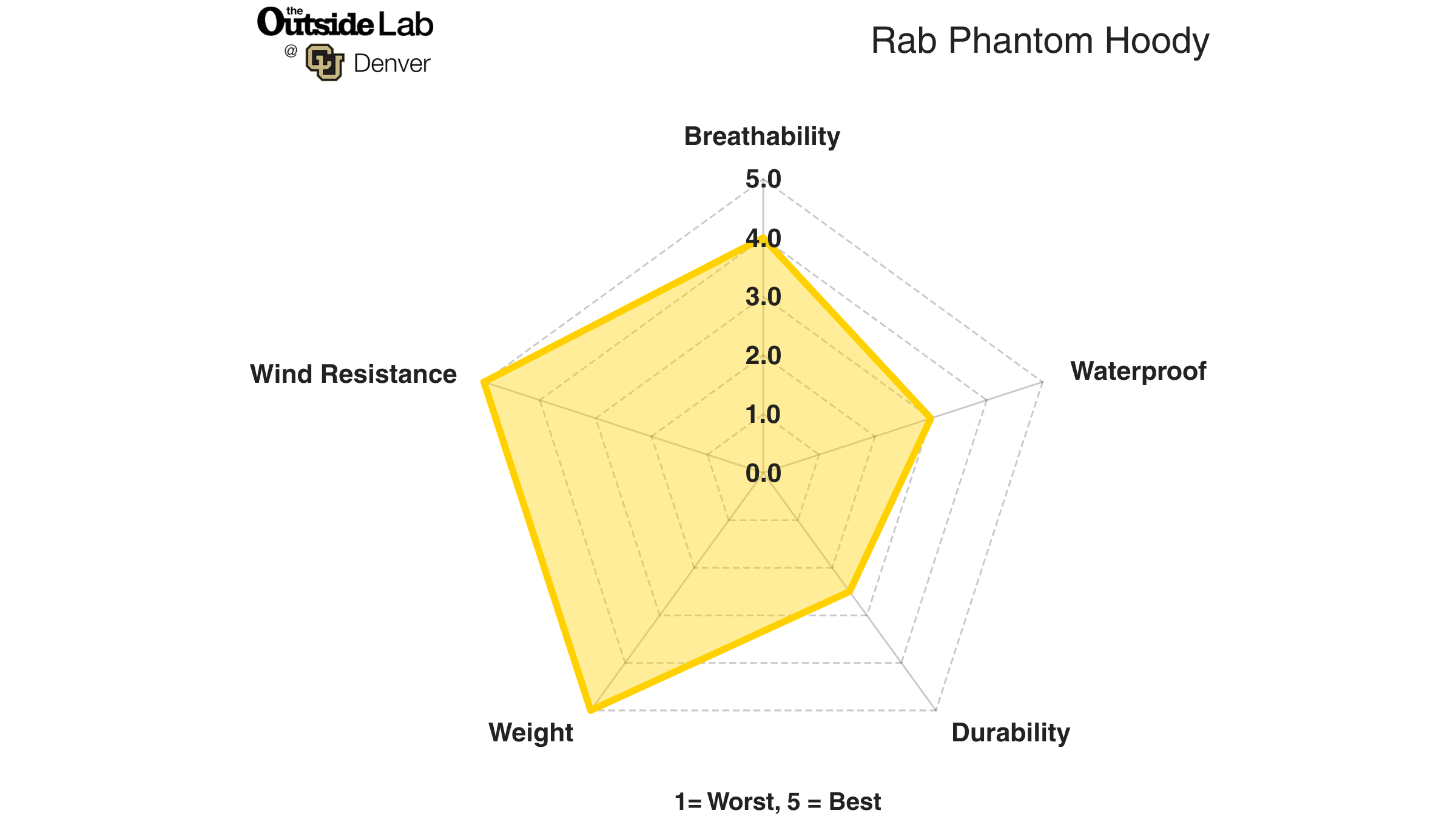
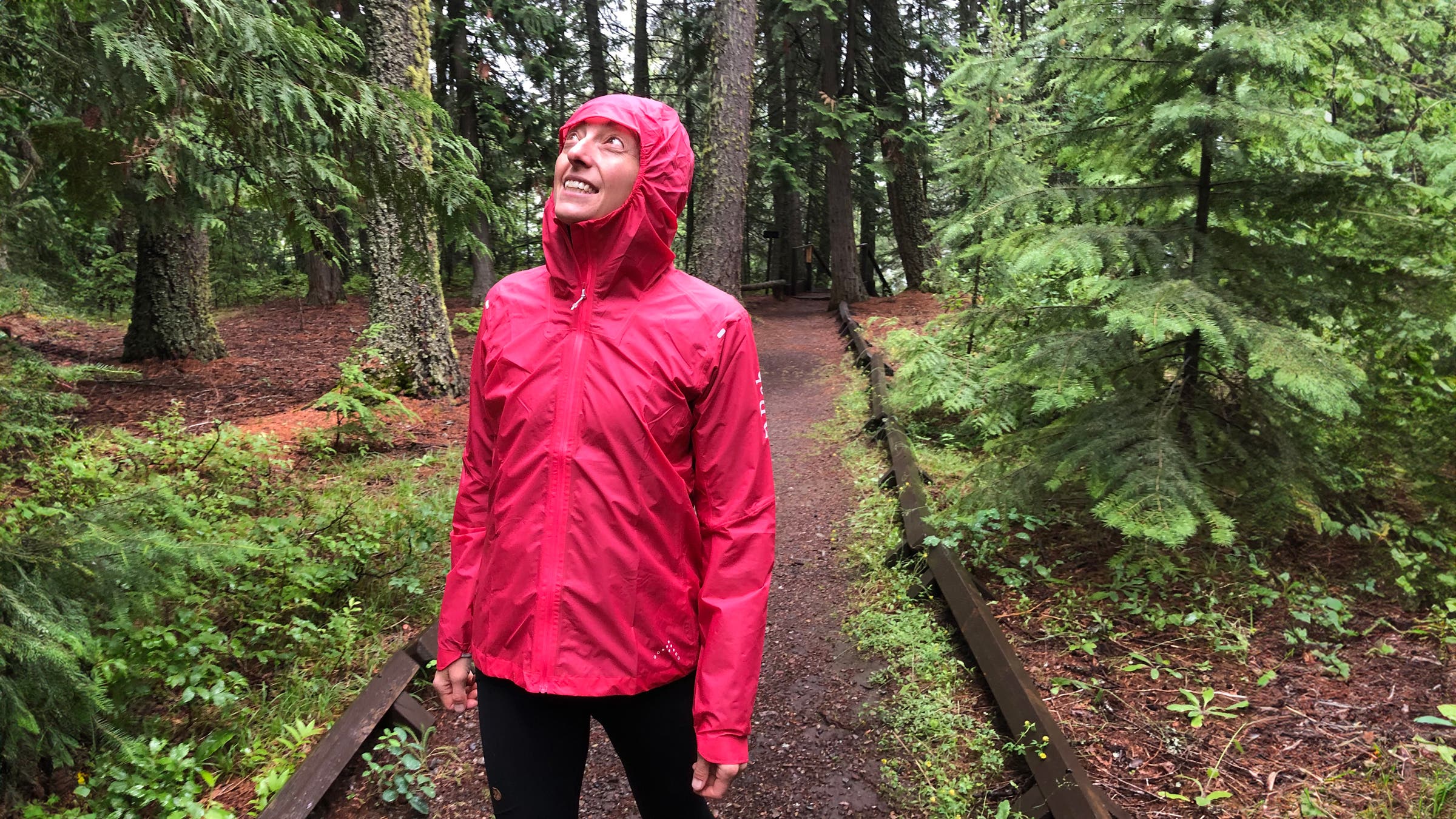
Rab has long been on top of the technical fabric world, churning out shell after category-smashing shell. Case in point: the Phantom, which, as one of the lightest waterproof-breathable shells on the market, has the weight of a trashbag poncho, the rain protection of a hardshell, and yet somehow the airy feel of a softshell. Oh, and it packs down to the size of a kiwi.
The Phantom is made of a 7-denier, 2.5-layer Pertex Shield fabric that designers paired with a minimalist feature package that includes elastic cuffs and an itty-bitty storage pocket at the chest that fits a gel pack or set of keys. It also has a tiny wire brim on the elastic hood that shielded us from pelting rain in the Pacific Northwest and 70-mph wind gusts in the Colorado Rockies. The newest version swaps out the old anorak style for a full zip, allowing for extra venting. And even without pit zips, we stayed comfy on humid uphills in three seasons thanks to the super thin fabric’s supreme breathability.
The Phantom isn’t some magic bullet, though. Its wispiness calls for TLC to prevent ripping, and it’s far too lightweight to be used in winter. And for truly rainy climates, you’ll want to look elsewhere: In deluges that lasted more than 90 minutes, we felt some drops sneak through at the shoulder and lower back.
But every tester agreed that the weight and functionality in the majority of cases more than offset its uneven performance at the watery extreme. If light weight tops your wish list—we’re looking at you, ultralighters and trail runners—or you simply need an emergency layer that will mostly live in your pack, this one’s for you.
Other Rain Jackets We Tested
- Cotopaxi Impermio 3L Hooded Jacket ($225): Stretchy and featured enough for hiking, but also stylish enough for everyday. The Fjallraven Vardag is a more protective crossover jacket.
- Kuhl Women’s Stretch Voyagr ($179): A basic, solid pick for most activities at a nice price, but it’s too bulky for extended trips.
- Rab Namche Paclite Jacket ($300): Backpackers will appreciate this shell’s combo of durability, breathability, and features, but the other Rab jackets offer better value.
- REI XeroCloud 3L Jacket ($189; $199 for long cut): This all-arounder scored high for breathability and its soft, slightly stretchy fabric. But it’s a bit more expensive than other shells in its class (like the Black Diamond).
- Salewa Puez Aqua 4 2.5L Women’s Powertex Jacket ($140): This budget pick delivers a sleek look, light weight, and reliable performance, but the Black Diamond Fineline Stretch is more durable.
Women’s Rain Jackets Comparison Chart
How to Choose a Women’s Rain Jacket
Consider these key factors when shopping for a women’s waterproof jacket:
Durability: Think about what activities you’ll be doing most. If you’re a hardcore mountaineer, you’ll need a durable shell (check the fabric’s denier; the higher the number, the tougher it is) with high-quality features like a helmet-friendly hood and large pockets. Three-layer shells, as opposed to 2.5- or 2-layer, tend to be toughest.
Weight: Bombproof shells are clutch in mountain weather, but they’re the heaviest and among the most expensive you can buy. If you’re a dayhiker or ultralight backpacker (or just live in a dry climate), a much lighter hardshell will save space and weight in your pack.
Feature Set: Climbing? Make sure your shell fits over your helmet, has a harness-compatible hem and pockets, and enough stretch for you to move freely.
Breathability: Breathability is the major x-factor in all hardshells. Different people prefer different technologies, but air-permeable membranes (like NeoShell, Outdoor Research’s AscentShell, and Pertex Shield Air) and the Gore-Tex family of fabrics are all good bets. Pit zips and long side zips or vents allow you to cool down quickly, no matter the membrane.
How We Test Women’s Rain Jackets In the Field
- Number of testers: 17
- Number of jackets tested: 17
- Miles hiked, biked & run: 1,502
- Days in the field: 349
- Lowest temperature experienced: 14°F (Mont-Sainte-Anne, Canada)
- Most consecutive days of rain endured: 10 (Yukon, Canada)
- Highest windspeed weathered: 50 mph (Magdalen Islands, Canada)
- Highest elevation reached: 12,542 ft. (Pawnee Pass, CO)
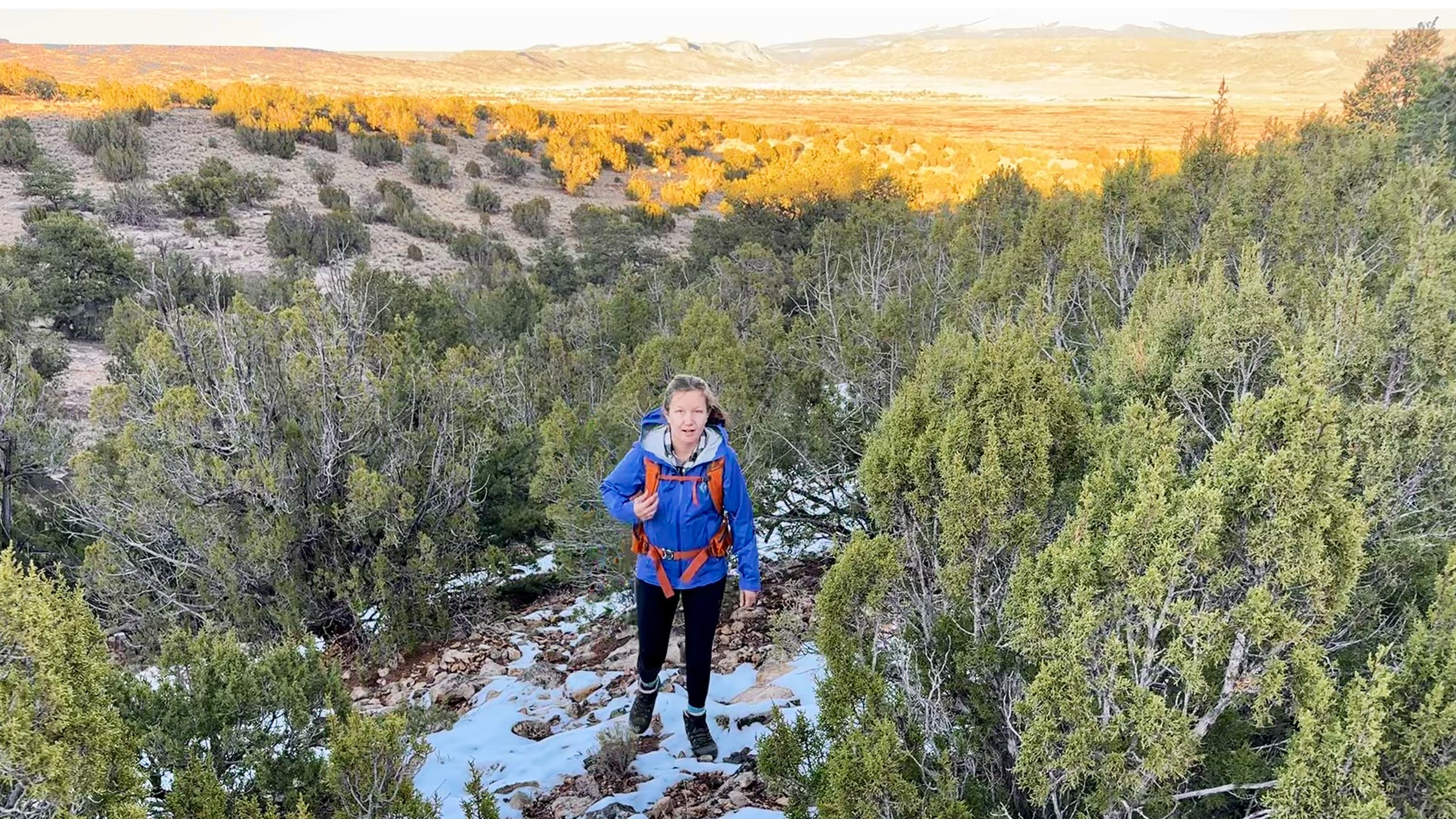
We tried as many new waterproof women’s shells as we could get our hands on and reconsidered the best-performing shells of recent years that are still on the market. Our team of testers hiked, backpacked, biked, ran, paddled, and berry-picked in rain squalls from Alaska to New Mexico to Vermont. These women—trail runners, dog walkers, kayakers, climbers, and field scientists—evaluated each shell for waterproofness, breathability, durability, fit, and features to ultimately zero in on the best rain jackets for women.
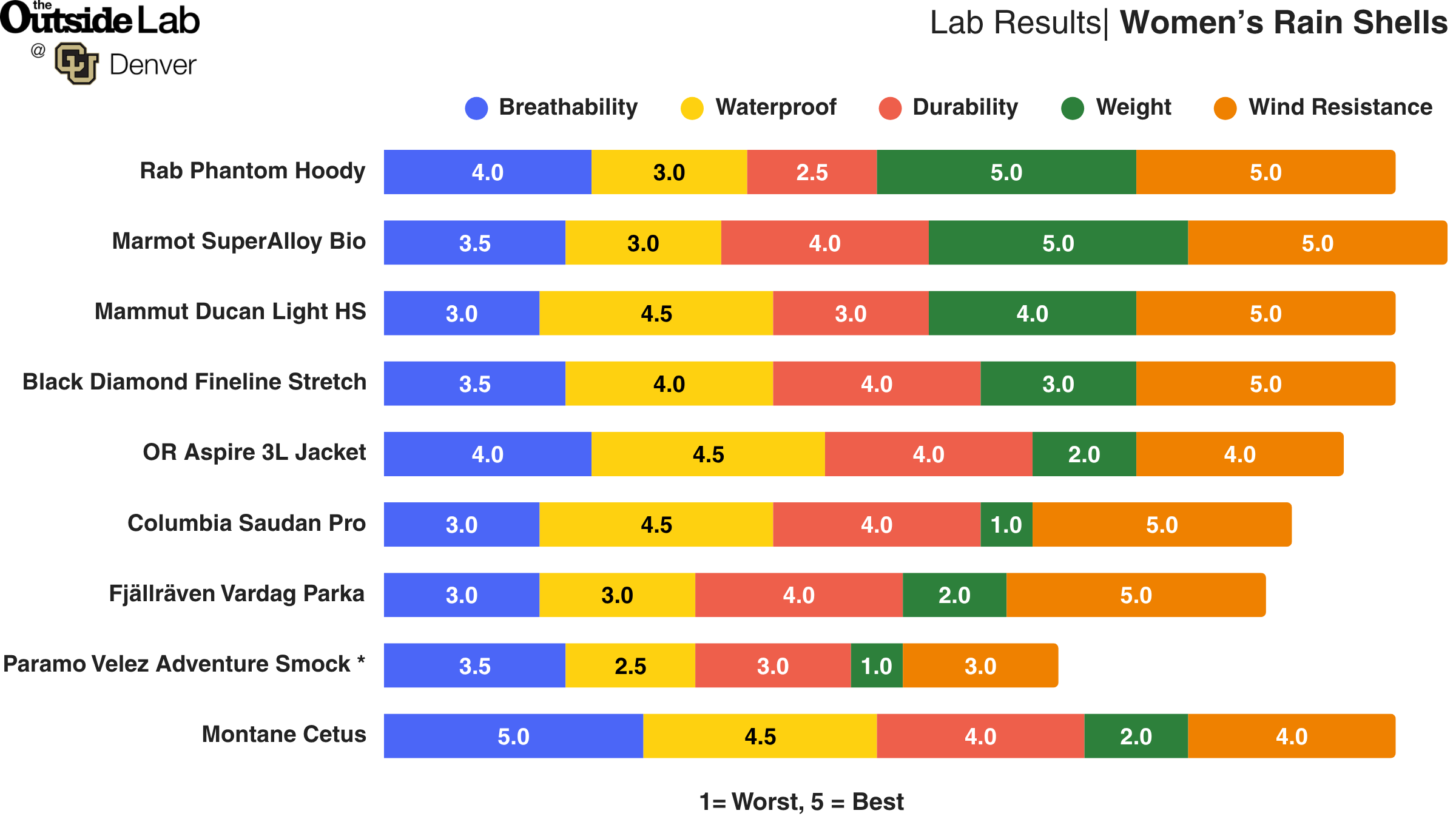
How We Test Rain Jackets in the Outside Lab
Want to learn more about the Outside Lab at CU Denver? Check out our deep-dive.
Waterproofness (Hydrostatic Head Pressure)
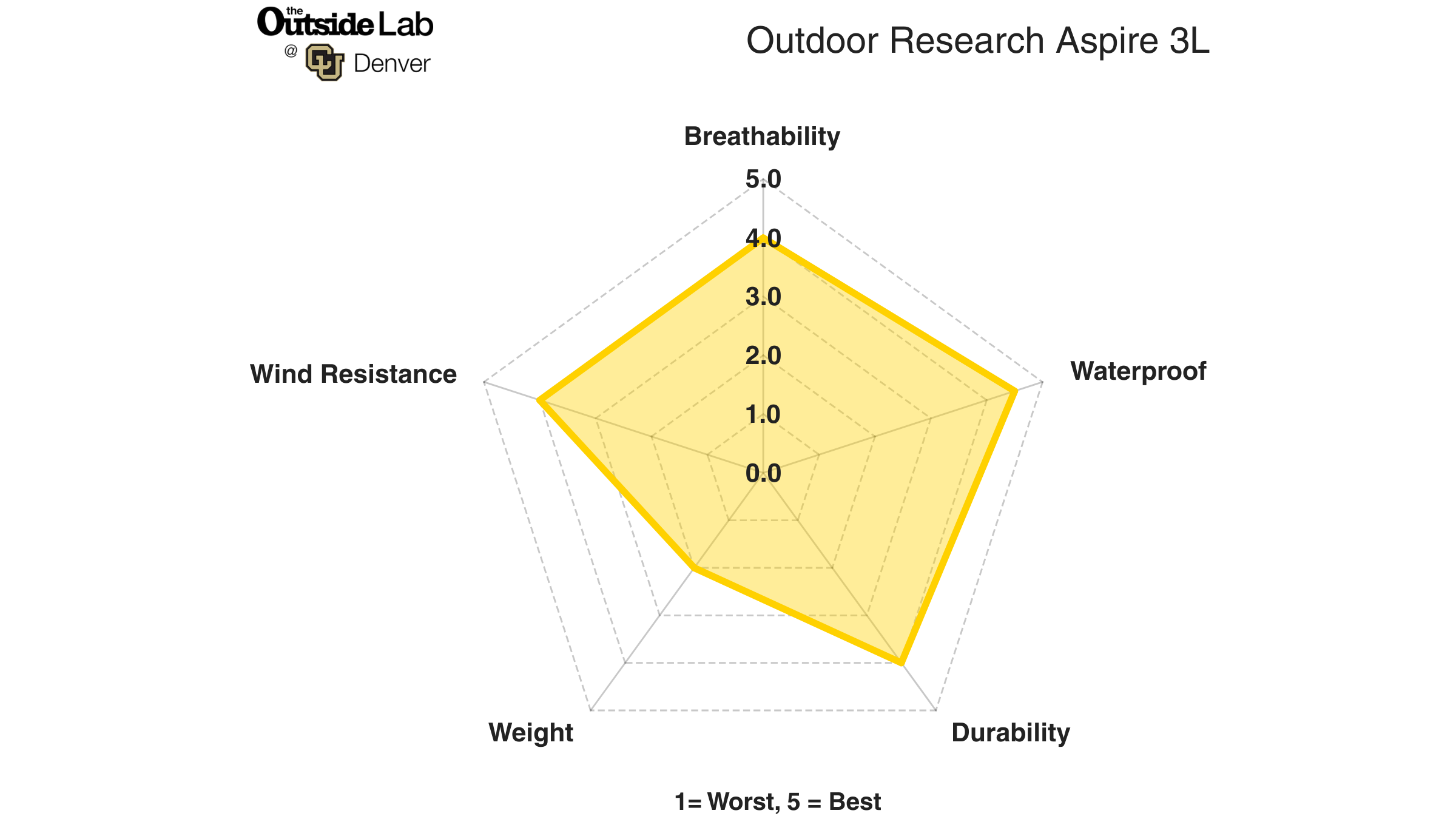
In the Outside Lab at CU Denver, we test waterproofness using a hydrostatic head pressure machine—a standard piece of equipment used to rate waterproof fabrics with a score from 5K to 30K for jackets, typically. This method increases air pressure to push water through the shell until it permeates, giving you a result in thousands of millimeters of water (15,000 mm=15K). While this is a good, standardized method, it does come with a caveat: Rain shells aren’t typically under pressure, and that machine-generated pressure can cause lighter fabrics to burst before water penetration occurs, though this is rare. If a material bursts, a new sample is tested in a continuous rain shower for up to eight hours, inspecting for leaks every hour. The pressure at which the fabric burst is combined with the result of the shower test to give a waterproof score.
Samples were cut from each shell and tested in two scenarios: “New” condition and “Washed” condition. For the latter, we follow the label’s care instructions and clean the fabric swatch to see if performance drops. Using only the results from the rain shells in our test, a 1 to 5 scale was created (1=least waterproof, 5=most waterproof) and each jacket was given a score based on the combined performance from each condition.
Durability (Abrasion-Resistance)
To test shell durability, we used a Martindale abrasion machine, which rubs materials together to look at wear. We conducted six different test scenarios that included both wet (with constant soaking) and dry environments. Each abradent (thing rubbed against the shell fabric) was tested in each environment. Aggressive abrasive pads were used in some tests to accelerate wear mimicking “worst case scenario” situations, like squeezing through a tight slot canyon, scooting on rocks, and rough bushwhacking. Other tests pitted the jackets against materials they encounter on a regular basis: the mesh found on backpack straps and hip belts, or the shell material rubbing against itself, which mimics when your arms rub against the sides while hiking.
The tested samples were graded on a visual scale of 1 to 5, worst to best. Top performers with very little or no change to the material scored a 5, while samples that ripped or completely changed in appearance and feel received a score of 1. An overall score was calculated as the average from all 6 tests for each jacket.
Breathability
In reference to outerwear, breathability is defined as the movement of moisture vapor (sweat) through a material. To test breathability, we use a modified version of the standard ASTM “Cup Method,” which works by sealing a sample of the fabric over a bowl of 100-degree water (to simulate human body temperature) and placing it in a low-humidity environment. Moisture loss is recorded by measuring the bowl’s weight over a period of time. Two versions of the test were performed: Upright Cup and Inverted Cup—the latter to test breathability when the fabric is pinned against sweating skin or a deluge. The Upright Cup method leaves a small air gap between the water surface and fabric to simulate breathability in less extreme conditions.
It’s important to note that our test in the Outside Lab only accounts for the fabric itself, not taking into consideration the fit or venting of a jacket. Secondly, our test only evaluates moisture vapor transfer, which is the most important metric for standard waterproof-breathable layers, but can’t fully evaluate alternative waterproofing systems (while rare), like that found in the Paramo Velez, which also moves moisture in addition to vapor to help with breathability. While jackets with that sort of construction are rare, it highlights the need to always include field testing. Rain shells were given a score on a scale of 1 to 5, least to most breathable, based on their average from the 2 tests.
Air Permeability (Wind Resistance)
Air permeability is a measure of how much air (in volume) is able to move through a fabric, which can also be looked at as “wind resistance” for rain shells. The more air-permeable, the more wind makes it through your jacket, potentially increasing the risk of hypothermia in the wrong circumstances. Air permeability is not the same as “breathability” which measures how much moisture vapor (created from sweat) moves through fabric. To test wind resistance, we use a James Heal AirPro, a machine that employs a vacuum pump to pull air through fabric clamped between plates with a controlled flow rate and pressure. Results graded on a scale of 1 to 5, worst to best. Note: most rain jackets perform very well with wind resistance given their construction—we’ve never tested a rain jacket that has significant air permeability. —Lab Test Editor, Adam Trenkamp
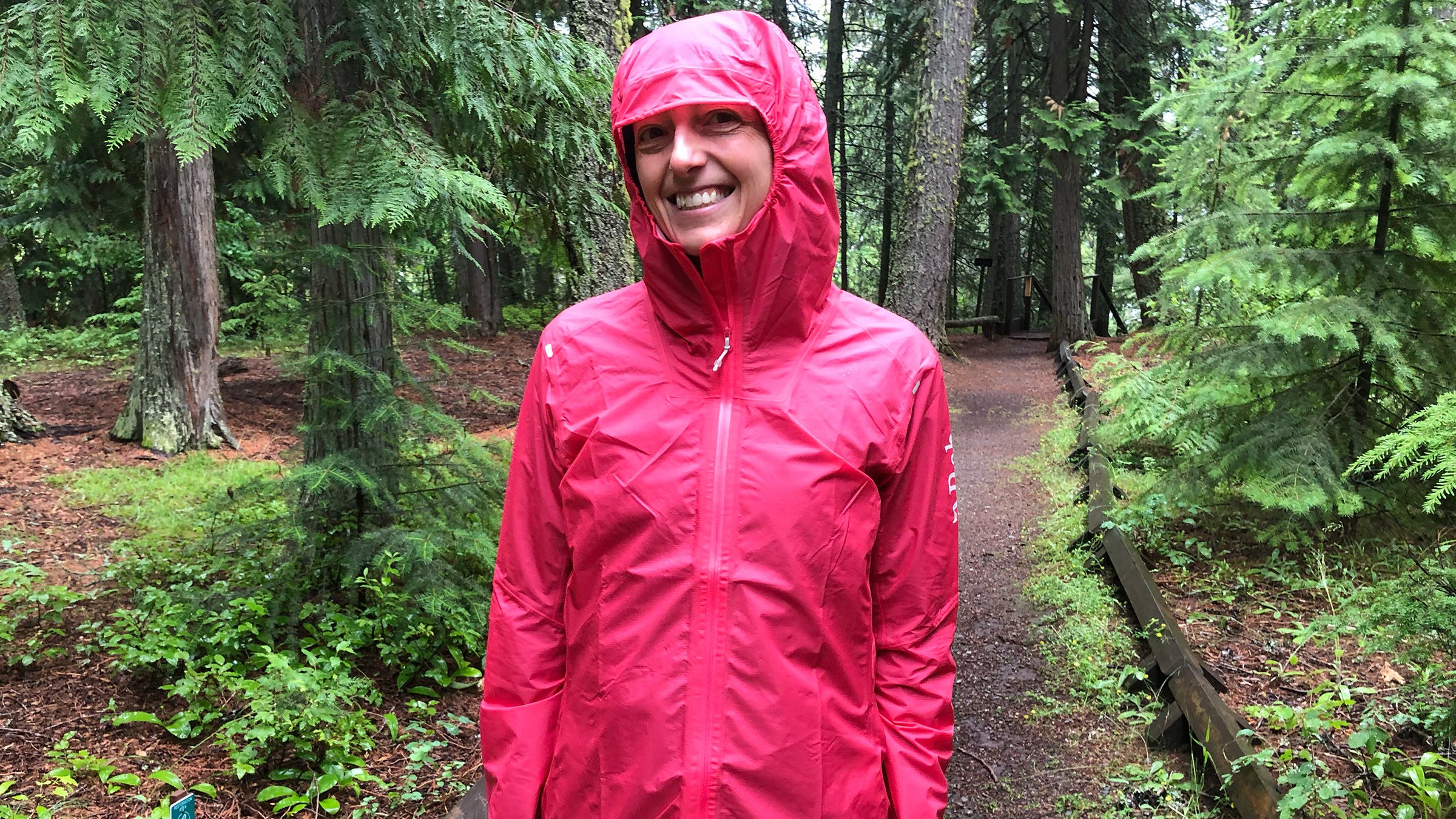
Meet Our Testers
Elisabeth Kwak-Hefferan
Kwak-Hefferan manages the women’s shells category for Outside from her home base of Missoula, Montana. Over her 13 years of testing and reviewing technical jackets, she’s been driven out of Washington’s Enchantments by freezing rain, hopped across Colombia’s squishy páramo landscape, and got engaged in a downpour at Glacier National Park.
Donna Campbell
Campbell, a longtime tester, logs hundreds of soggy kilometers of hiking each season from her home base on Prince Edward Island.
Jackie Bourgaize
Bourgaize never lets the weather stop her from exploring the most rugged corners of the Canadian Rockies, her home range.


